U.S. Energy Secretary Chris Wright and Interior Secretary Doug Burgum moved swiftly to quash speculation that Washington could restrict energy exports, issuing coordinated statements reaffirming that no such policy is under consideration—even as the Middle East crisis sends shockwaves through global energy markets.
“Thanks to President Trump, the United States is the world’s top oil and natural gas producer. We are also the largest natural gas exporter and a top oil exporter,” both officials said in identical posts. “To be clear, the Trump administration has no plan to implement restrictions on oil and gas exports.”
The rare, synchronized messaging appears aimed at calming markets amid rising concerns that the U.S. could follow past playbooks of limiting exports to shield domestic consumers from surging fuel costs.
Instead, the administration is pursuing a markedly different strategy—keeping U.S. energy flowing to global markets while attempting to bring prices down.
U.S. Dominance Shapes Policy Choices
The U.S. remains the world’s largest LNG exporter, shipping more than 110 million metric tons in 2025, while crude production hit a record 13.6 million barrels per day.
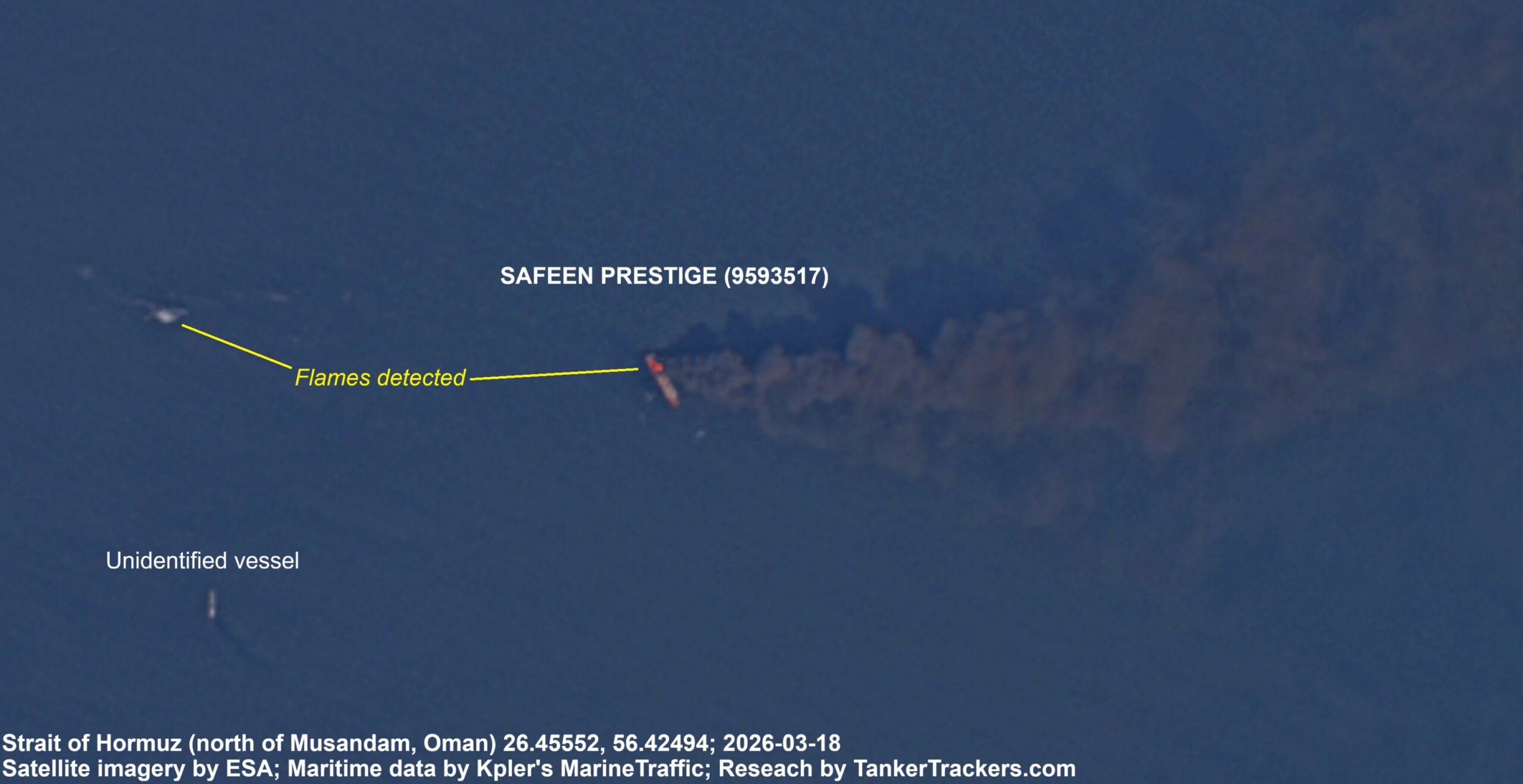
That role has become even more important as the Strait of Hormuz crisis disrupts shipping and threatens a major share of global oil and LNG supplies.
Energy analysts warn that any signal of U.S. export restrictions could have an outsized impact, particularly for Europe, which now relies heavily on American LNG to replace Russian gas.
The backdrop is a rapidly escalating conflict across the Persian Gulf that has already disrupted tanker traffic, driven up war-risk premiums, and pushed oil prices sharply higher.
With shipping through the Strait of Hormuz effectively constrained and attacks on energy infrastructure intensifying, traders have been bracing for potential government intervention in major consuming countries.
Editorial Standards · Corrections · About gCaptain

 Join The Club