Tankers Vessel tracking data show the magnitude in the amount of trade trying to safely navigate around the U.S./Israel strikes on Iran and Iran’s retaliation.
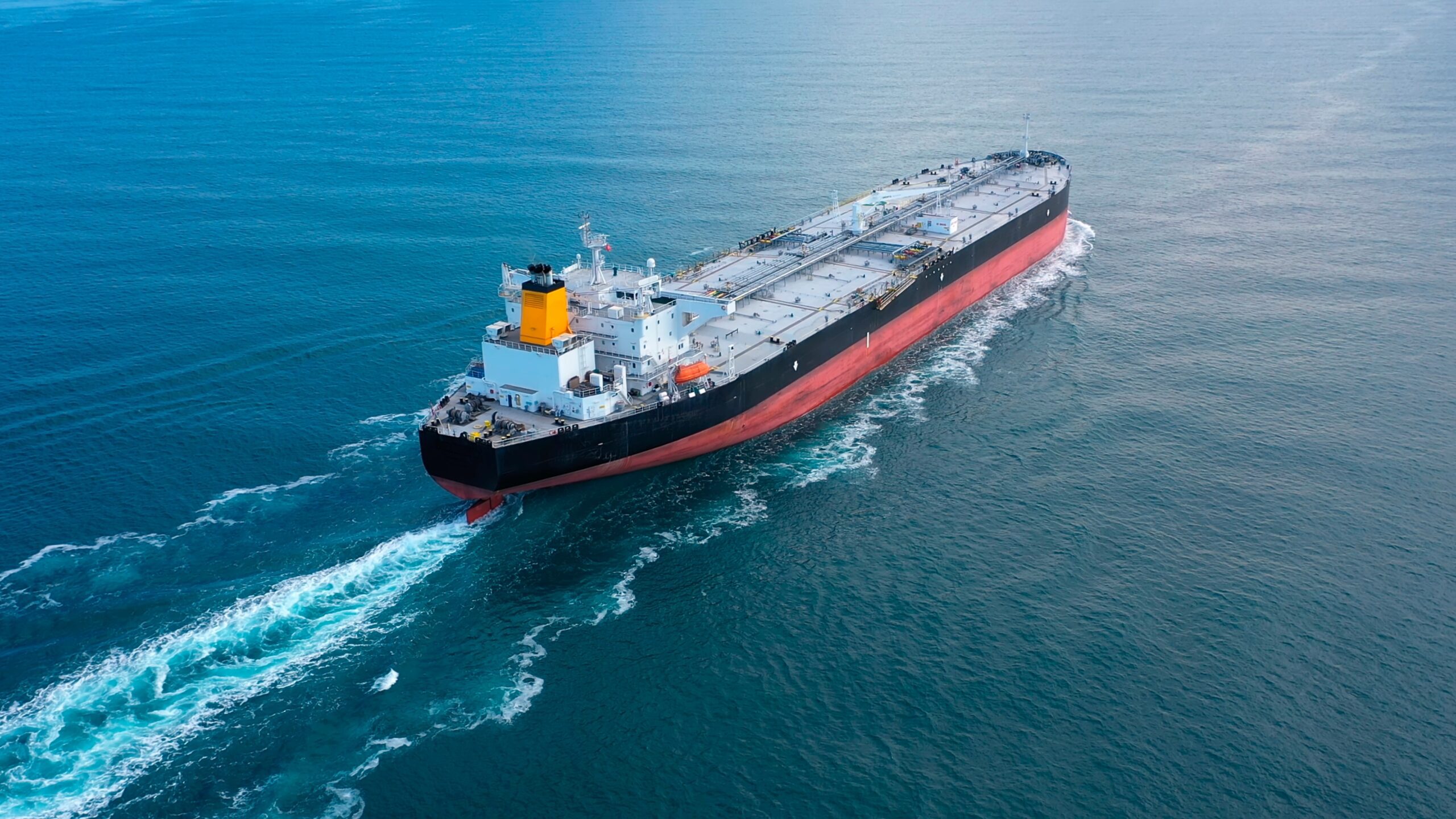
In a post on X, intelligence service provider Skytek, identified over 100 container ships, 450 oil and gas tankers and 200 bulk carriers currently inside the Strait of Hormuz.
Kpler data shows tankers have turned around in the region.
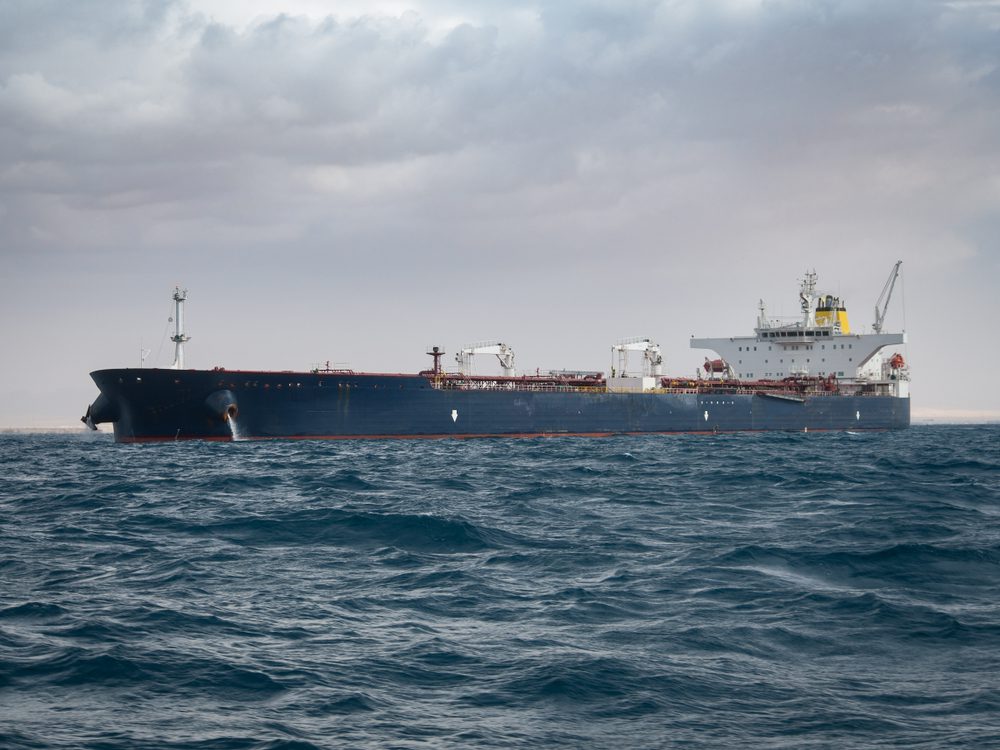
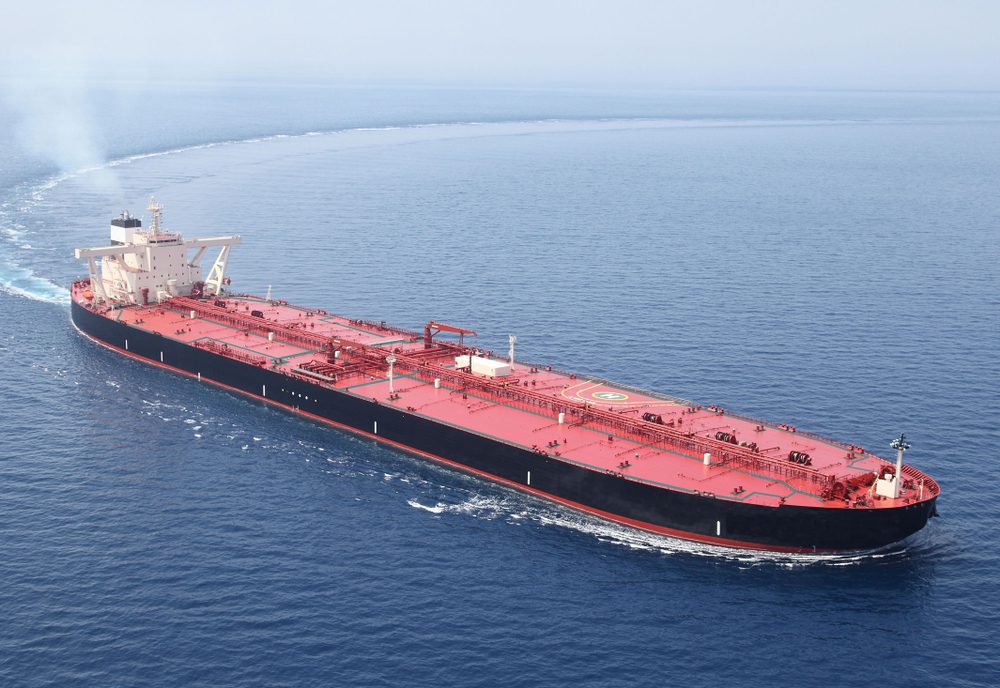
Four VLCCs appear to have diverted the area in the last few hours after the strikes: Orbiter, Universal Victor, Mitake, Trikwong Venture. All tankers were ballast. Collectively the tankers represent 1.1m MT (8m barrels) of crude that was scheduled to be loaded between March 3-7.
“So far we have noticed some spoofing activities taking place in the area, even though these are not widespread yet,” said Homayoun Falakshahi, Head of Crude Oil Analysis at Kpler. “We are also seeing some tankers being parked just outside of the entrance of the Persian Gulf and a lot of them stopping their movement from entering the Strait of Hormuz. Lots of tankers are just waiting outside the Gulf right now.”
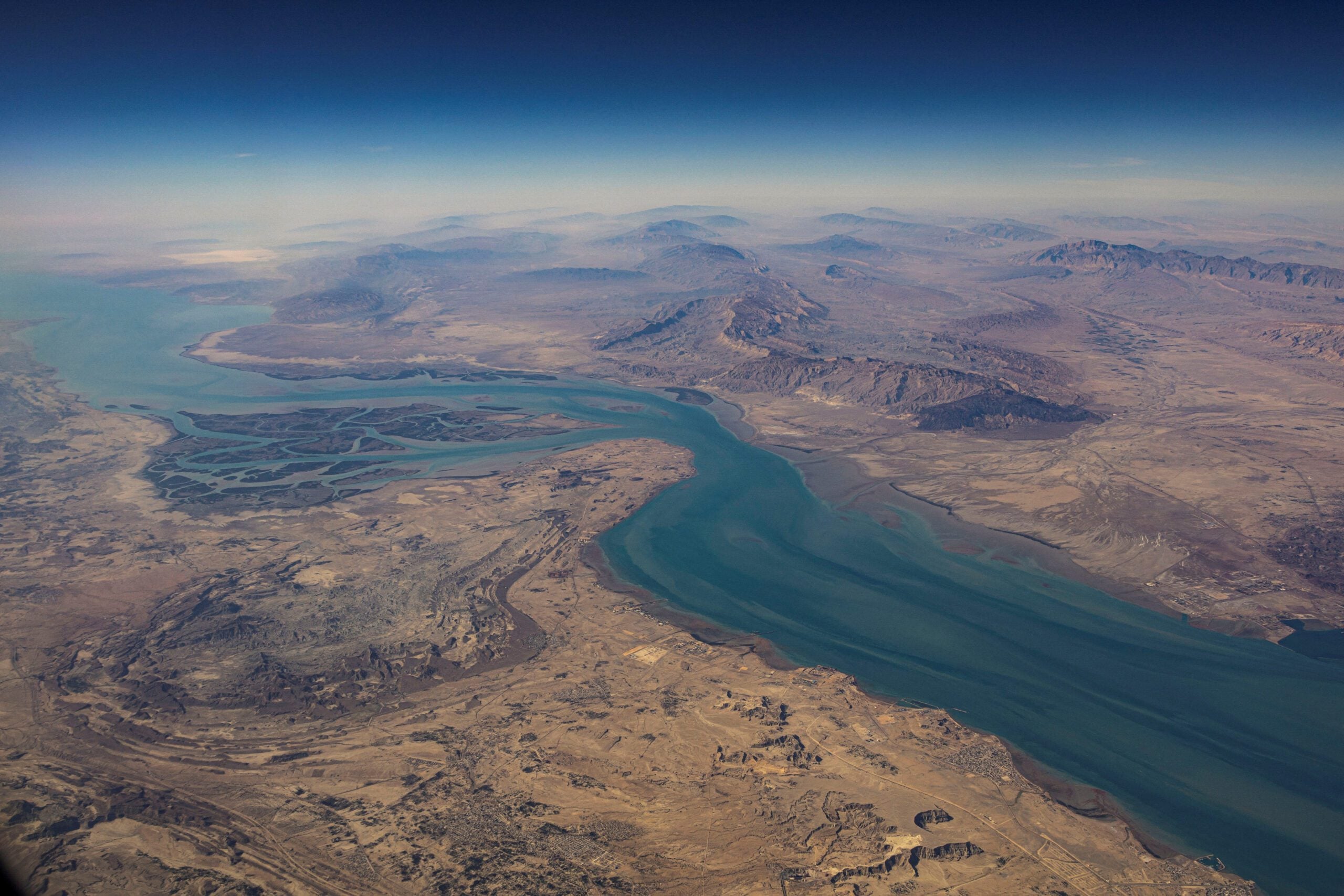
Widespread reports of the closing of the Strait of Hormuz closed are fueling the price of oil. Approximately 13 million barrels per day of crude oil was moved through the Strait of Hormuz in 2025. This vital stretch of waterway accounts for around 31% of global seaborne crude flows.
Kpler monitoring of the region tracked the safety measures of the tankers in the area.
At 10:00 UTC time (5am EST) two Global Navigation Satellite Systems (GNSS) spoofing cases detected near Iran. Four later (14:00 UTC) the Strait of Hormuz saw an approximate 20–25 percent drop in traffic.
“?From around 15:30 UTC (10:30 EST) onwards, the majority of vessels in the area either performed U-turns, began idling, or diverted toward alternative routes outside the Strait,” said Dimitris Ampatzidis, senior risk and compliance analyst at Kpler. “Compared to 10–12 hours earlier, overall traffic reduction in the region is already ~75%.”
Larsen said it is anticipated this closure will be short lived.
“Within a few days US air and naval superiority will eventually establish a level of security which will enable commercial shipping to resume transportation in and out of the Persian Gulf and adjacent waters,” said Larsen.
Vizion data 135K TEU were identified in transit in the region, with a total est. cargo value of just under $4B.
“For containers that are destined for the US or Europe: only 22K TEU, with an estimated cargo value of $877M, said Ben Tracey Vizion’s vice president of strategic business development.
In an Ambrey threat circular, the global maritime safety, security and operational support services group wrote, “Iran commences retaliation against early morning joint US-Iran strikes. Targets presently limited to military assets. Strongly affiliated shipping assessed to be at heightened risk is advised to shelter in territorial seas and avoid transits through the Persian/Arabian Gulf, Strait of Hormuz, southern Red Sea, and Gulf of Aden.”
The United States has established a maritime warning zone in the Persian Gulf, Gulf of Oman, North Arabian Sea, and the Strait of Hormuz.
“The establishment of the warning zone is intended to provide notice that dangerous military operations are taking place from within these locations and the U.S. Navy cannot guarantee the safety of neutral or merchant shipping,” explained Jakob Larsen, Chief Safety & Security Officer at BIMCO. “Commercial shipping is advised to navigate with caution and avoid navigation within this zone, if possible.”
In a note to clients, Xeneta’s chief Shipping analyst Peter Sand warned the military operation will further weaponization of trade.
“This shatters hopes of a largescale return of container shipping to the Red Sea in 2026,” said Sand. “Any plans for a phased return of container shipping to the Red Sea in 2026 will be shelved until the security situation becomes clearer.”
The increase threats of safety due to the security deterioration in the region has led to carriers CMA CGM and Maersk to recently announce its decision not to return traversing the Red Sea.
Sand said ocean freight rates that were collapsing at a global level are now ticking back up.
“What we have seen in Xeneta data is rising short term market rates through Strait of Hormuz for 10 days now. Trade lane: China to UAE,” said Sand. “Average spot rates from China to UAE have ticked up 5% since 15 February to stand at USD 1572 per FEU (40ft equivalent container), no doubt pushed up by concerns over the security situation and shippers being worried about their goods getting in and out of ports in the Persian Gulf.”
Sand warned with if the Persian Gulf becomes off limits, there is no viable alternative for containerships to call ports such as Jebel Ali so carriers will instead omit these calls on east-west services.
“Instead, the carriers will drop boxes at a least-worst alternative port for onward transportation by road,” explained Sand. “This will cause severe disruption and port congestion at a regional level, but will not have a major impact on a global scale when compared to the seismic influence of conflict in the Red Sea.”
Editorial Standards · Corrections · About gCaptain



 Members