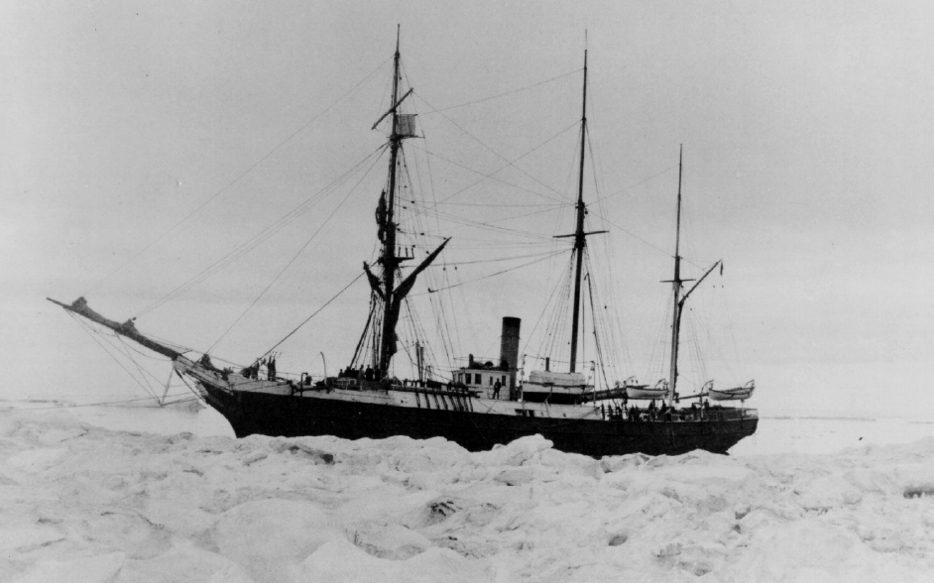
After decades of searching, researchers from the U.S. National Oceanic and Atmospheric Administration and Coast Guard have located the underwater shipwreck of the former U.S. Revenue Cutter Bear.
The wreck of the Bear, which was lost at sea in 1963, is located about 90 miles south of Cape Sable in Nova Scotia.
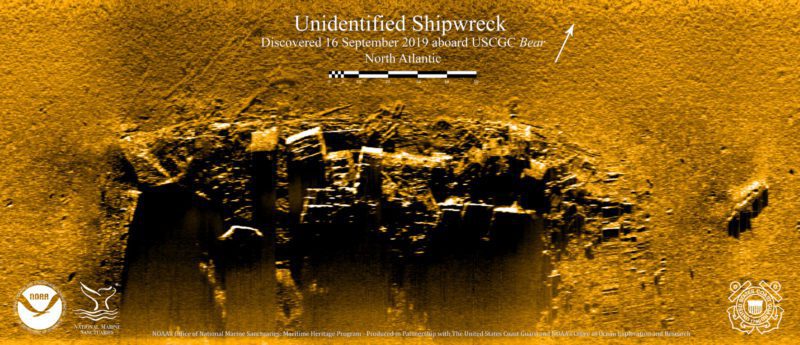
The shipwreck was one of two targets located during a 2019 expedition on board the USCG’s medium-endurance cutter Bear that NOAA researchers determined warranted further exploration. USCG and NOAA teams returned to the area earlier this year on the USCG’s ocean-going buoy tender Sycamore, this time with an advanced remotely operated vehicle (ROV) equipped with high-resolution underwater video cameras to to document the “unidentified wreck”.
The team was able to collect evidence to positively identify the wreck. A team of historians and archaeologists from the partner agencies responsible for review the data came to consensus that they are “reasonably certain” that the wreckage is indeed U.S. Revenue Cutter Bear.
A side scan sonar of the Bear shipwreck. Credit: NOAA/USCG
Considered one of the most historically significant ships in U.S. and Coast Guard history, USRC Bear was built in Scotland in 1874 and purchased by the U.S. government in 1884. Bear was originally put into service by the U.S. Navy during the Arctic search for the Greely Expedition, where she earned her initial fame as the vessel that rescued the few survivors of that expedition. In 1885, Bear was transferred from the Treasury Department for service in the Arctic as a Revenue Cutter, where she patrolled for 41 years.
Between 1886-1895, Bear was commanded by “Hell Roaring Mike” Healy, a name that continues to hold significance within the service. USCGC Healy was commissioned in 1999 and named in his honor. Healy recently completed a transit of the Arctic’s Northwest Passage, continuing the Arctic tradition.
After serving in the Greenland Patrols during World War II, the Bear was decommissioned in 1944 and later lost at sea while being towed to Philadelphia by a private party in 1963.
Researchers have been searching for the Bear since at least 1979. In 2007, a search was coordinated by the U.S. Navy but was ultimately unsuccessful. In recent years, NOAA and the U.S. Coast Guard have teamed up with other partners to locate the wreck site.
Operating under the Department of Treasury, the U.S. Revenue Cutter Service was established by Congress in 1790 and later merged with the U.S. Life-Saving Service to form the United States Coast Guard.
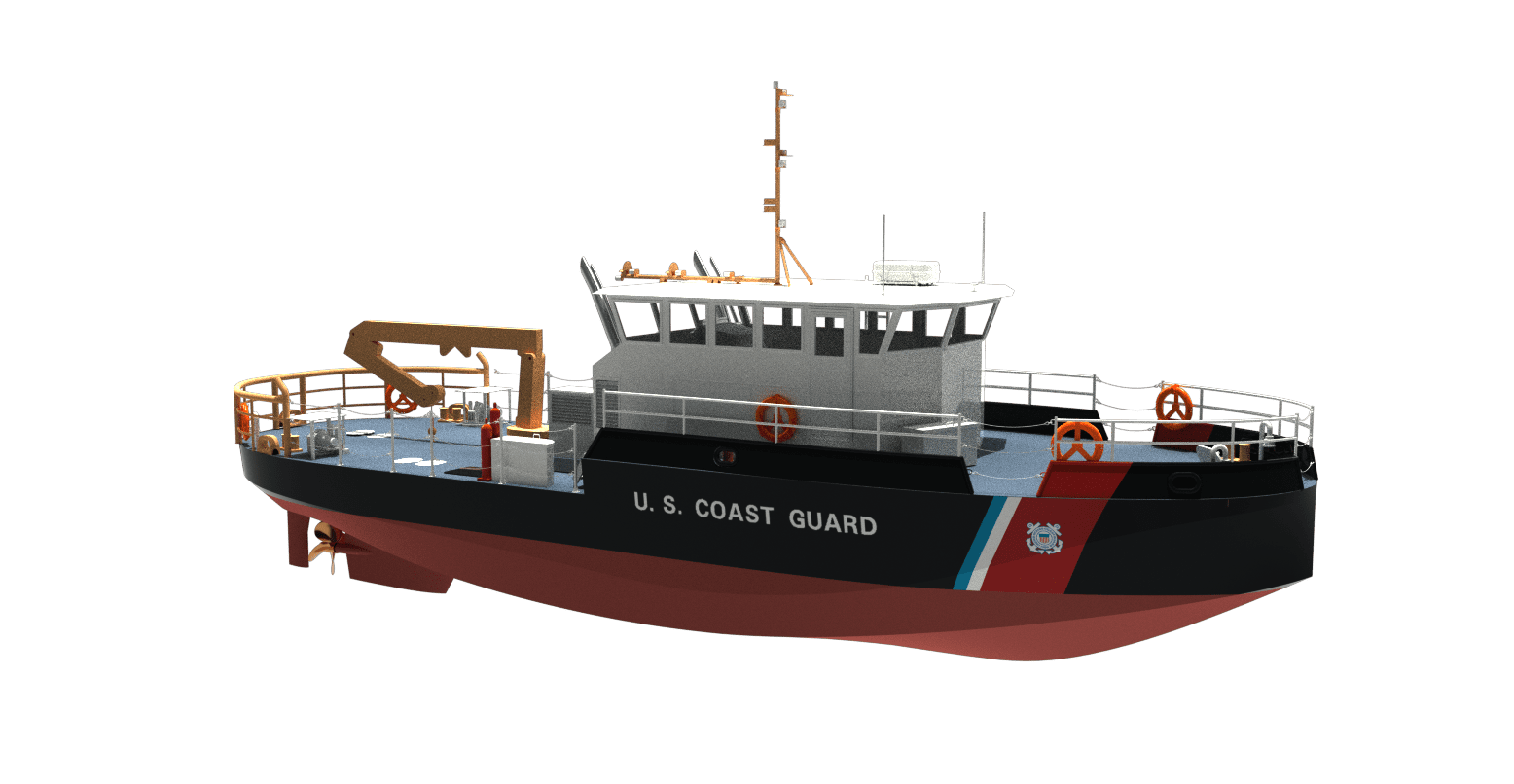
The U.S. Coast Guard has formally launched the procurement process for its next generation of light icebreakers, issuing a request for proposals (RFP) for up to seven Homeland Security Cutter-Light...
The United States has finalized contracts worth $3.3 billion for six new Arctic Security Cutters (ASCs), completing the procurement of the Coast Guard’s first major new medium icebreaker fleet in decades as one of the shipbuilders revealed construction on the lead vessel quietly began in April.
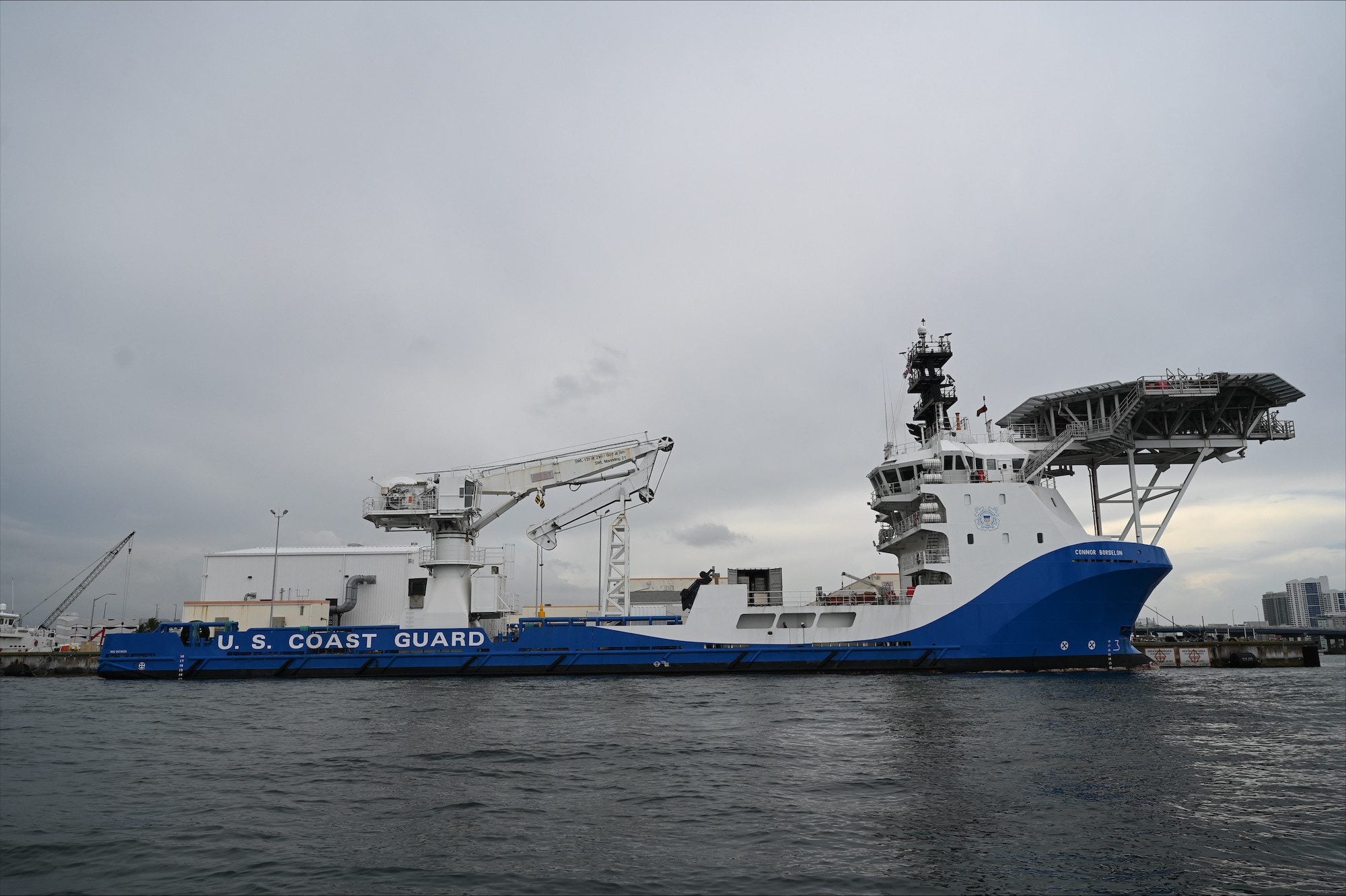
The U.S. Coast Guard is turning to the commercial offshore industry to strengthen logistics support for its cutter fleet, awarding a contract to Louisiana-based Bordelon Marine for the Connor Bordelon, a...
June 26, 2026
Total Views: 8580
Get The Industry’s Go-To News
Subscribe to gCaptain Daily and stay informed with the latest global maritime and offshore news
— just like 104,468 professionals
Secure Your Spot
on the gCaptain Crew
Stay informed with the latest maritime and offshore news, delivered daily straight to your inbox
— trusted by our 104,468 members
Your Gateway to the Maritime World!
Essential news coupled with the finest maritime content sourced from across the globe.

 Join The Club