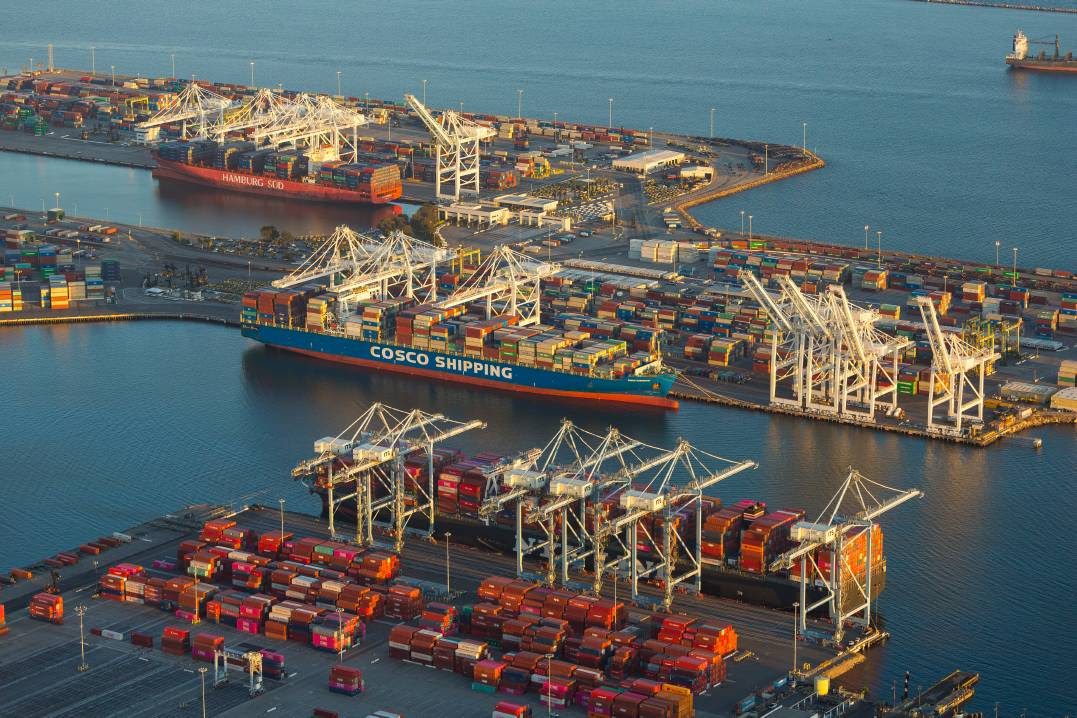
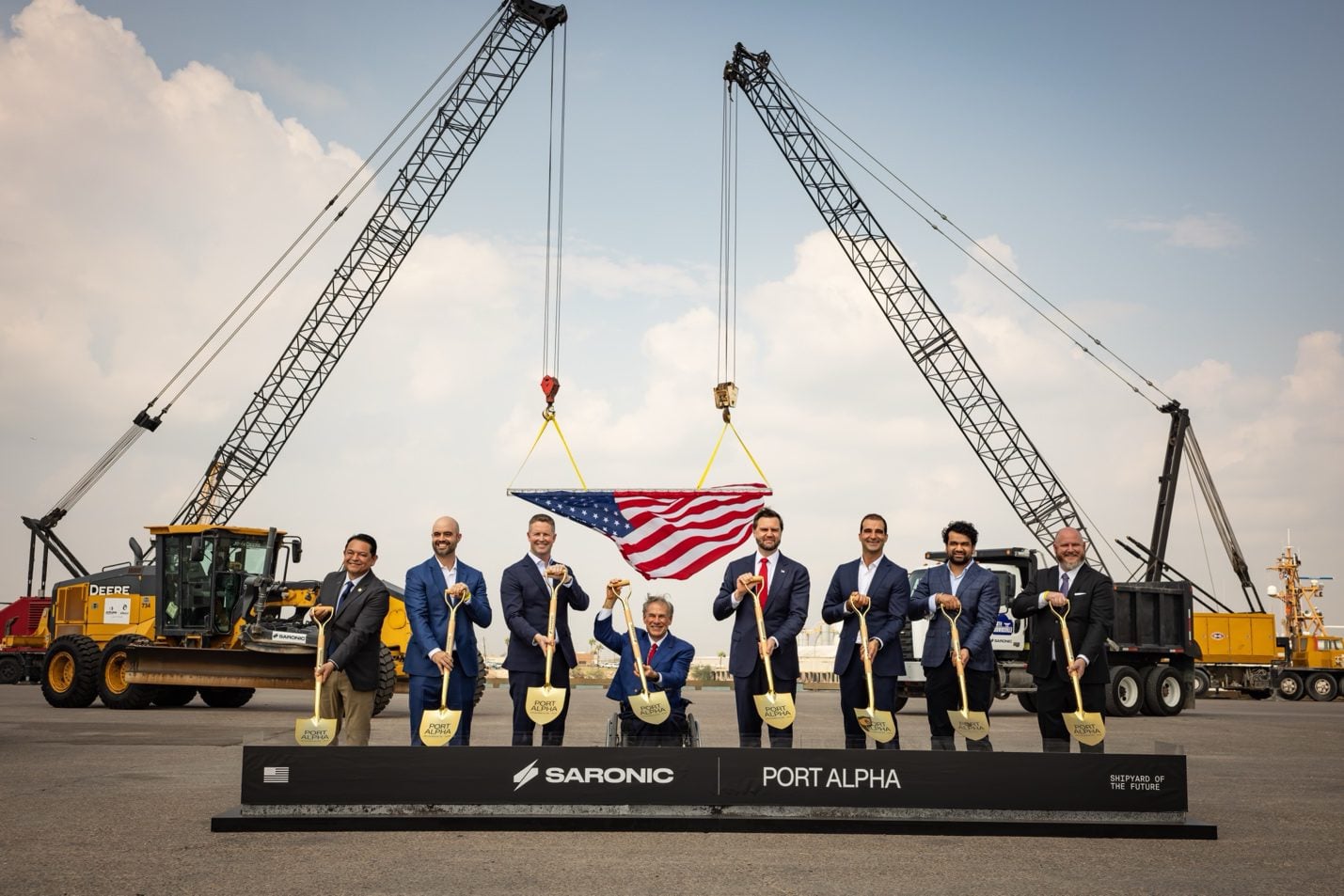
The SHIPS for America Act is back—and this time, it’s bigger, broader, and backed by a second companion bill aimed squarely at tax reform.
Introduced today by Senators Mark Kelly and Todd Young, along with Representatives Trent Kelly and John Garamendi, the 2025 version of the legislation builds on last year’s proposal to revitalize the U.S. Merchant Marine, rebuild domestic shipyards, and make U.S.-flagged vessels competitive again in global trade.
So what’s changed in this year’s bill?
For starters, the 2025 SHIPS for America Act splits into two coordinated efforts: the main bill focuses on maritime security and industrial capacity, while a companion bill—the Building SHIPS in America Act—adds powerful tax incentives to boost ship construction and investment in U.S. shipyards.
The legislation expands the Maritime Security Trust Fund, adding new revenue streams including penalties from the U.S. Trade Representative’s ongoing investigation into China’s domination of global shipbuilding and logistics. Tonnage tax penalties now apply not only to Chinese-flagged ships, but also to vessels owned by companies doing significant business with China State Shipbuilding Corporation (CSSC).
What’s in the SHIPS for America Act? Key Provisions to Restore U.S. Maritime Power
The new version also sharpens its protectionist teeth. Vessels repaired in Chinese yards would continue to face a 200% duty, but now repairs in other foreign countries would also face a new 70% duty—unless waived under strict new conditions. Foreign-built vessels will be barred from the Strategic Commercial Fleet starting in FY2030, a one-year extension from last year’s cutoff.
One of the more subtle changes: foreign vessels involved in accidents will still face enhanced liability, but the proposed penalty is now 5x the vessel’s value, down from 10x in the 2024 version.
Meanwhile, the tax code gets a significant overhaul. U.S. shipbuilders would benefit from a 33% investment tax credit, with bonus incentives for using U.S.-based insurers and classification societies. A new provision creates “Maritime Prosperity Zones”—offering capital gains tax exemptions for maritime industrial investments in designated regions.
Other updates include a national “Ship America” office and verification program to promote cargo moved on U.S.-flagged vessels, tighter restrictions on presidential authority to suspend shipping fees for foreign adversaries, and broader eligibility for workforce programs supporting U.S. mariners and shipyard workers.
The goal remains the same: expand the U.S.-flag fleet to 250 oceangoing vessels, strengthen sealift readiness, and reindustrialize America’s maritime sector. But the 2025 bill brings new muscle—especially in how it leverages trade penalties, tax reform, and federal purchasing power.
Whether the legislation can sail through Congress remains to be seen. But one thing is clear: the sponsors are doubling down on rebuilding U.S. maritime dominance from the keel up.

 Join The Club