Updated: May 2, 2023 (Originally published October 29, 2019)
StockStudio / Shutterstock
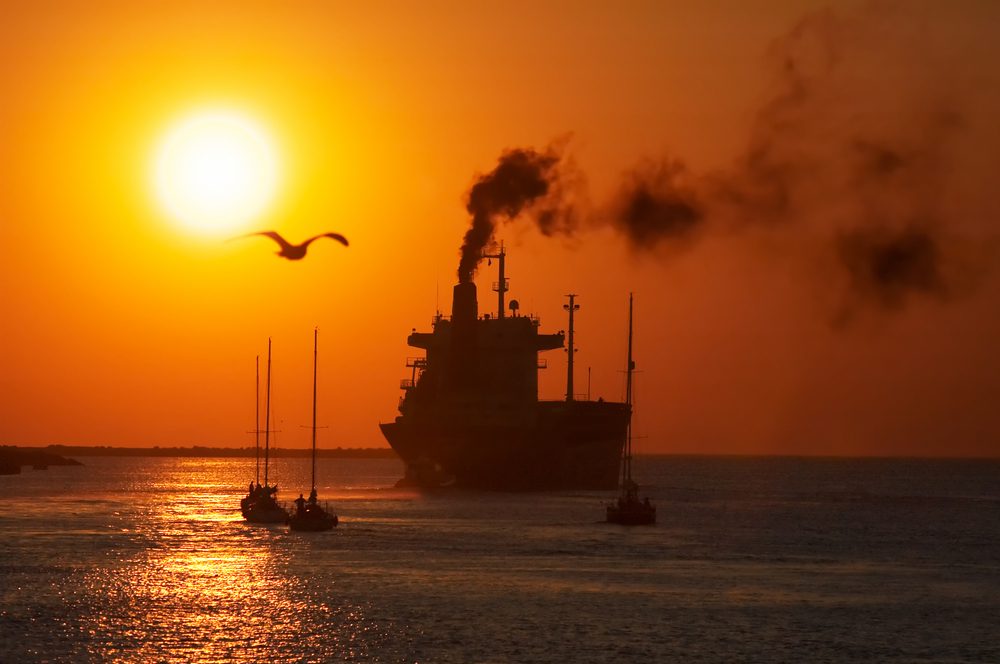
By Jonathan Saul LONDON, Oct 29 (Reuters) – Top shipping, retail and transport companies are looking to develop an alternative marine fuel which aims to reduce carbon emissions from ships, in another step to push the sector to go green.
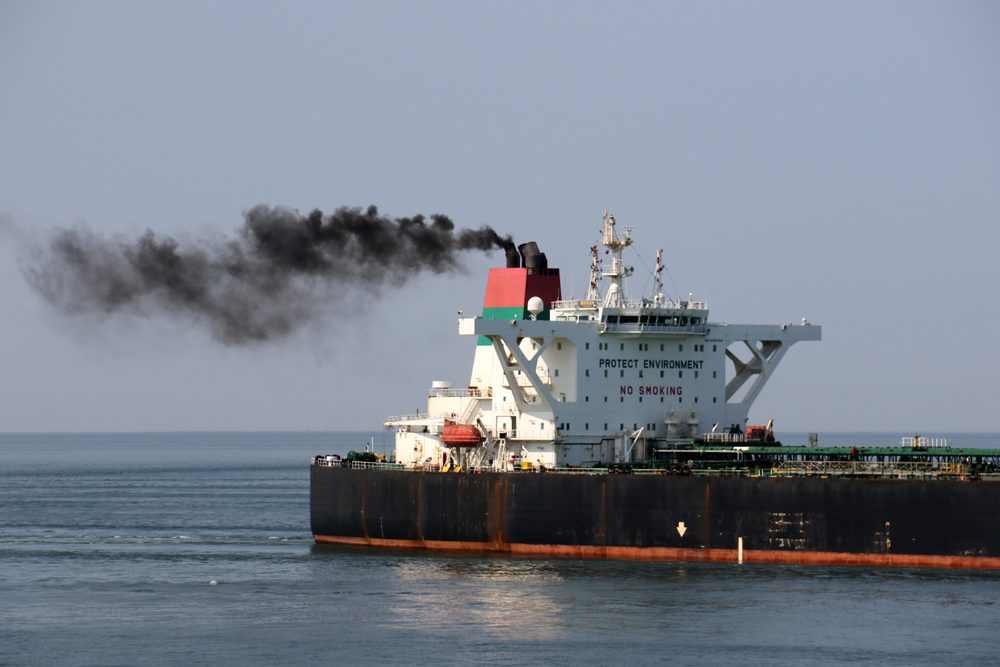
International shipping accounts for 2.2% of global carbon dioxide emissions, according to the International Maritime Organization (IMO), more than aviation’s 2% share.
Investor and activist pressure is prompting companies to look to speed up reducing the industry’s carbon footprint.
Denmark’s A.P. Moller-Maersk, which owns the world’s no. 1 container shipping line, has joined with Norwegian vehicle shipping group Wallenius Wilhelmsen, Swedish fashion retailer H&M, British retailer Marks & Spencer , denim apparel maker Levi Strauss & Co and carmaker BMW to look into testing an alternative fuel called LEO, which is a blend of lignin and ethanol.
Lignin, a low-value waste product from ethanol production typically burned for industrial power, can be dissolved in ethanol to create LEO.
John Kornerup, Maersk’s chief adviser for climate change, said LEO would enable the use of the inexpensive energy contained in the lignin waste product to produce a lower-cost, carbon-neutral fuel that can be burned on large marine engines.
“As such it has the potential to become a viable solution,” he told Reuters on Tuesday.
Copenhagen University is engaged in laboratory work on the fuel before the project moves to a test phase on small stationary engines in the second quarter of 2020.
Kornerup said depending on the success of further testing phases and on actual ships, the project could become operational in a couple of years. He declined to comment on how much would be invested in the initiative.
“Regardless the final outcome, this project will significantly contribute to the overall understanding of the issues and the potential solutions to shipping’s decarbonization challenge,” he said.
Lina Ödeen, sustainability manager with H&M Group’s global logistics, said it sourced the majority of its transport needs by sea to their warehouses.
“We believe we have to move towards other alternatives, such as biofuel, which is what is being developed under the LEO coalition,” Ödeen told Reuters.
Shipping companies are exploring solutions ranging from using high quality paint to working on infrastructure to enable zero carbon ships to be on the water by 2030, which is seen as the latest time to be ready for 2050 given that ships have a lifespan of up to 25 years. (Editing by David Evans)
Updated: March 15, 2021 (Originally published November 16, 2020) The global shipping industry is urgently calling on governments to move forward on a proposal for a $5 billion industry-financed research...
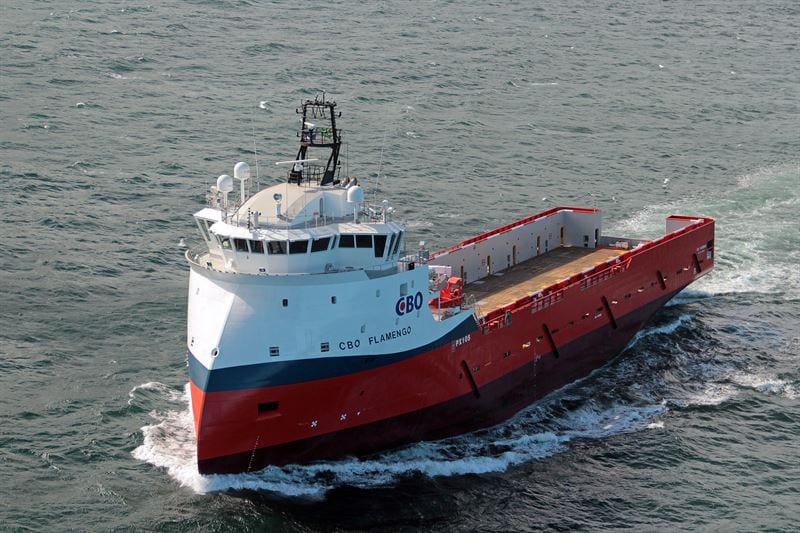
Updated: November 18, 2020 (Originally published November 11, 2020) The platform supply vessel CBO Flamengo is set to become the first offshore support vessel in Latin America to be converted...
By Jonathan Saul LONDON, Nov 11 (Reuters) – The shipping industry must act now in order to meet U.N. targets to cut carbon emissions by 2050, leading officials said on...
November 11, 2020
Total Views: 139
Get The Industry’s Go-To News
Subscribe to gCaptain Daily and stay informed with the latest global maritime and offshore news
— just like 107,249 professionals
Secure Your Spot
on the gCaptain Crew
Stay informed with the latest maritime and offshore news, delivered daily straight to your inbox
— trusted by our 107,249 members
Your Gateway to the Maritime World!
Essential news coupled with the finest maritime content sourced from across the globe.

 Join The Club





 By Jonathan Saul LONDON, Oct 29 (Reuters) – Top shipping, retail and transport companies are looking to develop an alternative marine fuel which aims to reduce carbon emissions from ships, in another step to push the sector to go green.