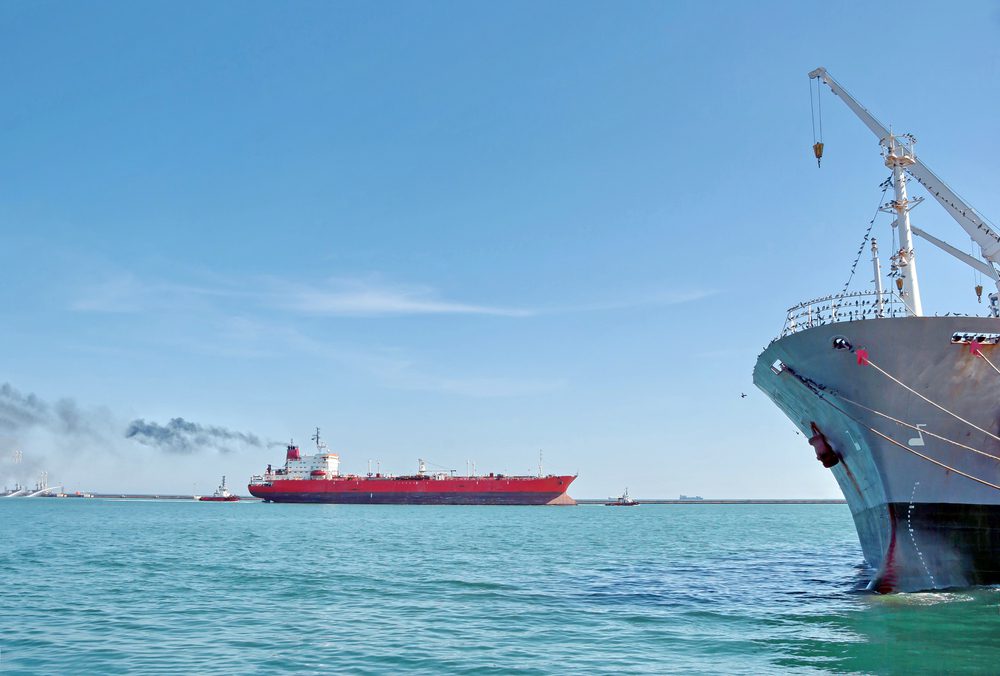
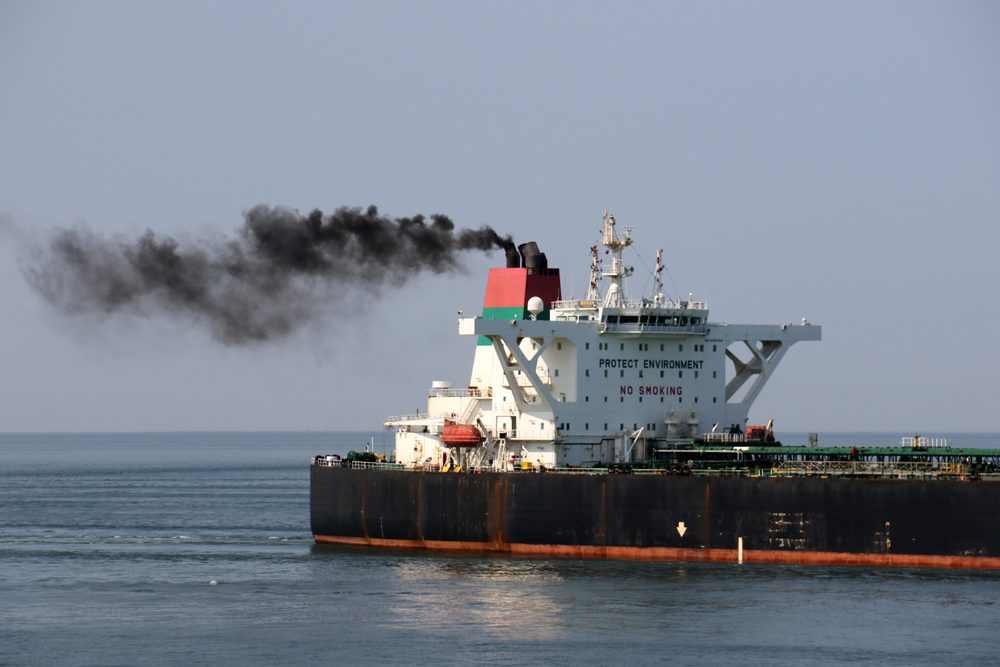
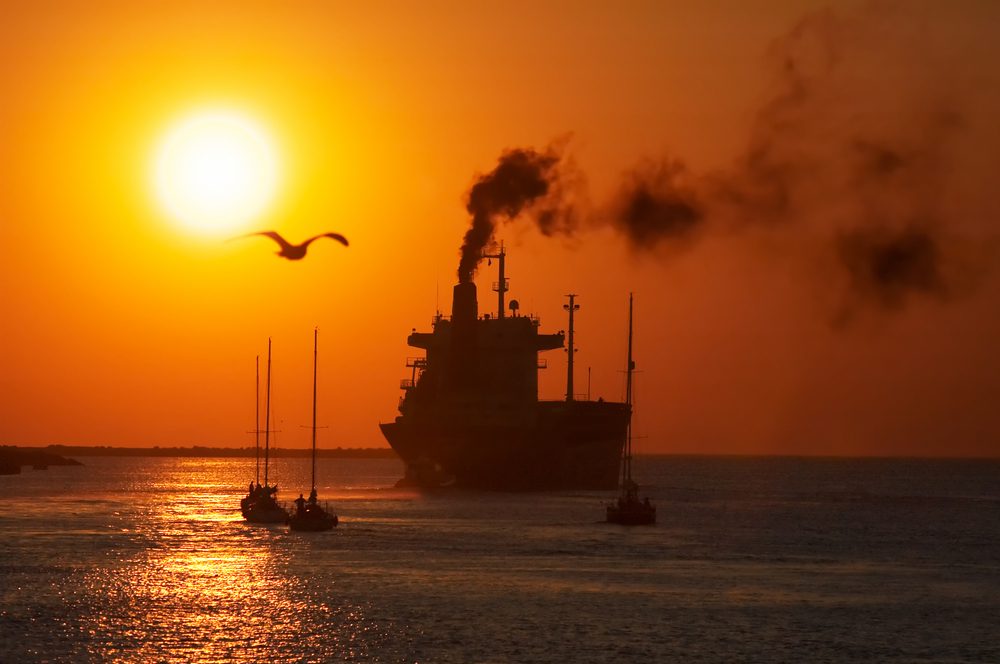
New data presented by researchers at Lund University and others in the journal Oceanologia shows that the air along the coasts is full of hazardous nanoparticles from ships, posing a greater threat to human health than previously thought.
According to the research, almost half of the measured particles stem from sea traffic emissions, while the rest is deemed to be mainly from cars but also biomass combustion, industries and natural particles from the sea.
“Nanoparticles can be hazardous to our health as they, because of their small size, can penetrate deeper into the lungs than larger particles contributing to both cardiovascular and pulmonary diseases,” Lund University said in their statement announcing the findings.
Adam Kristensson, researcher in Aerosol Technology at the Lund University Faculty of Engineering in Sweden and co-author of the Oceanologia, explains that to arrive at these results, he and his colleagues have studied the air flow from their measuring station in southern Sweden as it passes over the Baltic Sea, all the way to the measuring station on the Lithuanian coast. The wind often travels towards the east, and the particles can travel long distances before they are trapped in our lungs or washed away by the rain. They have also studied the air flow from a station in the Finnish archipelago towards the Lithuanian station.
“Previously, we thought that land-based pollution from northern European countries and emissions of natural particles from the surface of the sea accounted for a much larger proportion”, Kristensson says.
Particles from sea traffic in the North Sea and the Baltic Sea are expected to contribute to 10,000 premature deaths every year, but Kristensson stresses that this estimate is very uncertain, and believes that it is important to continue to conduct these types of measurements.
Check out the video below describing the research team’s work and the recent findings:
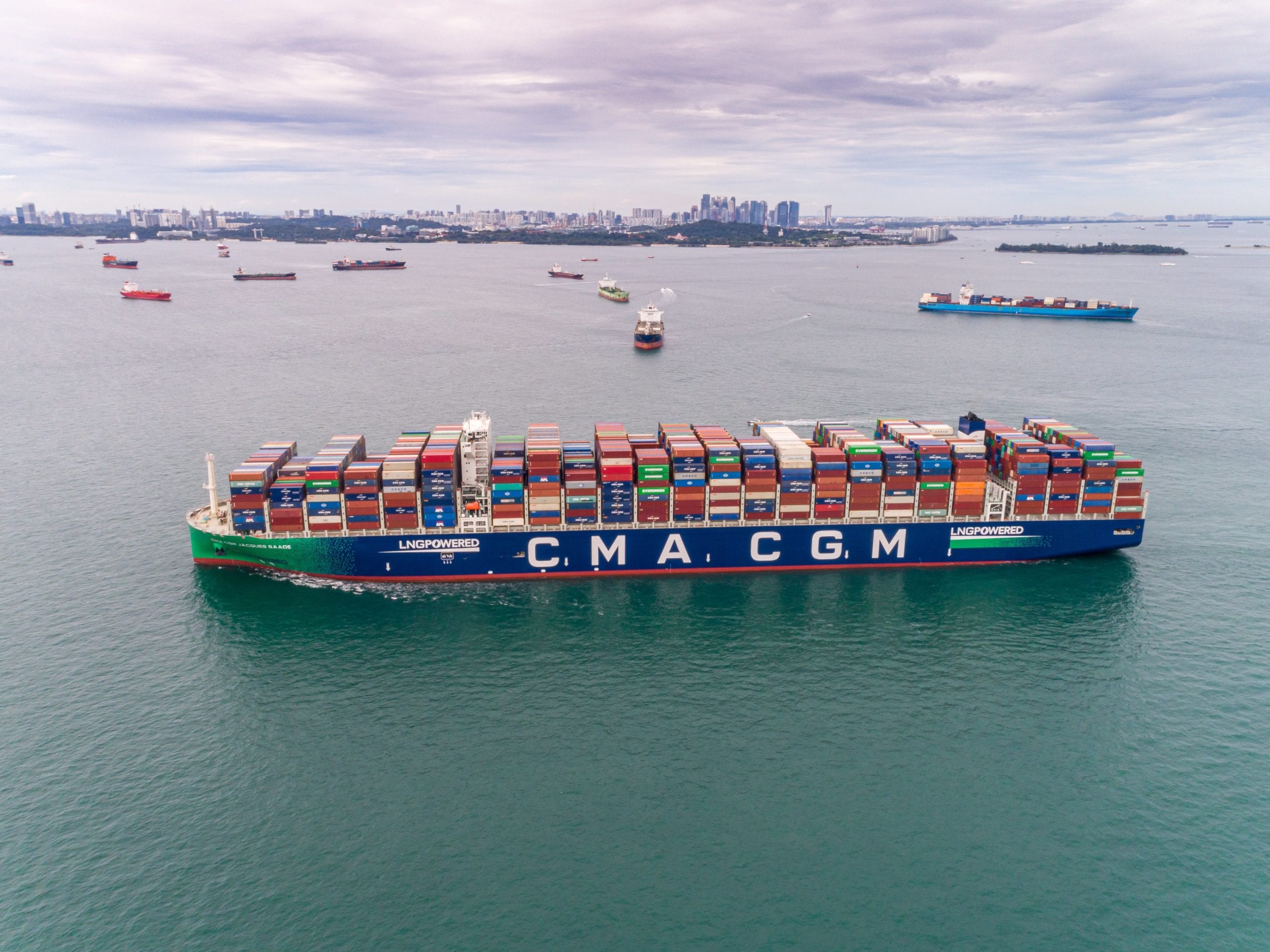
PARIS, Nov 12 (Reuters) – Container shipping group CMA CGM will expand its use of liquified natural gas (LNG) to 26 vessels, it said on Thursday, as part of efforts...
By Jonathan Saul LONDON, Nov 11 (Reuters) – The shipping industry must act now in order to meet U.N. targets to cut carbon emissions by 2050, leading officials said on...
By Barry Parker – Over the past year, “sustainability” has ratcheted upward to the top of the shipping industry’s radar. The activity will be ramping up now as the International...
November 6, 2020
Total Views: 707
Get The Industry’s Go-To News
Subscribe to gCaptain Daily and stay informed with the latest global maritime and offshore news
— just like 107,377 professionals
Secure Your Spot
on the gCaptain Crew
Stay informed with the latest maritime and offshore news, delivered daily straight to your inbox
— trusted by our 107,377 members
Your Gateway to the Maritime World!
Essential news coupled with the finest maritime content sourced from across the globe.

 Join The Club