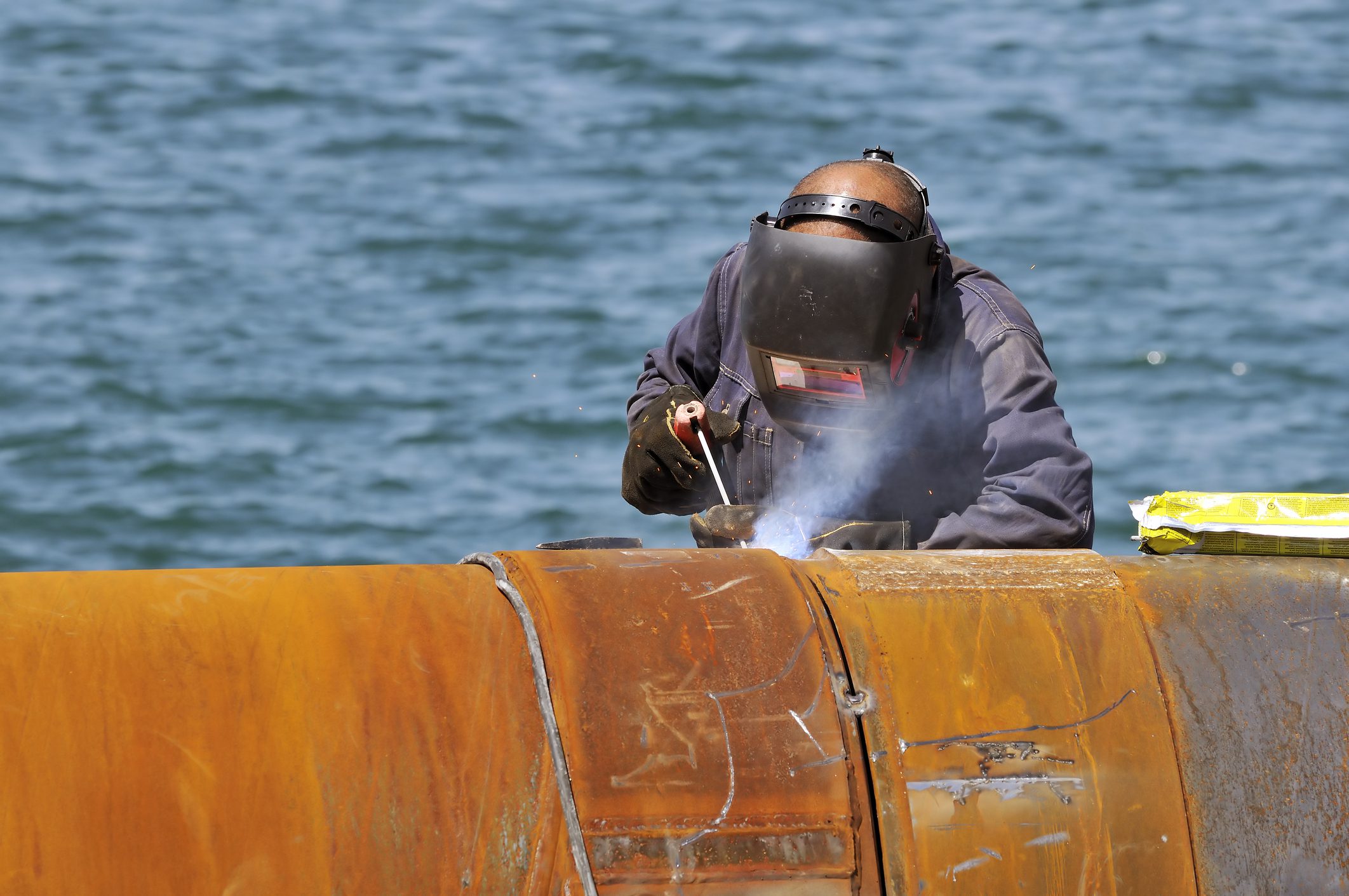
On a relatively mild November morning, a fire broke out on an oil platform about 12 miles off the Louisiana coast, sending a column of black smoke into the sky. Moments earlier, a team of workers had been performing welding on piping near the production deck when hydrocarbon vapors from nearby tanks ignited, triggering a series of explosions.
Three crew members were killed and several others were seriously injured.
This was not an isolated incident or an unpredictable act of nature. It was the result of poorly managed “hot work,” which the Occupational Safety and Health Administration (OSHA) describes as “any work that involves burning, welding, cutting, brazing, soldering, grinding, using fire- or spark-producing tools, or other work that produces a source of ignition.” Hot work must be performed in compliance with strict safety standards for the well-being of everyone nearby.
A Bureau of Safety and Environmental Enforcement (BSEE) investigation later uncovered several critical failures: to perform a pre-work inspection, to designate a fire watch, and to secure a proper hot work permit, among others.
In this real-life disaster, which occurred in 2012, the consequences were tragic. But the dangers of hot work weren’t new then—and they haven’t gone away since.
What Is Hot Work Offshore?
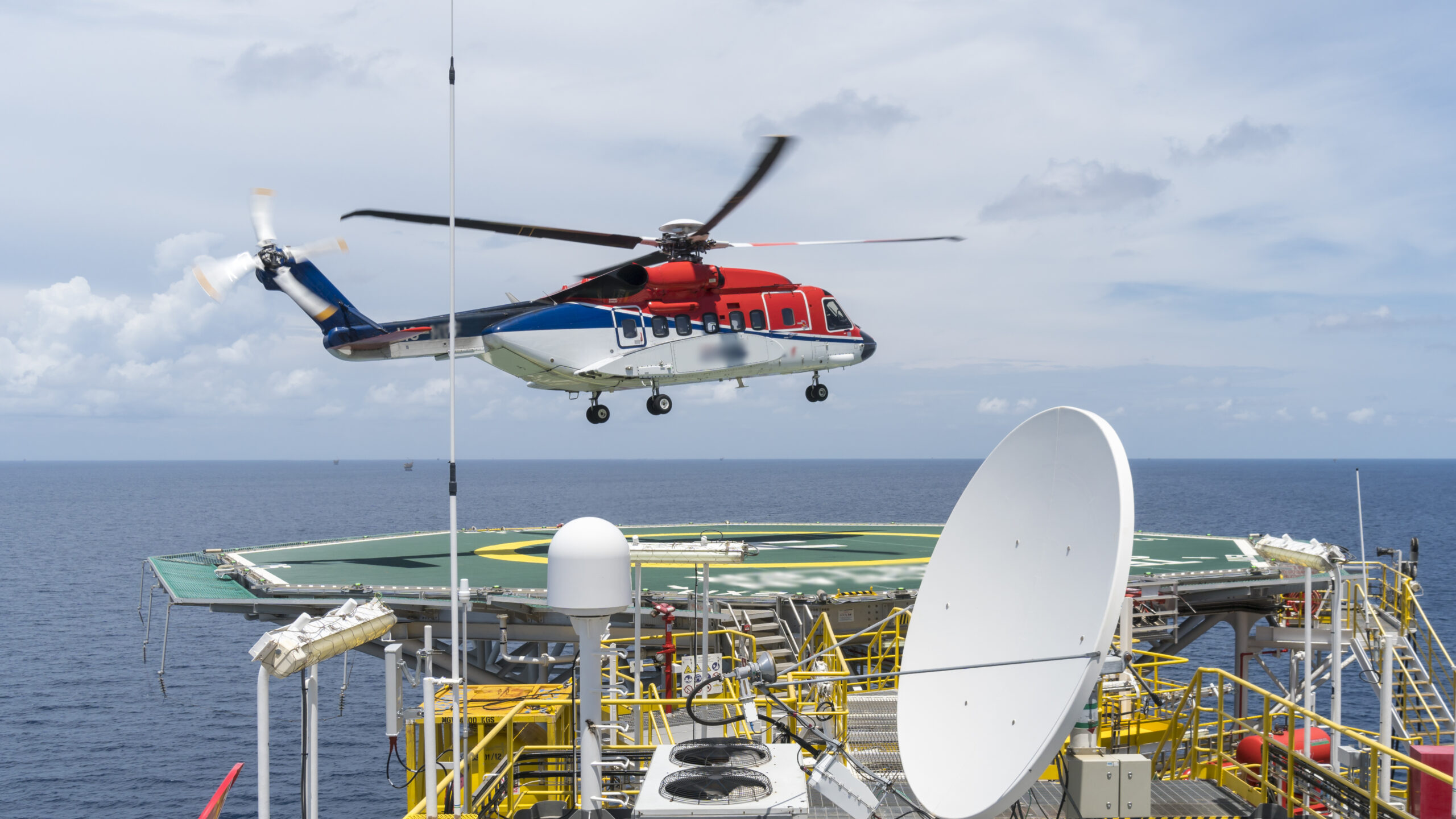
On offshore oil and gas facilities, hot work is a daily necessity. Welders and pipefitters cut and join metal to build and repair the skeletal infrastructure of rigs and platforms. They may be found welding deck equipment on a drilling rig, cutting pipe on a production platform, or grinding steel in a shipyard constructing offshore modules. These skilled workers keep oil and gas facilities running by fabricating new pipelines, repairing damaged structural beams, and performing maintenance on vessels and platforms. It’s demanding, high-risk labor in an already hazardous environment, and it’s absolutely necessary to the industry.
Despite training and protective gear, welders and pipefitters face extreme dangers on the job. Welding is often cited as the most dangerous occupation in the construction sector, which itself is known for high fatality rates. One industry analysis by Industrial Safety & Hygiene News found that approximately 1 in 250 construction workers will die from a welding-related injury.
Offshore, the stakes are even higher. Crews work atop volatile fuel sources, surrounded by heavy machinery and pressurized systems. Even though oil rigs are surrounded by water, fire is a constant threat because of the fuels and gases on board. A single stray spark can have devastating consequences—and help may be an ocean away.
Invisible Hazards: Vapors, Fumes & Confined Spaces
The greatest dangers of offshore hot work are often the invisible ones. By nature, welding and cutting involve intense heat that can ignite any flammable vapor in the vicinity—and those vapors are usually unseen. On oil rigs and production platforms, flammable gases can seep from tanks, piping, or vents without obvious warning. In the November 2012 explosion, leaked hydrocarbon vapors were ignited by the welding work.
The U.S. Chemical Safety Board (CSB) has investigated numerous accidents where workers didn’t realize they were welding in a flammable atmosphere until it was too late. In one case, three workers were killed in a Wisconsin paper mill after welding above a storage tank that unknowingly contained combustible hydrogen gas. In another, an explosion of a massive gasoline storage tank killed three workers at a fuel distribution facility in Arkansas. In Ohio, two contractors were killed when hot work ignited flammable gas.
“Hot work around flammable gas or vapor is one of the most common causes of worker deaths that we see at the Chemical Safety Board,” noted a CSB board member. “Tragically, most of these accidents are readily preventable with better hazard assessments, proper gas monitoring and other straightforward safety measures.”
In almost every hot work disaster, the underlying cause is the presence of flammable gas or vapor that went undetected until ignition.
Confined spaces are another significant—and often hidden—concern. Tanks, vessel holds, and platform compartments can trap flammable vapors and expose workers to toxic fumes or low oxygen levels. Welding inside a confined space concentrates hazardous gases produced by the work itself. The heat can cause nearby residues to emit vapors, and the welding process releases fumes that a worker cannot escape in a tight enclosure.
A minor spark in a poorly ventilated compartment can trigger a fuel-air explosion with the force of a bomb. Even when no explosion occurs, welders in tight spaces risk suffocation or poisoning if proper ventilation and gas checks are not in place. The CSB found that a “common feature of virtually all these accidents is the failure to recognize all the locations where a flammable atmosphere could be present. The absence of flammables needs to be verified before and during any hot work.”
Continuous air monitoring is critical, especially in confined or enclosed areas, to detect dangerous gases or oxygen depletion. Without this safeguard, welders are essentially working blind to a threat that could claim their lives in an instant.
Hot Work Permits, Fire Watches & Other Safeguards
Offshore, industry regulations and company policies have strict requirements to make hot work as safe as possible. In U.S. waters, the BSEE mandates a comprehensive hot work program for offshore facilities. Title 30 CFR 250.113 lays out detailed procedures that must be followed when welding or cutting on a platform.
Before any hot work begins, a supervisor or designated person in charge must:
- Inspect the job site;
- Test for hazards; and
- Issue a written hot work permit declaring the area safe.
The work area (and any areas below it) must be cleared of flammable materials or residues. Any equipment that once contained oil or gas, such as pipes, tanks, or vessels, must be either completely drained and purged or rendered inert (filled with nonflammable gas or water) before welding can occur. While hot work is underway, regulations require continuous monitoring for combustible gases, and all wells or production in the vicinity should be shut in if welding is occurring nearby.
A dedicated fire watch must be posted: one or more workers whose sole duty is to watch for any sparks or fires during the hot work. Fire watch personnel must be equipped with firefighting gear and remain vigilant throughout the job and for at least 30 minutes after welding stops, to ensure no smoldering fires erupt.
These safeguards are well-known and have been standard in the industry for years. On paper, they should prevent virtually all hot work accidents. However, the litany of past incidents shows how reality often falls short of expectation.
Where Things Go Wrong
Hot work safety measures are only effective when they are actively enforced, and that’s where many systems break down:
Hot work permits can become more of a formality than a meaningful safety step. In the November 2012 explosion, investigators found that the designated person in charge had stopped conducting daily safety meetings and had largely delegated the hot work permitting process. On the day of the incident, there was no fire watch, no one confirmed that a safety check had been performed, and the hot work permit that was issued did not list the welding site as an area that was safe for hot work.
Gas testing may be neglected or done haphazardly. Even though portable gas monitors are relatively inexpensive and readily available, there is no federal OSHA standard explicitly requiring their use in every hot work job. Crews may start welding or other hot work without initial and continuing confirmation that the area is vapor-free.
Fire watch requirements may be minimized or ignored completely. Regulations say fire watch personnel must have no other duties and be fully focused on the task, but a 2023 BSEE review uncovered permits where the same person was listed as performing the welding and serving as fire watch, an obviously dangerous conflict. In some instances, no fire watch was present at all.
Other basic precautions may be skipped. Standard safety steps like removing or shielding flammables may be skipped when crews are under pressure. In the same 2023 review, BSEE inspectors found multiple sites where hot work was conducted within 35 feet of operating hydrocarbon equipment, with flammable clutter (like cardboard boxes) nearby. They even documented an incident where hot slag from a cutting torch burned through a barrier and ignited the wood subfloor of the crew’s living quarters, causing a fire that spread through the facility.
These failings put every person on an offshore rig at risk.
By the Numbers: Hot Work Accidents & Offshore Injuries
Offshore oil and gas work is already a high-risk undertaking, and hot work incidents are a significant part of that risk. According to BSEE data (which may be widely underreported), there were 4,474 offshore incidents reported in U.S. waters, resulting in 1,654 injuries and 23 worker deaths from 2012 through 2020. Over 93% of these incidents occurred in the Gulf, the nation’s busiest offshore region.
Hot work accidents—fires and explosions sparked by welding or cutting—have the potential to cause catastrophic harm. A single explosion can claim multiple lives on an offshore platform or rig.
On land, hot work hazards are a leading cause of industrial fires. The National Fire Protection Association (NFPA) found that U.S. fire departments responded to an average of 3,396 structure fires involving hot work every year from 2017 to 2021, causing 19 civilian deaths and 120 civilian injuries annually. According to the Bureau of Labor Statistics (BLS), welding accidents cause more than 500,000 worker injuries each year, and in a 2010 study, the CSB identified over 60 fatalities since 1990 just from explosions and fires ignited by hot work on tanks and similar equipment.
These numbers show that the dangers of hot work are neither rare nor confined to one industry. They are persistent, spanning oil platforms, refineries, shipyards, factories, and more. Particularly along the Gulf Coast, which is home to countless oil installations and industrial facilities, workers face some of the highest exposure to hot work risks.
Spotlight on Underwater Welding
When it comes to hot work in the offshore industry, not all welding happens topside. A critical subset of welders apply their trade underwater—beneath drilling rigs or on subsea pipelines and structures. Underwater welding combines all the inherent risks of welding with the hazards of deep-sea diving, making it arguably the most dangerous welding job of all. In fact, underwater welding has been cited as the deadliest job on the planet.
Underwater welders, who are also commercial divers, might be repairing the legs of an offshore platform, cutting away damaged sections of an underwater pipeline, or performing maintenance on a ship’s hull. They must do these things in a hostile environment: limited visibility, extreme water pressure, often in cold or turbulent seas, with only the equipment on their backs and their tether to their diving bell to keep them alive. Any emergency can rapidly become fatal due to the difficulty of rescue.
Offshore Crews Deserve Better
Welders, pipefitters, electricians, engineers, and others who perform hot work on offshore platforms deserve our respect and the assurance that their employers and industry leaders are doing everything possible to protect them. Every hot work project should be performed under the watchful eye of a safety system that treats every spark as potentially lethal—because it is. From the Gulf to port cities across the country, we owe it to these essential workers to demand accountability and improvement when safety falls short.
What does that mean in practice? It means companies must foster a safety-first culture from top to bottom, where cutting corners is never acceptable. It means the right training and equipment, plus empowerment for workers to speak up if conditions are unsafe (without fear of reprisal).
Offshore crews already work in some of the harshest environments on Earth—they shouldn’t have to risk their lives because hot work was rushed or poorly managed.
###Since 2004, Arnold & Itkin has represented workers and families across the United States who have had their lives upended by maritime accidents. The firm is recognized as a national leader in maritime law, setting and breaking records time and again for settlements and verdicts in these and other complex catastrophic injury and wrongful death matters nationwide. When disaster strikes, Arnold & Itkin stands ready to help injured seamen and their families find justice. No matter the odds. No matter the challenges. No matter what.
Editorial Standards · Corrections · About gCaptain

 Join The Club