(Bloomberg) — Saudi Arabia’s observed crude exports last month slumped to the lowest in at least nine years, as tankers were attacked following rising tensions in the Middle East.
The kingdom’s oil exports were about 3 million barrels a day in August, tanker-tracking data compiled by Bloomberg, Vortexa and Kpler show. The number, the lowest in records going back to early 2017, chimes with the assessment of crude traders and a person familiar with Saudi operations.
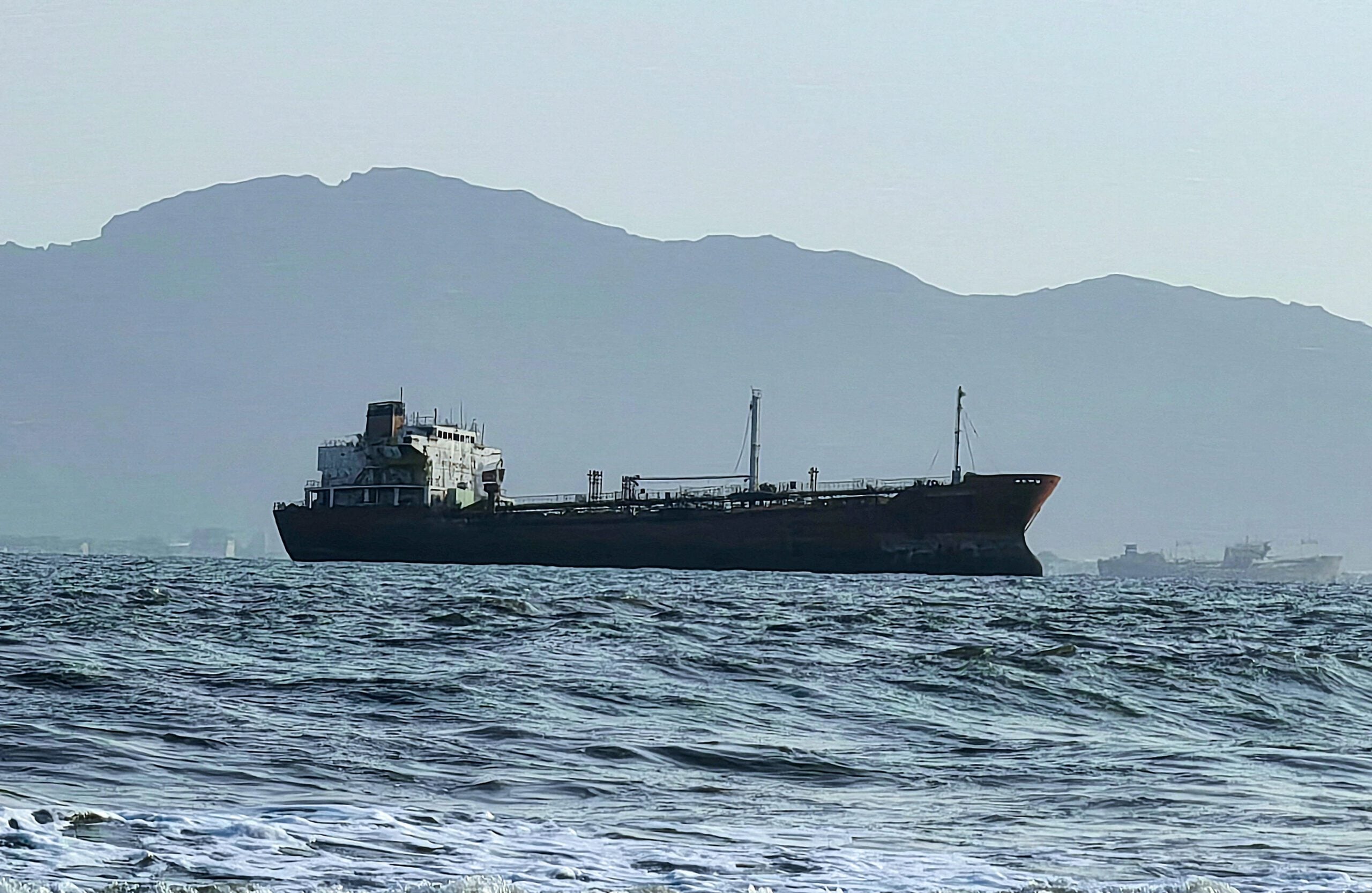
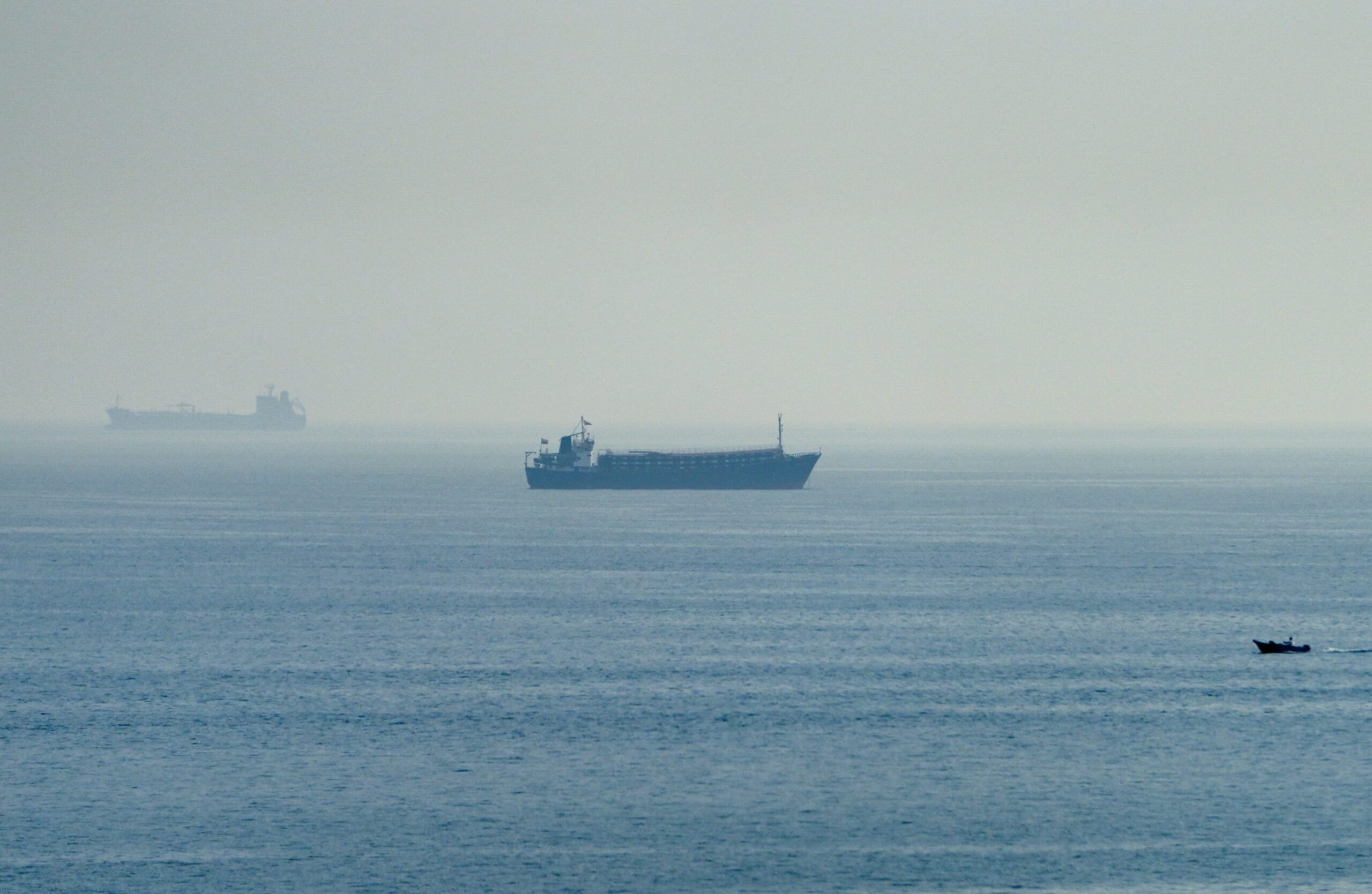
Saudi ships have come under attack in the Red Sea from Yemen’s Houthi militants, threatening shipments on a route that the kingdom has been using throughout the war to avoid the fiercely contested Strait of Hormuz. Two more tankers carrying Saudi crude were hit by projectiles in the strait this week amid the latest hostilities between the US and Iran. One of the vessels attacked was owned by the country’s shipping arm Bahri, which said that two seafarers were killed.
The continuing attacks are spooking Saudi Arabia’s customers, some of whom have now become reluctant to use the kingdom’s Red Sea ports. That’s forced Riyadh to look at alternative voyages all the way around Africa, which add thousands of miles and further disrupts global supply chains already strained by six months of conflict in the region.
Saudi Arabia was able to quickly switch its oil exports to its Red Sea coast soon after the war started in late February and Iran effectively shut Hormuz, the gateway to Riyadh’s oil terminals on its Persian Gulf coast. The shipments were crucial in blunting an oil price surge and helped to shield economies from an inflation spike. Exports through the west coast port of Yanbu climbed to about 4.3 million barrels a day in June compared with about 770,000 barrels a day in January, according to tracking data compiled by Bloomberg.
They eased to 3.7 million barrels a day the following month, as the Houthis announced a blockade on Saudi shipping, and dropped further to roughly 2.25 million barrels a day last month. Meanwhile, exports through the Persian Gulf that recovered slightly to about 800,000 barrels a day in July fell back again in August.
The latest monthly figures are provisional and may be revised as more dark transits and related ship-to-ship transfers are identified. Saudi Aramco declined to comment on the numbers while the energy ministry didn’t respond to a request for comment.
The decline comes as a setback for both the kingdom and global markets. There were signs last month that oil loadings were starting to increase from the giant Ras Tanura terminal on the Persian Gulf coast, with satellite images showing a cluster of four tankers loading. It was adding to supply coming out of Iraq and Kuwait, while the United Arab Emirates was successfully shuttling cargoes out through Hormuz.
But tensions in the region have ratcheted higher this week after the US attacked military targets in Iran and the Islamic Republic retaliated by firing projectiles toward other Gulf states that host American bases. That helped to push crude oil prices in London back above $95 a barrel, the highest since late-July, and to stoke concerns about inflationary impacts and possible interest rate hikes.
© 2026 Bloomberg L.P.

 Join The Club