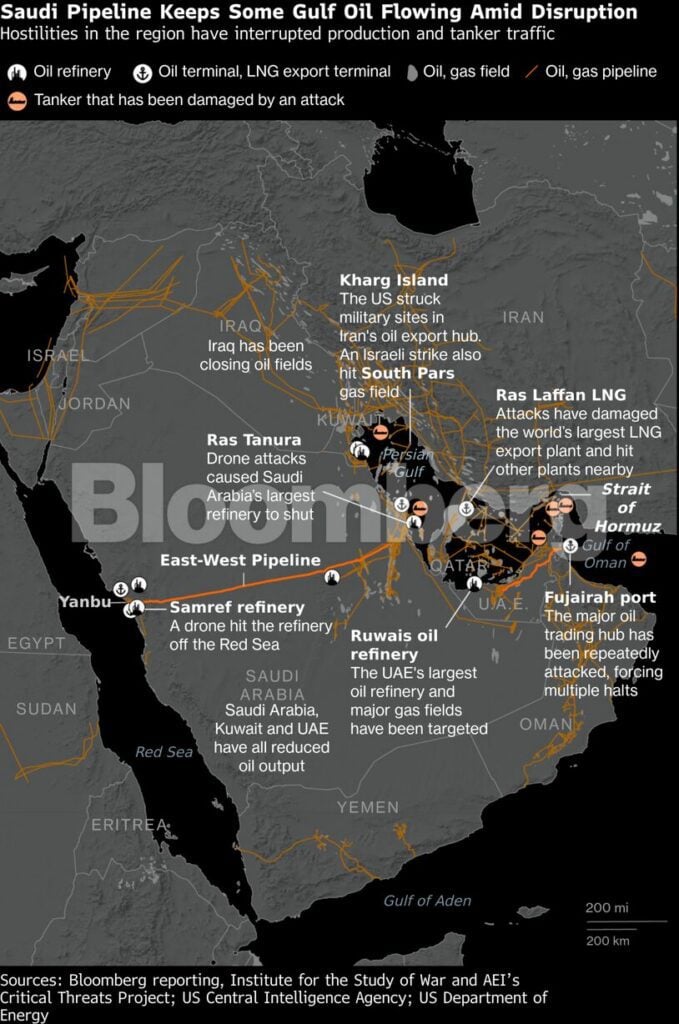
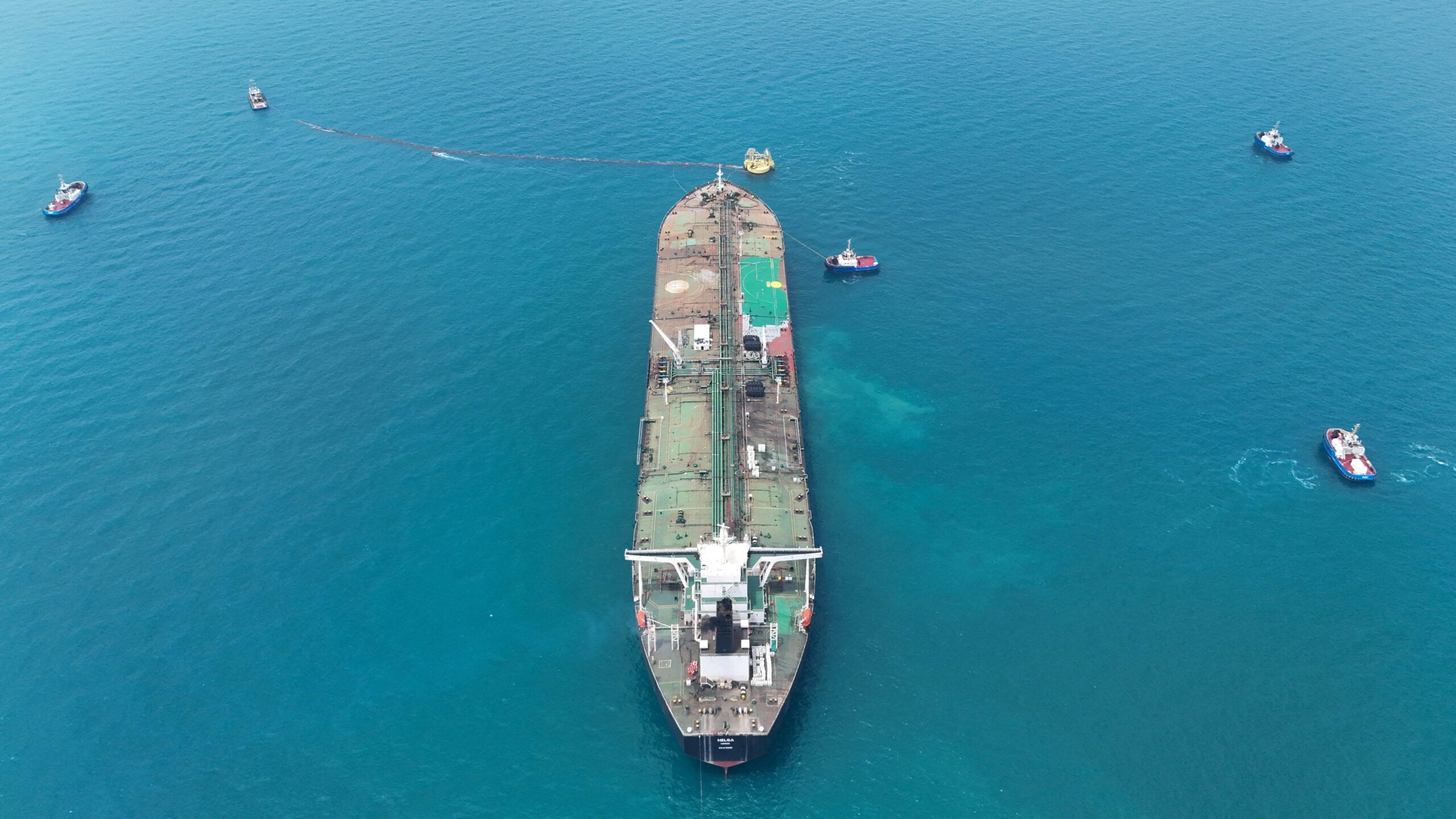
Apr 12, 2026 (Bloomberg) –Saudi Arabia has restored the full pumping capacity of its East-West pipeline to 7 million barrels a day, rehabilitating a vital link for oil exports via the Red Sea.
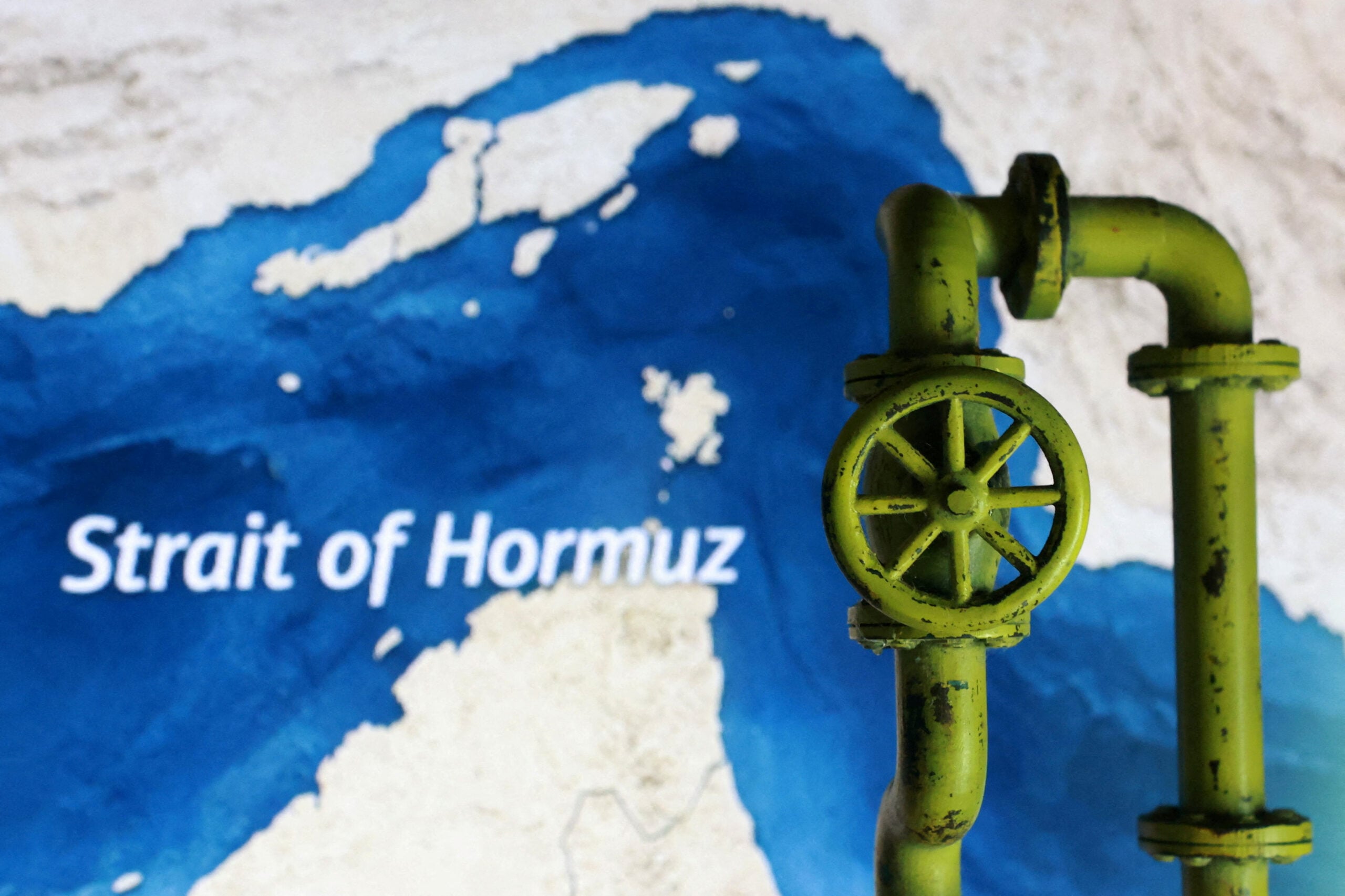
A strike last week — hours after a ceasefire was declared in the Iran war — damaged one of 11 pumping stations along the 746-mile (1,200-kilometer) conduit, reducing throughput by 700,000 barrels a day. Saudi Arabia has quadrupled crude shipments from its Red Sea terminals since the end of February to work around the near total shutdown of the Strait of Hormuz.
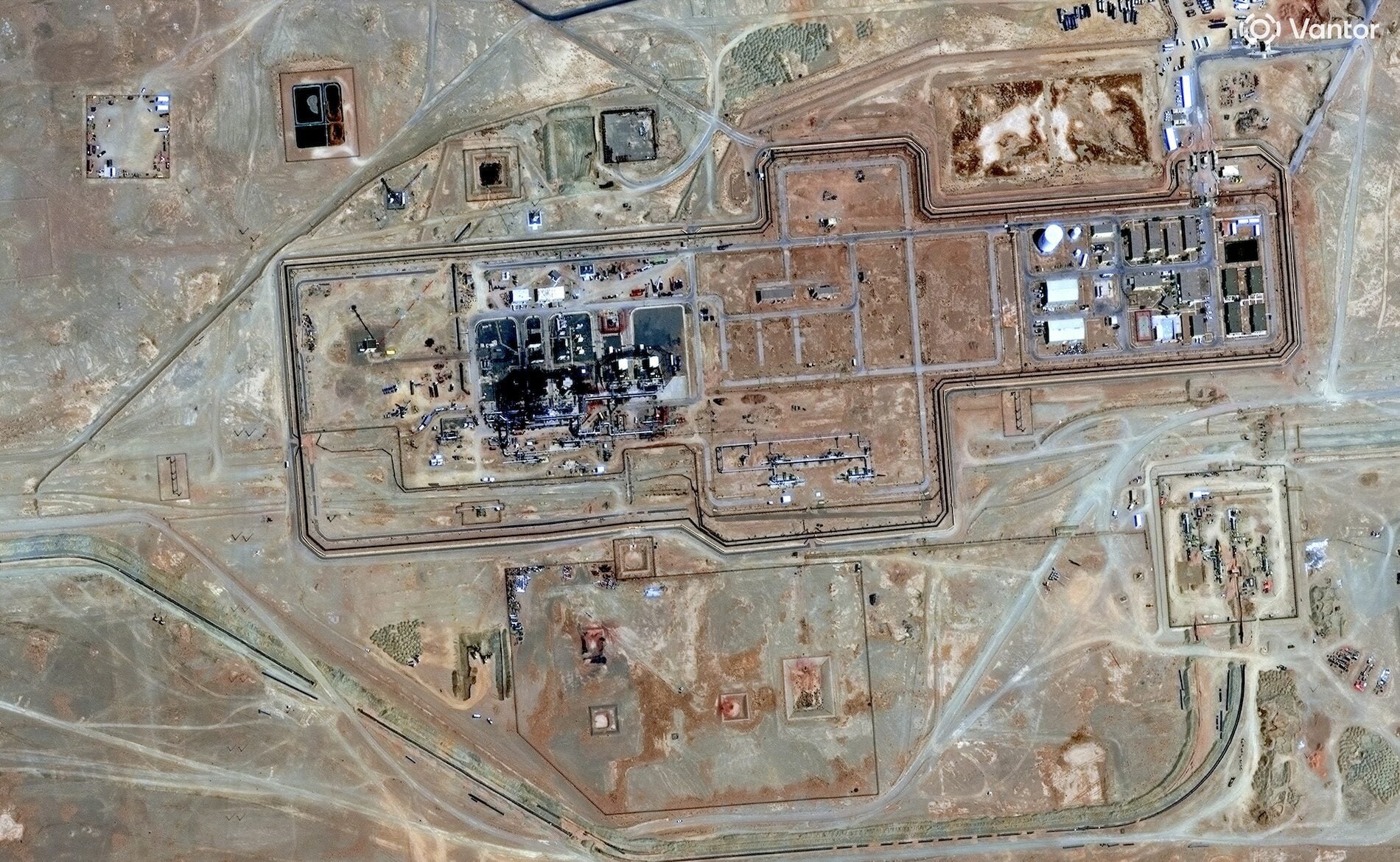
Output from Saudi Aramco’s offshore Manifa oil production facility was also restored, the energy ministry said Sunday, though work continues at the Khurais onshore complex. Attacks on Manifa and Khurais had cut production capacity by about 300,000 barrels a day each, the state-run Saudi Press Agency said last week.
“This quick recovery reflects the high operational resilience and crisis management efficiency of Saudi Aramco and the kingdom’s energy ecosystem as a whole, thereby enhancing the reliability and continuity of supplies to local and global markets,” the energy ministry said.
Khurais produces the type of light crude that Aramco had been pumping through the East-West pipeline, while Manifa and Aramco’s other offshore deposits generally pump thicker and heavier barrels.
Saudi Arabia is looking at ways to expand its oil pipeline capacity to destinations outside the Persian Gulf to 10 million barrels a day within two to three years, said Energy Minister Prince Abdulaziz bin Salman.
By Jan Wolfe Oct 11 (Reuters) – Republican US Senator Thom Tillis on Sunday said President Donald Trump’s diesel supply deal with Russia may be illegal and will put American lives at risk, adding to bipartisan...
By Yomna Ehab and Siyi Liu Oct 5 (Reuters) – Saudi Arabia has unexpectedly cut November crude oil prices for Asia while it raised those for northwest Europe and the...
October 4, 2026
Total Views: 1166
Get The Industry’s Go-To News
Subscribe to gCaptain Daily and stay informed with the latest global maritime and offshore news
— just like 106,865 professionals
Secure Your Spot
on the gCaptain Crew
Stay informed with the latest maritime and offshore news, delivered daily straight to your inbox
— trusted by our 106,865 members
Your Gateway to the Maritime World!
Essential news coupled with the finest maritime content sourced from across the globe.

 Join The Club