By Stephen Stapczynski
Sep 1, 2026 (Bloomberg) –Russia has almost doubled the fleet of tankers ferrying liquefied natural gas from its US-sanctioned Arctic project in less than a year, as the country pushes to boost lucrative exports of the super-chilled fuel in spite of Western restrictions.
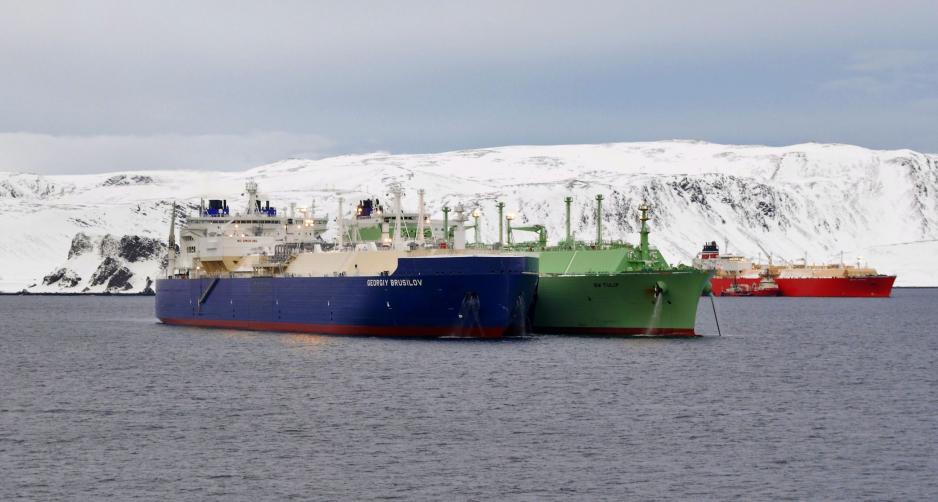
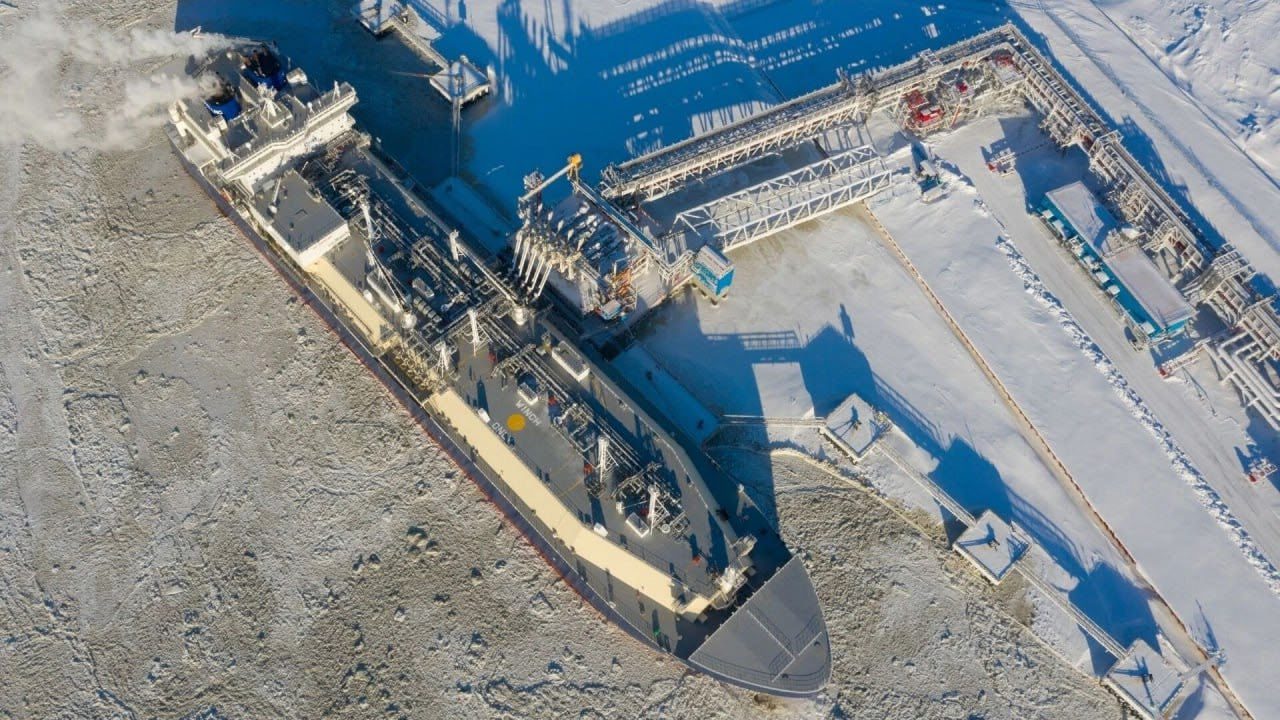
According to a Bloomberg analysis of ship-tracking data, currently at least 20 ships — most with the opaque ownership structures typical of so-called dark fleet vessels — have served the Arctic LNG 2 facility and related infrastructure. The latest addition is a Russian-built advanced ice-class vessel, the second of its kind designed to traverse the icy waters year-round, which was tracked picking up a shipment from the facility over the weekend.
That’s up from 11 at the end of December.
Eager to find new markets for gas that once went to Europe by pipeline, Russia has bet heavily on LNG sales. US and European sanctions on Arctic LNG 2, its flagship export plant, forced Moscow to push back a goal of tripling output of the fuel by 2030 — but it has responded by rapidly amassing a shadow fleet that can keep the fuel flowing eastward.
“Moscow is putting in place the logistics to deliver increasing amounts of LNG to Asia from Arctic LNG 2,” said Malte Humpert, founder of the Arctic Institute, a Washington-based think-tank.
The catch is that there is only one buyer for the sanctioned LNG: China.
Energy exports, both seaborne and via pipeline, help to underpin ties between Moscow and Beijing. Xi and Putin met on Monday on the sidelines of the Shanghai Cooperation Organization summit in Kyrgyzstan to discuss bilateral relations including, according to the Russian side, gas.
US President Donald Trump’s administration has yet to take a hard line against Russia’s gas industry or the growing dark fleet. Washington hasn’t threatened or imposed restrictions on China’s purchases of the blacklisted fuel, which began last year and have accelerated in 2026.
That contrasts with the Biden administration, which imposed sanctions on LNG projects including Arctic LNG 2, as well as vessels and storage facilities supporting the operations.
Getting the most out of the facility, though, requires Moscow to double down on its fleet. Arctic LNG 2 sits in a remote part of western Siberia, where icy waters restrict navigation for much of the year. The fuel must first be carried aboard specially designed icebreaking tankers before being transferred to storage facilities in Russia’s Far East and to the west, where it is shifted onto conventional vessels for delivery to buyers.
“Shipping capacity remains the principal constraint,” said Daria Melnik, a vice president of oil and gas research at Rystad Energy.
The continued addition of vessels has already prompted Rystad to raise its 2026 production estimate for Arctic LNG 2 by about 9% to 5 million tons from its July forecast. With the current fleet, the plant could export 5.2 million to 5.4 million tons a year, Rystad said — levels still well below the combined 13.2 million-ton annual capacity of its two operational production trains.
That would still mark progress for a facility that has spent years struggling to move fuel out of the Arctic and to find willing buyers. A third production train is being assembled.
Read More: Inside China’s Shadow LNG Fleet Offering a Lifeline to Putin
One significant hurdle will be overcome as it adds more heavy-duty ice-class vessels, necessary to move through the frozen waters of the Arctic even in winter. Three Arc7s are now operating, close to the number that could significantly boost capacity, and more are under construction. One is expected by the end of the year, according to Moscow.
“In principle, four Arc7 ice-class vessels could enable two trains to operate at near-full capacity, but only if transshipment can scale up efficiently in Russian waters,” said Ashley Sherman, a senior LNG analyst at Vortexa.
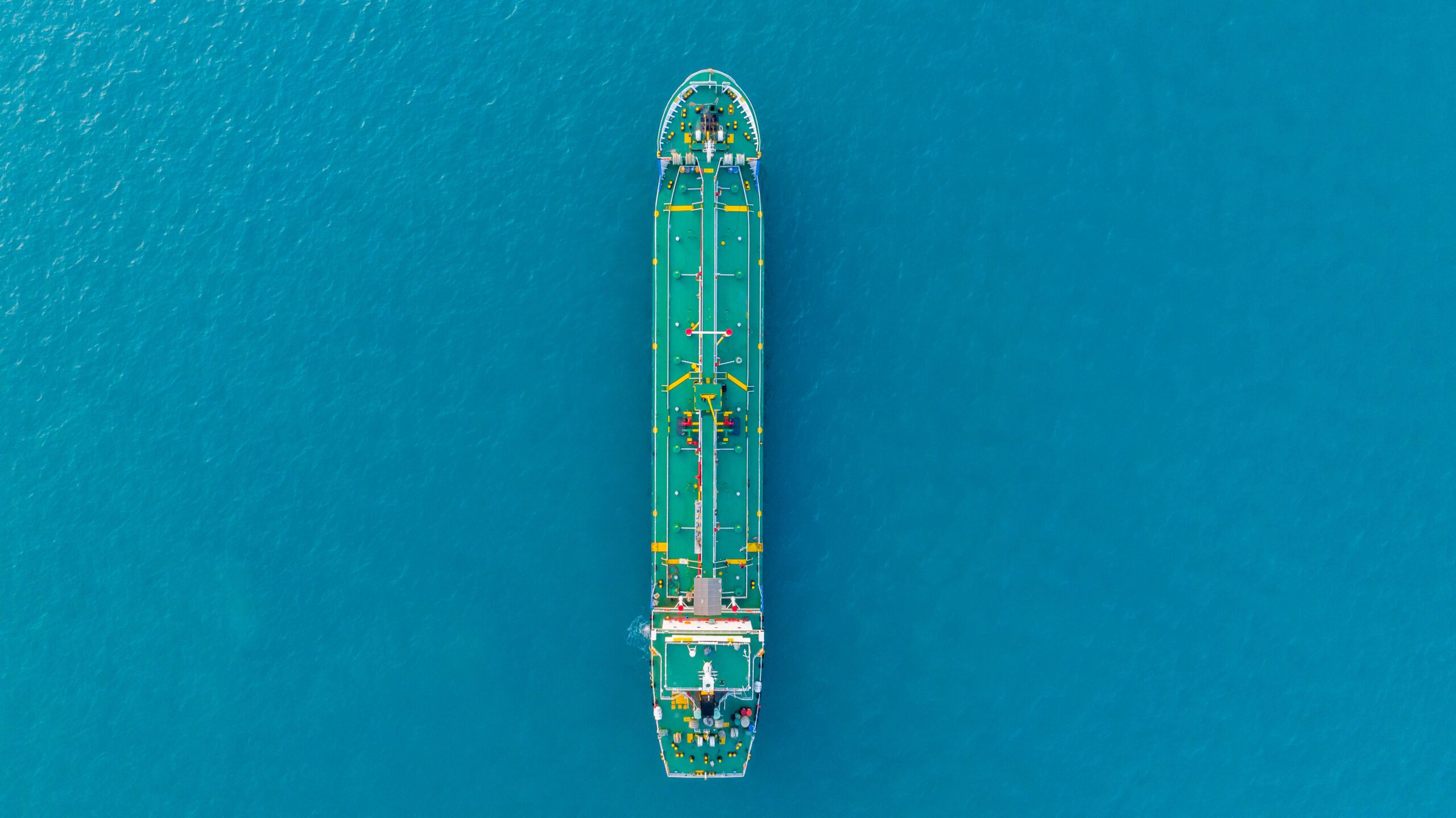
In addition to these and its Arc4 vessels, which can manage lighter ice, Russia has 12 conventional carriers for the long-haul journey to China during the winter months, when the northern route to Asia is too icy. Rystad estimates Russia could need as many as 30 conventional vessels for the plant to reach its full capacity.
That means Moscow will need to keep expanding its dark fleet.
© 2026 Bloomberg L.P.

 Join The Club