Don’t Miss Your Daily Briefing for the Maritime Industry
Join the leading maritime news network
— trusted by our 106,969 members
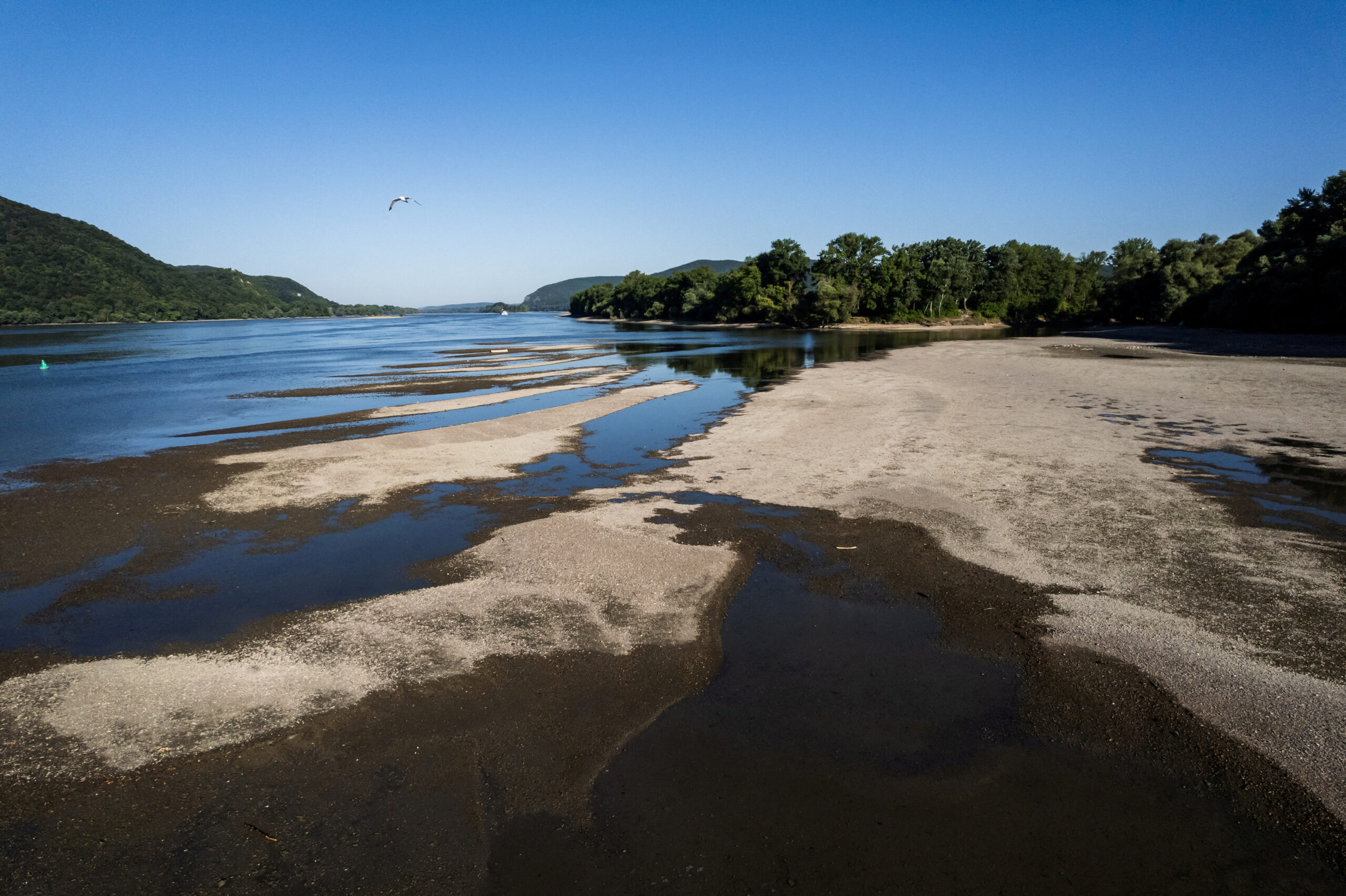
A drone view shows sandbanks emerging from the water due to the low water level of the Danube at its confluence with the Ipoly near Szob, Hungary, July 3, 2025. REUTERS/Marton Monus
Record-Low Danube Strains Vital Route for Black Sea Grain
By Nil Codina Martinez, Eleanor Thornber and Pyotr Kozlov
Aug 10, 2026 (Bloomberg) –Black Sea grain exports are facing fresh constraints as record-low Danube levels restrict flows through Romania just as escalating Russian strikes divert Ukrainian grain from Odesa and other ports.
The Black Sea is the primary export gateway for Russia and Ukraine, the two agricultural powerhouses that together account for more than a quarter of global wheat exports. Intensified attacks by both sides on grain infrastructure and vessels in the region have renewed concerns over the reliability of shipments from one of the world’s most important breadbaskets, adding risk to global food supplies already battered by bad weather.
Since Russia’s full-scale invasion in 2022, Romania’s Constanta port has become a critical alternative exit point for Ukrainian grain to get to global markets. Typically, cargo from Ukraine reaches the port by rail, road, and barges along the Danube. But heat waves and the absence of rain have lowered water levels on the river, forcing vessels to carry lighter loads.
That’s making river freight pricier, with a knock-on effect that’s adding costs and delays to road and rail transportation just when the Black Sea export corridor needs backup. It’s also hindering flows from Romania, a major contributor to European Union grain shipments.
“Romanian farmers no longer have access to trucks, and transport costs have increased dramatically,” said Stan Tiberiu-Dan, vice president of the Forum of Professional Farmers and Processors of Romania.
For growers looking to move wheat, sunflower and rapeseed downriver toward Constanta, this means fewer barge rotations, longer waiting times and higher freight rates on the Danube corridor that are already running above seasonal norms, the Forum of Professional Farmers and Processors of Romania added in a statement.
“My grain terminal could take 20% more quantity to serve the Solidarity Lane project with Ukraine,” said Viorel Panait, president of the Constanta Port Business Association and general director at Comvex SA, one of the operators of the grain terminal. But the Danube feeds cargo to the terminal and “the fact that there isn’t enough water affects the quantity of grain that arrives.”
The Solidarity Lane project was launched by the European Commission in 2022 to help establish alternatives to Black Sea shipping routes for Ukrainian agricultural exports.
Ukraine’s state rail operator is also in talks with neighboring countries to add new export routes to create more avenues to move its grain. Still, the railway combined with the Danube river route can only transport a third of the capacity of Ukraine’s Black Sea ports, according to Agrarian Minister Taras Vysotskyi.
The disruptions come at a time when agricultural markets are facing an unusually powerful El Niño as well as higher energy costs and snarled trade routes because of the tensions in the Middle East. Last month, wheat and corn futures surged in both Paris and Chicago.
“With no immediate relief in sight, either through an easing of hostilities in the Black Sea or a recovery in Danube water levels, prices could remain well supported,” said Burak Cetinok, global head of research at Arrow, a shipping and energy brokerage firm.
Thelogistical strainis only likely to worsen in the coming months as Romania heads for a record wheat, barley and rapeseed harvest. Mild temperatures in the country have delayed the corn harvest in the main producing regions, causing those shipments to overlap with the tail end of wheat flows.
Together with Ukraine’s need to reroute grain after losing roughly a third of its Black Sea export capacity, that means more volumes competing for the same trucks, railways and river barges.
“Since 2022, Constanta’s role has been to be the relief valve — when Odesa is under attack, cargo goes west and out through Romania. That assumes the corridor feeding Constanta has slack. It doesn’t,” said Adrian Dobrita, head of trade at RWA Raiffeisen Agro Romania.
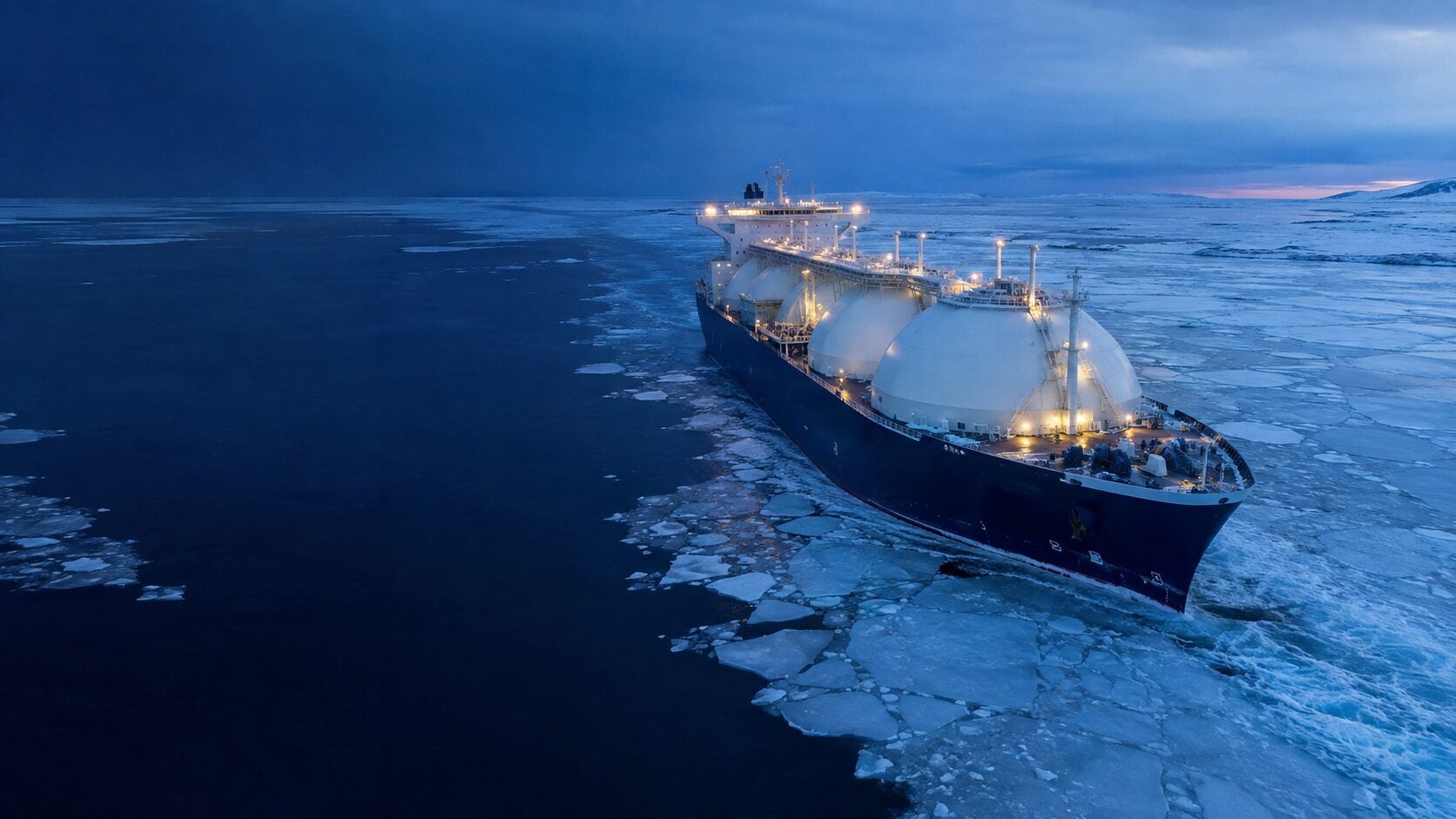
New company takes on four Arc4 LNG carriers as Seoul looks to expand Busan’s role in Arctic shipping. A newly established South Korean ship manager is emerging as a potential new player in Arctic LNG shipping, taking control of four ice-class LNG carriers while planning a rapid expansion into the specialized fleet needed to transport gas along Russia’s Northern Sea Route.
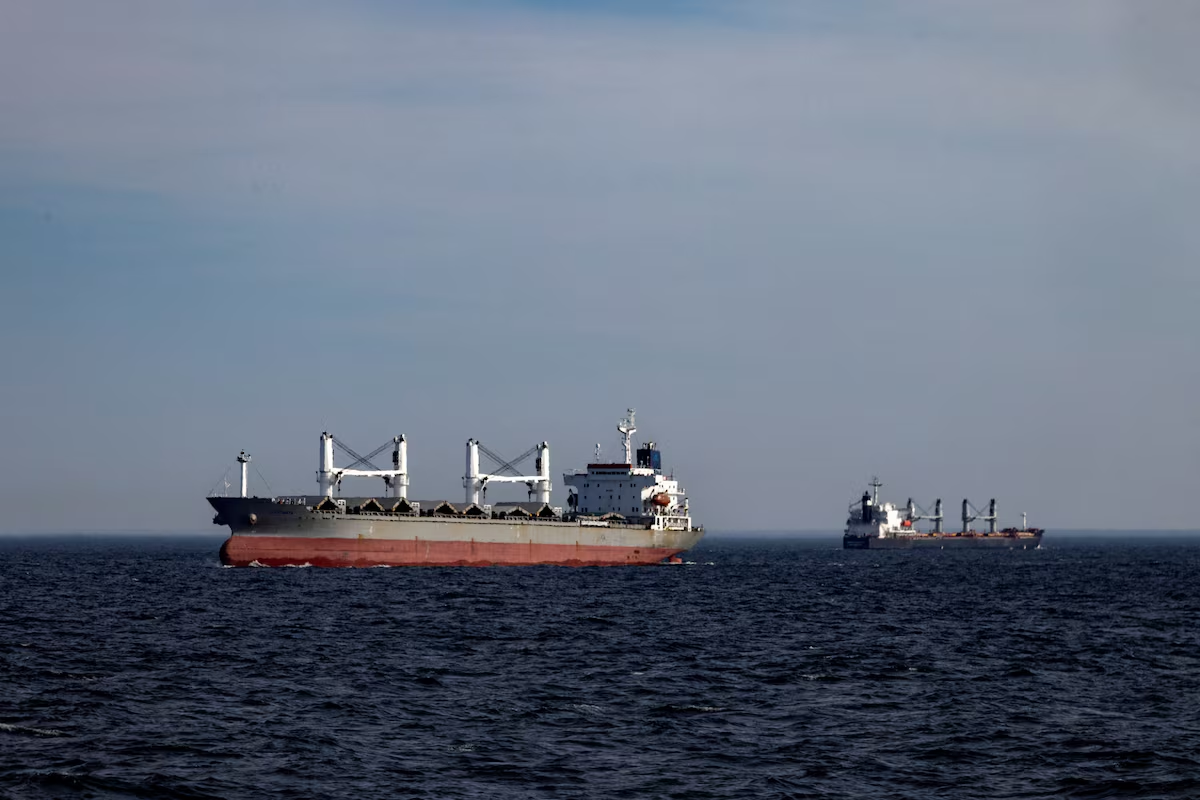
Attacks on commercial vessels off the Black Sea’s western coast are on the rise, threatening already-choked trade flows in the region while testing NATO’s readiness to react.
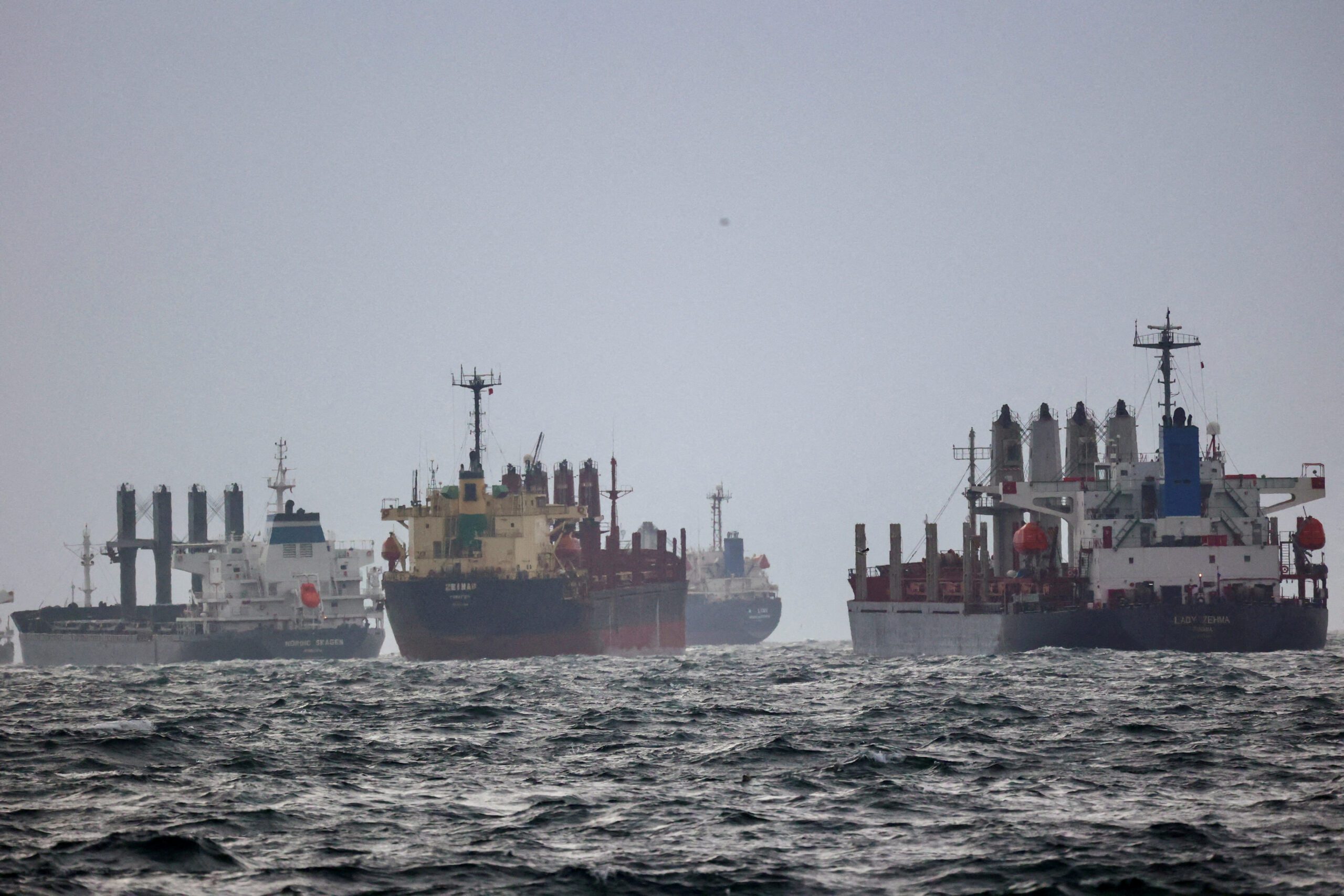
(Bloomberg) — Turkey and the United Nations have set up fresh talks in Russia and Ukraine to discuss a Black Sea ceasefire, trying to coalesce scattered efforts to protect grain...
October 1, 2026
Total Views: 558
Get The Industry’s Go-To News
Subscribe to gCaptain Daily and stay informed with the latest global maritime and offshore news
— just like 106,969 professionals
Secure Your Spot
on the gCaptain Crew
Stay informed with the latest maritime and offshore news, delivered daily straight to your inbox
— trusted by our 106,969 members
Your Gateway to the Maritime World!
Essential news coupled with the finest maritime content sourced from across the globe.

 Join The Club