By Stephen Stapczynski
Nov 10, 2026 (Bloomberg) –Liquefied natural gas loadings onto tankers from Qatar have picked up over the past few weeks, suggesting the major exporter is seeking to get more cargoes to the global market despite ongoing disruptions in the Strait of Hormuz.
The number of LNG shipments departing Qatar’s Ras Laffan facility has ranged from 13 to 15 on a 10-day moving average basis so far this month, according to data from Bloomberg, Kpler and Copernicus. That’s up slightly from an average of about 11 in October, but still roughly half the pre-war pace.
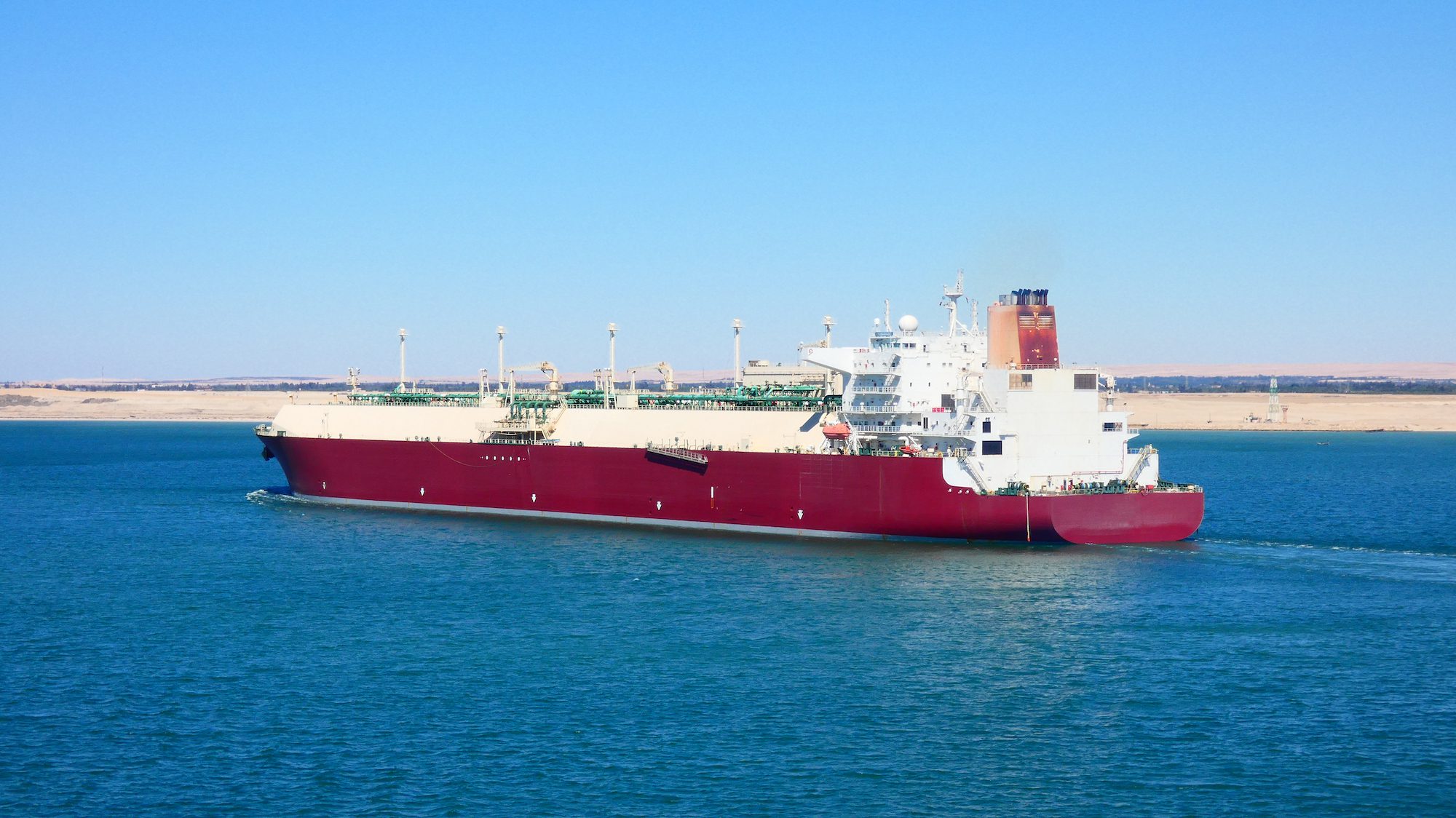
Still, the rise in loadings has yet to translate into a similar bounce in estimated eastbound traffic through the Strait of Hormuz — the waterway that links Qatar with Asia and Europe. Eleven laden Qatari LNG tankers exited in the 10 days through Nov. 8, according to Bloomberg and Kpler data.
While the rate of crossings has remained broadly steady over the past month, it’s been common for there to be a mismatch between the figures for loadings and exits. Both rely on hard-to-verify data points, with most of the ships loading at Ras Laffan or transiting Hormuz not transmitting their locations.
QatarEnergy, which operates the Ras Laffan facility, didn’t immediately respond to a request for comment.
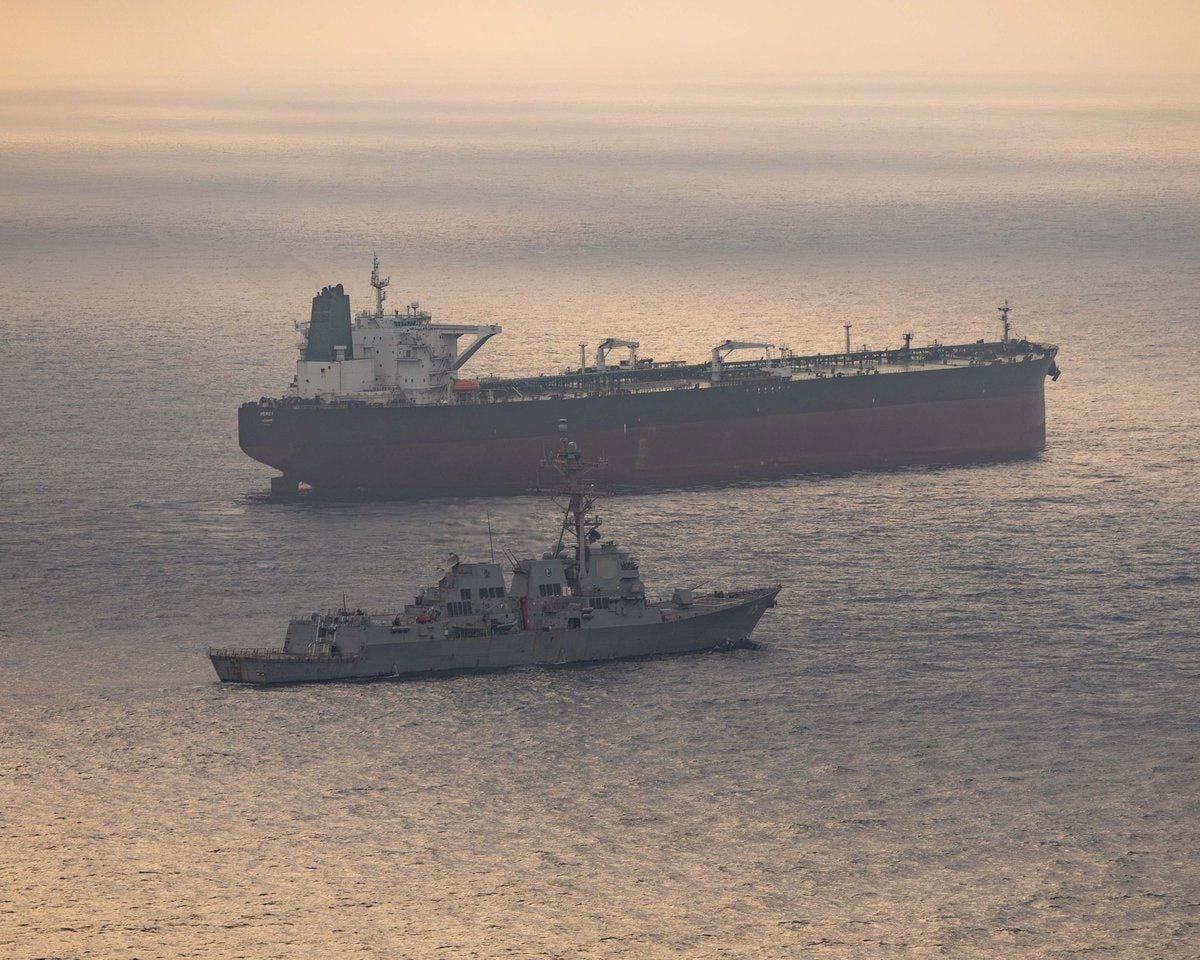
Global energy markets including LNG and oil have been zeroed in on Persian Gulf loadings and flows through Hormuz, with the US-Iran war in its ninth month. Even though there has been a wave of speculation that Washington may seek an end to the conflict after a resounding Democratic sweep in the US midterm elections last week, dealing a setback to President Donald Trump’s administration, vessels transiting the waterway continue to be targeted in attacks.
Trump met on Monday with Qatari Prime Minister Mohammed bin Abdulrahman Al Thani, whose nation has served as a mediator during the war that began in February. After that, the US leader said further strikes on Iran wouldn’t be necessary, adding: “We’re just keeping it the status quo.”
Any sustained increase in Qatari LNG supply reaching the wider market would offer some relief as colder winter weather in the Northern Hemisphere threatens to intensify competition between Europe and Asia for limited available volumes. European gas prices have retreated from highs reached in late October, but remain more than twice the level before the conflict began.
While one of Qatar’s LNG tankers was attacked late last month, that hasn’t seemingly resulted in a drop in exports or Hormuz transits. Previous attacks had resulted in a slowdown of Qatari LNG flows through Hormuz.
© 2026 Bloomberg L.P.

 Join The Club