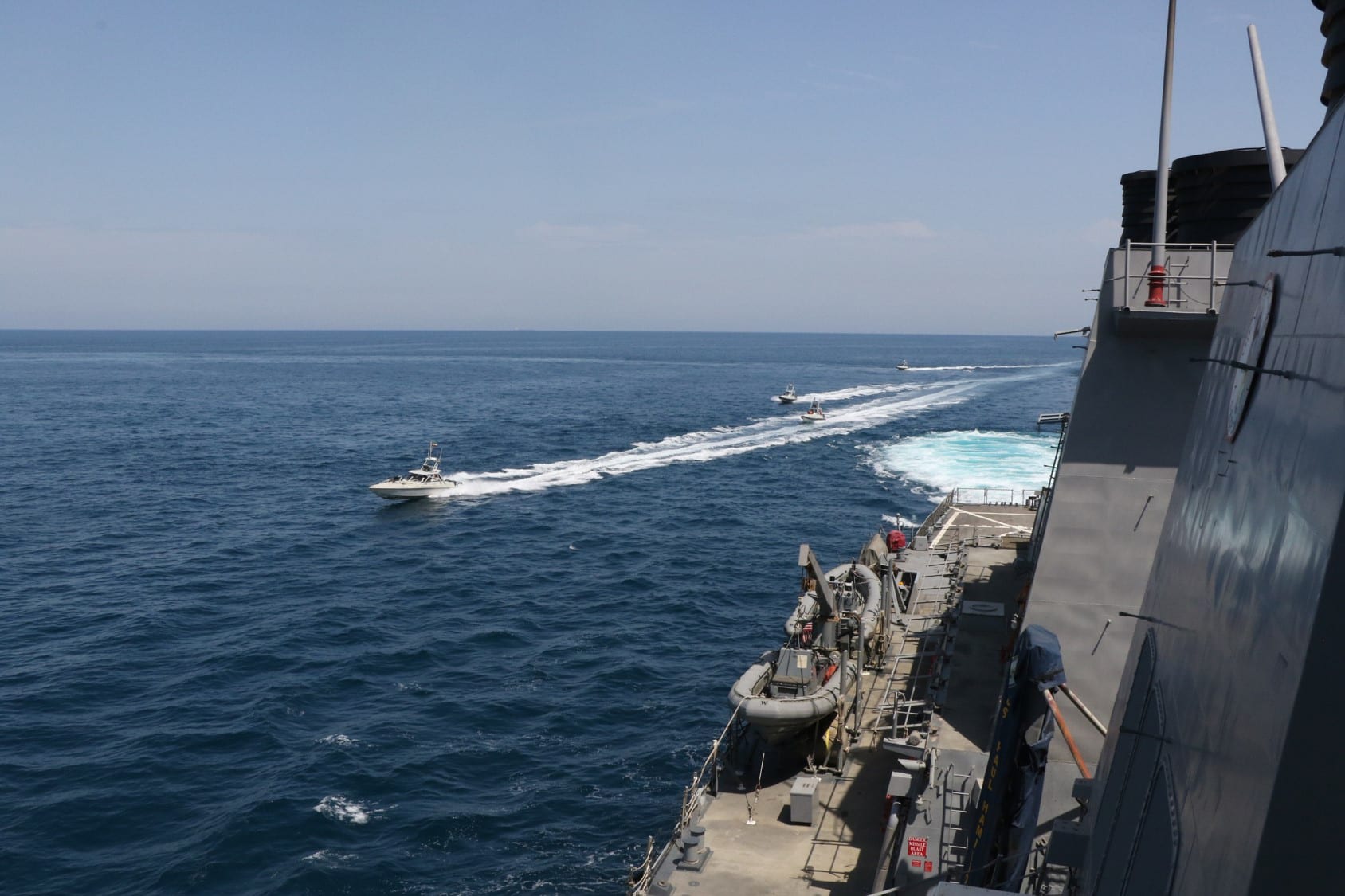
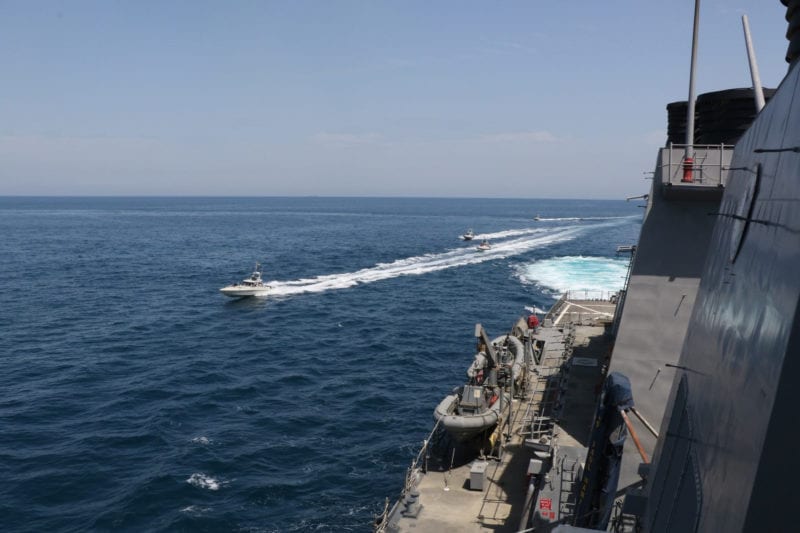
IRGCN boats seen harassing U.S. military vessels in international waters in the North Arabian Gulf, April 15, 2020. U.S. Navy Photo
WASHINGTON, April 22 (Reuters) – President Donald Trump said on Wednesday he had instructed the U.S.Navy to fire on any Iranian ships that harass it at sea, a week after 11 vessels from Iran’s Islamic Revolutionary Guard Corps Navy (IRGCN) came dangerously close to American ships in the Gulf.
Close interactions with Iranian military vessels were not uncommon in 2016 and 2017. On several occasions, U.S. Navy ships fired warning shots at Iranian vessels when they got too close.
While the Navy has the authority to act in self-defense, Trump’s comments appeared to go further and are likely to stoke tensions between Iran and the United States.
“I have instructed the United States Navy to shoot down and destroy any and all Iranian gunboats if they harass our ships at sea,” Trump wrote in a tweet, hours after Iran’s Revolutionary Guards Corps said it had launched the country’s first military satellite into orbit.
I have instructed the United States Navy to shoot down and destroy any and all Iranian gunboats if they harass our ships at sea.
The United States should focus on saving its military from the coronavirus, an Iranian armed forces spokesman said on Wednesday after Trump’s comments.
“Today, instead of bullying others, the Americans should put all their efforts toward saving those members of their forces who are infected with coronavirus,” Abolfazl Shekarchi said, according to the ISNA news agency.
The U.S. military’s Central Command did not respond to a request for comment.
Earlier this month, the U.S. military said 11 vessels from the IRGCN came dangerously close to U.S. Navy and Coast Guard ships in the Gulf, calling the moves “dangerous and provocative.”
At one point, the Iranian vessels came within 10 yards (9 meters) of the U.S. Coast Guard cutter Maui.
While such interactions at sea had occurred occasionally a few years ago, they had stopped recently.
Tensions between Iran and the United States increased earlier this year after the United States killed Qassem Soleimani, the head of Iran’s elite Quds Force, in a drone strike in Iraq.
Iran retaliated on Jan. 8 with a rocket attack on Iraq’s Ain al-Asad base where U.S. forces were stationed. No U.S. troops were killed or faced immediate bodily injury, but more than 100 were later diagnosed with traumatic brain injury.
Iran’s Revolutionary Guards Corps said on Wednesday it had successfully launched the country’s first military satellite into orbit. (Reporting by Idrees Ali, Phil Stewart, Lisa Lambert and Susan Heavey; Editing by Bernadette Baum and Jonathan Oatis)
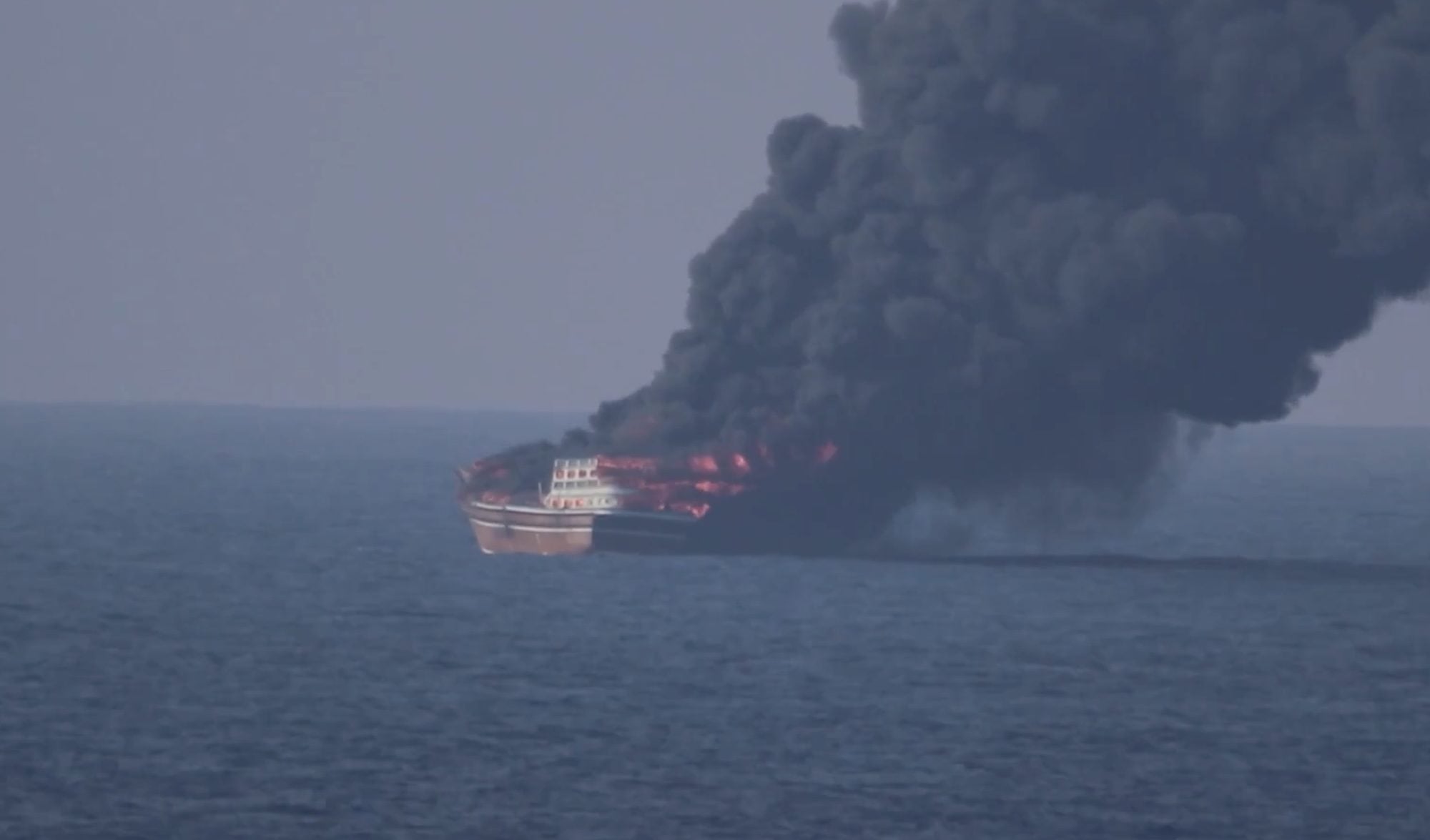
U.S. forces destroyed an Iranian-affiliated dhow in the Gulf of Oman on October 6 after determining that the vessel was conducting surveillance and helping target American warships, U.S. Central Command...
By Eltaf Najafizada and Courtney Subramanian Sep 27, 2026 (Bloomberg) –Iran stuck to its seven-day proposal for reopening the crucial Strait of Hormuz, saying it won’t soften its conditions, while President...
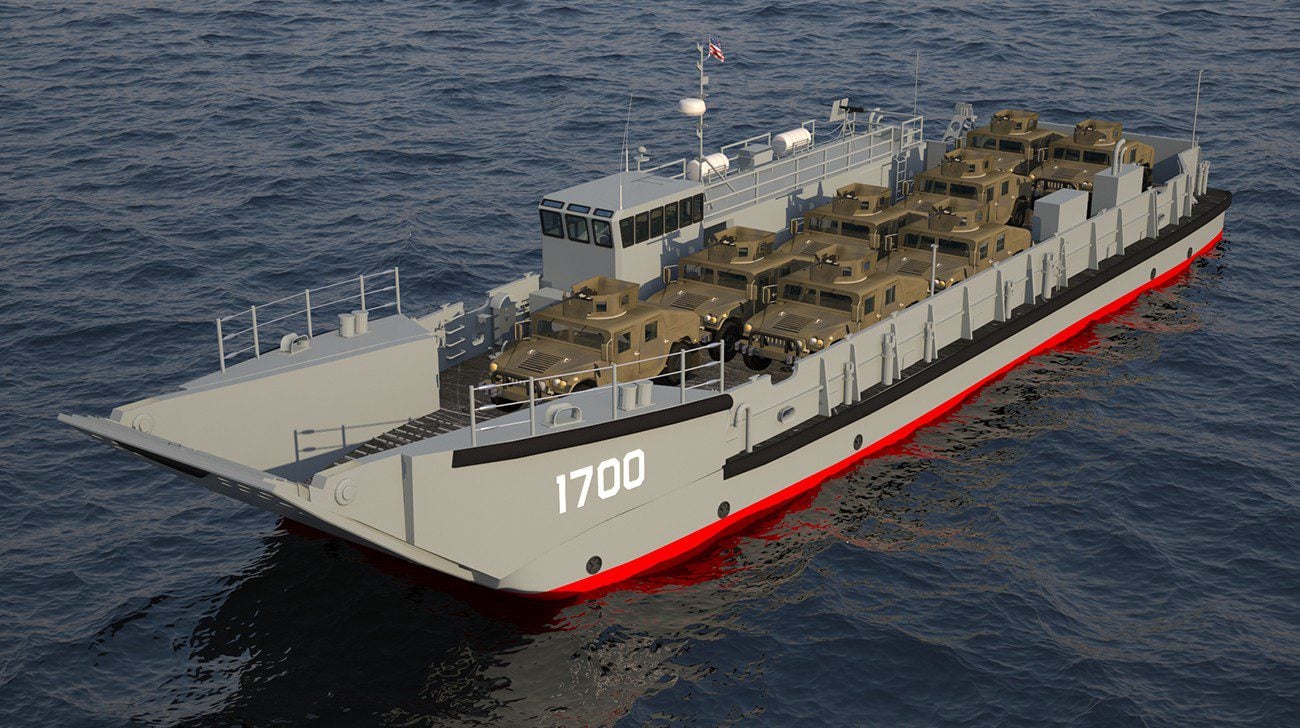
Master Boat Builders has secured its first U.S. Navy defense shipbuilding contract as a prime shipyard, winning an agreement to build three new Landing Craft Utility vessels at its yard...
September 15, 2026
Total Views: 2673
Get The Industry’s Go-To News
Subscribe to gCaptain Daily and stay informed with the latest global maritime and offshore news
— just like 106,690 professionals
Secure Your Spot
on the gCaptain Crew
Stay informed with the latest maritime and offshore news, delivered daily straight to your inbox
— trusted by our 106,690 members
Your Gateway to the Maritime World!
Essential news coupled with the finest maritime content sourced from across the globe.

 Join The Club