The Port of Baltimore posted record cargo volumes in 2025, capping a dramatic recovery just over a year after the collapse of the Francis Scott Key Bridge that killed six workers and disrupted one of the East Coast’s most strategically important gateways.
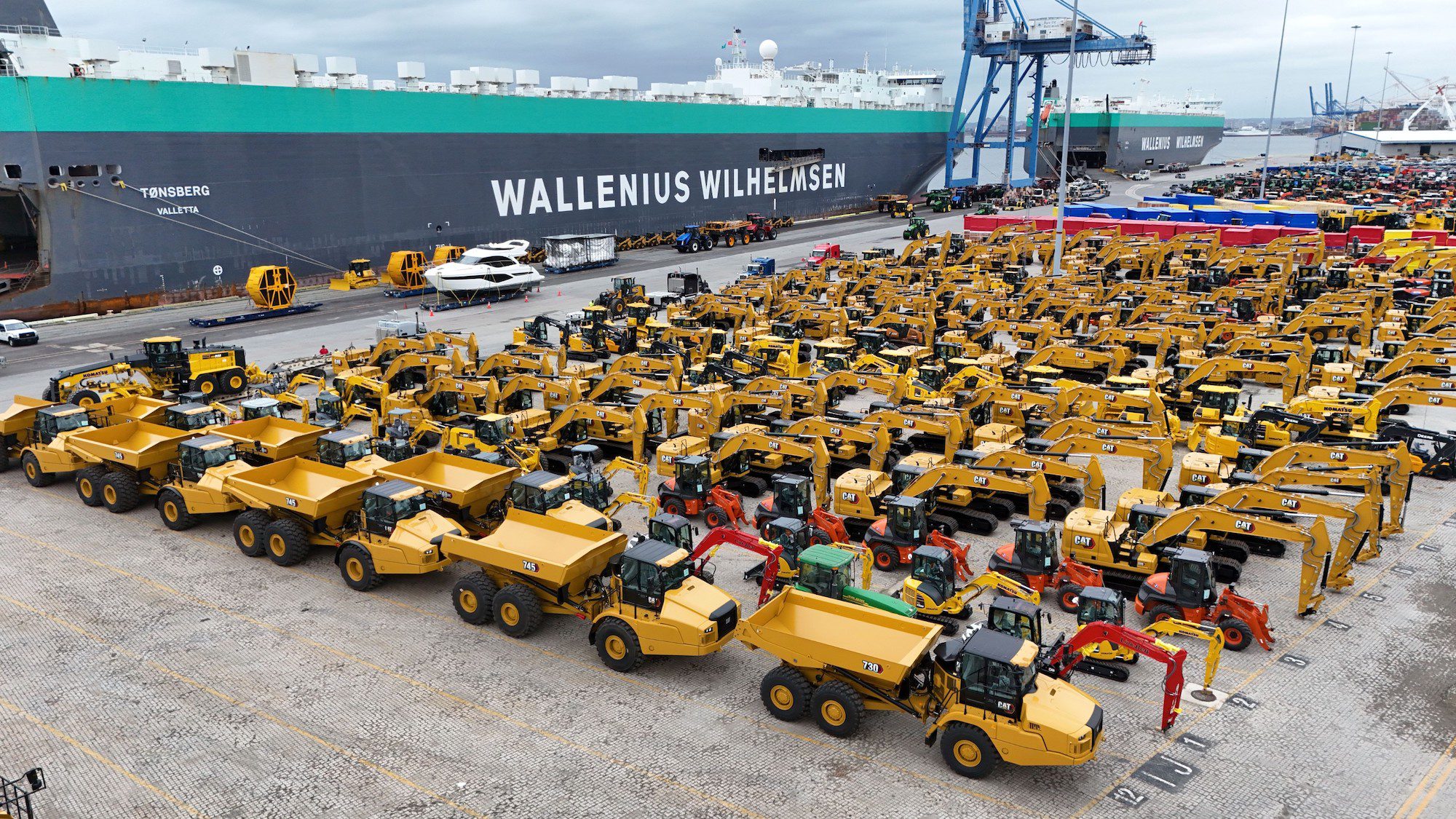
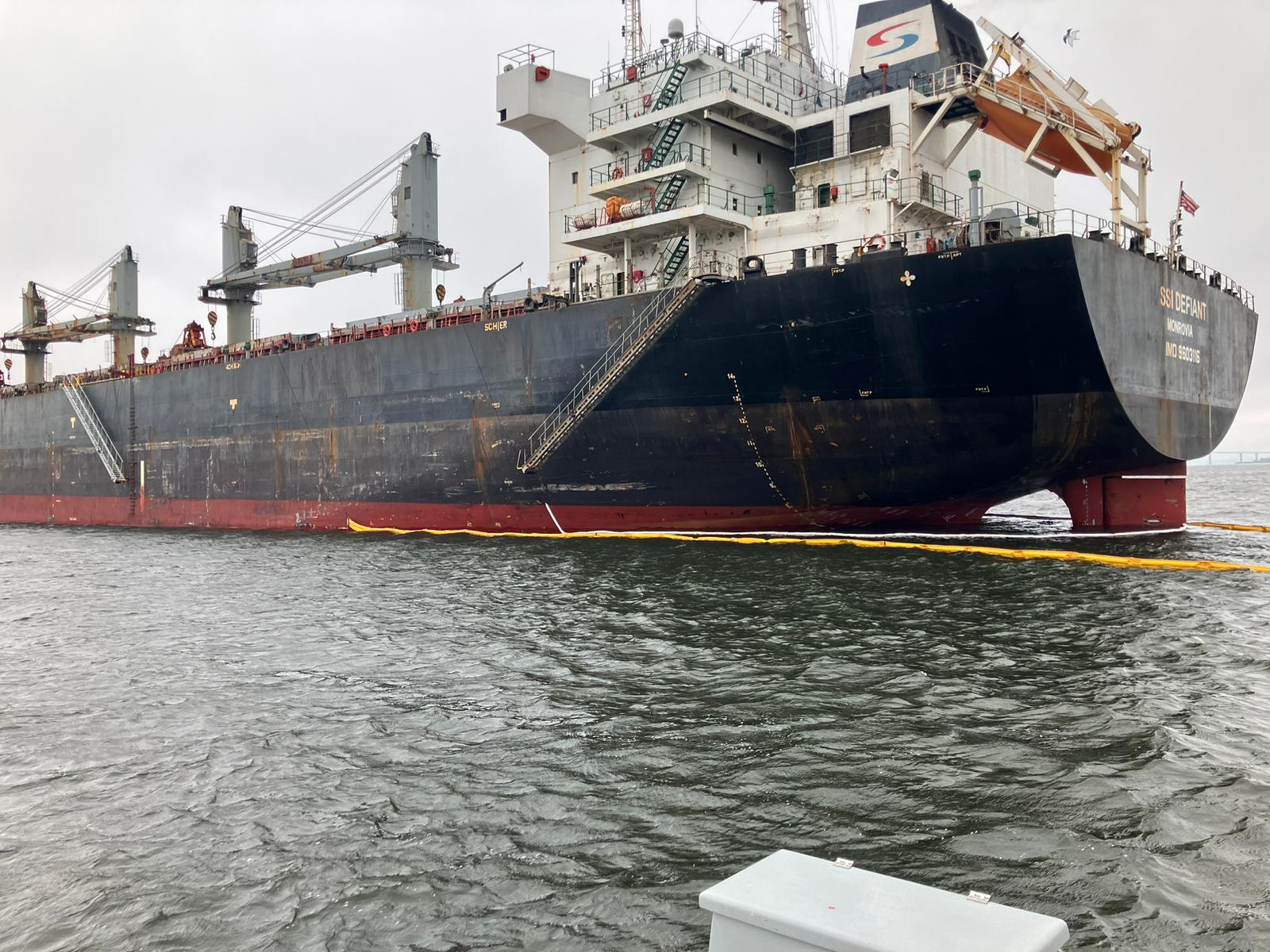
Maryland Governor Wes Moore announced that the Port of Baltimore handled 2,223 cargo vessel calls in 2025, surpassing the previous record of 2,137 set in 2023. The total marked a 21 percent increase over 2024, reflecting the port’s rapid rebound following the March 2024 disaster and the successful reopening of the Fort McHenry shipping channel.
“The Port of Baltimore is a cornerstone of Maryland’s economy and one of the most important ports in the country,” Moore said. “We are grateful to the workers whose commitment and resilience made this recovery possible.”
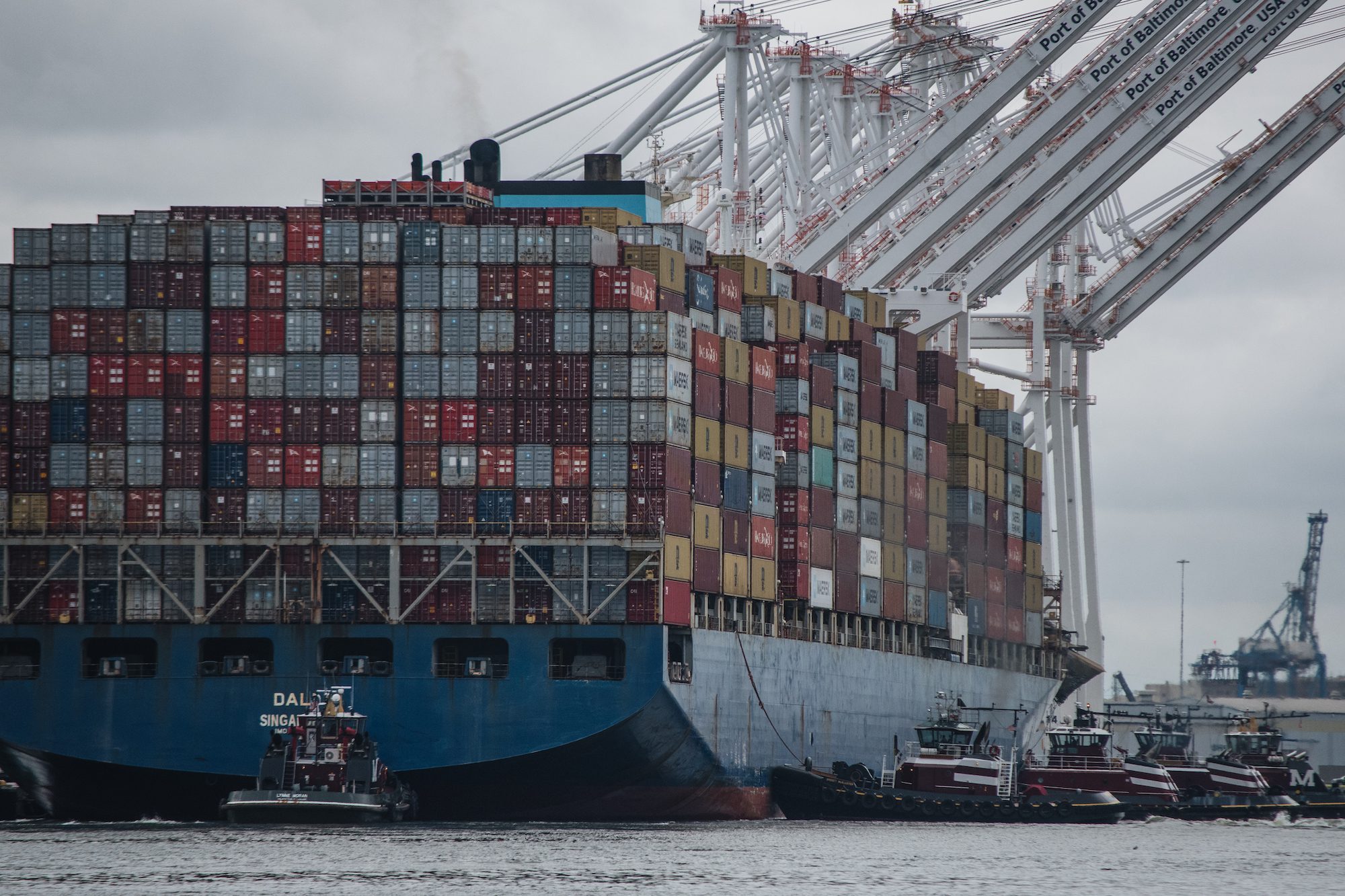
At the Seagirt Marine Terminal, container volumes also reached new highs. The terminal moved 1,113,309 TEUs in 2025, topping the 2023 record by more than 5,000 containers. Ship calls climbed to 689—nearly 100 more than in 2023—while weekly container services expanded from 12 in 2024 to 15 last year.
The port’s container business is positioned for further growth with the expected 2026 completion of the CSX Howard Street Tunnel Project. The $518 million modernization of the 130-year-old freight tunnel will allow double-stack container trains to move in and out of Baltimore, improving rail connectivity and competitiveness with neighboring ports. State officials estimate the project will add roughly 160,000 containers annually and support nearly 14,000 jobs.
“Our terminal operators, ILA workforce, truckers, freight forwarders, and supply-chain partners deserve full credit for a successful 2025,” said Maryland Port Administration Executive Director Jonathan Daniels. “We have exciting things on tap for 2026 and expect an even stronger year ahead.”
The recovery comes as federal investigators continue to draw lessons from the bridge collapse. In November 2025, the National Transportation Safety Board concluded that a single loose wire—blocked from proper insertion by an improperly installed label band—triggered the electrical blackout aboard the containership Dali. The loss of power disabled propulsion and steering as the 984-foot vessel departed Baltimore Harbor, leading to the fatal allision with the bridge’s southern pier.
“Finding this single wire was like hunting for a loose rivet on the Eiffel Tower,” NTSB Chair Jennifer Homendy said.
The disaster prompted a nationwide bridge safety review, with the NTSB urging 30 owners of major spans over navigable waterways to conduct vulnerability assessments. Replacement of the Key Bridge is expected to cost between $4.3 billion and $5.2 billion, with completion projected for late 2030.
DThe port supports about 20,300 direct jobs and more than 273,000 jobs statewide, generating over $70 billion in annual economic impact. In 2024, Baltimore ranked 10th among U.S. ports by cargo value and 11th by total tonnage.
Additional 2025 milestones included a five-year contract extension with Carnival Cruise Line securing year-round cruise service, the arrival of the Evergreen Ever Model—the second-largest vessel ever to call at the port—and $72 million in funding for the Mid-Chesapeake Bay Environmental Restoration Project.
“Ports America Chesapeake will continue making the right investments at Seagirt to drive long-term growth for the Port of Baltimore,” said Ports America Chesapeake President and CEO Mark Schmidt.

 Join The Club