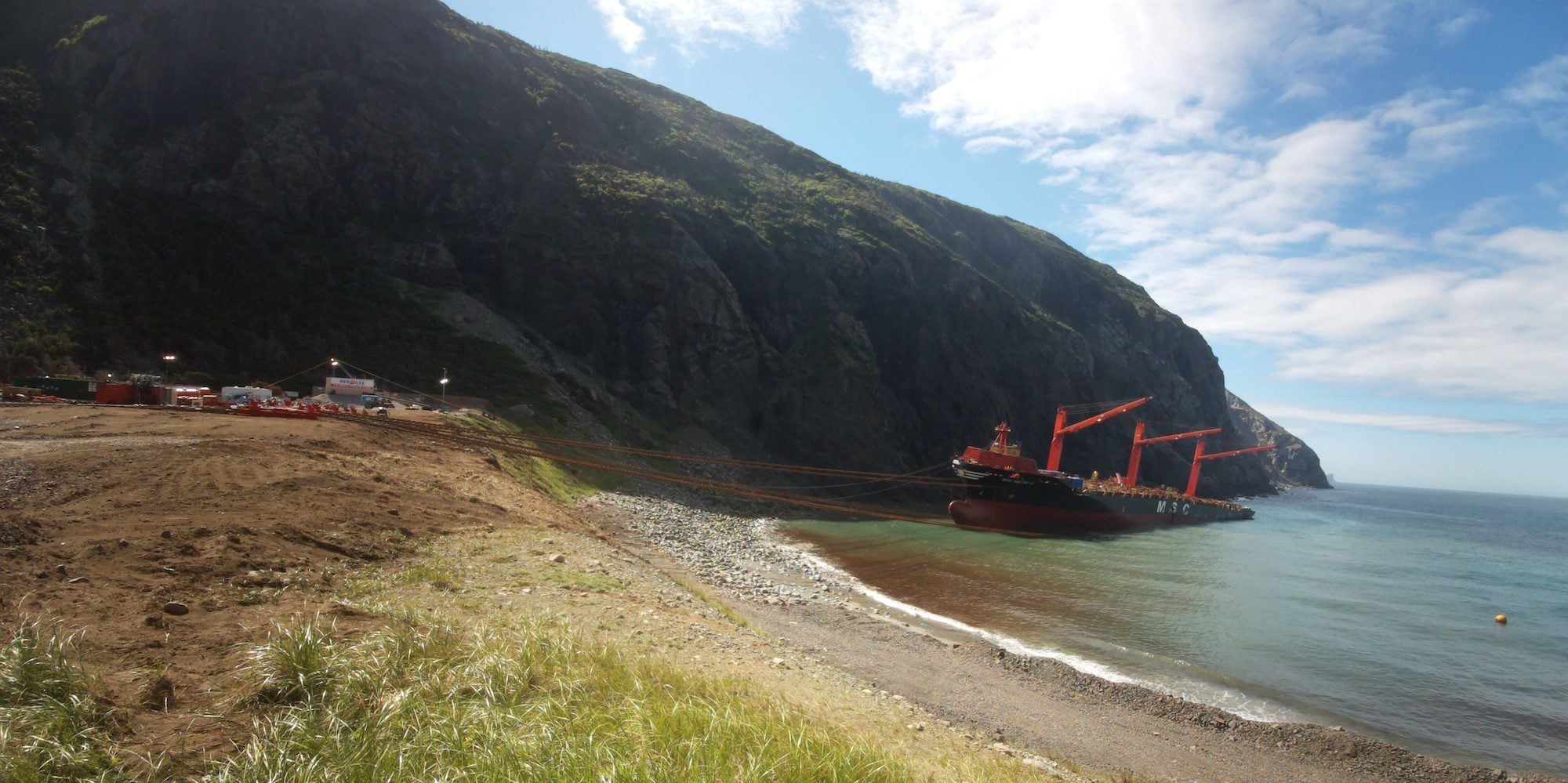
The grounded containership MSC Baltic III is pulled toward shore near Wild Cove, Newfoundland and Labrador, as wreck removal operations continue on August 6, 2026. Photo: Canadian Coast Guard
The Middle East Maritime Crisis Enters a Dangerous New Phase
The diplomatic push to restore normal shipping through the Strait of Hormuz is finally producing the outlines of a potential agreement. The problem is that what Iran and Oman are negotiating may prove extremely difficult for the shipping industry to get behind.
The talks stem directly from Article 5 of the June U.S.-Iran memorandum, which called for Iran and Oman to discuss the future administration and maritime services of the Strait of Hormuz. After weeks of negotiations, Iranian officials now say an agreement has been reached “in principle” on new entry and exit routes, potentially under an initial arrangement lasting two to four months.
That represents meaningful progress, but it also brings into focus one of the biggest unresolved questions from the June agreement: What exactly does Iranian involvement in the future administration of Hormuz mean?
Under the latest proposal, Iran would reportedly have a role managing vessels entering the Persian Gulf, while outbound traffic would be overseen jointly with Oman. The plan envisions traffic eventually shifting into a central corridor rather than the alternative routes that have emerged during the conflict.
The final wording, however, remains under debate inside Iran. Some Iranian politicians are reportedly pushing for restrictions on U.S.- and Israeli-linked vessels and cargoes, compensation from “hostile countries,” and a system of fees covering services such as insurance and environmental costs.
Those fees could become a major obstacle.
Washington has said any temporary shipping routes through Hormuz must remain free of approvals, permissions, tolls or charges. The global shipping industry has also drawn a red line around compulsory fees, warning that imposing what amounts to a toll for passage through an international strait could undermine the longstanding legal framework governing freedom of navigation.
There is also a more immediate problem for shipowners: paying Iran may not be legally or commercially possible. U.S. sanctions target the Iranian authority established to operate the waterway, while new insurance language introduced by the Lloyd’s market could terminate war-risk coverage for vessels that make transit-related payments. That potentially leaves owners in a Catch-22—pay Iran and risk sanctions or losing insurance coverage, or refuse to pay and potentially expose the vessel to Iranian action.
Meanwhile, shipping conditions on the ground—or rather, on the water—remain deeply unsettled. Just 33 vessels crossed the Strait between Monday and Thursday this week, a fraction of normal traffic as shipowners continue weighing the threat of attack against an uncertain diplomatic picture.
Those concerns were reinforced this week by another series of attacks. ADNOC said Friday that three of its vessels had been attacked in recent days and that attacks on its ships and personnel were having a “significant impact” on operations. The development is particularly notable given ADNOC’s central role in moving UAE energy exports.
And the maritime crisis is increasingly extending beyond Hormuz. In the Red Sea, an Indian-flagged cargo vessel sank this week after being struck near Yemen, although all 14 crew members were rescued. The incident comes amid a renewed Houthi campaign against commercial shipping, further complicating the alternative route around the Arabian Peninsula at precisely the moment Hormuz remains severely disrupted.
The bottom line: Article 5 opened the door to negotiations over a new framework for managing the Strait of Hormuz, and those negotiations are now entering the difficult details stage. But there is still a large gap between reaching a political agreement and creating a system that international shipping can safely, legally and practically use. Until that gap closes—and the attacks stop—there is little reason to expect shipowners to rush back to Hormuz.
Record-Low Rhine Levels Threaten European Trade
Water levels on the Rhine have fallen to their lowest on record, raising fresh concerns for one of Europe’s most important trade arteries. At Kaub, a key chokepoint for traffic into southern Germany and Switzerland, barge clearance dropped to just 21 centimeters, with conditions expected to deteriorate further.
The impact is already spreading: barges are reducing loads, freight rates have surged, and major industrial companies are shifting some cargo to rail and road. Germany’s transport minister has warned the chronic lack of water is becoming a threat to the country’s economy, while industry is preparing for low-water disruptions to become increasingly common.
Panama Canal Tightens Draft Limits as El Niño Strengthens
The Panama Canal is tightening draft restrictions again as water levels in Gatun Lake continue to fall. The maximum draft for Neopanamax vessels will drop to 48 feet on August 26 and 47.5 feet on September 3—the fourth and fifth adjustments announced this year.
For now, the Canal Authority says daily transit capacity will remain unchanged, but the trend bears watching. El Niño continues to strengthen, with NOAA warning it could become one of the strongest on record by late 2026. The situation remains far less severe than the 2023-24 drought, when low water levels forced major transit cuts and vessel backlogs, but further restrictions are possible if conditions deteriorate.
Trump-Class Battleships Could Cost $275 Billion
The Navy’s planned fleet of 15 Trump-class nuclear-powered battleships could cost roughly $275 billion through 2056, according to a new Congressional Budget Office estimate. The lead ship alone could cost $23.4 billion, with the remaining vessels averaging about $18 billion each.
Cost may not be the biggest challenge. CBO warns the program would place enormous pressure on an already strained U.S. shipbuilding industrial base, requiring production of large surface combatants to increase by about 60%. Newport News Shipbuilding, the only U.S. yard currently certified to build nuclear-powered surface ships, is already busy constructing aircraft carriers and submarines.
RWE Takes $1.22 Billion Exit From U.S. Offshore Wind
Another major offshore wind developer is heading for the exits. RWE has reached a $1.22 billion settlement with the Trump administration to surrender offshore wind leases in the New York Bight and off California and Louisiana, saying there is “no path forward” to permitting the projects for the foreseeable future.
The pivot is striking: RWE, which invested more than $1 billion acquiring and developing the leases, is redirecting capital toward LNG and natural gas generation, including a $900 million investment in the Louisiana LNG project.
RWE joins Duke Energy, Invenergy, TotalEnergies, Bluepoint Wind and Golden State Wind in reaching agreements to relinquish U.S. offshore wind leases. For the maritime sector, the shrinking project pipeline means fewer opportunities for the specialized vessels, ports and domestic supply chains that had been gearing up to support a rapidly expanding U.S. offshore wind industry.
Fair winds, – Mike Thank you for supporting the gCaptain Club.
As always, we’d love to hear your feedback. Email [email protected] with any questions, comments, tips, or concerns. Don’t forget to check out the Club Discord and gCaptain.com for the latest maritime news.
2025 Unofficial Networks LLC
Tags:
Subscribe for Daily Maritime Insights
Sign up for gCaptain’s newsletter and never miss an update
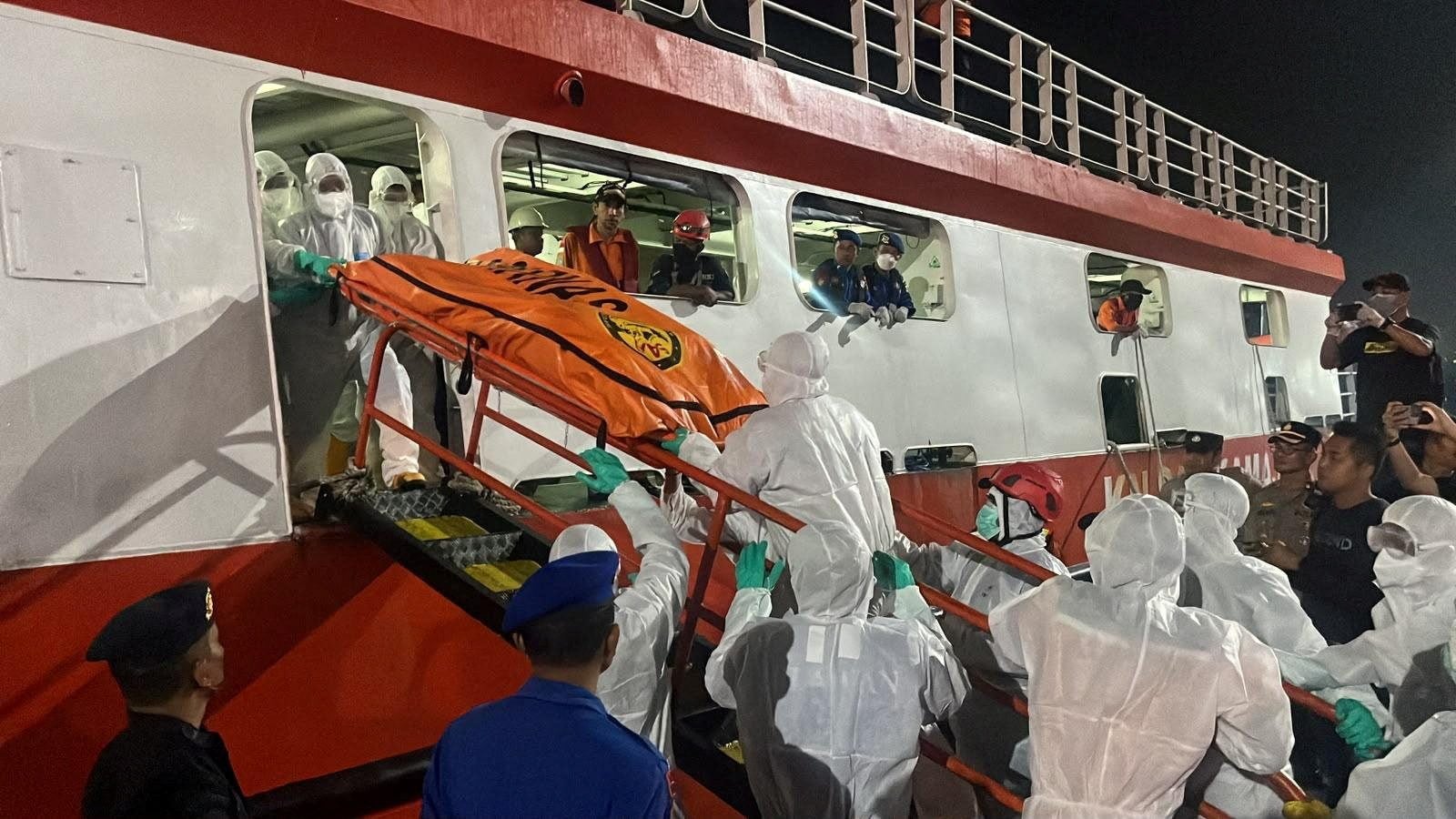
JAKARTA, Sept 20 (Reuters) – Indonesian authorities will continue searching on Monday for more than a hundred people still missing after a passenger ship sank in the Java Sea last week, with the confirmed death...
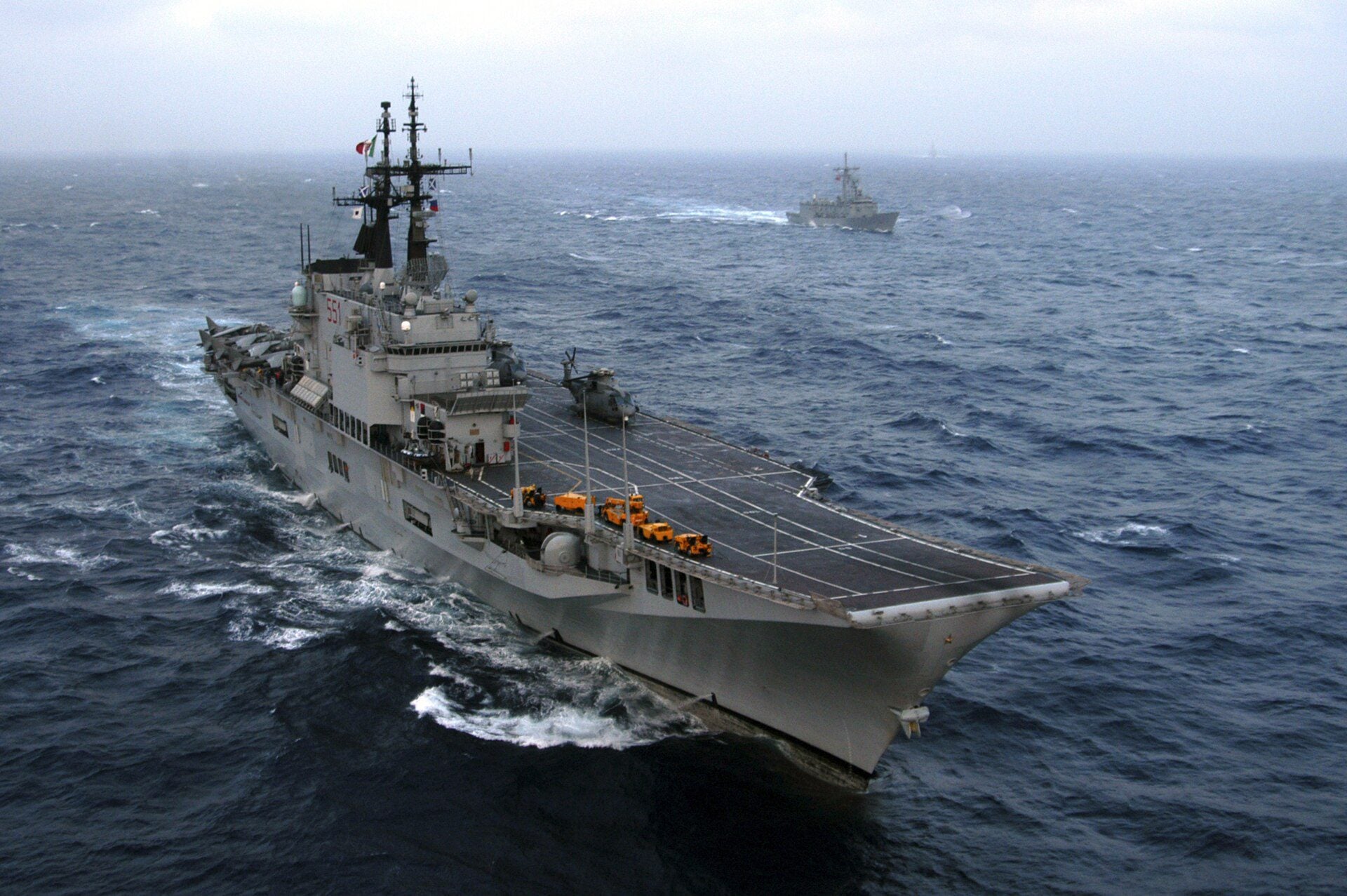
By Chandra Asmara Sep 17, 2026 (Bloomberg) –A retired Italian aircraft carrier built to launch Harrier fighter jets arrived at Indonesia’s busiest port Friday with plans for a very different second...
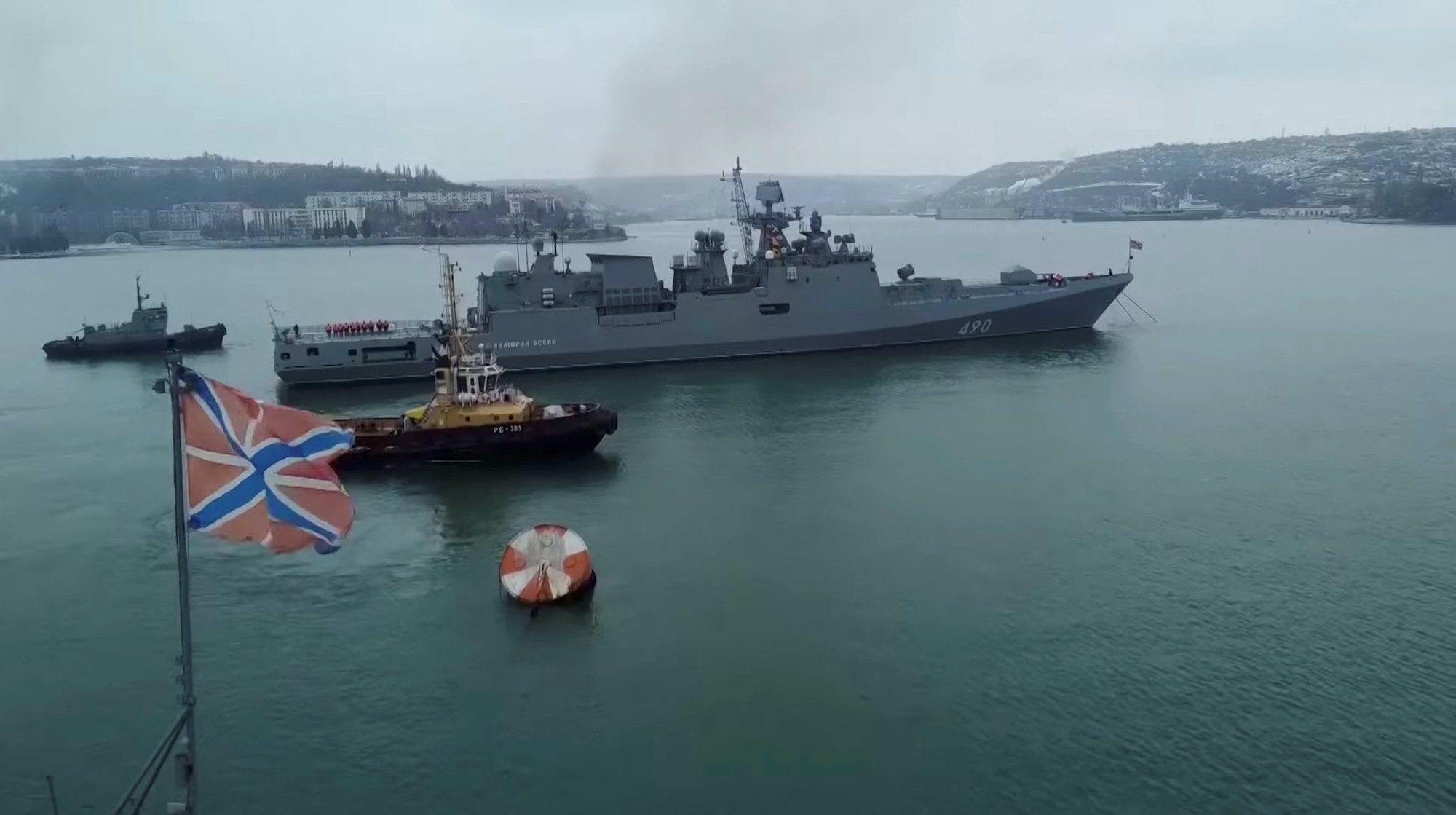
COPENHAGEN, Sept 18 (Reuters) – Denmark is speeding up a donation to Ukraine in response to a recent incident in which a Russian warship fired flares towards a Danish military helicopter, narrowly...
8 hours ago
Total Views: 247
Get The Industry’s Go-To News
Subscribe to gCaptain Daily and stay informed with the latest global maritime and offshore news
— just like 107,369 professionals
Secure Your Spot
on the gCaptain Crew
Stay informed with the latest maritime and offshore news, delivered daily straight to your inbox
— trusted by our 107,369 members
Your Gateway to the Maritime World!
Essential news coupled with the finest maritime content sourced from across the globe.

 Join The Club