Hello Club Members! Here is your weekly Dispatch with all the maritime news you need to know to end your week.
Ship Photo of The Week
A drone view shows cargo ships sailing in Hong Kong, China, October 17, 2025. REUTERS/Tyrone Siu
Top Stories
Trump’s Asia Tour Sets Stage for U.S.–China Trade Truce
President Donald Trump’s whirlwind Asia tour set the stage for Thursday’s landmark trade truce with China following a string of headline deals in Tokyo and Seoul that reinforced his push to rebuild American industrial and maritime power.
In Japan, Trump praised new Prime Minister Sanae Takaichi for pledging to raise defense spending to 2% of GDP and committing up to $400 billion in Japanese investment in U.S. industries, including energy, AI, and critical minerals. The two leaders signed a rare earths deal aimed at reducing China’s dominance in electronic components.
In South Korea, Trump finalized a $350 billion investment agreement with President Lee Jae Myung, including $150 billion earmarked for U.S. shipbuilding and heavy industry. The deal allows Seoul to avoid the steepest U.S. tariffs while helping “restore America’s shipbuilding.”
With those alliances secured, Trump arrived in Busan confident he could clinch a truce with Xi Jinping — and hours later, the two leaders announced one.
Trump and Xi Hit Pause on Tariffs and Port Fees
The U.S. and China have agreed to a one-year trade truce, halting new tariffs and suspending retaliatory port fees that had disrupted global shipping networks.
The agreement, signed in Busan, includes halving U.S. fentanyl-related tariffs to 10%, a one-year pause on rare earth export controls, and the suspension of new Commerce Department tech blacklists. Beijing also agreed to resume U.S. soybean purchases and expand cooperation on fentanyl trafficking.
The deal averts Trump’s threatened 100% tariff on Chinese goods and lowers the overall U.S. tariff rate on Chinese imports to about 47%. Analysts say it restores pre-crisis trade flows more than it reshapes them — but it still marks the most significant U.S.–China thaw since 2019.
Port Fee Suspension Raises Questions for Trump’s Shipbuilding Revival
As part of the truce, Washington and Beijing have suspended port fees on each other’s vessels for one year — offering temporary relief to a rattled shipping industry.
The fees, implemented October 14, were a central pillar of Trump’s strategy to counter China’s shipbuilding dominance under a Section 301 trade investigation. Beijing quickly retaliated with its own levies, forcing costly vessel rerouting and pushing up freight rates.
Industry groups applauded the pause. The International Chamber of Shipping called it “a positive development,” and World Shipping Council CEO Joe Kramek said it was “a win for farmers, exporters, and consumers.”
Still, U.S. labor groups warned that the truce leaves questions about how the administration will rebuild domestic shipbuilding, especially since the port fees—a key pillar of Trump’s shipbuilding revival—were designed to penalize reliance on Chinese-built vessels while incentivizing investment in U.S. yards. The one-year pause gives carriers certainty, but also keeps the next stage of U.S. maritime policy squarely in play.
Hanwha Philly Shipyard in the Spotlight
In Philadelphia, Hanwha Philly Shipyard has become the symbol of Trump’s shipbuilding revival. The South Korean group plans a $5 billion expansion, adding docks and block-assembly lines that could lift output to 20 ships per year. It has already placed orders for 10 product tankers and two LNG carriers, marking the largest U.S. commercial vessel order in two decades.
Trump praised the yard as “one of the most successful in the world” while announcing the U.S.–Korea investment deal. But the expansion faces headwinds from China’s new sanctions on Hanwha Ocean subsidiaries and the broader volatility in maritime trade policy.
Then came a moment that left shipbuilders and policy wonks alike scratching their heads: Trump declared that South Korea would build a nuclear-powered submarine in Philadelphia as part of the trade deal — despite no facility in the region capable of such work. Hanwha Philly Shipyard, while ambitious, is primarily a commercial yard producing tankers and containerships, not nuclear vessels. The remark was widely seen as a flourish of political theater, underscoring Trump’s penchant for bold — if technically impossible — promises tied to his “Make Shipbuilding Great Again” mantra.
SHIPS Act Critical
At the same time in Washington, a Senate subcommittee convened its “Sea Change: Reviving Commercial Shipbuilding” hearing, where experts urged Congress to pass the SHIPS for America Act — legislation that would expand the U.S.-flag fleet, create a Maritime Security Trust Fund, and provide tax incentives for domestic shipbuilding.
“Reviving the U.S. maritime industry is not merely an economic or industrial challenge — it’s a matter of national security,” said Professor Sal Mercogliano. Together, the SHIPS Act, Hanwha’s investment, and the Presidential-ordered Maritime Action Plan due November 5 mark the clearest path yet toward restoring American shipbuilding dominance.
Despite the diplomatic thaw, container freight rates continue their slide into 2026.
According to Xeneta, global average spot rates could fall another 25% next year amid overcapacity and weak demand. Rates from China to the U.S. West Coast have dropped 59% year-on-year to $2,147 per FEU, and East Coast ratesare down 48% to $3,044.
“The truce is a positive development,” said Xeneta’s Emily Stausbøll, “but it will not suddenly breathe life into weakening Transpacific demand.” She added that shippers are still working through bloated inventories and that tariffs remain high enough to dampen imports well into mid-2026.
The truce’s one-year window may steady sentiment, but analysts caution it’s too short to spur supply-chain realignment — or to reverse the freight recession that began in 2024.
Carriers’ GRIs Lift Rates, But for How Long?
Freight indices showed mixed signals this week as carriers prepared to roll out General Rate Increases (GRIs) on November 1.
The Drewry World Container Index rose 4% to $1,822 per FEU, marking a third straight weekly gain after a 17-week slump. Rates from Shanghai to Los Angeles climbed 6%, to $2,438, and to New York rose 4%, to $3,568. On Asia–Europe routes, rates to Rotterdam rose 3% and Genoa5%.
Meanwhile, the Shanghai Containerized Freight Index (SCFI) surged 12% on its Mediterranean leg to nearly $3,966, far outpacing other indices — a gap analysts attribute to forward-looking rate quotes already pricing in November’s GRIs.
“Carriers are using smart capacity management to hold rates up ahead of tender season,” said Xeneta’s Peter Sand, who expects only a brief bump. Most analysts agree: the fundamentals remain weak, and any post-GRI momentum will likely fade before year’s end.
Maritime Investment Wave Pours Into India
Maersk, DP World Announce $7 Billion in New Maritime Commitments
India Maritime Week 2025 turned into a showcase for foreign maritime investment as A.P. Moller – Maersk and DP World unveiled multibillion-dollar expansion plans.
Maersk pledged $2 billion to expand APM Terminals Pipavav in Gujarat, including new container and liquid cargo facilities and improved rail connectivity to the Dedicated Freight Corridor. The company also flagged two vessels under the Indian flag, signed multiple MoUs with local shipyards, and launched Maersk Bharat IFSC Pvt. Ltd. to anchor operations in GIFT City.
DP World followed with an even larger $5 billion commitment, signing five agreements covering green coastal shipping, shipbuilding, ship repair, and logistics innovation, including a MagRail Booster pilot at Deendayal Port.
The investments come just weeks after CMA CGM signed a letter of intent with Cochin Shipyard to build six 1,700-TEU dual-fuel LNG containerships—the first major international boxship order from an Indian yard.
Both announcements align with India’s Maritime Vision 2030 and Maritime Amrit Kaal 2047 programs to modernize ports, expand shipbuilding, and strengthen domestic logistics—cementing India’s emergence as a global maritime hub.
As always, we’d love to hear your feedback. Email [email protected] with any questions, comments, tips, or concerns. Don’t forget to check out the Club Discord and gCaptain.com for the latest maritime news.
2025 Unofficial Networks LLC
Tags:
Subscribe for Daily Maritime Insights
Sign up for gCaptain’s newsletter and never miss an update
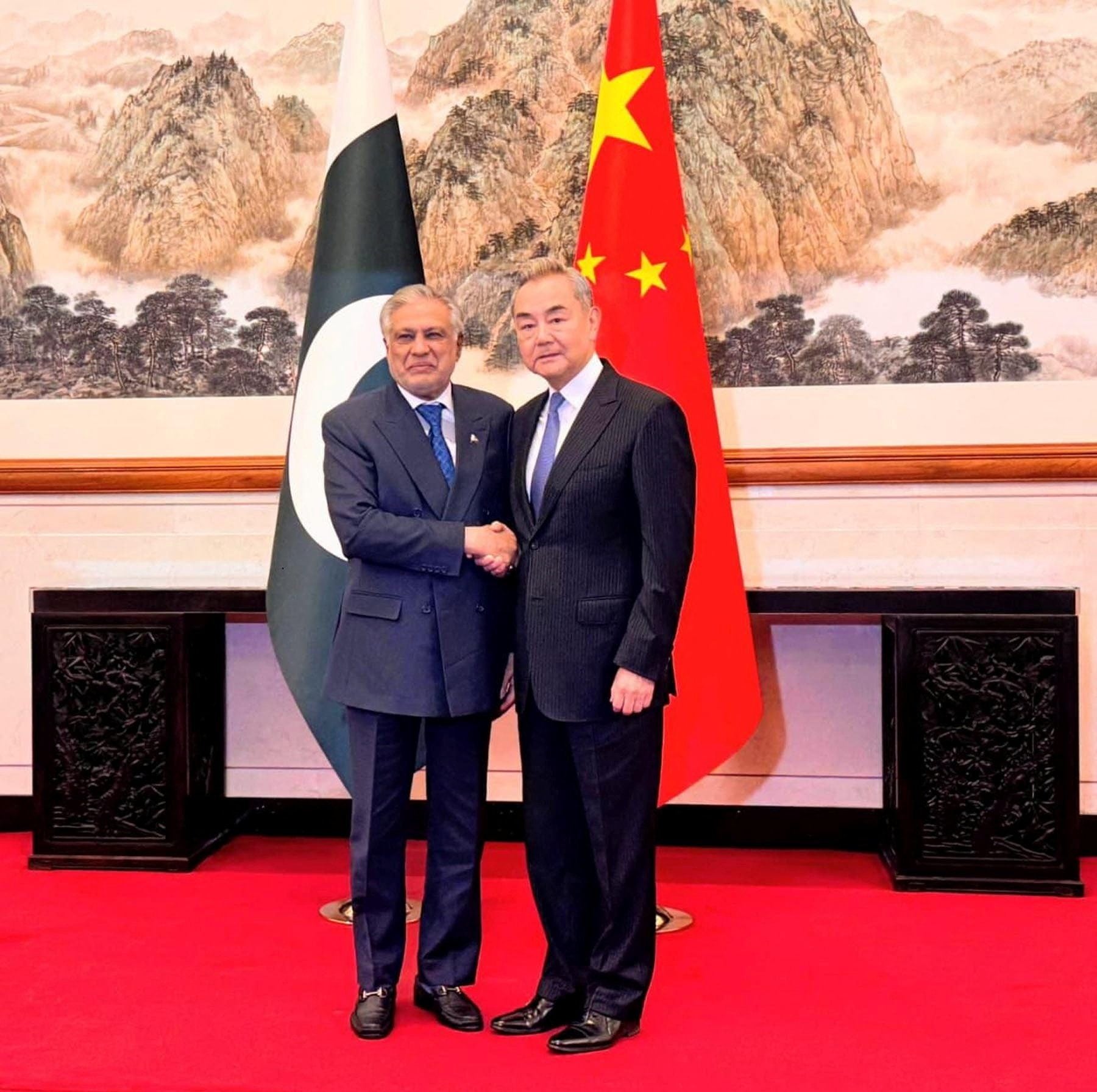
China and Pakistan on Tuesday jointly proposed a five-point peace initiative calling for an immediate ceasefire and the rapid launch of negotiations to end escalating conflict in the Middle East, as both countries stepped up diplomatic efforts to defuse a widening regional crisis.
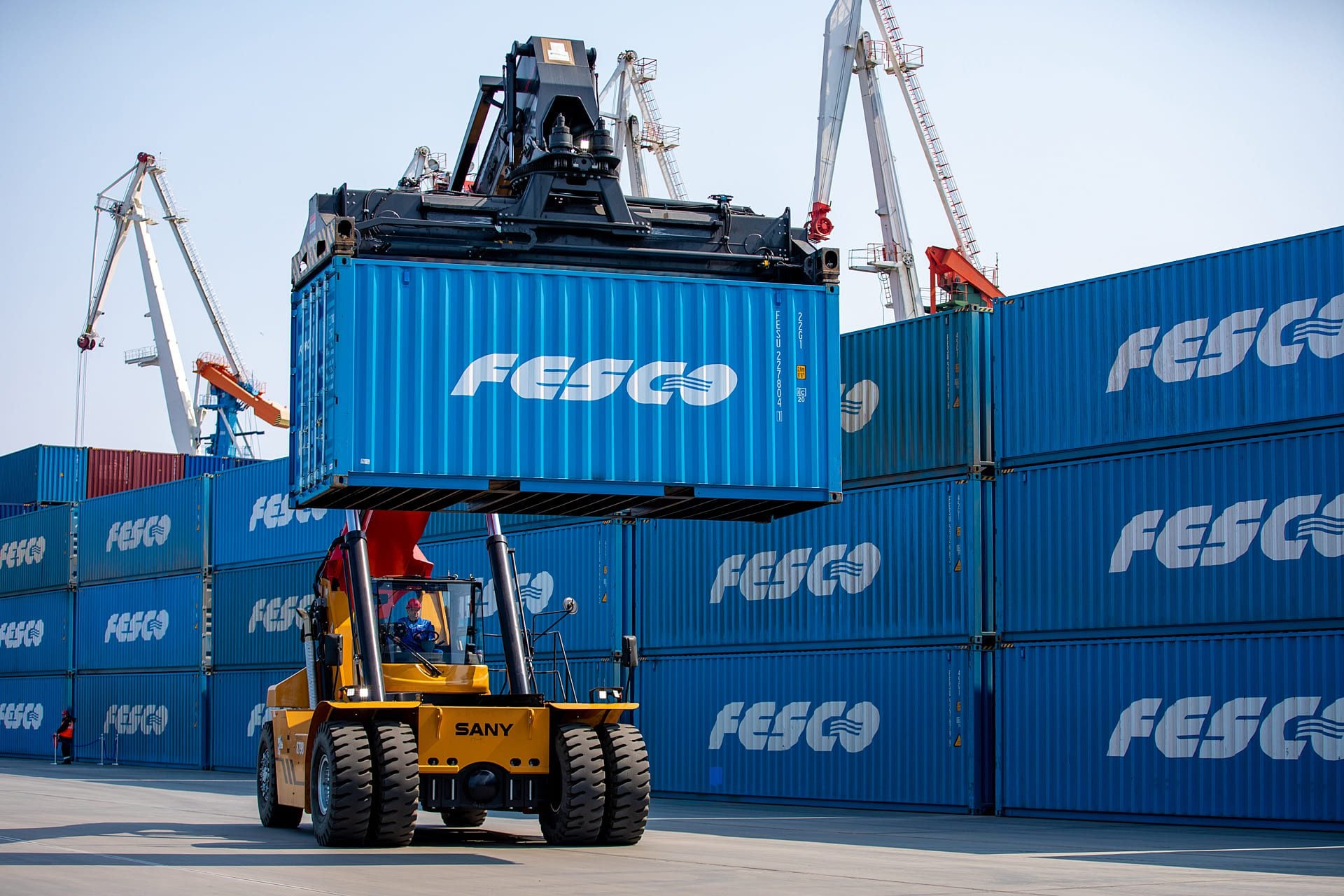
The United States has removed sanctions on three Russian-flagged vessels, including container ships Fesco Moneron and Fesco Magadan and the cargo ship Sv Nikolay, the Treasury Department said on Tuesday, in a move officials described as routine and not indicative of a broader change in Russia policy.
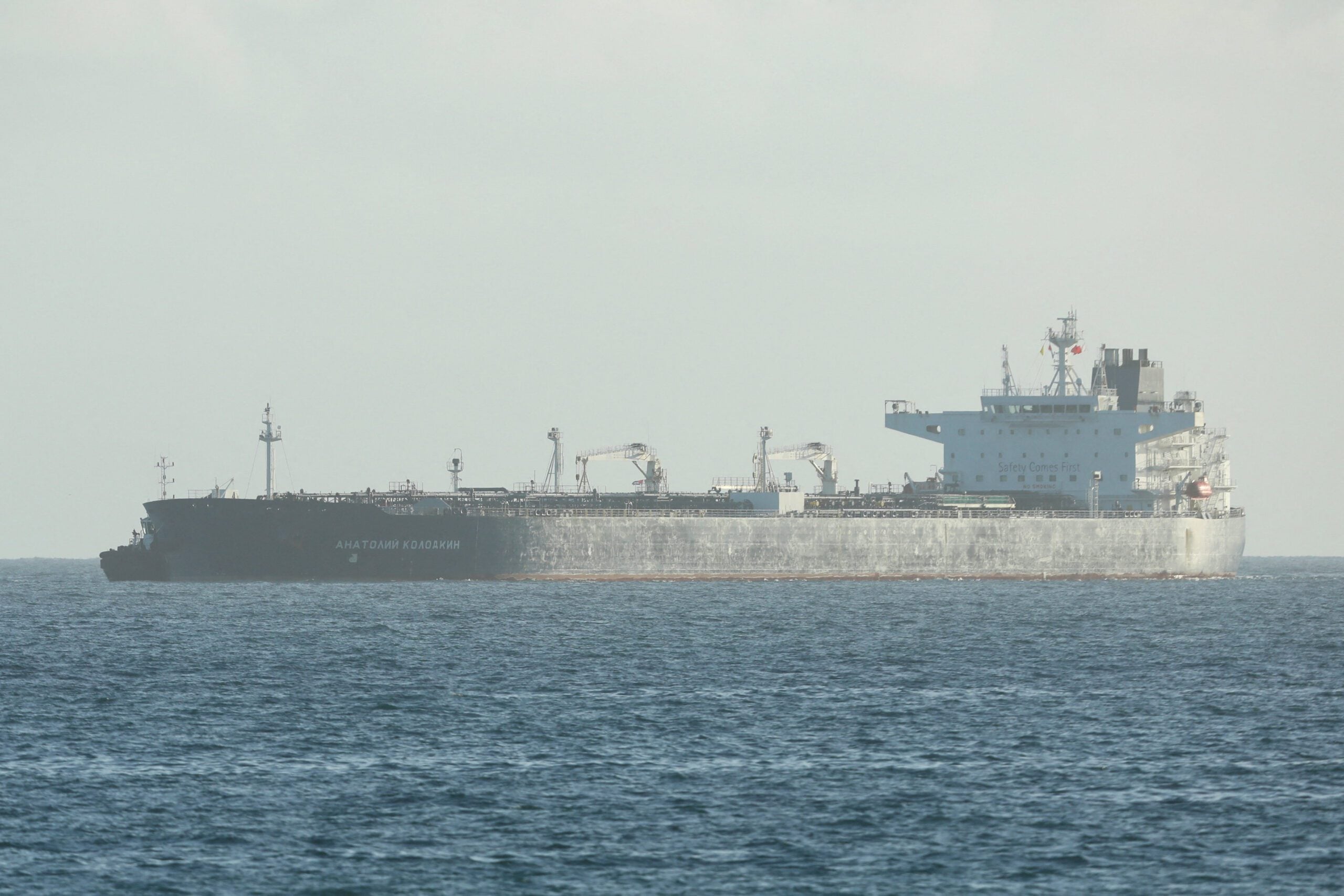
A Russian-flagged tanker carrying some 700,000 barrels of crude docked in Cuba's Matanzas oil terminal on Tuesday, shipping data showed, marking the first significant oil delivery to the island since President Donald Trump's administration cut off its fuel supply.
9 hours ago
Total Views: 379
Get The Industry’s Go-To News
Subscribe to gCaptain Daily and stay informed with the latest global maritime and offshore news
— just like 107,398 professionals
Secure Your Spot
on the gCaptain Crew
Stay informed with the latest maritime and offshore news, delivered daily straight to your inbox
— trusted by our 107,398 members
Your Gateway to the Maritime World!
Essential news coupled with the finest maritime content sourced from across the globe.

 Join The Club