Japan’s Mitsui O.S.K. Lines (MOL) is holding back from moving vessels through the Strait of Hormuz until it receives clearer safety assurances and guidance from the Japanese government, its chief executive said on Thursday, underscoring continued uncertainty despite a tentative ceasefire in the region.
Jotaro Tamura, who took over as president and CEO this month, said the company is ready to resume transits as soon as conditions allow but remains cautious amid lingering risks following the recent U.S.-Iran conflict.
“It’s not yet clear how this ceasefire will be implemented in the relevant waters,” Tamura told Reuters. “It must be confirmed that the safety risks are sufficiently low.”
A two-week ceasefire agreement has eased some tensions, but there has been no confirmation that Iran has fully lifted restrictions on the strategic waterway, a chokepoint for roughly a fifth of global oil consumption. Shipping activity in the area has been severely disrupted, tightening energy supply chains and raising freight and insurance costs.
Tamura said MOL is also waiting for official direction from Tokyo before proceeding. “We are awaiting guidance from the Japanese government,” he added, highlighting the importance of coordination given the security risks.
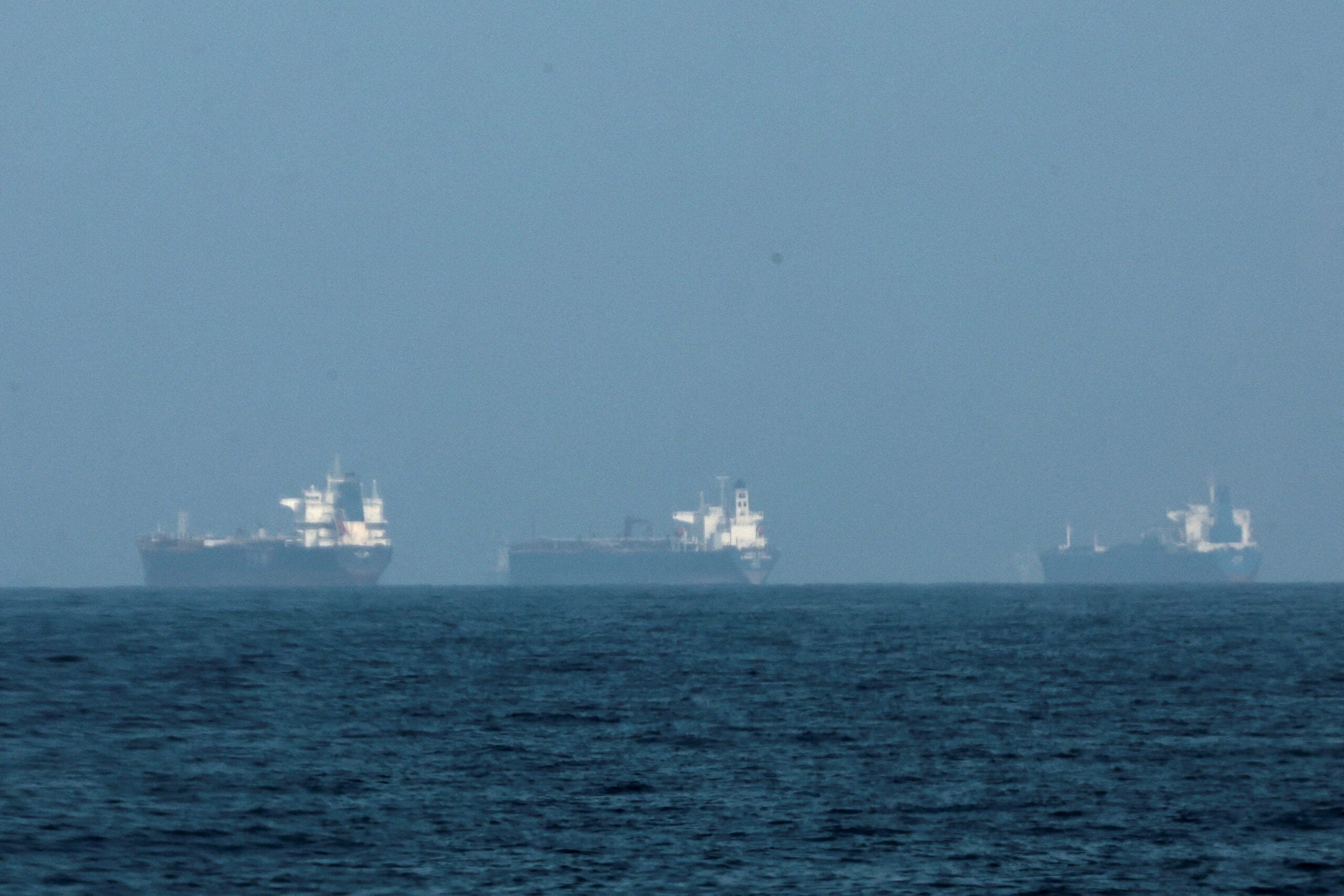
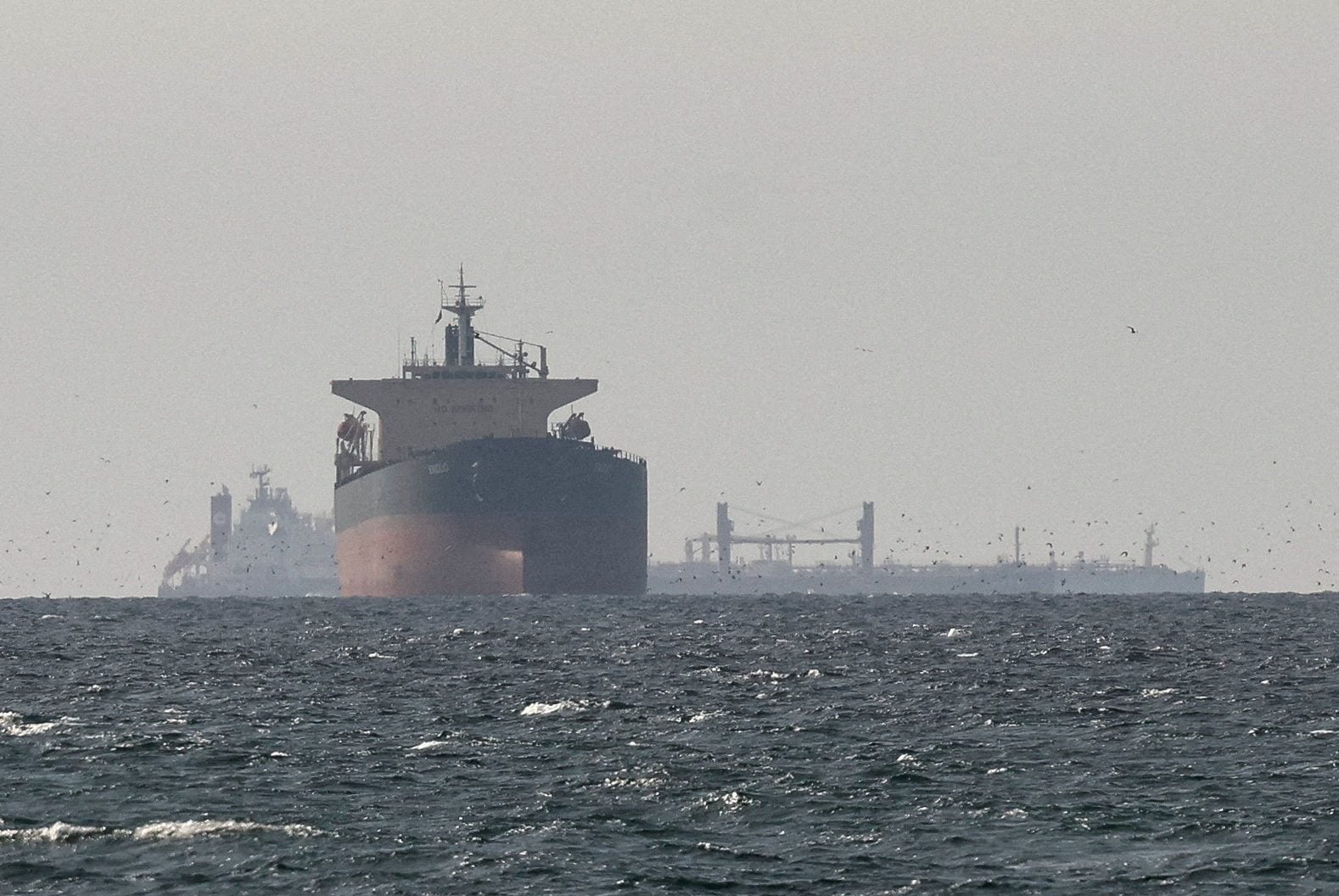
Some movement has resumed. Three MOL-operated tankers, including a liquefied natural gas (LNG) carrier and two LPG vessels, crossed the strait earlier this month, marking the first Japan-linked shipments through Hormuz since the conflict began. However, multiple vessels remain in the Gulf, awaiting safer passage conditions.
The company has secured sufficient fuel supplies to maintain operations through the end of May, Tamura said, but warned that prolonged instability could begin to weigh on global manufacturing and shipping demand.
“If the conflict drags on, raw material shortages could affect manufacturing activity and reduce cargo volumes,” he said.
At the same time, Tamura noted that longer-term shifts could benefit the shipping sector, as companies reconsider supply chains and prioritize resilience over cost efficiency.
Editorial Standards · Corrections · About gCaptain

 Join The Club