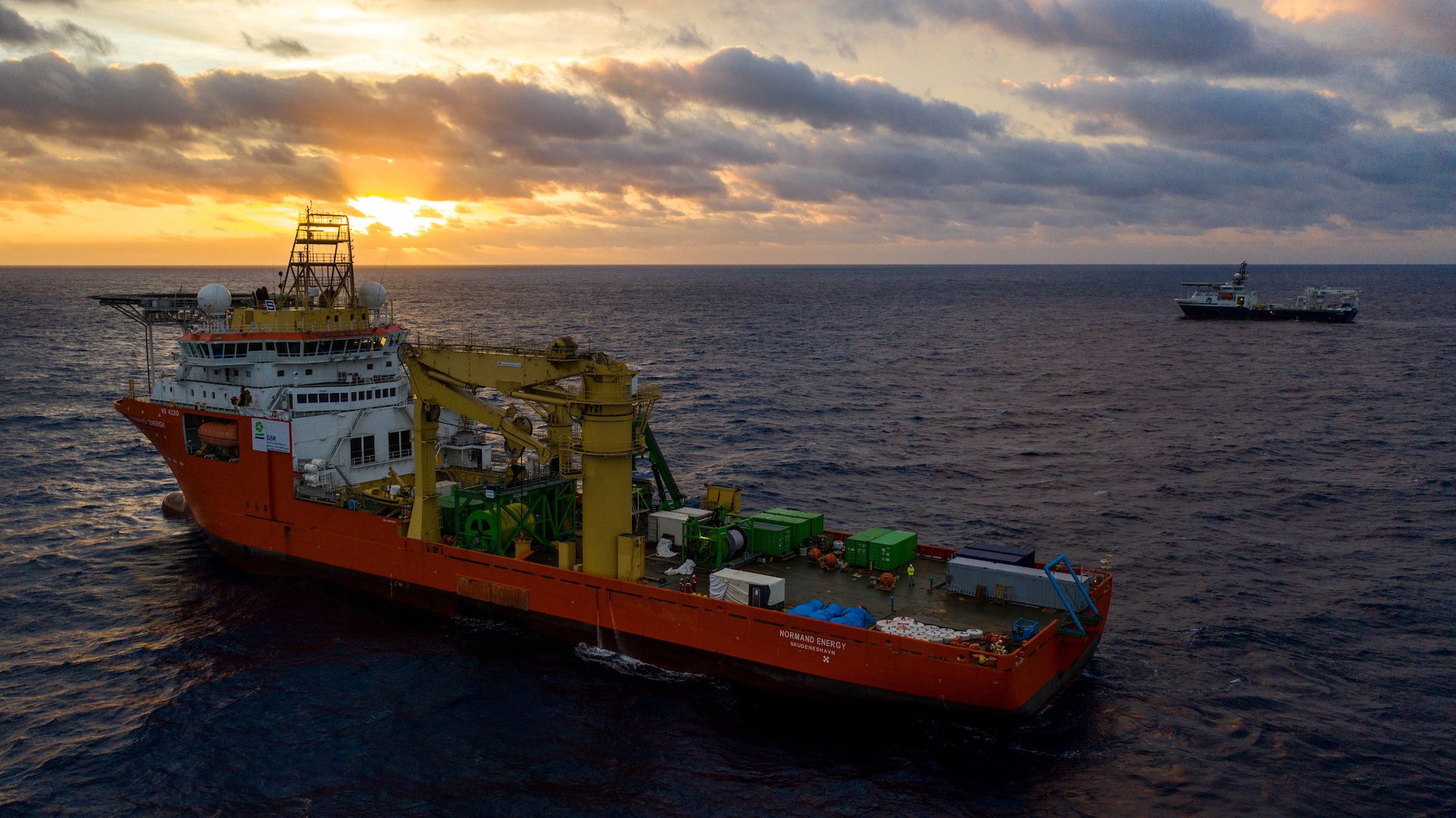
Deep Sea Minerals Corp. says it has cleared an important regulatory hurdle in its effort to explore for critical minerals on the Pacific seabed after receiving a “substantial compliance” determination from the National Oceanic and Atmospheric Administration (NOAA).
The Vancouver-based company announced this week that NOAA determined its application under the Deep Seabed Hard Mineral Resources Act (DSHMRA) contains the information required to advance through the federal review process for exploration and potential commercial recovery of polymetallic nodules in international waters.
“This marks a significant step forward for Deep Sea Minerals and reinforces our commitment to advancing responsible, science-based development of critical mineral resources,” CEO James Deckelman said in a statement.
The company submitted its application in March through its U.S. subsidiary, American Ocean Minerals Corp., seeking an exploration license covering a portion of the Clarion-Clipperton Zone, a vast Pacific Ocean region between Hawaii and Mexico believed to contain significant deposits of nickel, cobalt, copper, and manganese.
Deep Sea Minerals said the concession area could ultimately encompass approximately 150,000 square kilometers if fully approved.
The announcement comes as the Trump administration accelerates efforts to secure domestic and allied sources of critical minerals used in batteries, defense systems, advanced manufacturing, and energy infrastructure.
Last year, the Bureau of Ocean Energy Management advanced offshore critical mineral leasing efforts in U.S. Pacific territories, including American Samoa and the Northern Mariana Islands, following President Trump’s executive order directing federal agencies to fast-track development of seabed mineral resources.
While BOEM’s efforts focus on resources within U.S. territorial waters and the Outer Continental Shelf, NOAA’s DSHMRA program governs U.S.-sponsored exploration and mining activities in areas beyond national jurisdiction.
The DSHMRA framework predates the International Seabed Authority, the United Nations-backed body that regulates seabed mining in international waters. Because the United States has never ratified the U.N. Convention on the Law of the Sea, it continues to maintain its own licensing system for U.S. companies under DSHMRA.
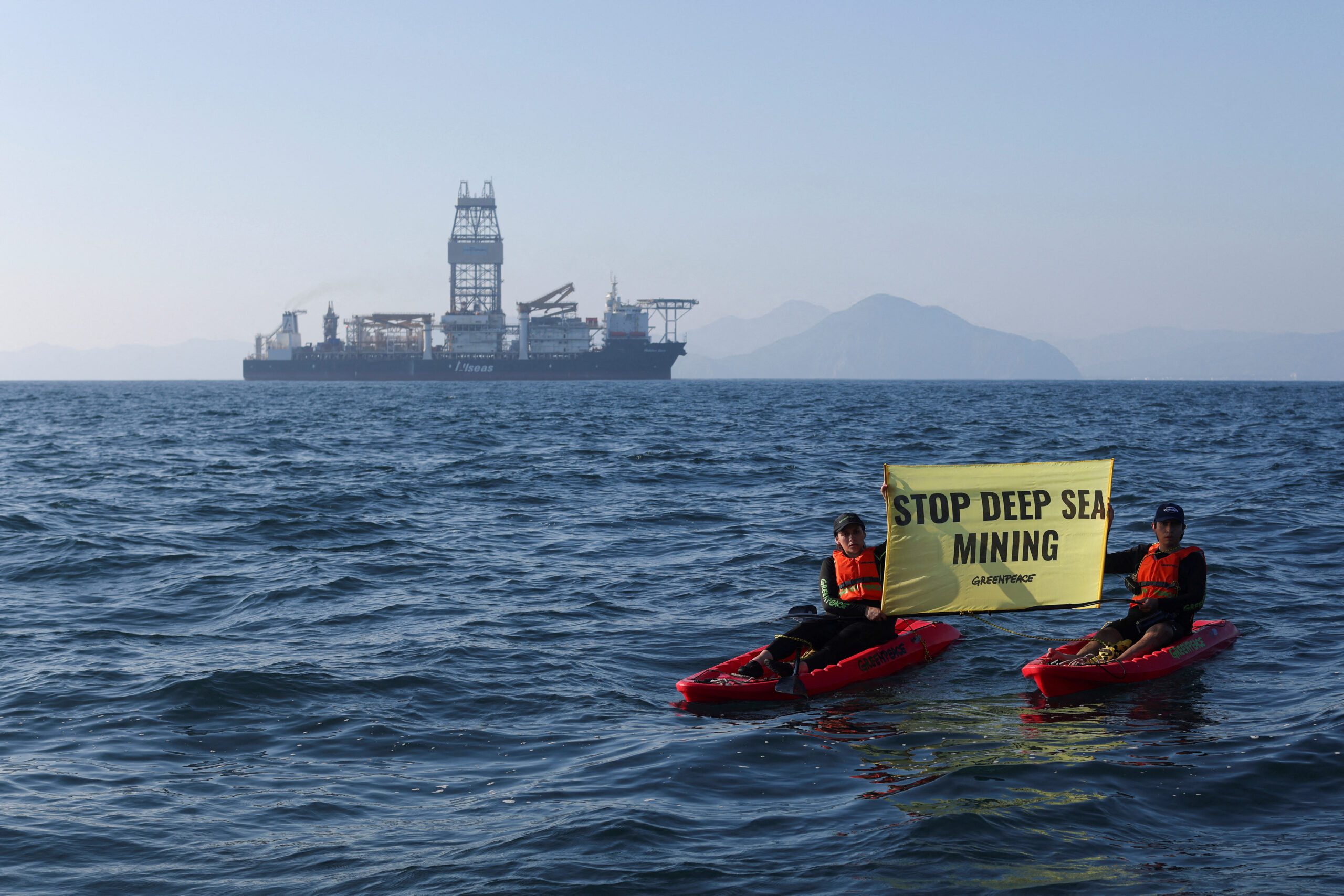
Supporters of deep-sea mining argue that polymetallic nodules offer a potential alternative source of critical minerals at a time when supply chains are heavily dependent on China and other foreign producers. Environmental groups, however, continue to raise concerns about potential impacts on fragile deep-ocean ecosystems, prompting calls for additional scientific study before commercial-scale extraction begins.
Deep Sea Minerals also recently announced plans to pursue a listing on the Nasdaq Capital Market as it seeks to broaden access to U.S. investors and raise its profile within the growing critical minerals sector.
The company said the determination places it among a small group of publicly traded firms advancing through the U.S. seabed mining approval process. The finding does not constitute regulatory approval, however, and substantial reviews remain before NOAA could issue an exploration license.
Editorial Standards · Corrections · About gCaptain

 Join The Club