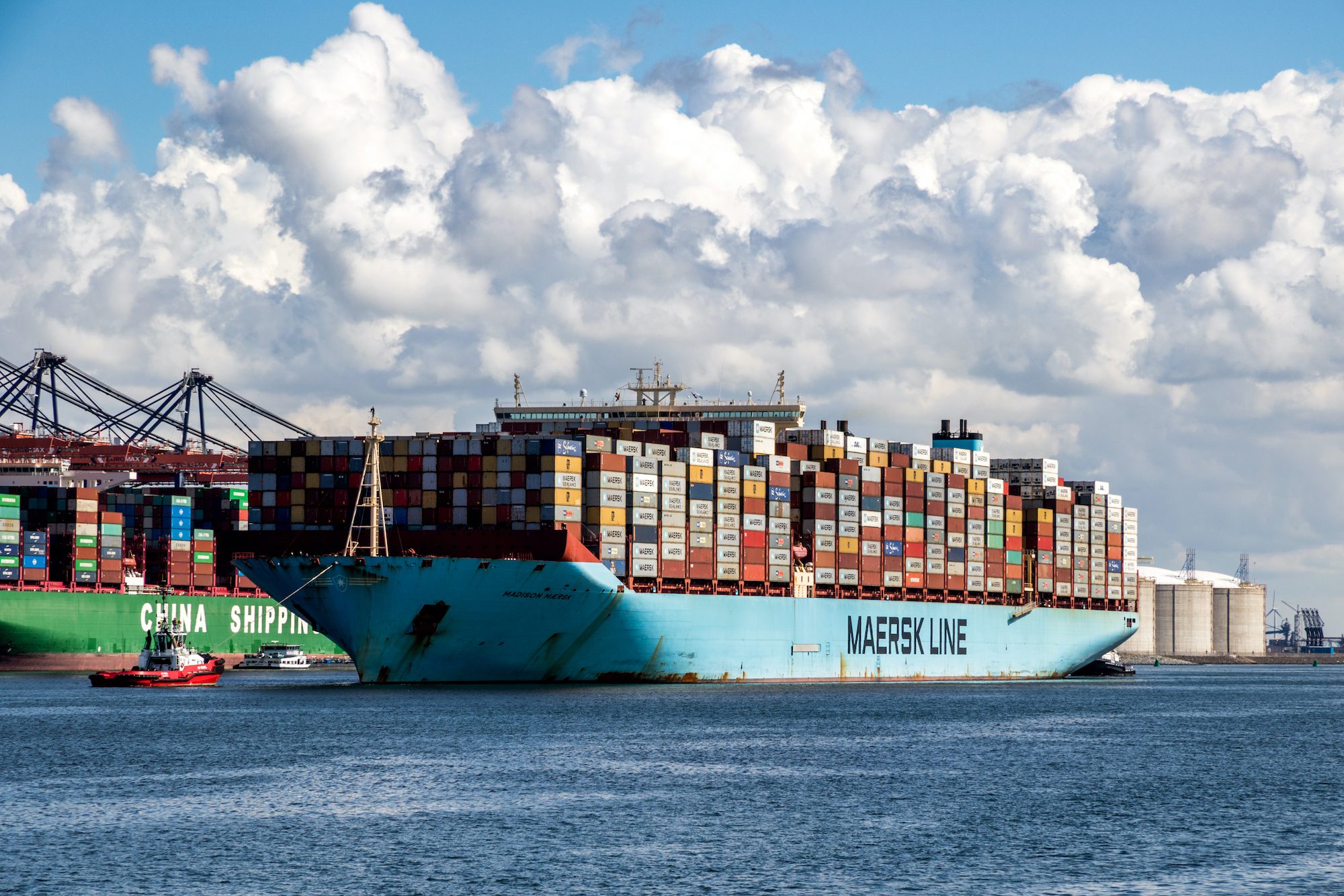
A.P. Moller – Maersk slipped into the red in its Ocean division during the fourth quarter, posting its first quarterly loss in years as the container giant navigates the difficult shift from Cape of Good Hope diversions back toward Suez Canal transits.
Maersk reported a negative $153 million EBIT for Ocean in Q4 2025, down sharply from $567 million in the previous quarter and $1.6 billion a year earlier. The loss came despite 8% volume growth, with freight rates weighed down by persistent overcapacity across the global container fleet.
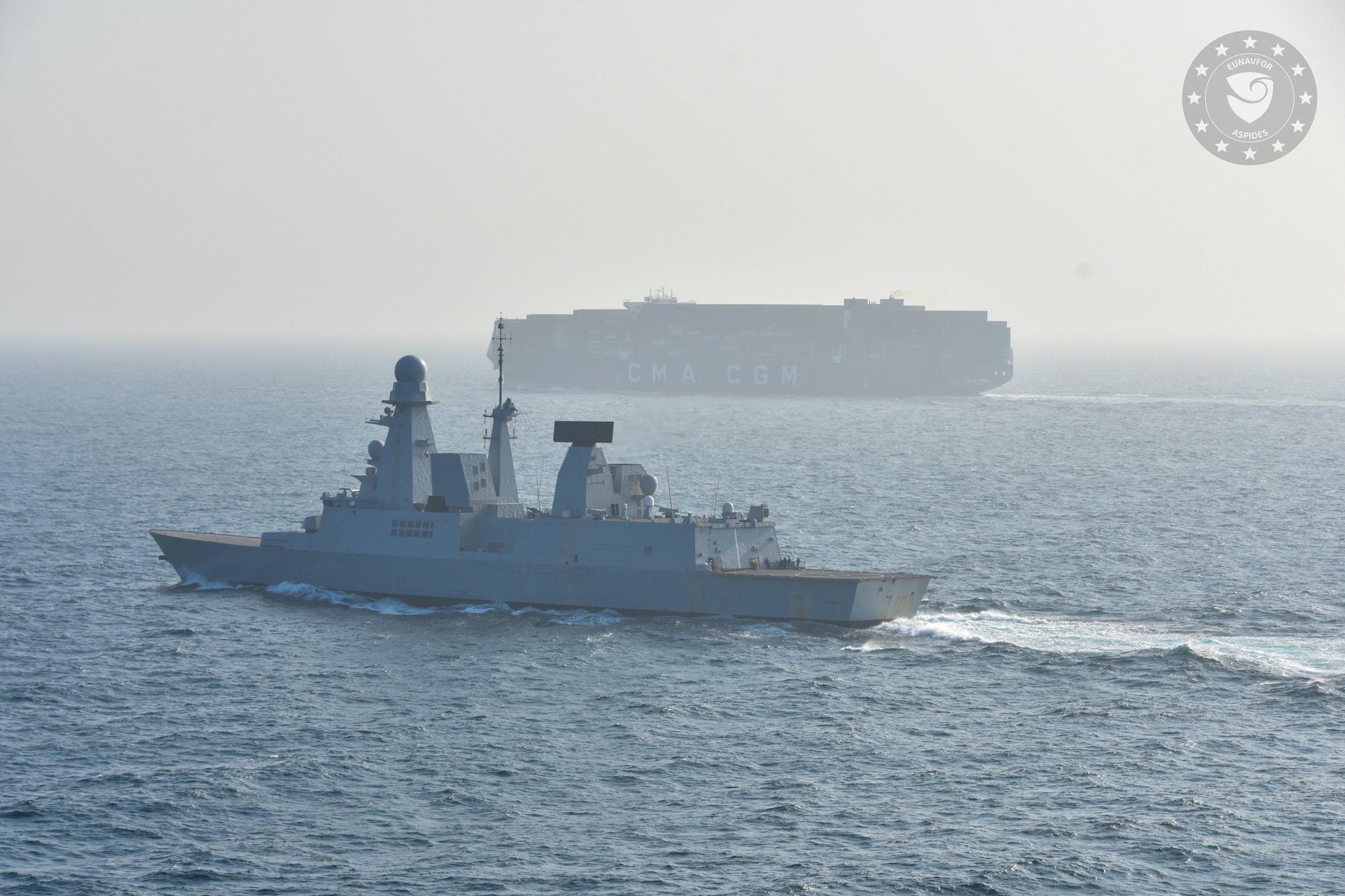
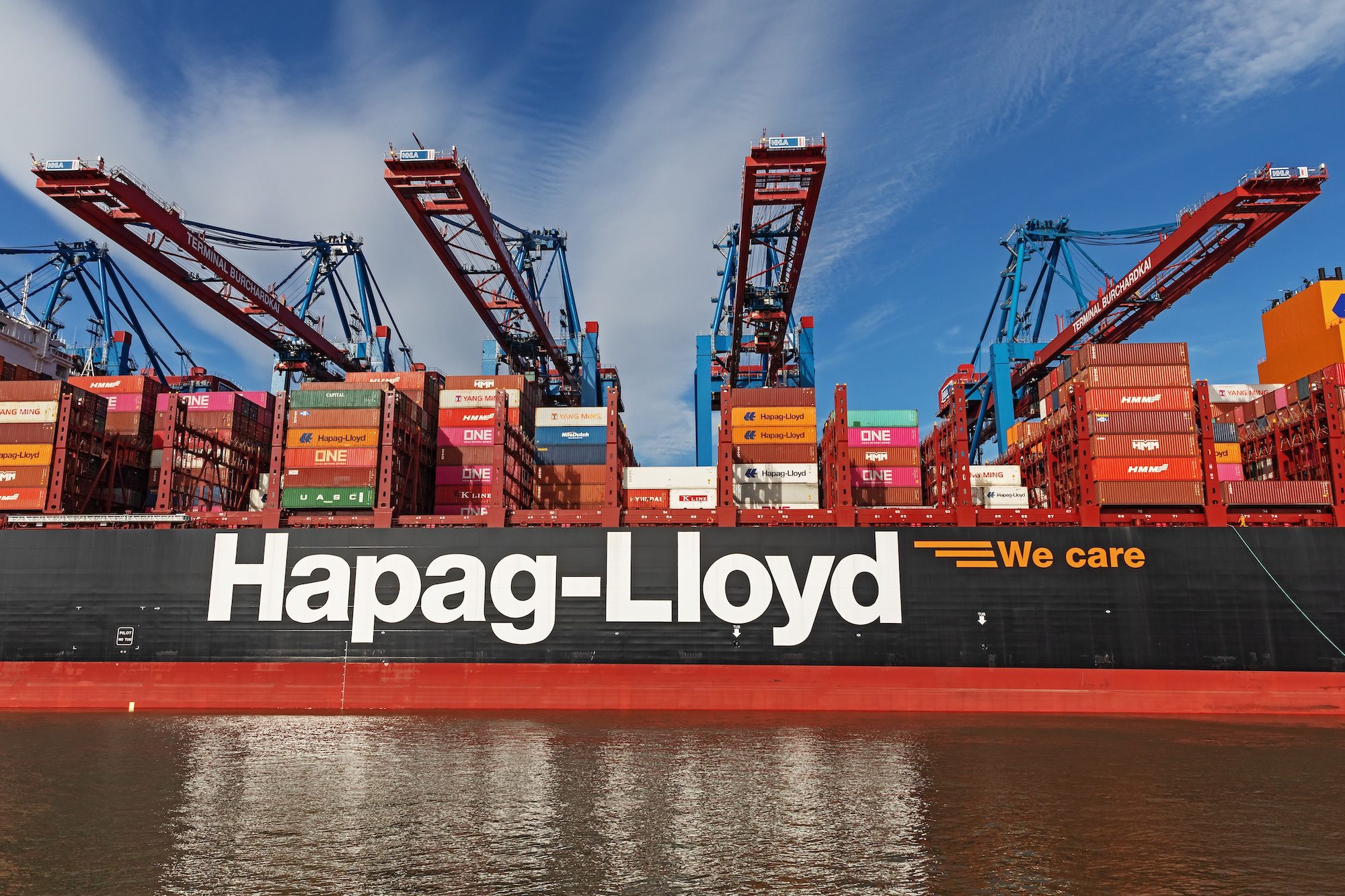
The setback highlights the fragile balance carriers now face as the Red Sea shipping corridor gradually reopens after more than two years of disruption caused by Houthi attacks. From mid-February, Maersk and partner Hapag-Lloyd will resume Red Sea and Suez Canal transits on their Gemini Cooperation’s ME11 service, calling the move a “cautious step” toward restoring traffic through one of the world’s most strategically important routes.
For the full year, however, Maersk still delivered solid results. Revenue reached $54.0 billion, with EBITDA of $9.5 billion and EBIT of $3.5 billion, landing at the top end of guidance. Ocean volumes grew 4.9%, broadly in line with the market, despite continued volatility.
“We delivered a strong performance and high value for our customers in a year where supply chains and global trade continued to be reshaped by evolving geopolitics,” CEO Vincent Clerc said. He pointed to reliability above 90% across Maersk’s East-West network and cost savings that exceeded expectations.
Looking ahead, Maersk expects global container demand growth of just 2–4% in 2026 and issued wide EBIT guidance ranging from a $1.5 billion loss to a $1.0 billion profit, reflecting uncertainty around capacity growth and the pace of any sustained Red Sea reopening.
To protect margins, the company said it will cut $180 million in annual corporate overhead, eliminating about 1,000 positions, roughly 15% of its corporate workforce. The board also approved a $1.0 billion share buyback to be executed over the next 12 months.
Away from Ocean, Maersk’s Terminals business posted its strongest year on record, with revenue up 20% on higher volumes, improved pricing, and stronger storage income. Q4 EBIT came in at $321 million, down from the prior quarter due to one-off impairments but still reflecting robust underlying demand.
The return to Red Sea routing brings clear operational gains. Westbound ME11 sailings from Mundra to Europe will be 19 days shorter, while eastbound voyages will save seven days. Even so, both Maersk and Hapag-Lloyd stressed that further shifts back to the Red Sea depend on security conditions holding.
Before attacks began in late 2023, the canal handled roughly 12% of global seaborne trade, with about 80 containerships per week. By mid-January 2026, weekly transits had recovered to just 26 ships, still well below historical norms.
The Red Sea route via Bab el-Mandeb is the fastest and most efficient link between Asia and Europe. After nearly 800 days of Cape diversions, its cautious return will test whether that logic holds in practice—or whether the world’s most critical maritime shortcut remains a calculated risk rather than a full-scale reopening.
Editorial Standards · Corrections · About gCaptain

 Join The Club