The partners behind LNG Canada have approved a major expansion of the British Columbia export terminal, clearing the way to double its production capacity to 28 million tonnes of LNG per year.
Shell, PETRONAS, PetroChina, Mitsubishi Corporation and KOGAS have taken a final investment decision on LNG Canada Phase 2, the companies announced Tuesday.
The expansion will add two liquefaction trains to the existing two-train facility in Kitimat, along with another LNG storage tank, condensate tank and loading berth. Utilities and other processing systems will also be expanded.
Shell said commercial operations from Phase 2 are expected to begin in the early 2030s.
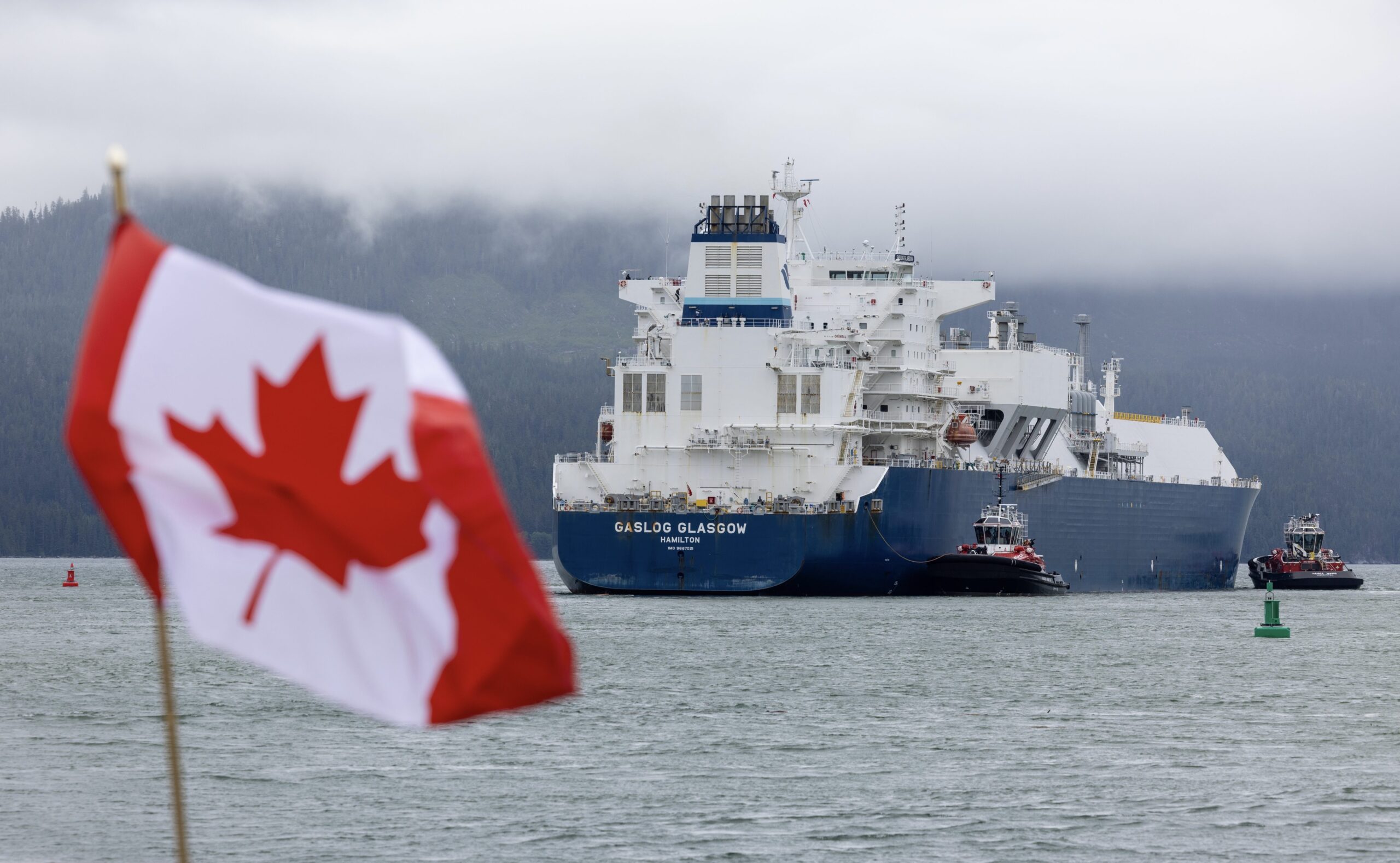
The decision represents a significant expansion of Canada’s LNG export capacity just over a year after LNG Canada began shipping cargoes from the country’s first large-scale LNG export terminal.
Phase 1 began operations on June 30, 2025, and has since shipped more than 100 LNG cargoes from Kitimat. Phase 2 will increase nameplate capacity from 14 million tonnes per annum to 28 million tonnes.
“Phase 2 will double LNG Canada’s capacity from 14 to 28 million tonnes a year,” LNG Canada President and CEO Chris Cooper said.
The expansion will also require more gas transportation capacity through the 670-kilometer Coastal GasLink pipeline connecting northeastern British Columbia gas supplies with Kitimat. LNG Canada said five new compressor stations will be built to increase pipeline capacity.
The existing terminal and supporting infrastructure were designed from the outset to accommodate four LNG trains.
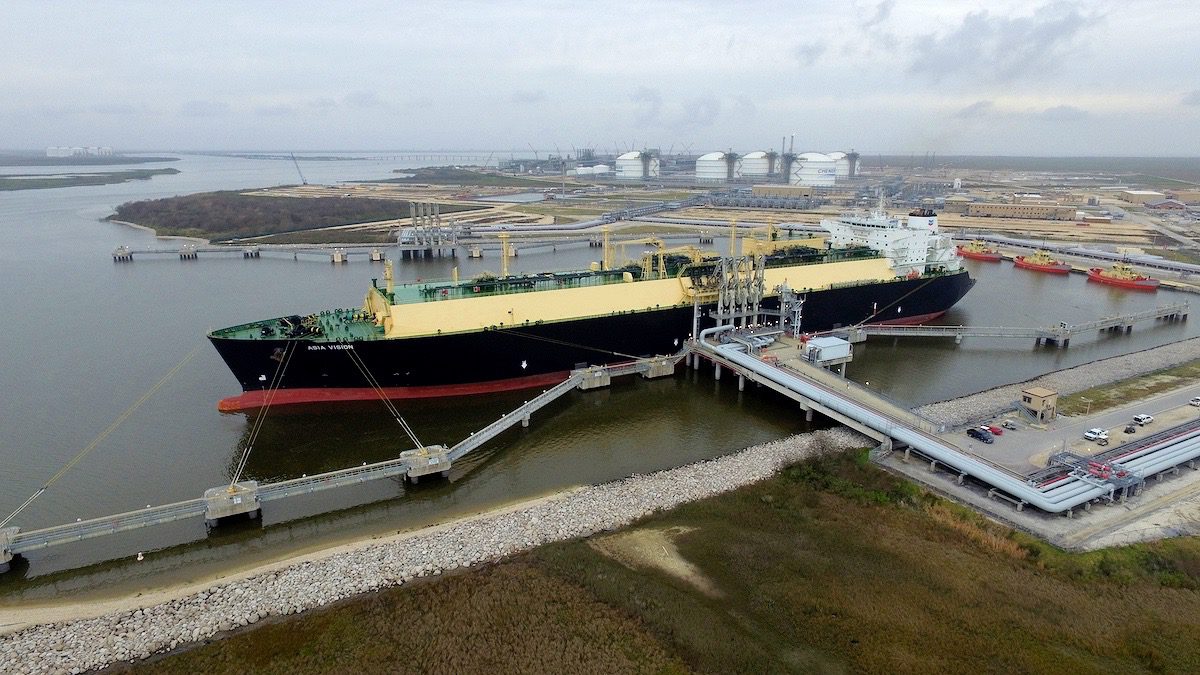
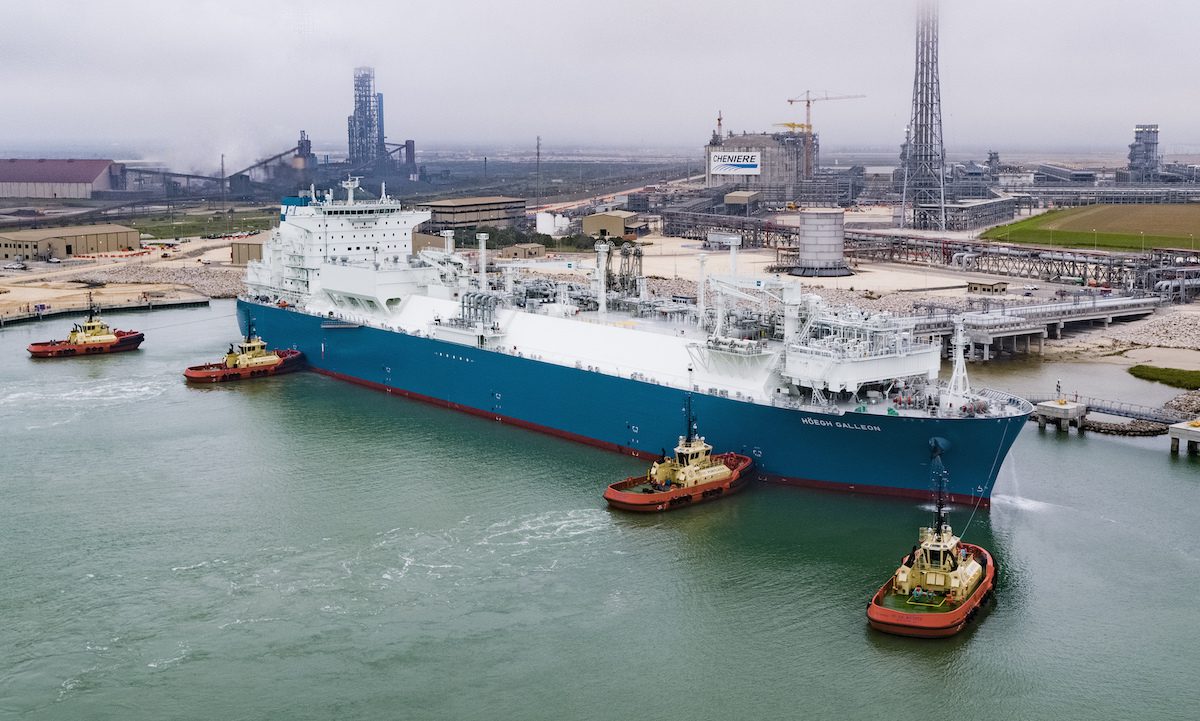
For shipping, the expansion would effectively double the amount of LNG available for export from Kitimat. LNG Canada says its West Coast location allows cargoes to reach Asian markets in roughly 10 days, avoiding the longer voyage from the U.S. Gulf Coast and the Panama Canal.
Shell owns 40% of LNG Canada, followed by PETRONAS with 25%, PetroChina and Mitsubishi Corporation with 15% each, and KOGAS with 5%. Under the project’s equity-lifting structure, each partner supplies gas and takes its proportional share of LNG production.
Shell said its share of the expansion will give it nearly 6 million tonnes per year of additional LNG. The company pointed to growing Asian demand as one of the drivers behind the investment.
The final investment decision also advances a proposed Indigenous ownership investment announced in July. MNT Investments LP, representing the economic development organizations of the Gitga’at, Gitxaa?a, Haisla, Kitselas and Kitsumkalum First Nations, has an option to invest up to C$1 billion in a special-purpose entity that would own the new LNG storage tank planned for Phase 2.
LNG Canada expects construction to support as many as 4,000 jobs in Kitimat at peak activity, while construction of the Coastal GasLink compressor stations is expected to require about 2,100 workers.
The project was referred to Canada’s Major Projects Office in September 2025 and has been treated by the federal and British Columbia governments as a priority project as Canada looks to expand energy exports beyond the United States.
Once Phase 2 is completed, LNG Canada would rank among the world’s larger LNG export facilities and significantly increase Canada’s presence in the global LNG trade.

 Join The Club