China’s nuclear regulator has granted Jiangnan Shipyard (Group) Co., Ltd. approval to manufacture and install key civil nuclear safety equipment, a move that could signal progress on a new generation of nuclear-powered maritime platforms, from experimental container ships to polar icebreakers.
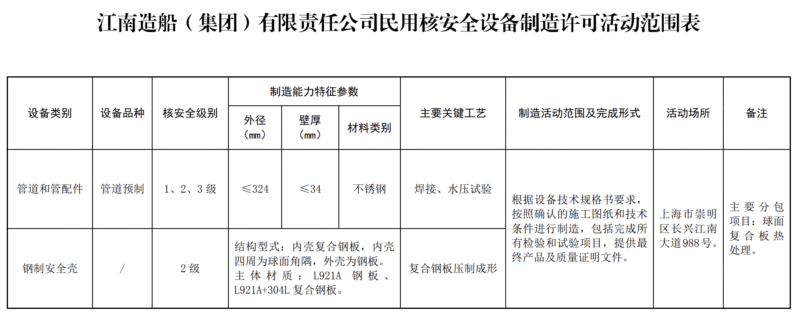
China’s National Nuclear Safety Administration has authorized Jiangnan Shipyard to begin work on specific civil nuclear safety equipment, including the manufacture and installation of a steel reactor containment vessel and the installation of control rod drive mechanisms for a small floating reactor. The approvals stem from two applications filed by the yard and are understood to be valid for five years, giving the company a substantial window to execute nuclear-related shipbuilding work.
While the permits (here and here) do not explicitly identify a specific vessel or project, they fit neatly into Jiangnan’s publicly discussed involvement in multiple nuclear-powered maritime initiatives. In addition, Chinese media report that Jiangnan published several tender notices related to the construction of a “low alloy steel containment vessel.”
One of the most widely reported projects linked to Jiangnan is a proposed nuclear-powered container ship, often described as a next-generation box carrier designed to operate with minimal emissions over ultra-long routes. Concept designs have circulated in recent years showing a large container vessel equipped with a compact reactor providing propulsion and onboard power.
Parts of a Civil nuclear safety equipment installation license for Jiangnan Shipyard (Group) Co., Ltd.. (Source: mee.gov.cn)
The project has been discussed as a joint effort involving Chinese shipbuilders, nuclear engineering firms, and classification societies. However, no keel has yet been laid publicly, and the design appears to remain in feasibility or pre-engineering stages. The newly granted containment and control mechanism approvals could represent early steps toward building reactor modules or testing infrastructure tied to such a vessel.
Jiangnan is also linked to a consortium led by China National Nuclear Corporation developing nuclear-powered icebreakers. Details remain sparse, but Chinese media and industry briefings have periodically referenced design work and possible construction starts. The vessel’s design was unveiled in December.
A nuclear icebreaker would allow China to sustain year-round Arctic operations without refueling, strengthening logistical reach along emerging polar shipping routes. Such vessels would also support China’s long-term ambitions in Arctic research, resource exploration, and maritime presence.
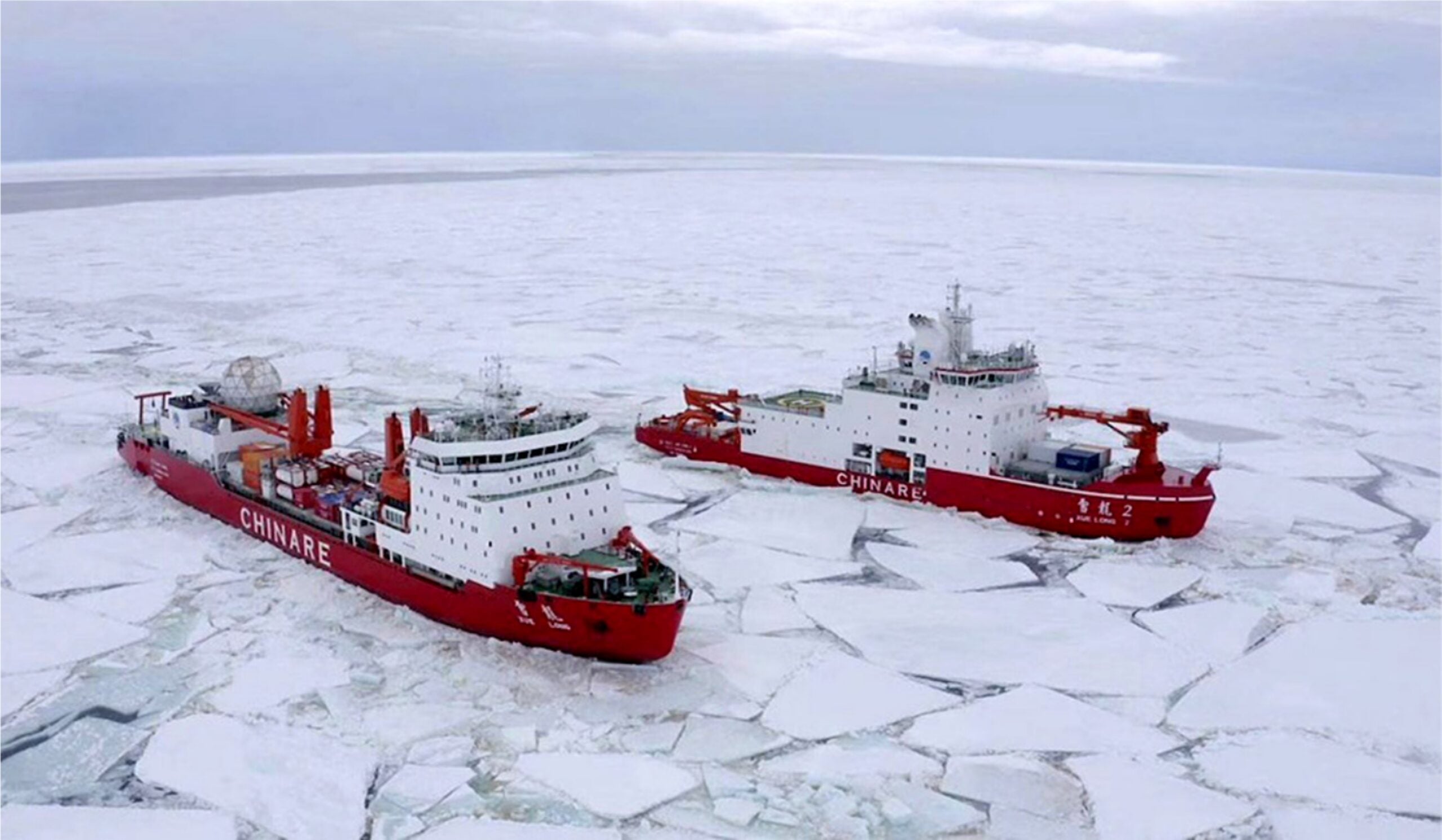
Jiangnan’s involvement in icebreaker construction is already proven: the yard built China’s first domestically constructed polar research icebreaker, Xue Long 2, which entered service in 2019. That project demonstrated its ability to integrate advanced hull forms, propulsion systems, and polar engineering standards.
China’s shipbuilding industry has expanded rapidly over the past decade, dominating global commercial ship orders while simultaneously accelerating naval construction. Major yards are now pushing into advanced propulsion technologies, including LNG, ammonia, methanol, and potentially nuclear.
If realized, nuclear-powered container ships or icebreakers would mark a significant technological leap.
The new nuclear safety equipment license does not confirm which project Jiangnan will pursue, or whether multiple programs are advancing in parallel. But the approval aligns with the yard’s stated ambitions and provides the regulatory foundation needed to fabricate reactor containment structures and related systems.
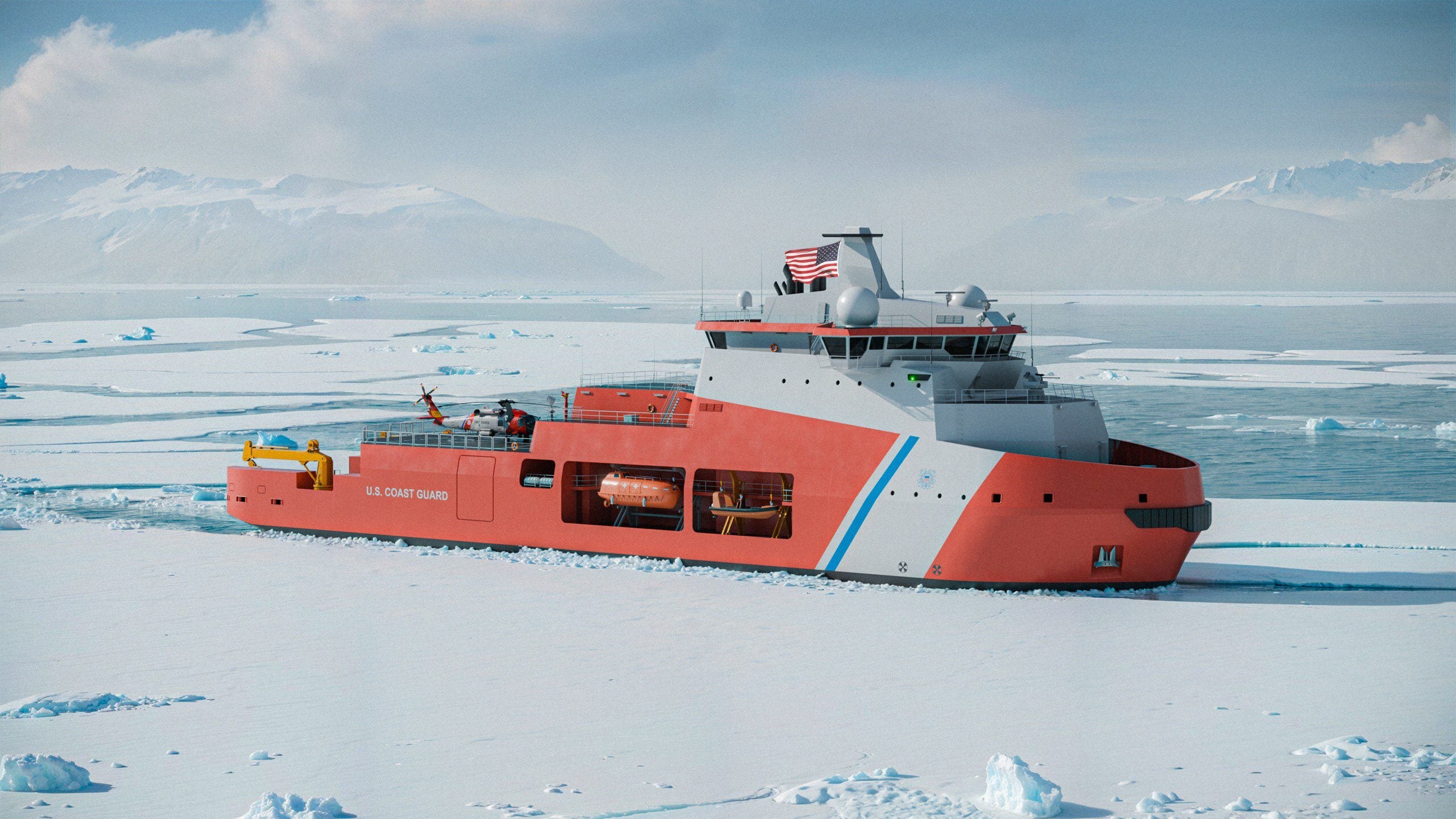
The U.S. Coast Guard has completed contract awards for all 11 Arctic Security Cutters, closing out a major icebreaker expansion aimed at strengthening U.S. presence and operational capability in the Arctic amid rising competition in the High North.
The United States just signed contracts for Finland to build American warships, a stark admission that the world's most powerful navy can no longer construct the specialized vessels it desperately needs.
President Donald Trump has signed a Presidential Memorandum authorizing the construction of up to four Arctic Security Cutters (ASCs) in Finland, addressing urgent national security needs in the increasingly contested...
October 9, 2025
Total Views: 1817
Get The Industry’s Go-To News
Subscribe to gCaptain Daily and stay informed with the latest global maritime and offshore news
— just like 107,200 professionals
Secure Your Spot
on the gCaptain Crew
Stay informed with the latest maritime and offshore news, delivered daily straight to your inbox
— trusted by our 107,200 members
Your Gateway to the Maritime World!
Essential news coupled with the finest maritime content sourced from across the globe.

 Join The Club