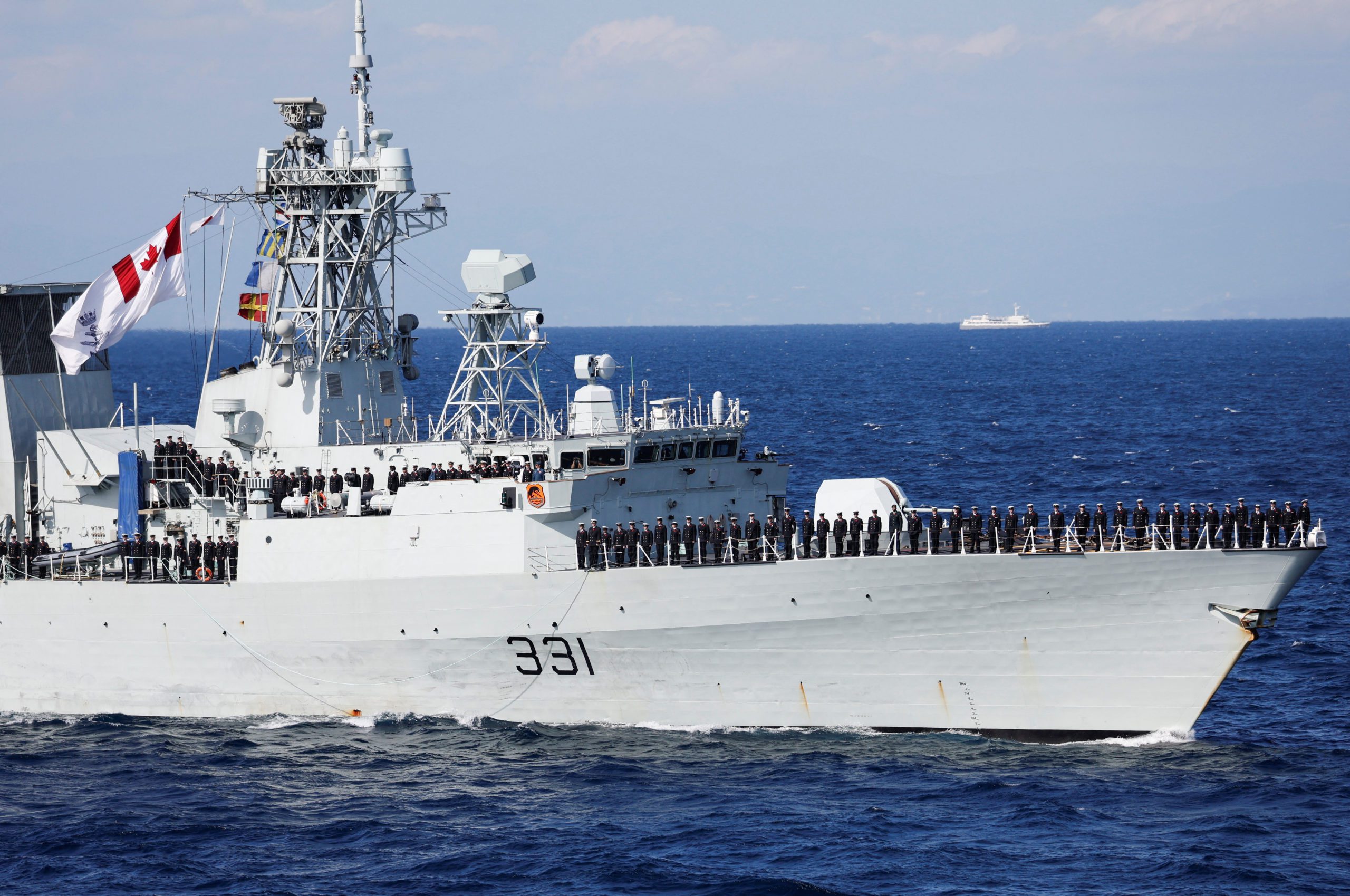
The naval parade in Sagami Bay near Tokyo involved 38 vessels, 18 from friendly countries such as the United States, South Korea, Britain, Australia, Singapore, India and Thailand. Thirty-three aircraft flew overhead, including submarine-hunting patrol planes and helicopters.
“We must ready for those who violate rules and who would use force to trample on the peace and security of other nations,” Prime Minister Fumio Kishida said in a speech on the Japanese helicopter carrier Izumo. “We will formulate a new national security strategy by year end and drastically strengthen our defense capabilities.”
Kishida hosted dignitaries on the Izumo before flying to the U.S. Navy aircraft carrier USS Ronald Reagan to meet Ambassador Rahm Emanuel and senior navy commanders.
“What upsets China most is we have allies, they are expansive and extensive,” Emanuel said after accompanying Kishida on a tour of the Ronald Reagan.
Japan’s Prime Minister Fumio Kishida talks with U.S. Ambassador to Japan Rahm Emanuel and other U.S. Navy officials as he boards the USS Ronald Reagan, a Nimitz-class nuclear-powered super carrier, as the sideline of Japan’s Maritime Self-Defense Force (JMSDF)’s International Fleet Review, at Sagami Bay, off Yokosuka, south of Tokyo, Japan November 6, 2022. REUTERS/Tim KellyJapan’s Prime Minister Fumio Kishida talks with U.S. Navy officials as he boards the USS Ronald Reagan, at Sagami Bay, off Yokosuka, south of Tokyo, Japan November 6, 2022. REUTERS/Tim Kelly
Kishida’s Liberal Democratic Party has pledged to double Japan’s defense budget to around 2% of gross domestic product within five years.
South Korea’s decision to join Japan’s event came as ties between the neighbors improve after a spat over compensation for wartime laborers and Korean women forced to work in Japanese military brothels, which had threatened to derail closer cooperation between the two U.S. allies.
Japan refused to join South Korea’s fleet review in 2018 after Seoul asked it not to fly its rising sun ensign, which South Korea views as a symbol of Japanese wartime aggression. Tokyo declined to invite South Korea to a planned 2019 review.
Both countries have drawn closer as North Korea ratchets up its missile launches, including a suspected long-range missile on Thursday that triggered an alert in central and northern Japan for residents to seek shelter.
China, which has criticized Japan’s defense spending plans, declined an invitation to join the review. Russia was not invited because of its invasion of Ukraine.
Royal Australian Navy’s Anzac-class frigate HMAS Arunta (FFH 151) takes part in the International Fleet Review to commemorate the 70th anniversary of the foundation of Japan’s Maritime Self-Defense Force (JMSDF), at Sagami Bay, off Yokosuka, south of Tokyo, Japan November 6, 2022. REUTERS/Issei Kato/Pool
(Reporting by Tim Kelly in Yokosuka; Editing by William Mallard)
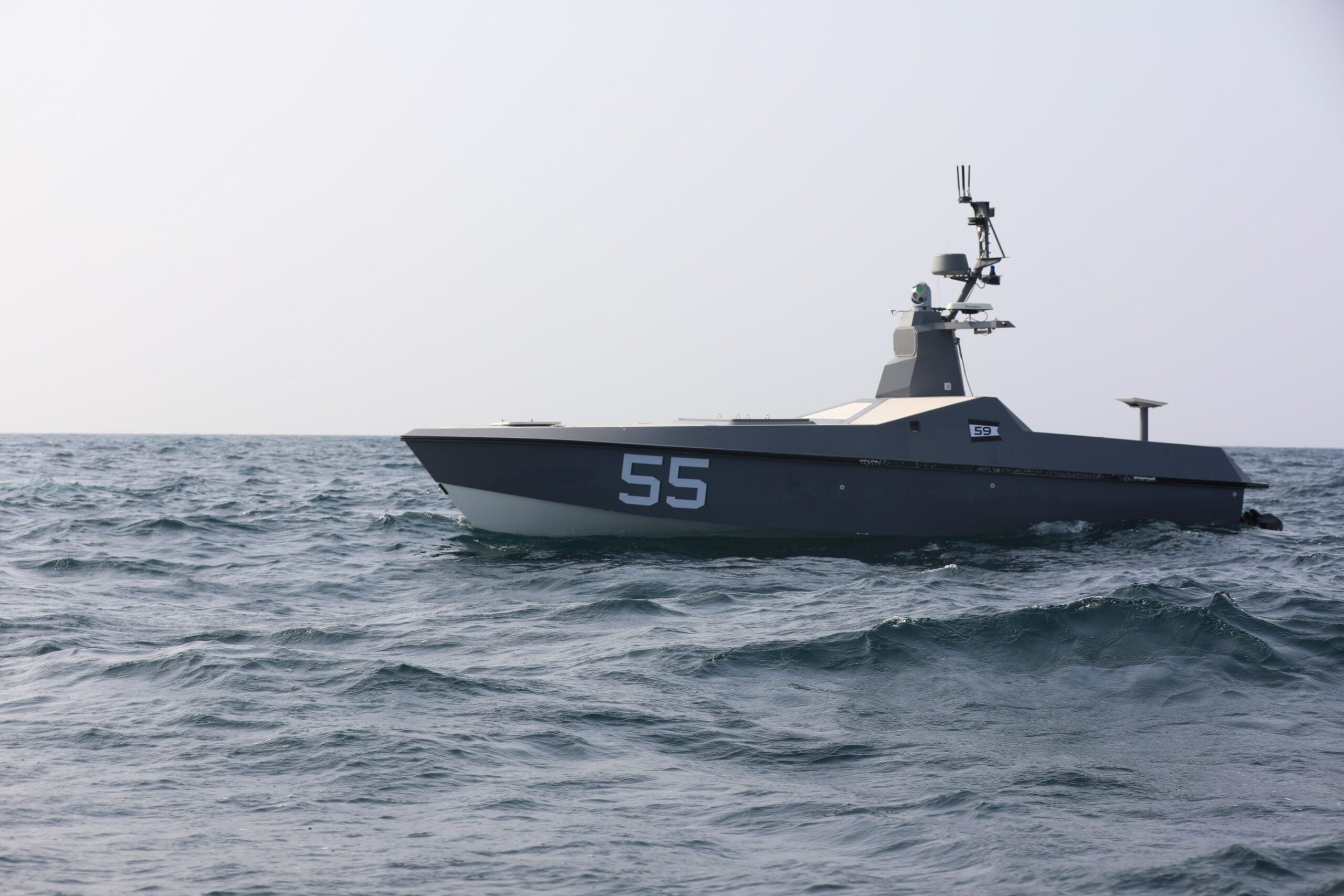
By Chris Servello (OpEd) After years of testing and debating how unmanned surface vessels fit into the fleet, the Navy is starting to show what these systems can do. And...
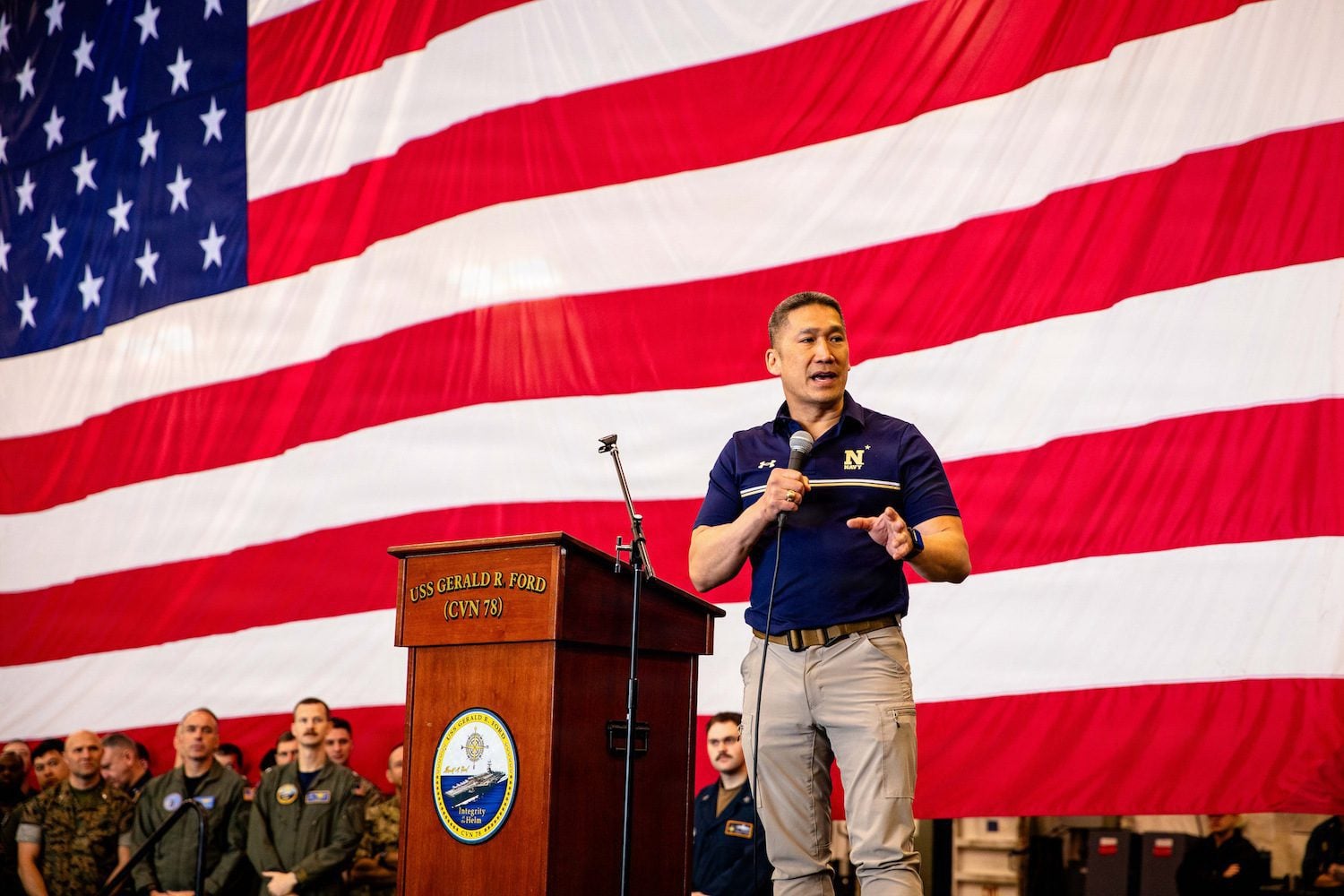
What (Acting) Secretary Hung Cao’s First Five Months Tell Us About the Job Ahead By Bruce Kimbrell (Policy Op-Ed) President Trump has nominated the Honorable Hung Cao to become the...
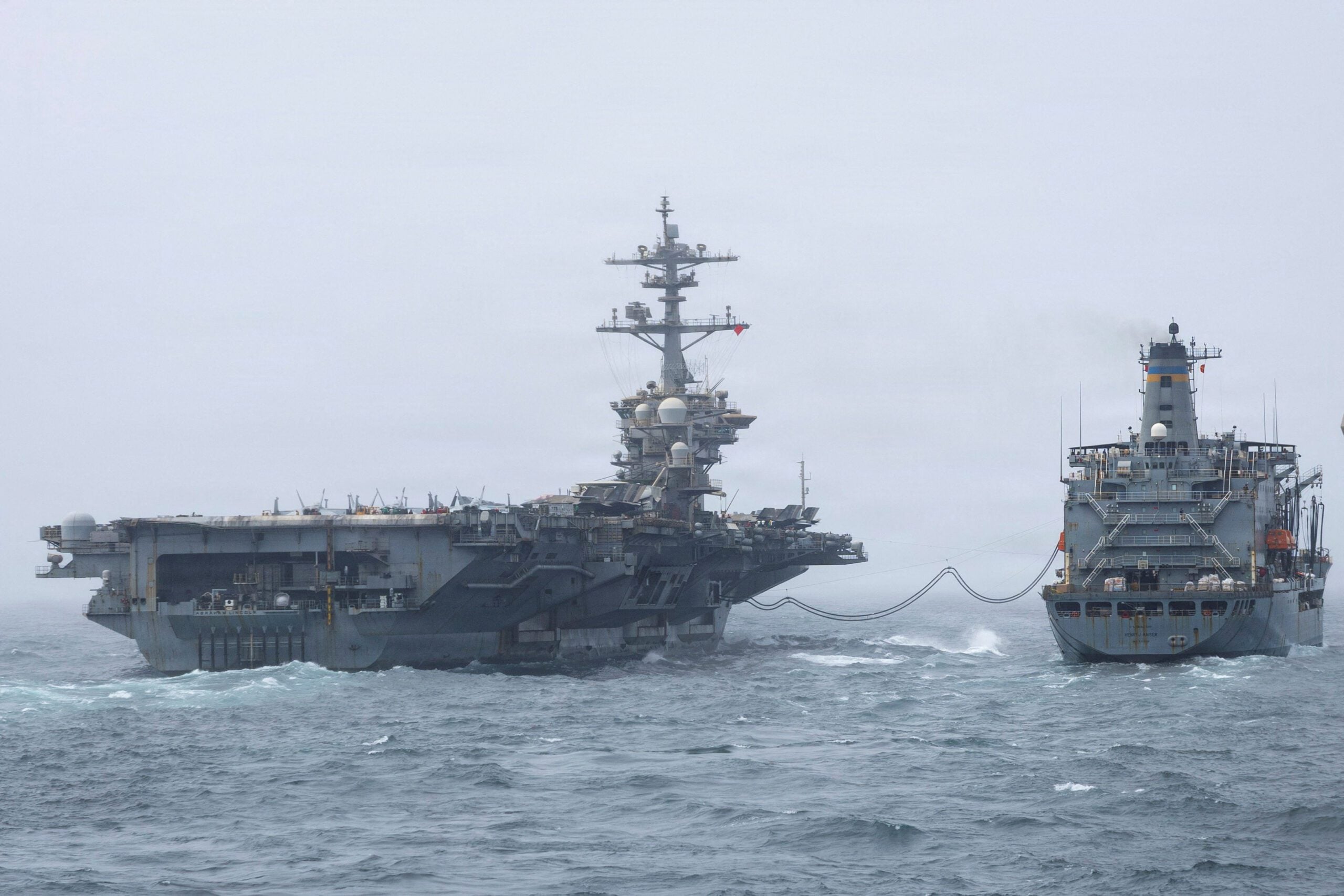
By Jennifer A. Dlouhy and María Paula Mijares Torres Sep 6, 2026 (Bloomberg) –US Navy escorts that are helping tankers cross the Strait of Hormuz are essential to sustaining crude flows...
September 6, 2026
Total Views: 6589
Get The Industry’s Go-To News
Subscribe to gCaptain Daily and stay informed with the latest global maritime and offshore news
— just like 106,433 professionals
Secure Your Spot
on the gCaptain Crew
Stay informed with the latest maritime and offshore news, delivered daily straight to your inbox
— trusted by our 106,433 members
Your Gateway to the Maritime World!
Essential news coupled with the finest maritime content sourced from across the globe.

 Join The Club