DUBAI, July 6 (Reuters) – Iran said on Thursday it had a court order to seize a tanker in Gulf waters a day earlier after it collided with an Iranian vessel, one of two tankers the U.S. Navy said it prevented Iran from commandeering.
The Richmond Voyager, a Bahamas-flagged oil tanker, had collided with an Iranian vessel and the Iraniannavy had a court order to seize it, the Maritime Search and Rescue Center of Iran’s Hormozgan Province told the official IRINN news agency.
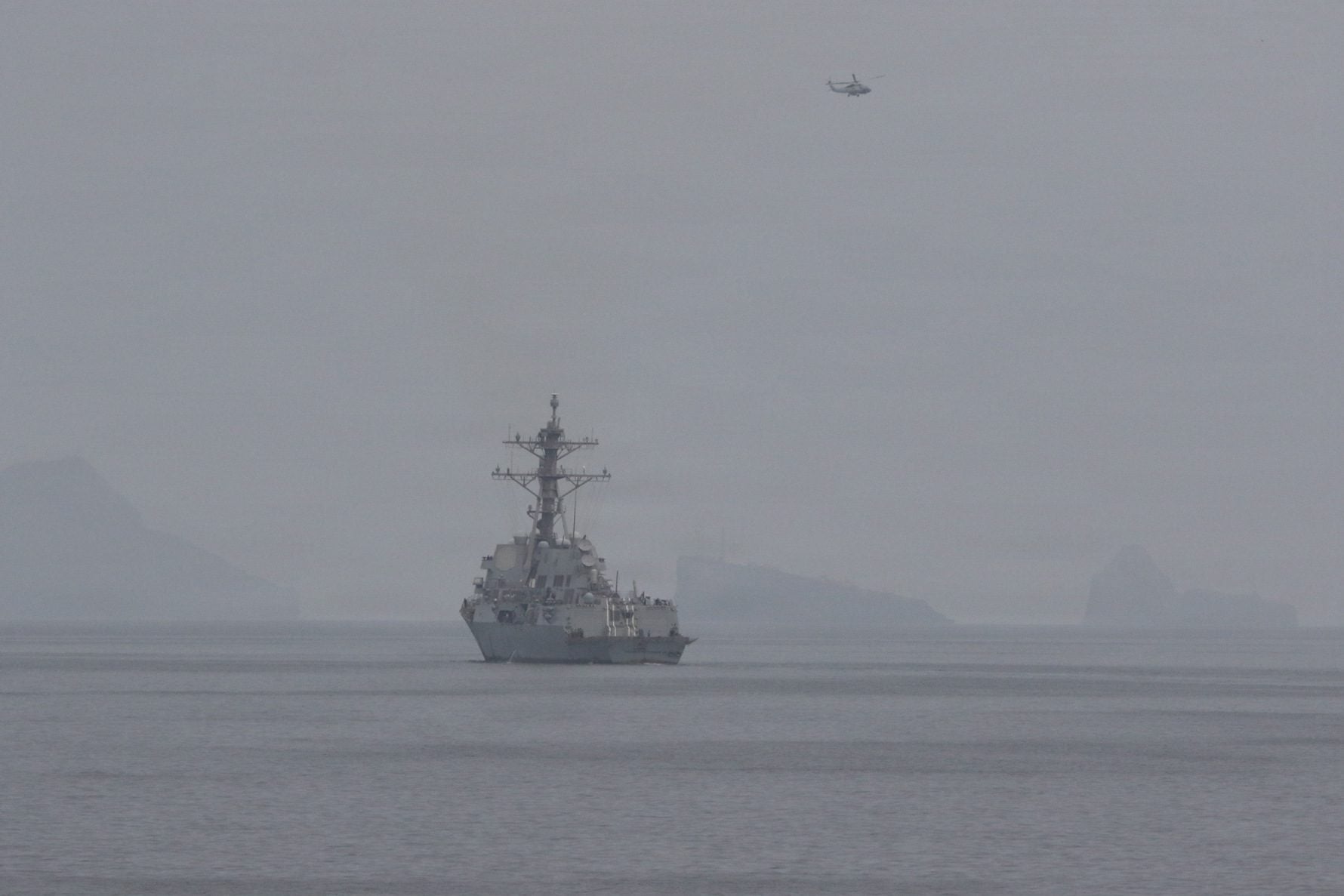
The U.S. Navy said it sent guided-missile destroyer USS McFaul to respond to a distress call from the Richmond Voyager off the coast of Oman in international waters. It said Iranian authorities had asked the tanker to stop and had fired shots but the Iranian navy vessel departed when McFaul arrived.
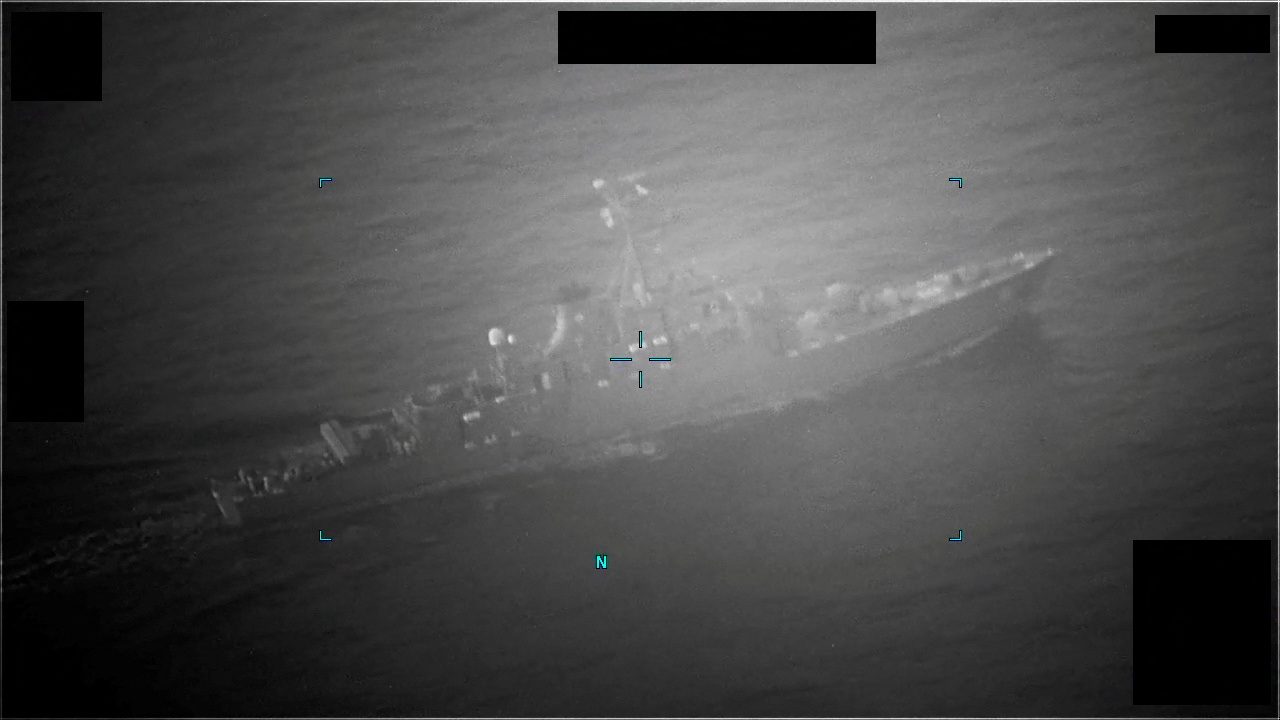
Screenshot of video captured of an Iranian naval vessel firing multiple long bursts of rounds from small arms and crew-served weapons during an attempt to unlawfully seize the commercial tanker in the Gulf of Oman, July 5, 2023. U.S. Navy Photo
Iran said the Richmond Voyager’s collision with an Iranian ship carrying seven crew members had injured five people and caused flooding on board, and that the tanker had not stopped after the incident. The Iranian ship’s owner then requested the tanker be seized, IRINN said.
U.S. oil company Chevron, which manages the Richmond Voyager, said its crew were safe and the vessel was operating normally.
The U.S. Navy had earlier responded to an incident involving the Marshall Islands-flagged oil tanker TRF Moss in the same region.
Iran seized two oil tankers in a week just over a month ago, the U.S. Navy said.
Since 2019, there has been a series of attacks on shipping in strategic Gulf waters at times of tension between the United States and Iran.
About a fifth of the world’s supply of seaborne crude oil and oil products passes through the Strait of Hormuz, a chokepoint between Iran and Oman, according to data from analytics firm Vortexa.
(Reporting by Dubai Newsroom; Writing by Lisa Barrington; editing by Tom Hogue and Jason Neely)
CAIRO, Sept 13 (Reuters) – A vessel has been struck by an unknown projectile while transiting the Strait of Hormuz, the United Kingdom Maritime ?Trade Operations said early on Sunday. The crew were...
Anthropic says it disrupted an Iran-linked user that used its Claude artificial intelligence models to track U.S. naval forces, compile targeting material and research vulnerabilities in shipboard systems. The activity...
The cost of shipping oil in the largest tankers hit record highs this week following the biggest wave of attacks on shipping since the U.S.-Iran war began in late February.
September 11, 2026
Total Views: 1090
Get The Industry’s Go-To News
Subscribe to gCaptain Daily and stay informed with the latest global maritime and offshore news
— just like 107,444 professionals
Secure Your Spot
on the gCaptain Crew
Stay informed with the latest maritime and offshore news, delivered daily straight to your inbox
— trusted by our 107,444 members
Your Gateway to the Maritime World!
Essential news coupled with the finest maritime content sourced from across the globe.

 Join The Club