By Tony Capaccio and Christina Ruffini (Bloomberg) —
Iran’s Strait of Hormuz mining strategy is intended to channel commercial shipping into sea lanes near its shores, making it easier to control traffic and collect tolls, the US Navy’s top military official said today.
“There’s no chance they’re not there,” Chief of Naval Operations Admiral Daryl Caudle said of Iran’s mines in the crucial waterway bounded by Oman and Iran, during an interview with Bloomberg This Weekend, parts of which will air Sunday.
Routes through Hormuz have been a key flashpoint since the US and Iran agreed to reopen it under a peace deal last month. Tehran says vessels can’t pass without its permission, while the US has sought to channel shipping along the Omani side of the strait.
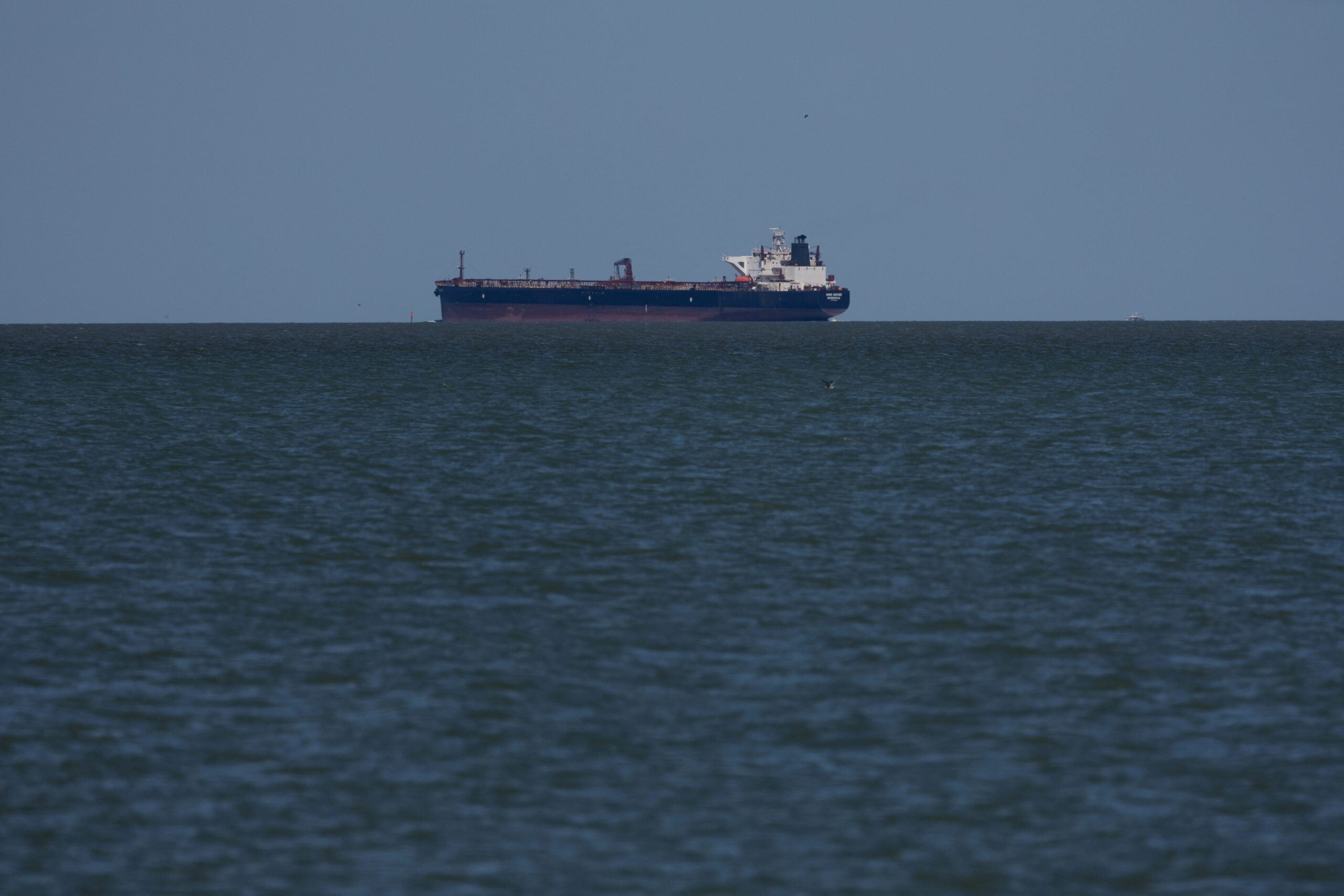
The whereabouts and quantity of mines in the strait is of paramount concern for many energy exporters and shipping firms as they try to restore flows through the key artery that before the war had carried about one-fifth of the world’s oil and liquefied natural gas supplies.
After a series of fresh attacks on vessels in the strait, oil prices rose Tuesday more than 3% on an intraday basis, while European gas futures added roughly 7%.
The US Central Command has repeatedly declined to disclose estimates of how many mines Iranian small boats have laid. Its head Admiral Brad Cooper told Congress in May that US strikes had destroyed more than 90% of Iran’s estimated inventory of around 8,000 mines in storage.
The UN’s International Maritime Organization estimated last month that about 80 mines have been laid.
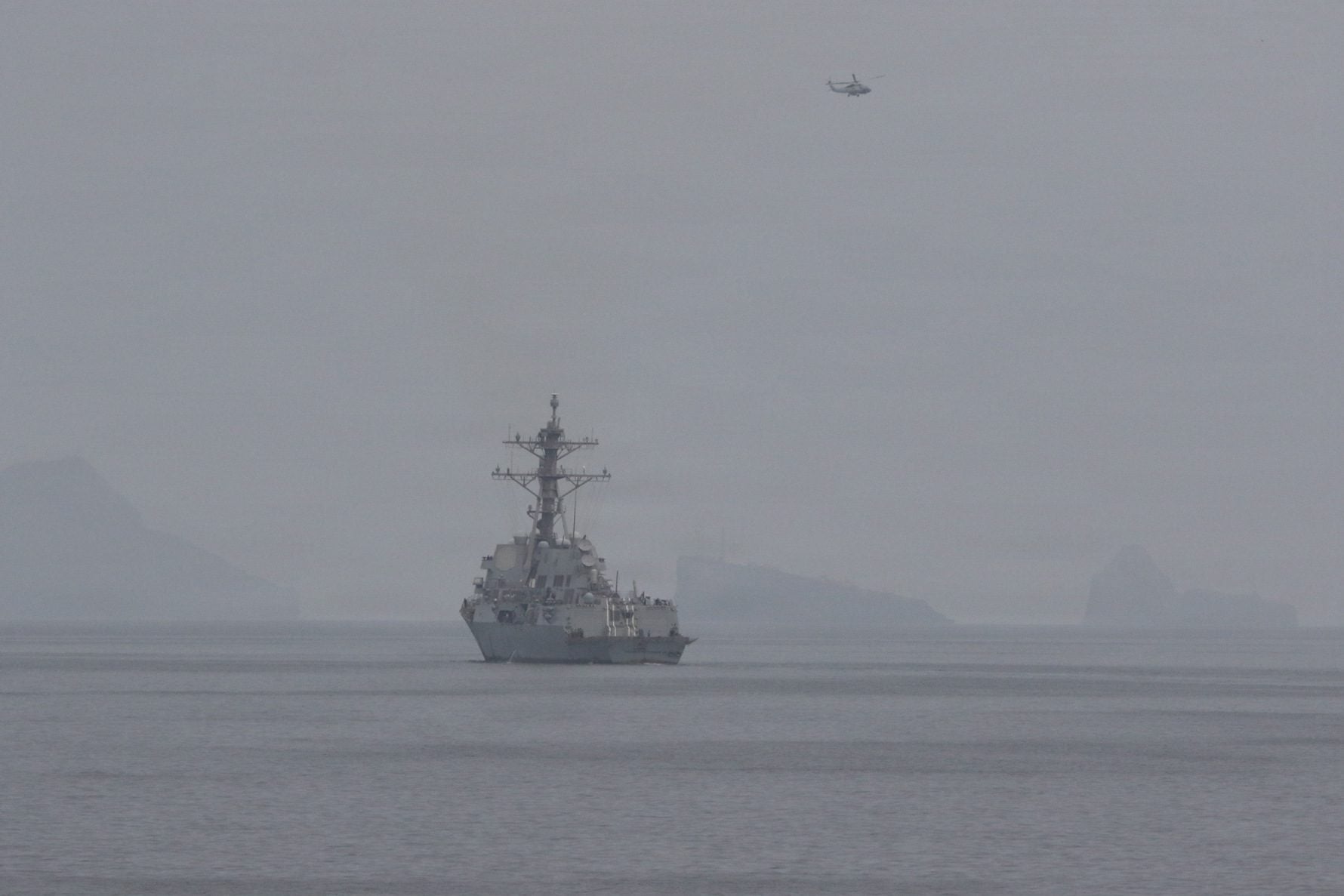
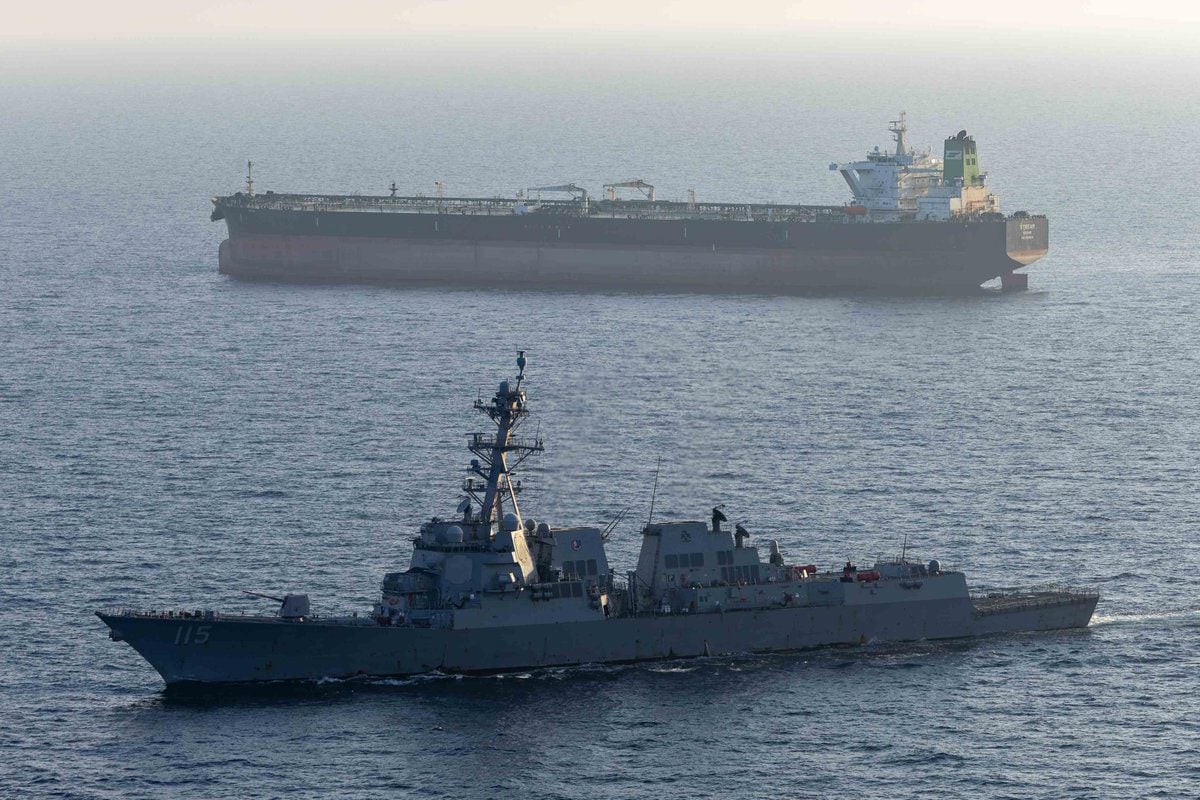
Centcom in an April 11 release said the destroyers USS Frank E. Peterson and USS Michael Murphy transited the Strait of Hormuz and “operated in the Arabian Gulf as part of a broader mission to ensure the strait is fully clear of sea mines previously laid by Iran’s Islamic Revolutionary Guards Corps.”
Asked how many mines have been laid, Caudle said he did know, “and some of that gets into some classified intelligence. So I won’t go into how we know and the numbers. But I can tell you mines are there. I can tell you that most of that is really shaping operations for the Iranians” as their “goal is to force shipping into their side of the actual Strait of Hormuz.”
While the goal is opposed by the Trump administration and other nations, Iran retains “this vision that one day they’ll charge to transit” the international waterway, said Caudle.
Tehran has repeatedly said it won’t allow vessels to transit the waterway without its permission. Meanwhile, the US has continued to manage a shipping corridor along the Omani side of the strait, keeping ships away from Iranian waters.
© 2026 Bloomberg L.P.

 Join The Club