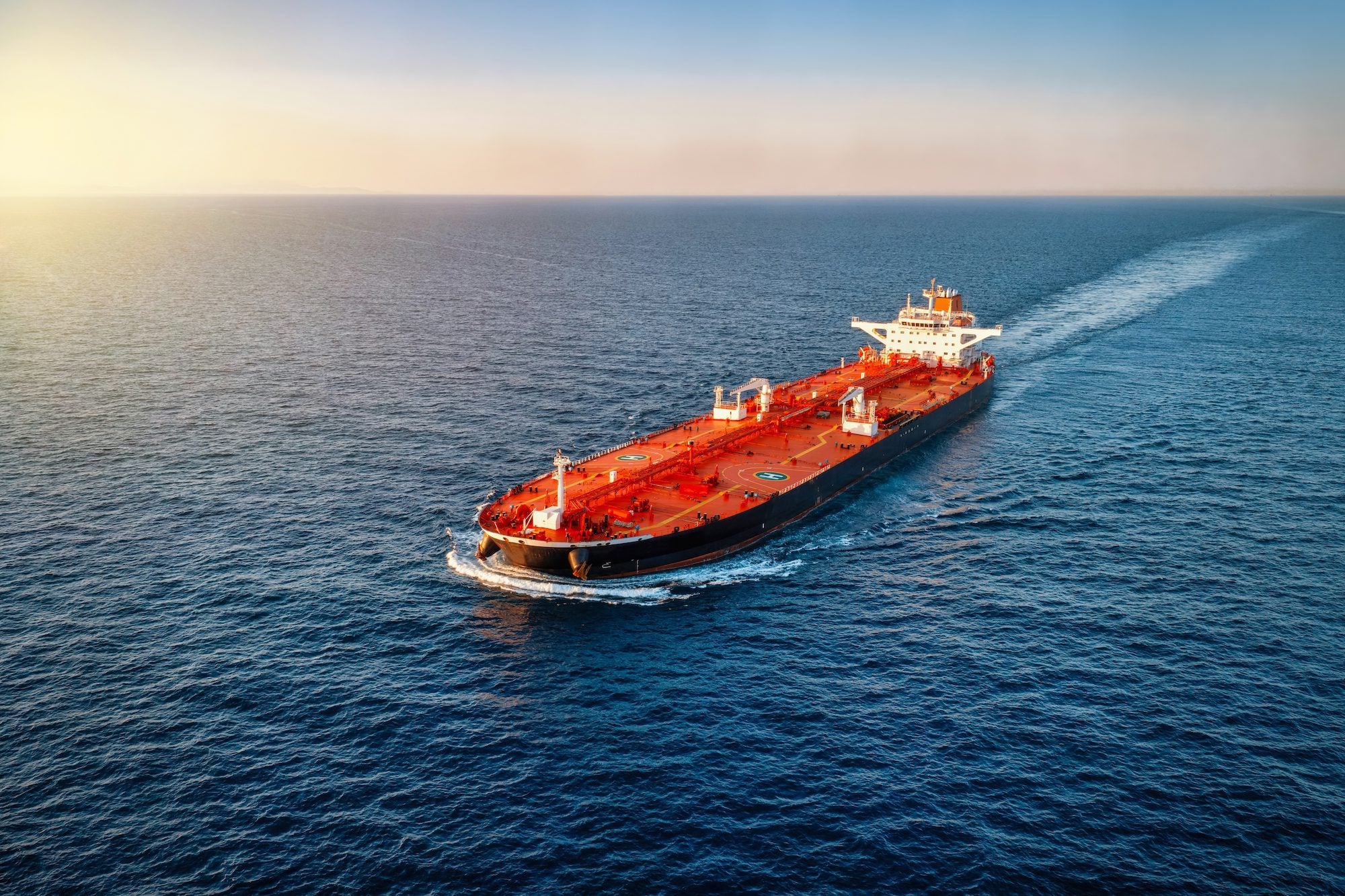
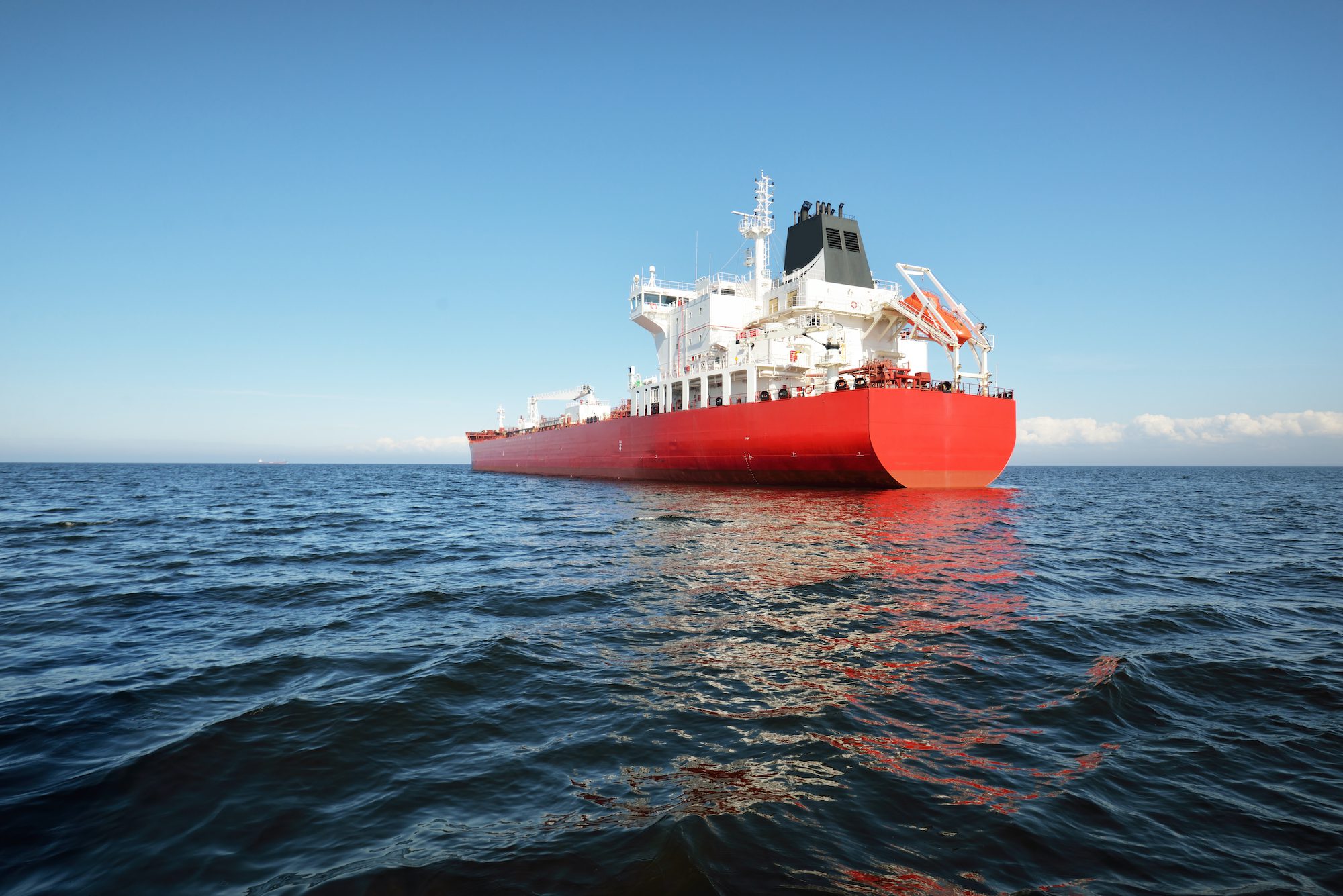
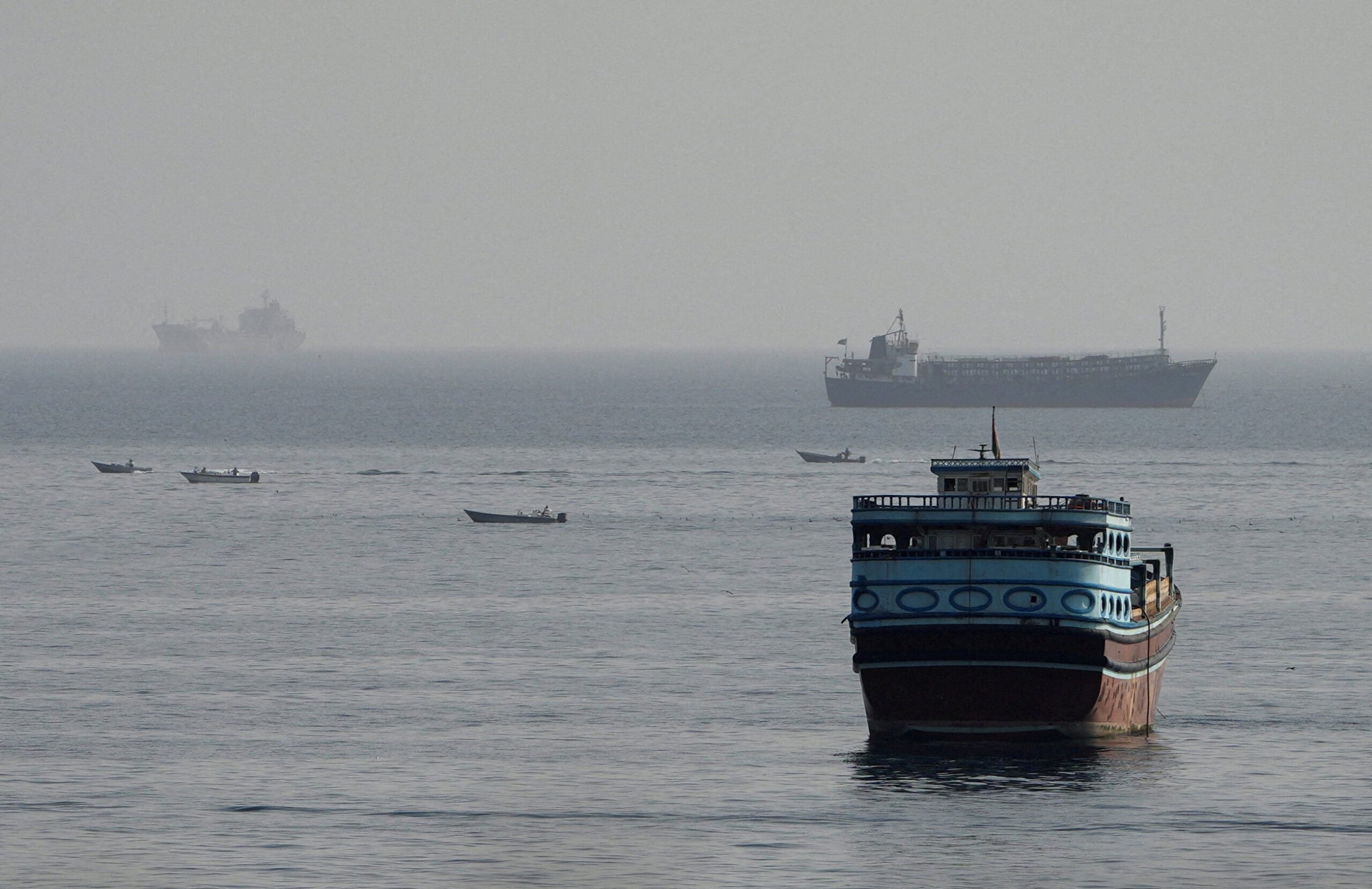
The United States continues to export record amounts of oil. Demand for U.S. black gold shows no signs of lessening. The long line of tankers dotting the ocean shows the incoming demand.
Easterly Clear Ocean has nine chemical tankers participating in this energy boom. The company also operates two offshore construction vessels.
Jake Scott, chief operating officer of Easterly Clear Ocean, gave his outlook on the tremendous demand he is seeing for U.S. energy.
Lori Ann LaRocco: Kpler has told me 235 vessels are en route to fill up with U.S. energy. Do you foresee additional vessels pivoting from the Middle East?
Jake Scott: Yes. We’ve already seen a large pivot. Ballast vessels are leaving India and sailing into the Atlantic with no cargo. Everyone’s heading here, and they are getting very strong rates to cover their ballast legs. I expect you will see more ships heading to the Atlantic Basin. But, as you know, there is only so much that can be pulled out.
LaRocco: Where do you see tanker rates?
Scott: They are cooling off from these absurd highs. But when VLCCs were making $100,000 a day, that was considered a great, great market, and everyone was thrilled. We have to stop thinking that $300,000 or $400,000 a day is sustainable.
I do think the Aframax rates and VL rates will remain elevated. The question is the same here as well—what is your definition of high? I think $100,000 a day for an MR is very, very high, and I don’t think that rate will hold. I think it’s going to be between $50,000 and $75,000 because this disruption is no longer a blip on the radar. This whole dynamic has changed.
A new floor has been established, and assets will have to go farther. Regardless of sanctions, oil majors don’t want these old, sanctioned ships. So sanctions or no sanctions, people don’t want them. There are only a limited number of assets to move the cargo, and those assets have to travel longer distances.
The West is absorbing all the market share disrupted in the Middle East. Ships are not distributed around the world properly, so the supply chain is disrupted. This means everybody is going farther, and day rates are strong.
LaRocco: What are the biggest problems you are currently seeing?
Scott: You’ve got a problem with limited capacity going through the Panama Canal. There are continued delays and maintenance problems, and then there’s the auction process. The Panama Canal is the only game in town. You could go down to the Strait of Magellan, but they’re going to charge you just like the Panama Canal. You can’t get away from it.
It is what it is. It’s a choke point, and it’s going to create lines. We have to live with the delays.
LaRocco: There is a lot of talk about demand destruction on the horizon. What are you seeing?
Scott: We’re in an environment where I think people don’t realize that demand destruction doesn’t happen overnight. If anything, what ends up happening is a scramble, almost a panic, to get the commodity as fast as possible. Delta is not going to stop flying, right? Emirates is not going to stop flying. They are going to secure their cargo.
The world’s going to keep turning, and Western states will meet the energy demand. Unfortunately, there’s just limited capacity.
Unfortunately, Europe no longer has the production capacity it once had. The U.S., Guyana, and Venezuela can only ramp up so fast. I’ve seen people talking about demand destruction.
We’ve seen oil go from $50 a barrel to $100 a barrel. Gasoline in the U.S. basically went from $3 to $4 nationally. So oil prices doubled, gas prices went up by a third, and we are not seeing any demand destruction yet. So we have a long way to go.
Is it $120 a barrel? $150 a barrel? Demand destruction is probably going to be more prevalent in Europe because they can’t handle supply shocks like the U.S. can. They don’t have the infrastructure for it, and energy prices are already wildly expensive. They’re already at the peak of what they can absorb.
LaRocco: If we ever get to a point where the strait does reopen, how long do you think it would take for the market to stabilize?
Scott: It all depends on the state of the infrastructure in the Middle East. If the infrastructure is there, it’ll re-stabilize quite quickly. But we’ve already seen Qatar say it will take three to five years to rebuild some of the damaged infrastructure. We’ve heard about the damage reported a week or two ago, about Iran hitting the Saudi pipeline.
So the market must determine how much infrastructure is actually working in production. Before the war, the Strait of Hormuz supplied around 20 to 25 percent of the world’s energy. But if infrastructure damage impacts production, once the strait reopens, the energy flowing will not be the same amount. The U.S. will gain that market share. Right now, there is uncertainty about how much of that capacity will come back online.
No one’s talking about how much damage has really been done to infrastructure in the Middle East. Maybe they’re not talking about it because nobody knows. This is also something sovereign oil companies are not going to tell the world. In the end, it will be based on output.
So, depending on repairs, if there is damage, you’ve got at least 12 months before infrastructure comes back online. So the question that needs to be asked is not when the strait will reopen, but whether the region will have the same export capacity it had before the war.

 Join The Club