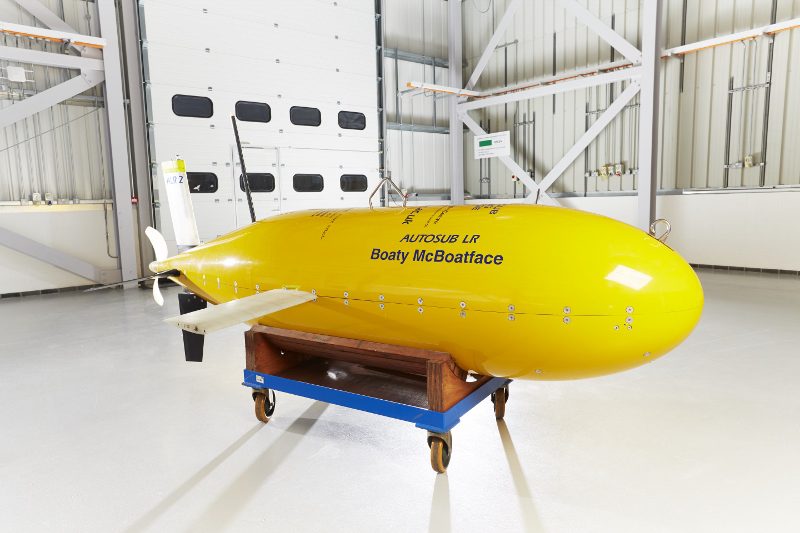
The UK National Oceanography Centre’s new Autosub Long Range, bearing the name ‘Boaty McBoatface’, is getting ready to hit the water on its first Antarctic mission to study some of the deepest and coldest ocean waters on earth and how they affect climate change.
The mission will involve scientists from the University of Southampton and British Antarctic Survey (BAS) who will be studying waters in the ocean’s abyssal zone, known Antarctic Bottom Water (AABW).
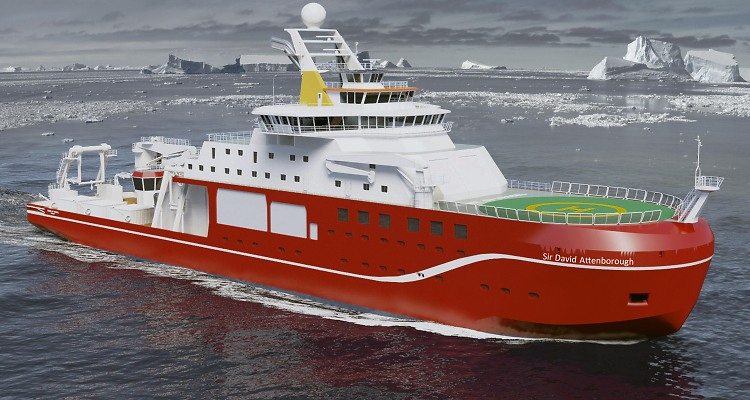
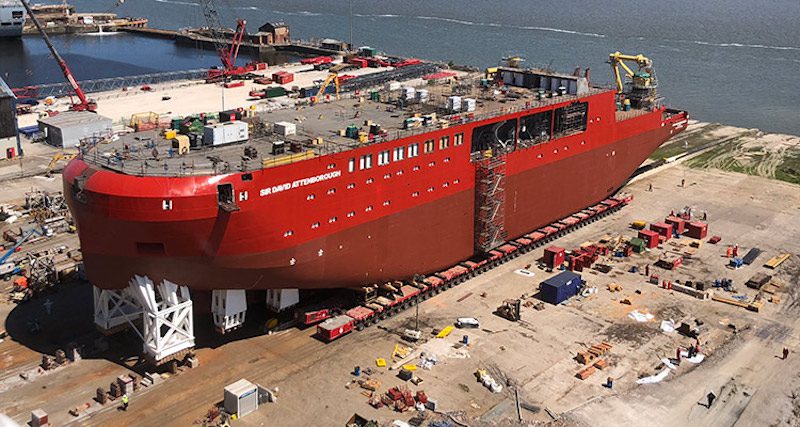
Autosub Long Range has been given the name “Boaty McBoatface” following last year’s internet-famous campaign by the Natural Environment Research Council to name the UK’s new polar research ship. While the ship will be named after famous naturalist and broadcaster Sir David Attenborough, the popular winner of the contest – “Boaty McBoatface“– lives on in the form of an unmanned submersible that is now embarking on its first Antarctic research mission.
An illustration of the RRS Sir David Attenborough. Credit: NERC
Engineers from the NOC will assist the team of researchers to assess water flow and underwater turbulence in the Orkney Passage, a region of the Southern Ocean around 3,500m deep and roughly 500 miles from the Antarctic Peninsula.
Autosub Long Range is the latest type of autonomous underwater vehicle (AUV) developed by the NOC.
Dr. Maaten Furlong, Head of Marine Autonomous and Robotic Systems, explains: “We have a long history of developing and operating autonomous underwater vehicles in support of UK science with our first science campaigns in the late 1990s. More recently we have been pioneering the development and use of long range underwater and unmanned surface vehicles.”
“The deployment of Autosub Long Range in the Antarctic expands our robotic vehicle capability and places us at the forefront of AUV development,” added Dr. Furlong.
The DynOPO (Dynamics of the Orkney Passage Outflow) expedition will travel to the Southern Ocean aboard the BAS research ship RRS James Clark Ross, departing Punta Arenas in Chile on March 17. The researchers will use a combination of specialised instruments deployed from a ship, instruments moored to the seafloor, as well as measurements made by “Boaty”, to measure ocean turbulence.
This research is funded by Natural Environment Research Council (NERC).
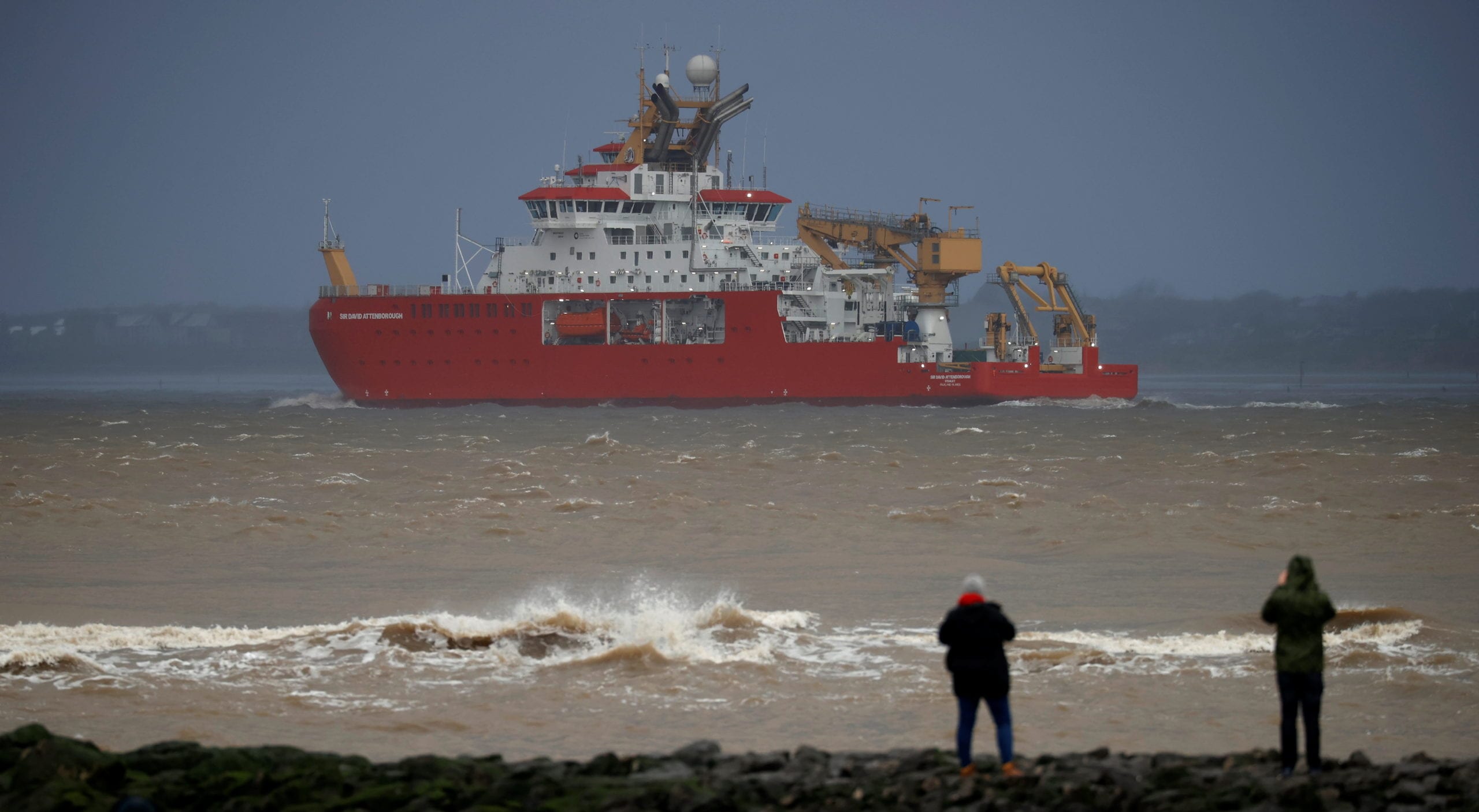
NEW BRIGHTON, England, Nov 3 (Reuters) – Britain’s new polar ship, the Sir David Attenborough, headed for the open seas on Tuesday to start trials after a storm delay, before...
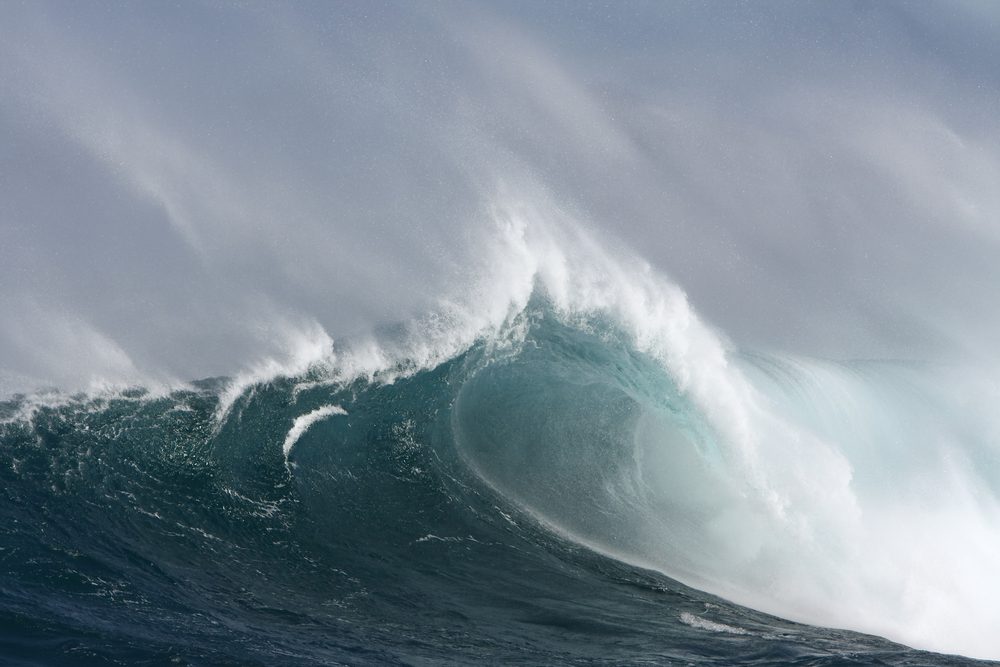
They are every mariner’s worst nightmare. A wave twice the height of the average sea state that seemingly comes out of nowhere. Rogue waves have been blamed for countless lost...
The 10,000-tonne hull of the RRS Sir David Attenborough was launched into the River Mersey on Saturday, marking a major milestone in the build of the UK’s new state-of-the-art polar...
July 16, 2018
Total Views: 157
Get The Industry’s Go-To News
Subscribe to gCaptain Daily and stay informed with the latest global maritime and offshore news
— just like 107,158 professionals
Secure Your Spot
on the gCaptain Crew
Stay informed with the latest maritime and offshore news, delivered daily straight to your inbox
— trusted by our 107,158 members
Your Gateway to the Maritime World!
Essential news coupled with the finest maritime content sourced from across the globe.

 Join The Club