Yemeni group warns its “fingers are on the trigger” as Hormuz disruption collides with rising Bab el-Mandeb risk.
Yemen’s Iran-aligned Houthi movement has issued its clearest warning yet that it could enter the escalating U.S.–Israel–Iran conflict, explicitly threatening action in the Red Sea and tying any intervention to how the war unfolds in the days ahead.
In a formal statement released Friday, the Yemeni Armed Forces said their “fingers are on the trigger for direct military intervention,” outlining specific conditions that could prompt attacks—including the use of the Red Sea for U.S. or Israeli military operations and the expansion of alliances against Iran.
The language marks a significant escalation from earlier rhetoric.
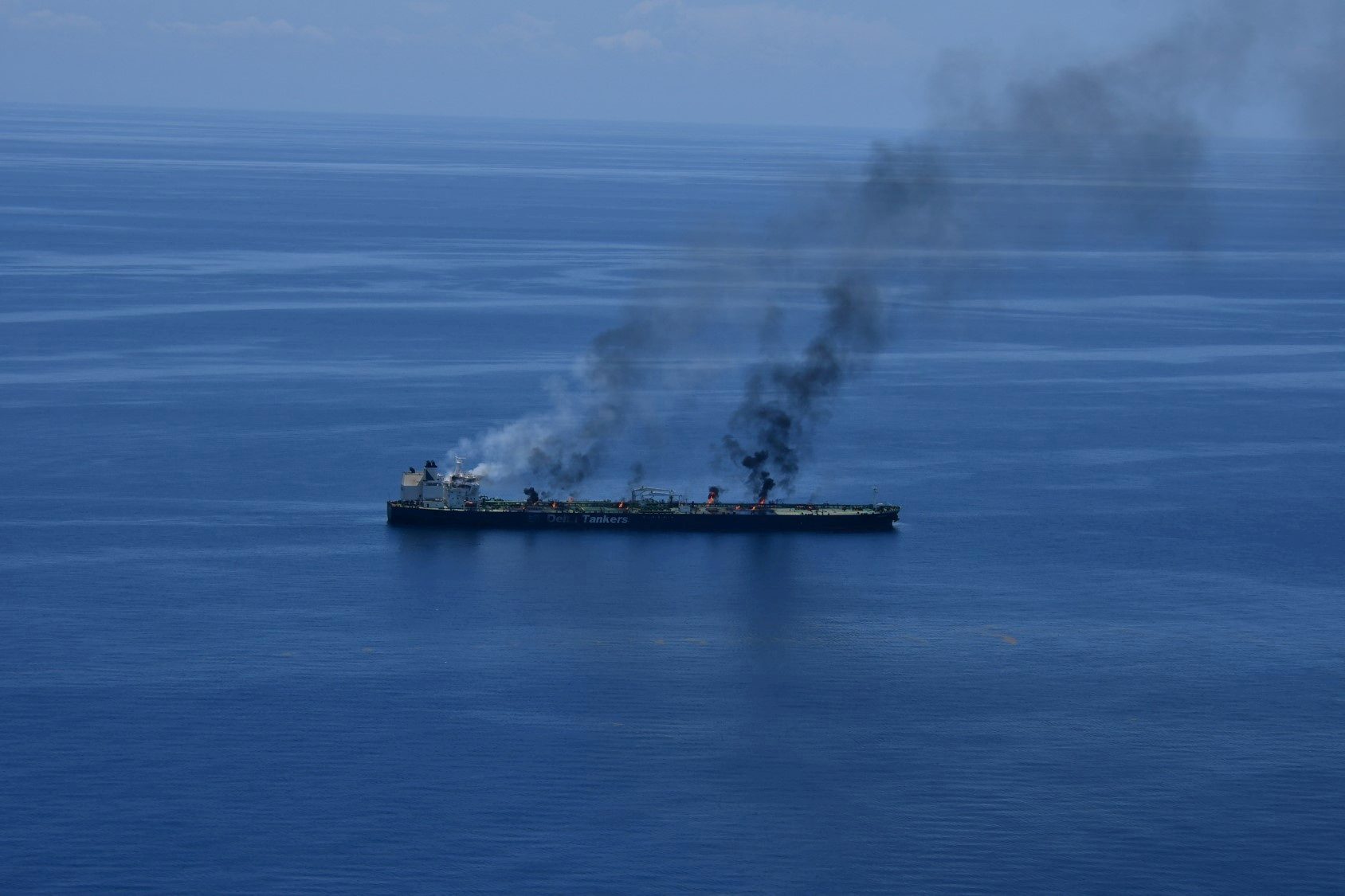
The Houthis warned they “will not allow” the Red Sea to be used as a staging ground for operations against Iran or other regional actors, signaling a potential return to the kind of maritime attacks that disrupted global trade during earlier phases of the Gaza war. Those operations—often involving drones, missiles, and asymmetric targeting of commercial vessels—forced widespread rerouting and drove up insurance costs across the industry.
The Houthis did not issue a blanket threat against all shipping, focusing instead on U.S. and Israeli activity in the Red Sea. But past attacks show the risk is broader, with multiple vessels hit despite no clear links to either country.
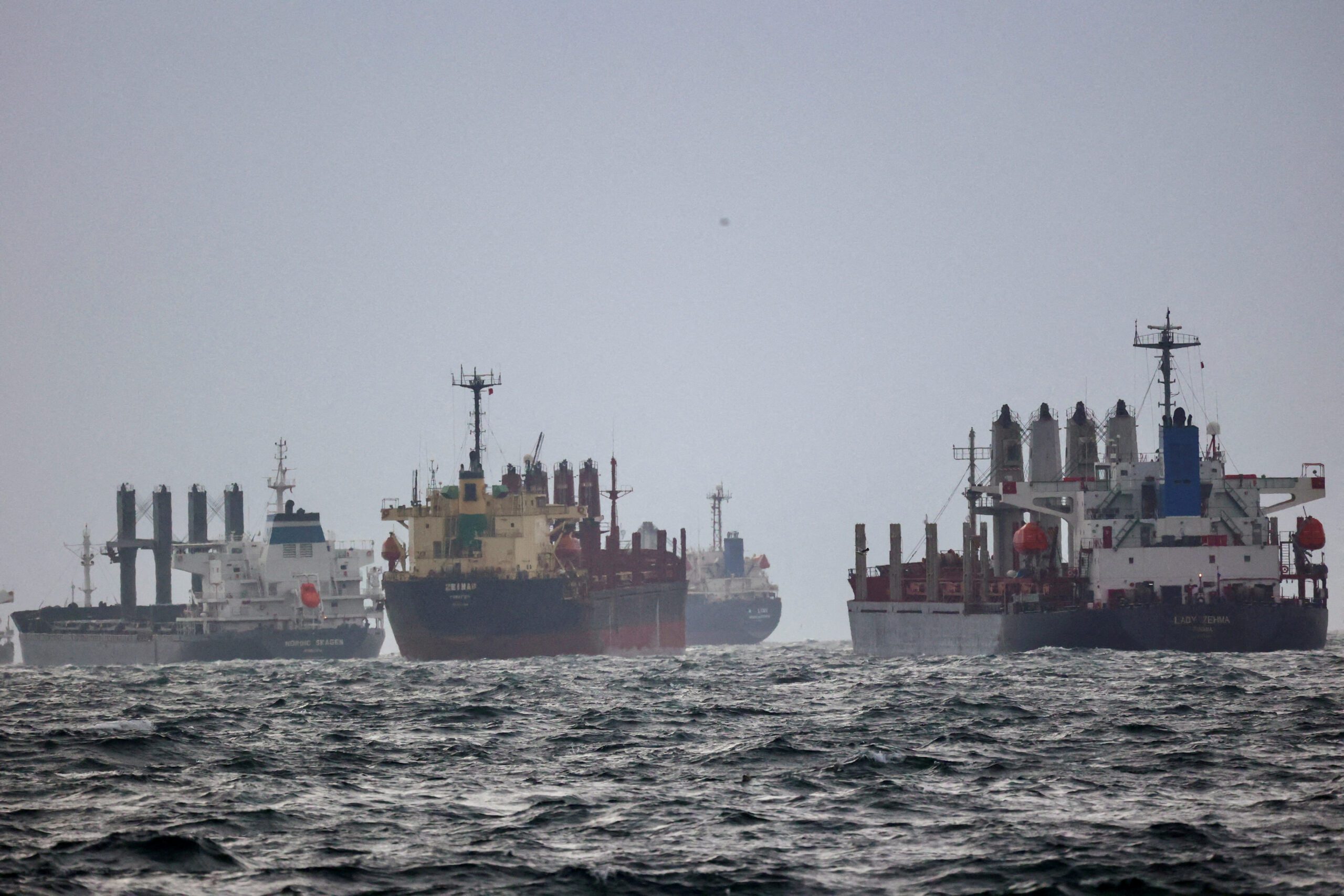
The Houthi warning comes as the shipping industry is reeling from the collapse of traffic through the Strait of Hormuz, where vessel movements have plunged and war-risk insurance has been pulled or repriced across large segments of the market.
The U.S. Maritime Administration has already warned that the threat from Houthi forces remains active across the Red Sea and Gulf of Aden, noting that vessels’ electronic signals can be exploited for targeting. Friday’s statement reinforces those concerns, suggesting the group is prepared to escalate if conditions are met.
From late 2023 through October 2025, Houthi forces were responsible for more than 100 attacks on merchant vessels, impacting ships from over 60 countries. Although there have been no confirmed Houthi attacks on commercial shipping since the October 2025 Israel–Gaza ceasefire, the U.S. Maritime Administration continues to warn that the group remains a credible threat.
Beyond the Red Sea, the Houthis framed their position as part of a broader regional alignment with Iran and what they described as the “axis of jihad and resistance.”
Critically, the group laid out three clear triggers for action: the expansion of military alliances supporting U.S. and Israeli operations, the use of Red Sea waters for hostile missions, and continued escalation against Iran.
That level of specificity is likely to heighten concern among shipowners, insurers, and naval planners, who have been watching closely for signs that the Red Sea could once again become an active conflict zone.
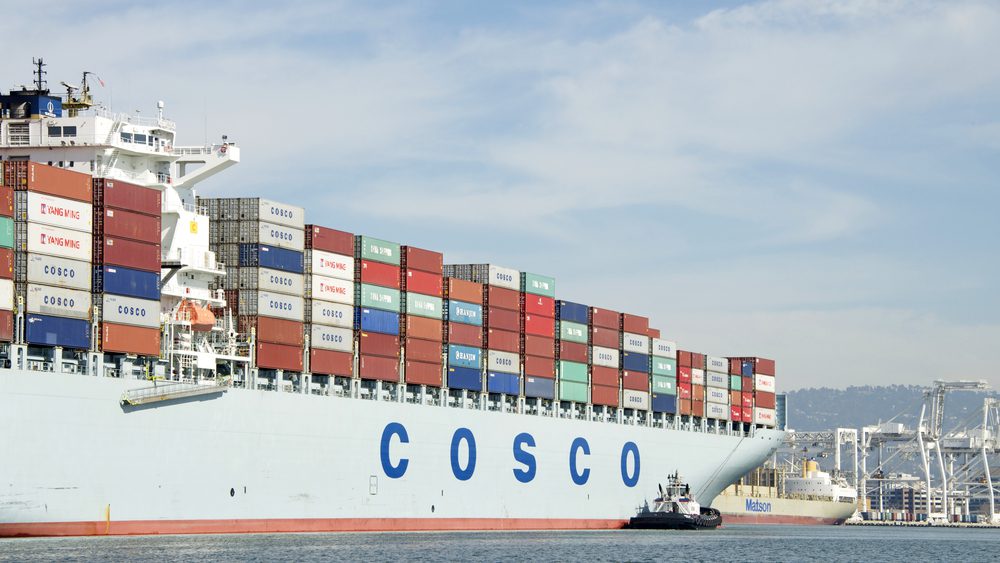
According to Drewry’s latest Red Sea Diversion Tracker, Suez Canal transits are in sharp decline. In the two weeks ending March 22, containership sailings through Suez fell 33% to just 43 transits, down from 64 in the prior period. Major carriers have largely suspended Asia–Europe services through the corridor altogether, with only a limited number of operators still deploying larger vessels on the route.
If the Houthis follow through, the industry could soon face a scenario of simultaneous disruptions at both Hormuz and Bab el-Mandeb—two chokepoints that together underpin a significant share of global energy and container trade.
Editorial Standards · Corrections · About gCaptain

 Join The Club