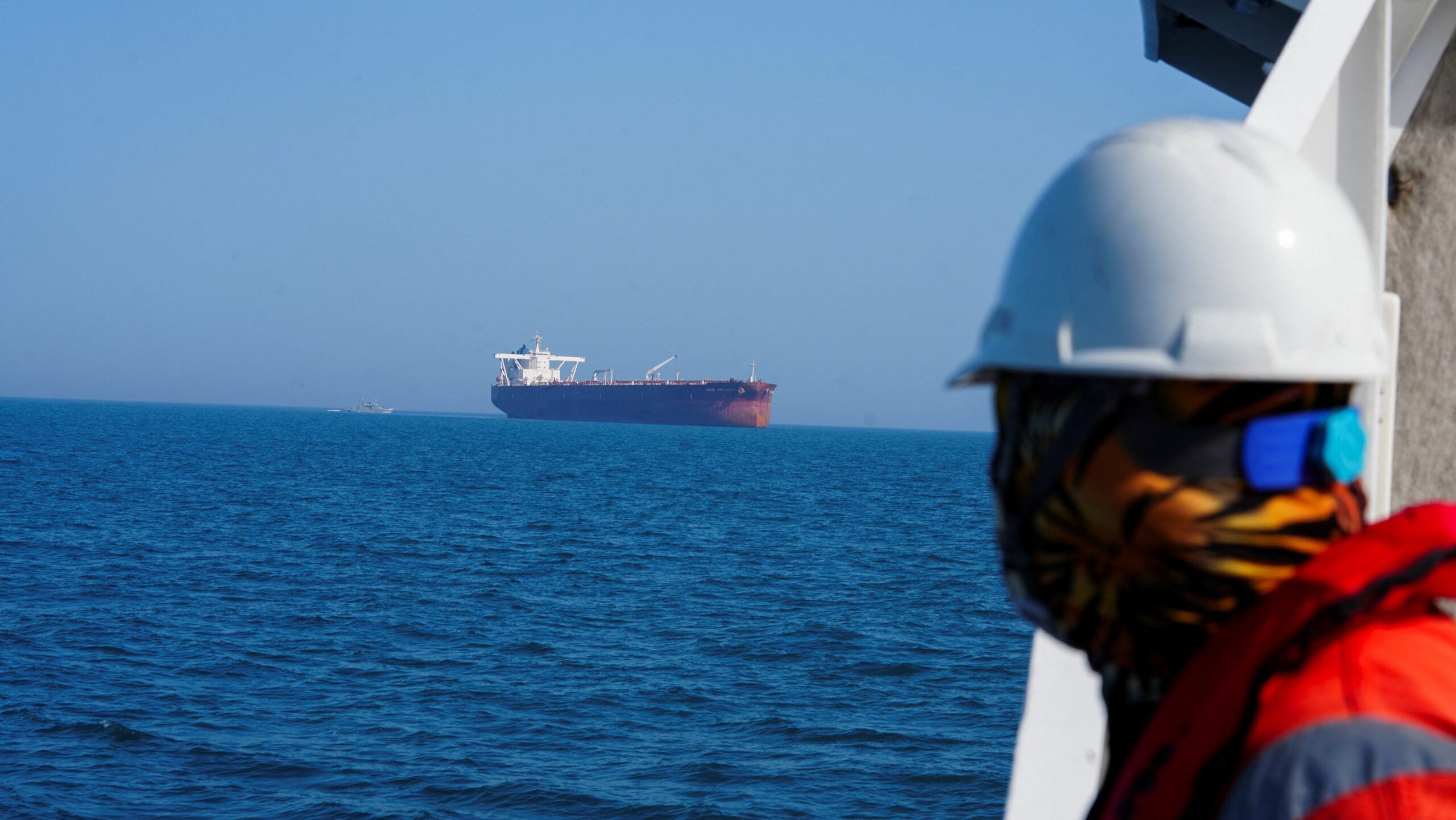
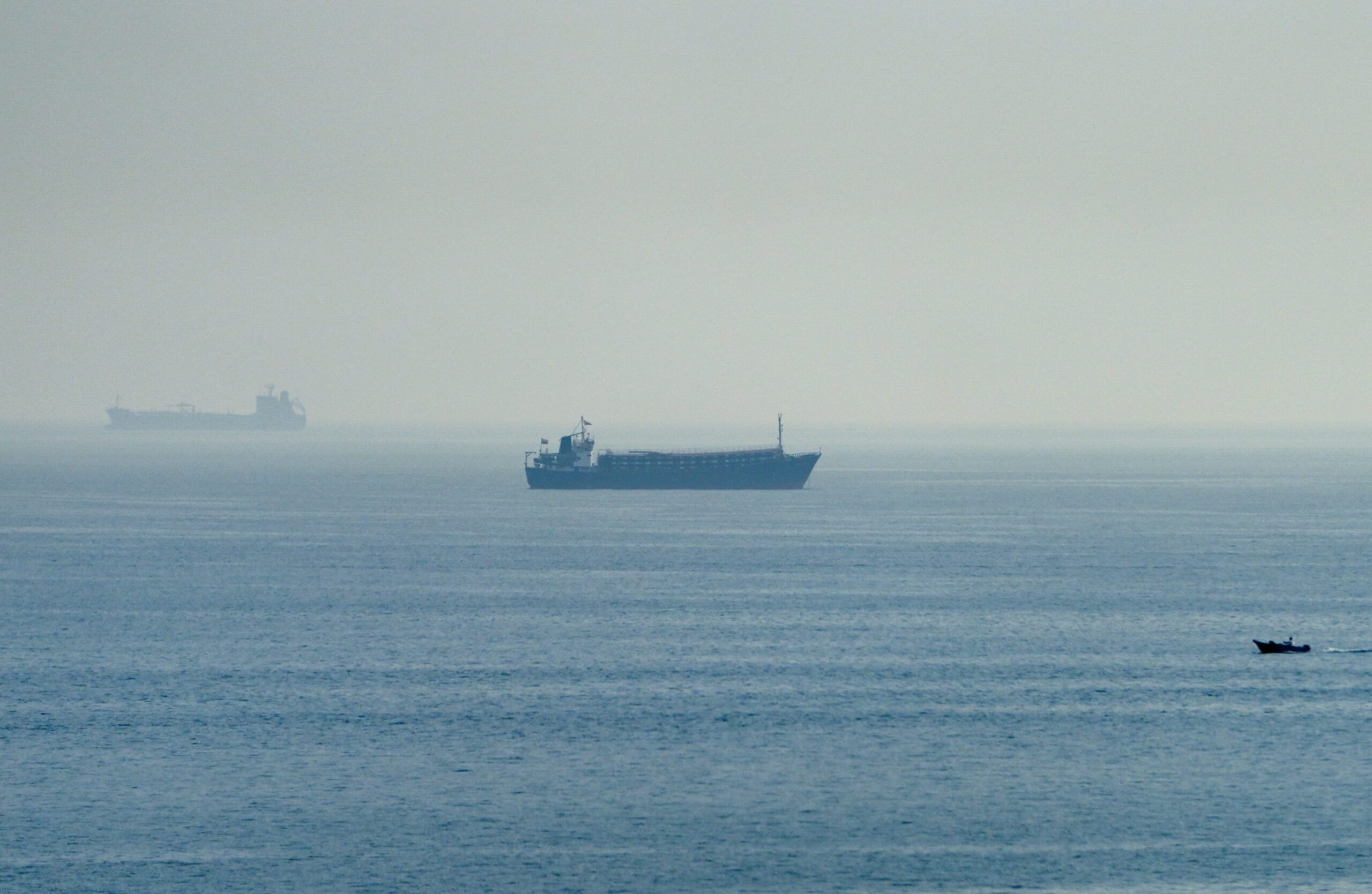
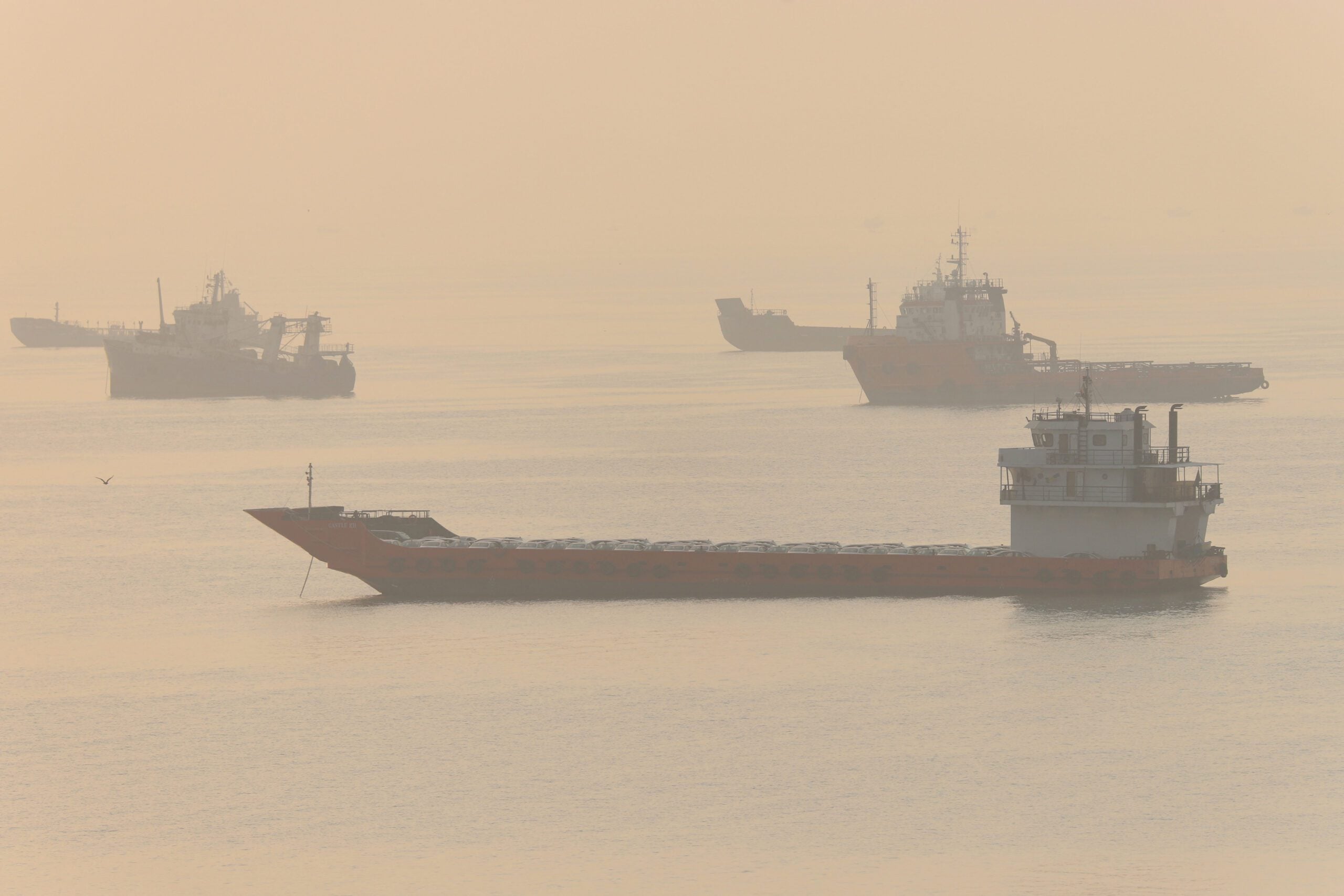
By Lori-Ann LaRocco – Latest trade data show no dramatic changes in the flow of trade through the Strait of Hormuz and Bab el-Mandeb.
Lloyd’s List Intelligence data show an 18% decrease in total Strait of Hormuz transits week over week. Outbound journeys were down 30%, while inbound traffic fell 6%.
In the Red Sea, 269 transits were tracked through Bab el-Mandeb, down from 273 the week before.
Maritime analysts say it is too soon to draw conclusions from the second drop in Bab el-Mandeb traffic following the initial decrease seen after the Houthis’ Saudi ban.
Suez Canal traffic also declined slightly last week, with 263 transits, down from 275, but that remains within the normal range. There was a heightened number of VLCCs transiting the Suez Canal as operators adjusted to circumstances.
“We are still seeing this shuttle service where ships float inside the Gulf, and then they transit or move, and there are ship-to-ship transfers. There are those ship-to-ship transfers in the Gulf of Oman,” said Tomer Raanan, senior maritime intelligence analyst at Lloyd’s List Intelligence.
The majority of those shuttling tankers are operated by ADNOC (Abu Dhabi National Oil Company), Sinokor and Kuwait Oil Company.
Lloyd’s List Editor-in-Chief Richard Meade said the cyclical announcements by the United States and Iran on the status of negotiations are only compounding the lack of clarity.
“The statements are increasingly diverging in terms of where they are,” Meade said. “It adds absolutely no clarity for the shipping industry, in terms of which side do you choose? Do you choose the relative security of paying, or at least agreeing to the safe passage, or do you run the risk of taking the southern route and run the risk of another cycle of escalation in being hit?”
Payments to Iran for safe passage could violate U.S. sanctions administered by the Treasury Department’s Office of Foreign Assets Control (OFAC).
“The longer this goes on, I think people are going to start testing which side they’re more afraid of,” said Claire O’Neill McCleskey, co-founder of Clarity Compliance Consulting.
O’Neill said shipowners are weighing the risks of paying Iran for safe transit against the possibility that the United States could sanction owners or block vessels that do so.
“I would rather risk the wrath of OFAC and hire a good lawyer, right, and deal with that, rather than not pay and run the risk of a very expensive ship full of crew getting hit,” O’Neill said.
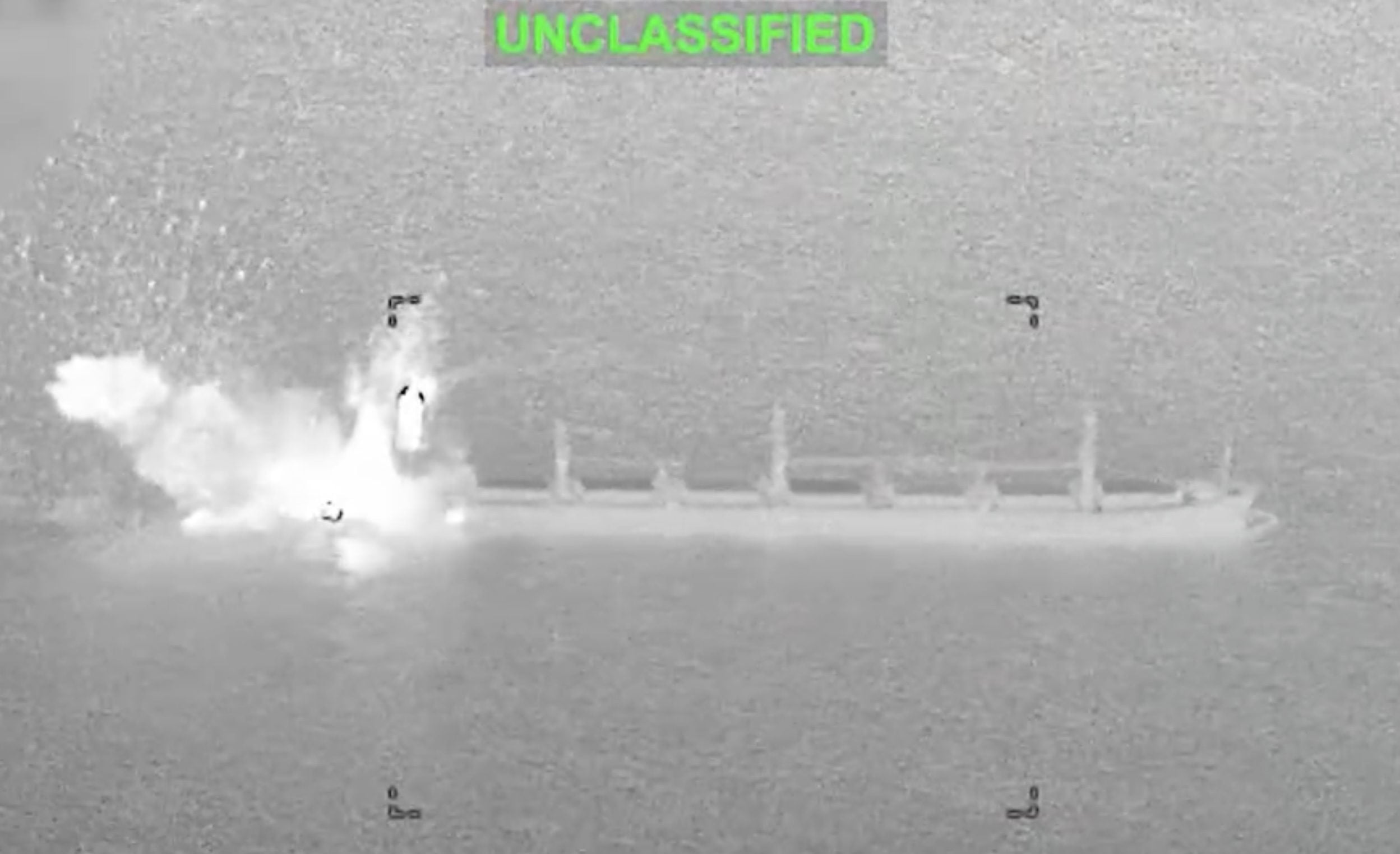
At the time of publication, Ambrey issued an alert reporting the Houthis reportedly launched an unmanned aerial vehicle (UAV) attack targeting the Saudi Aramco refinery in Jazan, Saudi Arabia. At the time of writing, the extent of damage to the facilities had not been disclosed.

 Join The Club