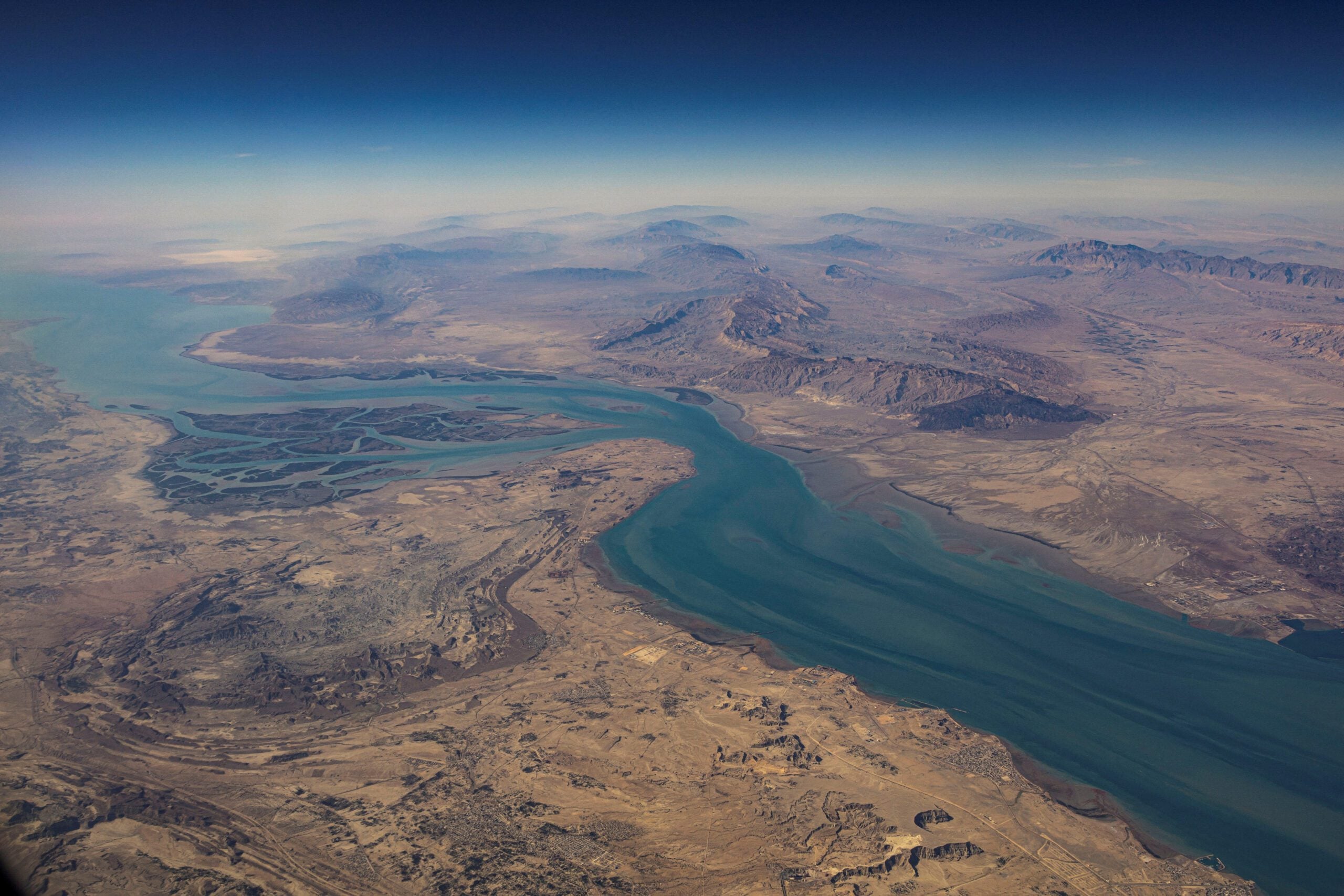
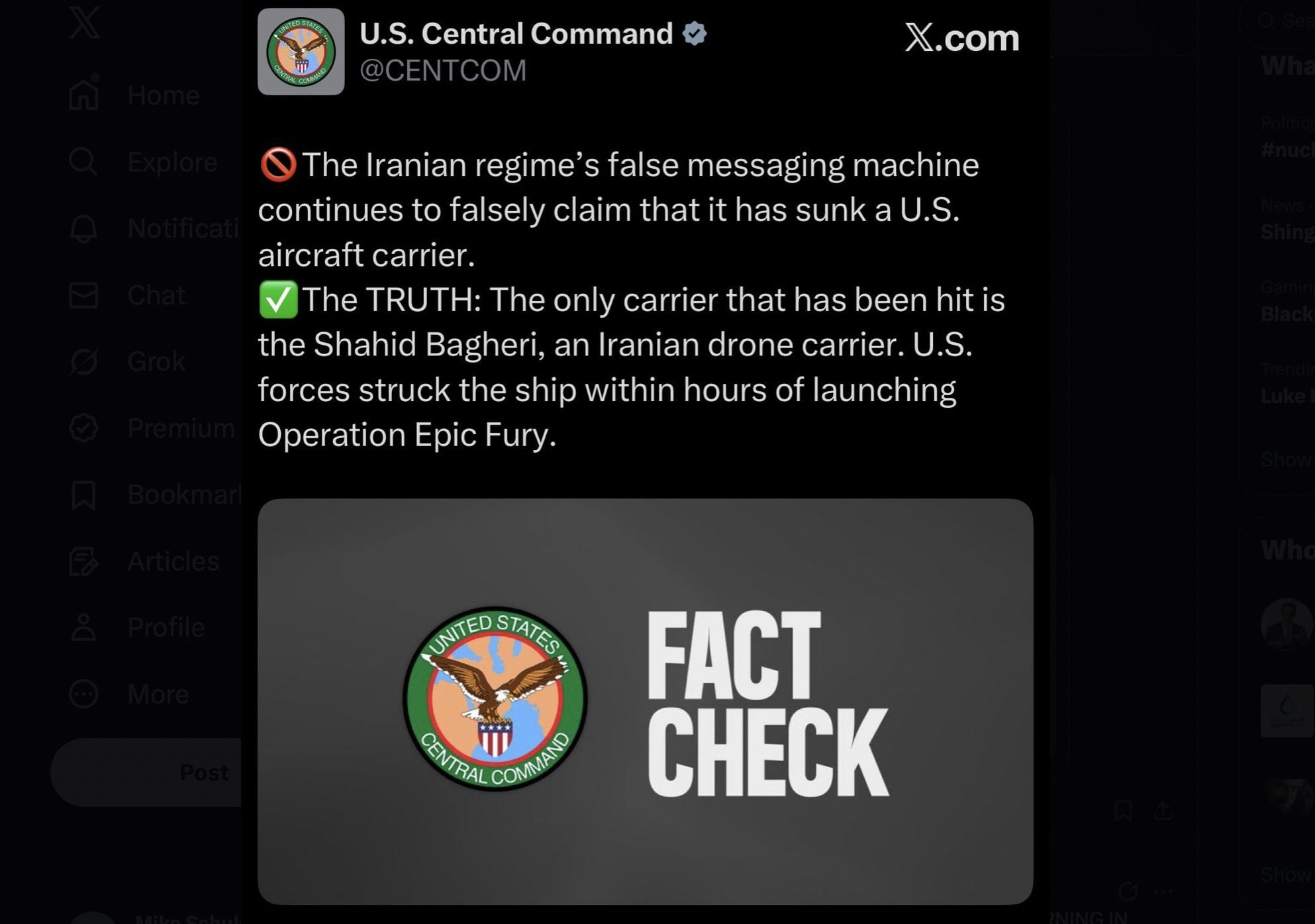
The global marine insurance market is rapidly retrenching from the Persian Gulf as escalating military conflict between the United States, Israel, and Iran pushes the region’s maritime risk profile to unprecedented levels.
Over the weekend, multiple members of the International Group of P&I Clubs — which collectively insure approximately 90% of the world’s ocean-going tonnage — issued formal 72-hour notices of cancellation for certain war risk covers tied to Iran and adjacent Gulf waters. In a statement, the Group said it is “monitoring closely the developments over the weekend and the military operations currently taking place in the Persian Gulf,” adding that stakeholders would be notified immediately of any changes to mutual cover.
The cancellations are being driven by reinsurers withdrawing capacity for war risk exposures in the region — a critical development given the IG’s pooled structure and collective reinsurance program. Under the Group’s unique claims-sharing arrangement, its 12 independent, not-for-profit clubs pool large losses and collectively reinsure catastrophic exposures in the commercial market. Once reinsurers issue notice, clubs must follow to remain back-to-back with their reinsurance protections.
Among the clubs issuing notices were Gard, Skuld, NorthStandard, The London P&I Club, The American Club, and Steamship Mutual. Each cited materially heightened geopolitical and operational uncertainty, tightening reinsurance appetite, and escalating kinetic risk.
Cancellation notices issued March 1 will take effect at 00:00 GMT on March 5, 2026, after the required 72-hour notice period.
Geographic Scope: Iran and Gulf Waters Excluded
Upon expiry of the notices, war risk coverage under affected policies will be automatically terminated for liabilities arising in Iran and Iranian waters, including 12 nautical miles offshore, as well as the Persian/Arabian Gulf and adjacent waters, including the Gulf of Oman and all waters west of a defined boundary line running from Oman’s Cape al-?add to the Iran-Pakistan border.
The exclusions apply broadly across fixed premium P&I, charterers’ liability, ancillary and non-poolable extensions, certain crew and specialist covers, and offshore and yacht war risk extensions.
Importantly, clubs emphasized that mutual P&I cover and Excess War Risks cover under IG pooling arrangements remain unaffected.Several clubs, including Steamship Mutual and Skuld, are exploring buy-back facilities on an individual risk basis — though pricing is expected to reflect sharply elevated risk.
Insurance Now Primary Gating Factor for Transit
The insurance market’s posture aligns with the latest assessment from the Joint Maritime Information Center (JMIC), which elevated the regional maritime threat level to CRITICAL, indicating an attack is considered almost certain.
Confirmed incidents over the past 24 hours include projectile and drone strikes against multiple vessels, including the SKYLIGHT near Khasab with fire and crew injuries, the MKD VYOM northwest of Muscat with an engine-room explosion and one fatality, the HERCULES STAR off UAE with fire following projectile strike, the OCEAN ELECTRA in a near-miss west of Sharjah, and the STENA IMPERATIVE struck while berthed in Bahrain, killing one shipyard worker.
No formal legal closure of the Strait of Hormuz has been declared. However, AIS analysis indicates transits have collapsed from a historical average of roughly 138 vessels per day to as low as 28 — an approximate 80% reduction. Tanker movements have seen particularly sharp declines.
“Insurance availability may now act as a primary gating factor for transit decisions independent of formal navigational closure,” the JMIC stated.
A Structural Shift in War Risk Pricing
The speed and uniformity of the cancellation notices suggest a coordinated, systemic market reaction rather than isolated underwriting decisions. Historically, war risk markets respond with premium surcharges before withdrawing capacity entirely. The present environment — characterized by confirmed missile and drone strikes against commercial vessels — appears to have crossed a threshold for reinsurers.
The insurance response is unfolding amid persistent GNSS/GPS interference across the Strait of Hormuz approaches, the Gulf of Oman, and the Arabian Gulf. Mariners report AIS anomalies, positional offsets, and degraded signal integrity — significantly increasing navigational risk in already congested waters.
Ports across the region are operating under varying levels of restriction, with Bahrain operations temporarily suspended, Jebel Ali resuming limited activity, Duqm operational under high alert, Ras Tanura refinery reportedly closed following a drone strike, and significant vessel clustering near UAE and Omani anchorages.
Should hostilities persist beyond the coming 48–72 hours, operators may face rapidly escalating additional premiums, restricted trading warranties, individualized underwriting approvals, and potential requirements for armed security or convoying in certain corridors.
For now, the International Group’s mutual framework remains intact. But the message from the commercial reinsurance market is clear: the Gulf is no longer priced as a heightened-risk trading zone — it is being treated as an active war theater.
JMIC is expected to issue its next regional update on March 3 as military operations and insurance responses continue to evolve.
Editorial Standards · Corrections · About gCaptain

 Join The Club