Don’t Miss Your Daily Briefing for the Maritime Industry
Join the leading maritime news network
— trusted by our 105,059 members
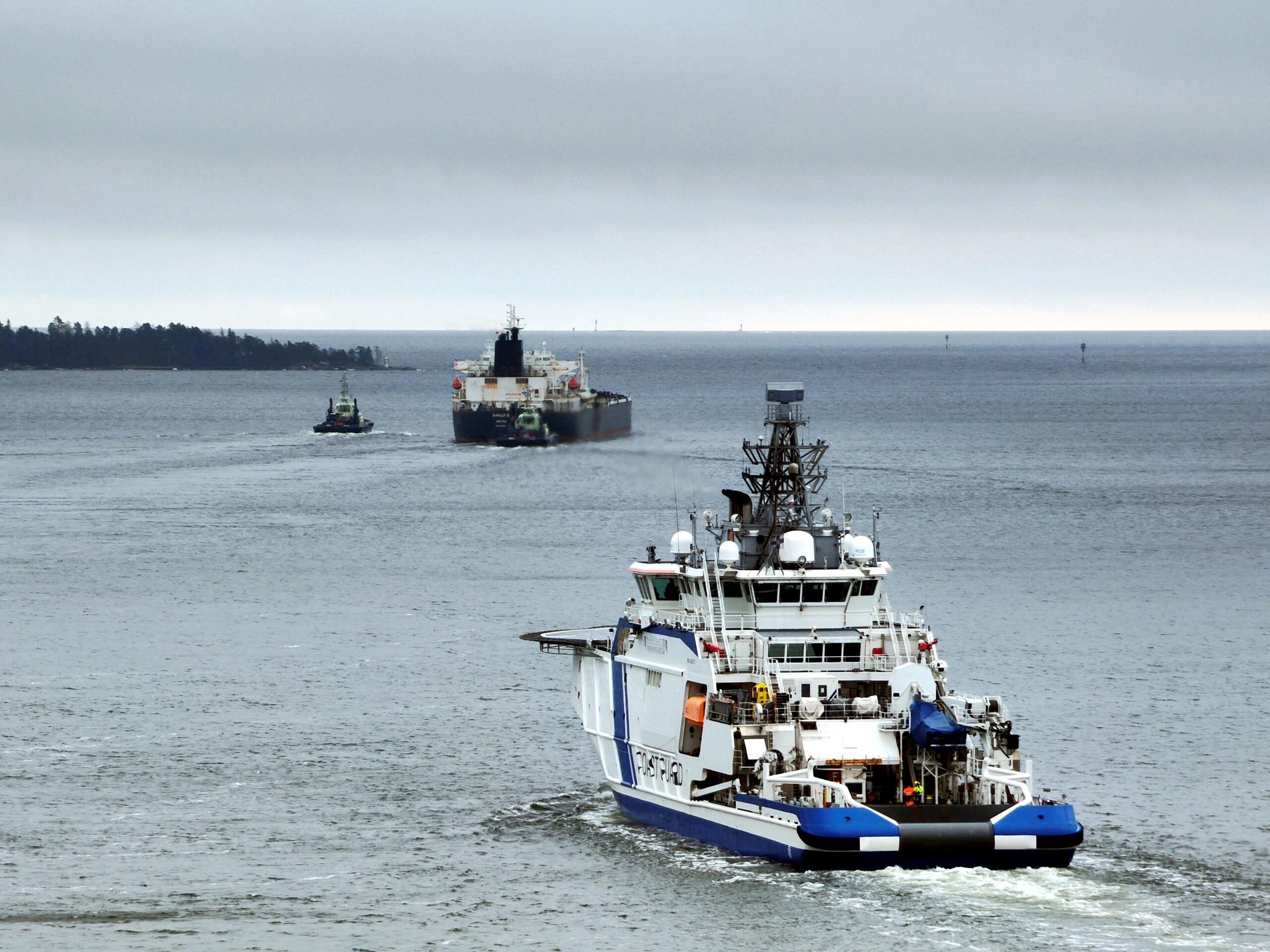
Finnish Border Guard's ship Turva escorts Cook Islands-registered oil tanker Eagle S out to sea on the Baltic, March 2, 2025 near Porvoo, Finland in handout picture released by the Finnish Border Guard. Lehtikuva/Finnish Border Guard/Handout via REUTERS
Germany Denies Baltic Sea Entry to Shadow Fleet Tanker ‘Tavian’ in Unprecedented Move
In a first for Germany and a potential turning point in the battle over so-called “shadow fleet” tankers, German authorities refused the Russian-linked oil tanker Tavian entry into their territorial waters in the Baltic Sea on January 10.
The vessel, widely described in German media as a “zombie” tanker operating under a false Cameroonian identity, was turned away after a Federal Police inspection raised serious concerns over forged documentation and sanctions evasion. ?
The move, reported by major German media including Süddeutsche Zeitung, reflects growing concerns in Berlin about ships that evade sanctions and operate under false flags, posing risks to maritime security and critical infrastructure.
On January 10, German Federal Police identified the Tavian, a 27-year-old tanker that has repeatedly changed names and registration details, as it approached the Baltic Sea. Authorities suspected the ship was flying a false flag and using a fabricated IMO number, a hallmark of so-called “zombie” vessels within the broader shadow fleet.
A helicopter was dispatched to the vessel near the region of Schleswig-Holstein, and after a document check, officers determined the tanker did not meet legal entry requirements and could be linked to sanctions evasion. Tavian is one of the oldest tankers in the global shadow fleet.
Rather than entering German territorial waters and continuing toward its presumed destination in the Baltic, likely an oil terminal near St. Petersburg, the vessel reversed course and headed north toward the Norwegian Sea. Analysts suggest the ship’s captain may have feared impoundment or further enforcement if the vessel entered German jurisdiction. ?
The rejection of the Tavian is significant. Although countries have long grappled with so-called shadow fleet tankers, Germany’s move is the first reported case of such a vessel being blocked from entering a nation’s territorial waters outright.
Germany and other Baltic and North Sea states have become increasingly wary of these ships. In late 2025, German authorities inspected another suspicious vessel, the Chariot Tide, near critical undersea cables, leading to heightened alertness over subsea infrastructure vulnerabilities. ?Such infrastructure is located in the narrow shipping lanes in the Baltic and Danish straits.
Shadow fleet tankers operating with incomplete documentation or faulty navigation systems have been linked with near-misses, and in some cases are suspected of damaging cables. German authorities also investigated Chinese bulker Yi Peng 3, which was suspected of damaging two submarine cables in November 2024.
The Tavian itself has an opaque history with tracking data and maritime intelligence suggesting it has operated under various identities, including Tia and Arcusat, and is included on U.S. sanctions lists for prior involvement in illegitimate oil trades. Its repeated name and flag changes typify shadow fleet tactics, aimed at obscuring ownership, sanction status, and operational history.
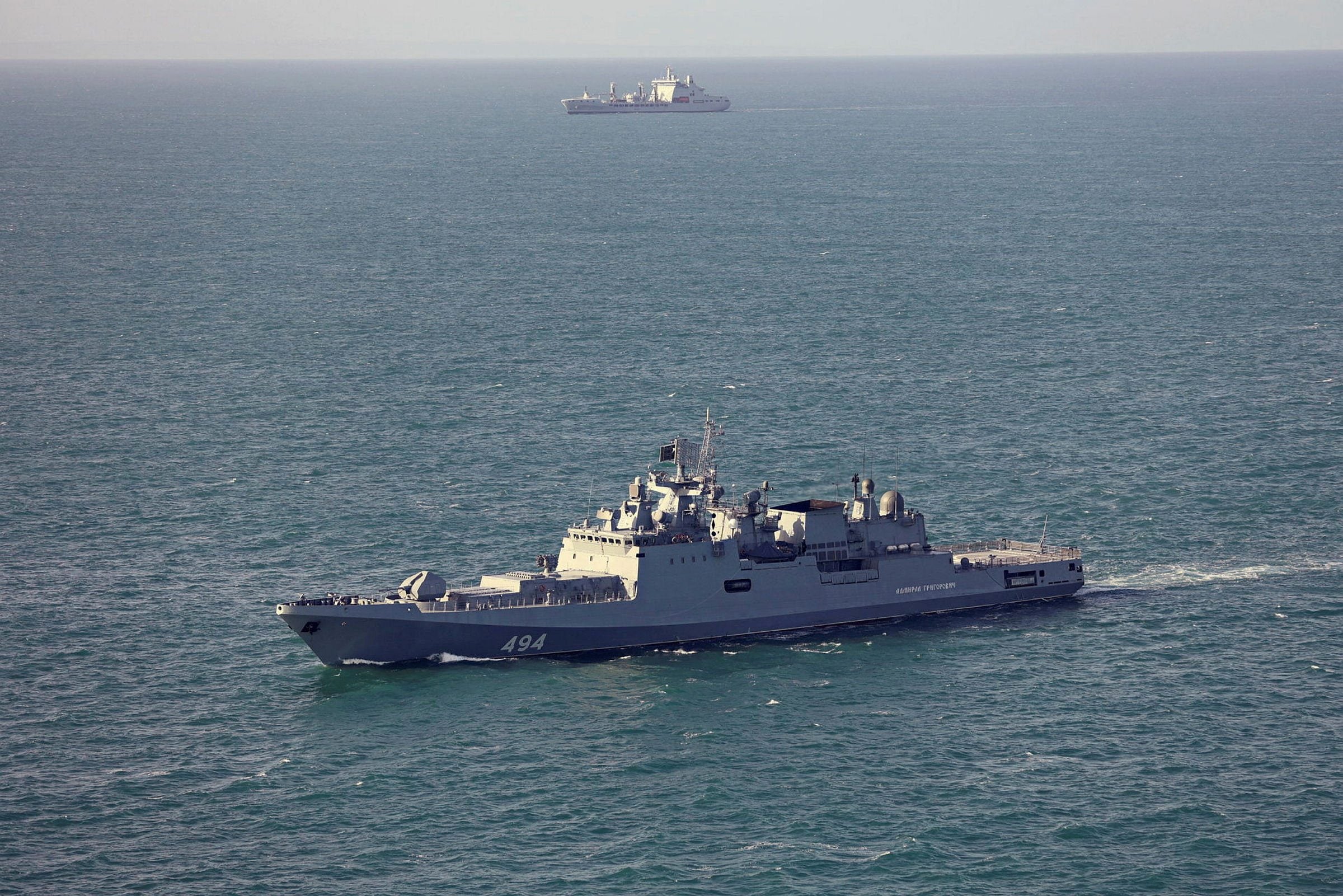
British Prime Minister Keir Starmer said on Wednesday the firing of warning shots by a Russian frigate to divert a UK-flagged civilian yacht near British territorial waters was reckless and deeply concerning.
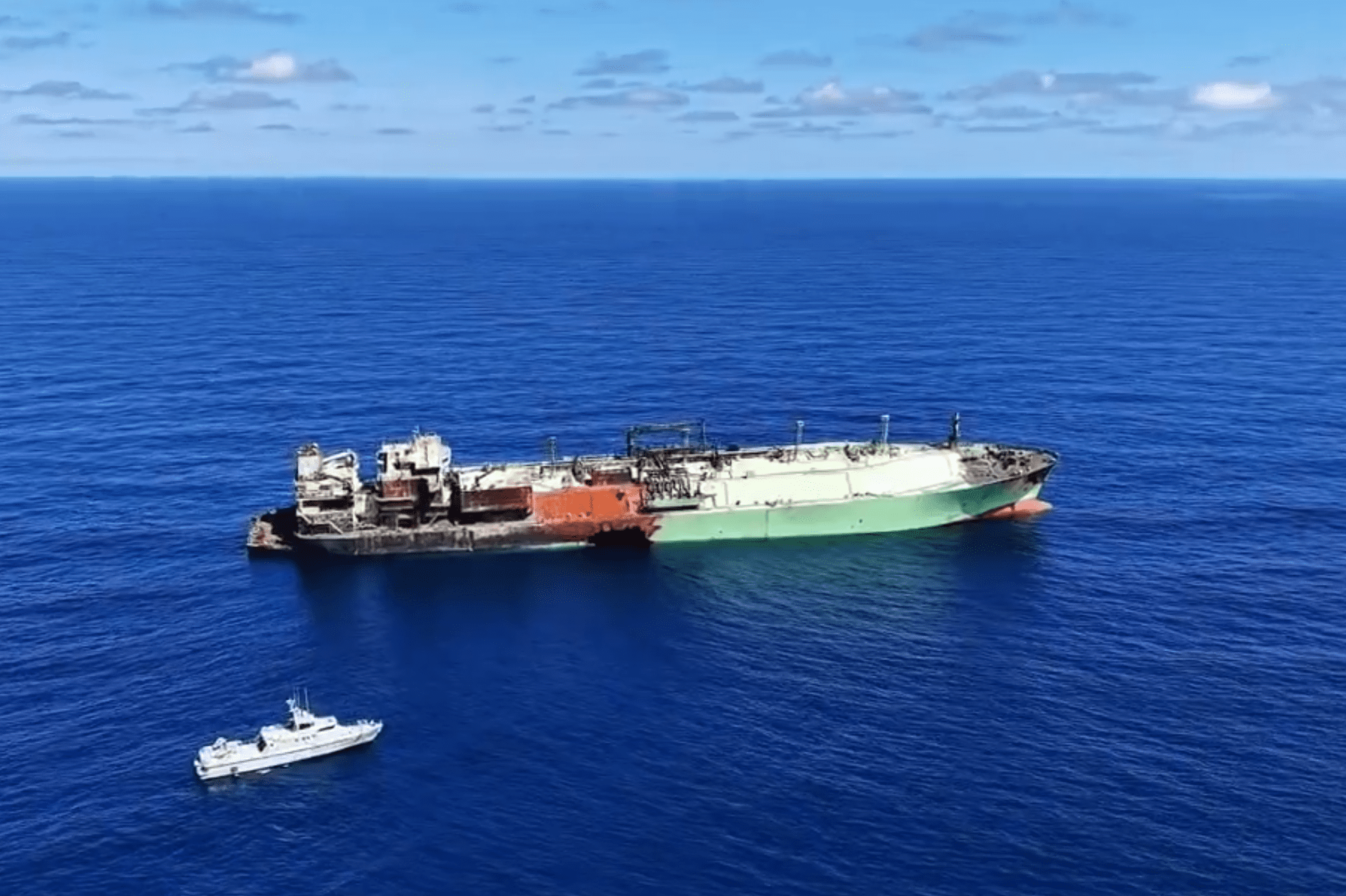
The burnt-out Russian LNG carrier Arctic Metagaz has been anchored off Libya’s eastern coast, potentially ending a two-month drift across the central Mediterranean, though uncertainty remains over how authorities will handle the stricken vessel.
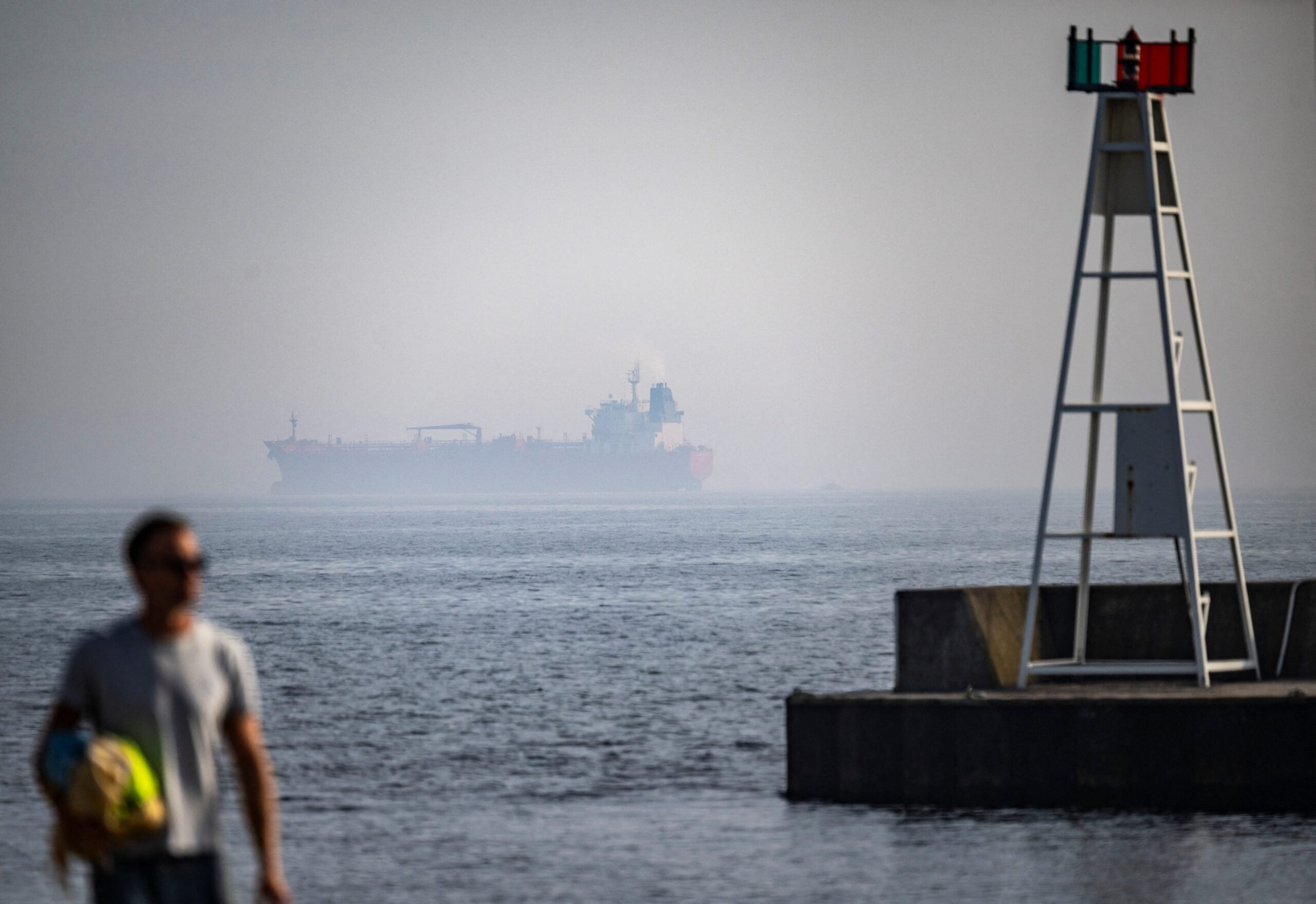
STOCKHOLM, May 3 (Reuters) – The Swedish Coast Guard said on Sunday it had seized a tanker in the Baltic Sea believed to be part of Russia’s shadow fleet, the latest in a string...
May 3, 2026
Total Views: 849
Get The Industry’s Go-To News
Subscribe to gCaptain Daily and stay informed with the latest global maritime and offshore news
— just like 105,059 professionals
Secure Your Spot
on the gCaptain Crew
Stay informed with the latest maritime and offshore news, delivered daily straight to your inbox
— trusted by our 105,059 members
Your Gateway to the Maritime World!
Essential news coupled with the finest maritime content sourced from across the globe.

 Join The Club