The former commander of United States Army Europe says that ports are more important to NATO than patirot missiles systems as he warns against China’s investments in critical European infastructure.
The European Commission proposed an action plan to bolster cyber defense earlier this month; Hodges, who commanded U.S. Army forces in Europe from 2014 until 2017 and has long argued that civilian infrastructure is an essential pillar of military strategy, said cyber protection is just as important as missile defense systems to guard the German North Sea ports.
Russia has recently increasingly targeted communications and electricity infrastructure in Ukraine, and in October warned “quasi-civilian infrastructure” may be a legitimate target for a retaliatory strike against countries aiding the eastern European country which it invaded in February.
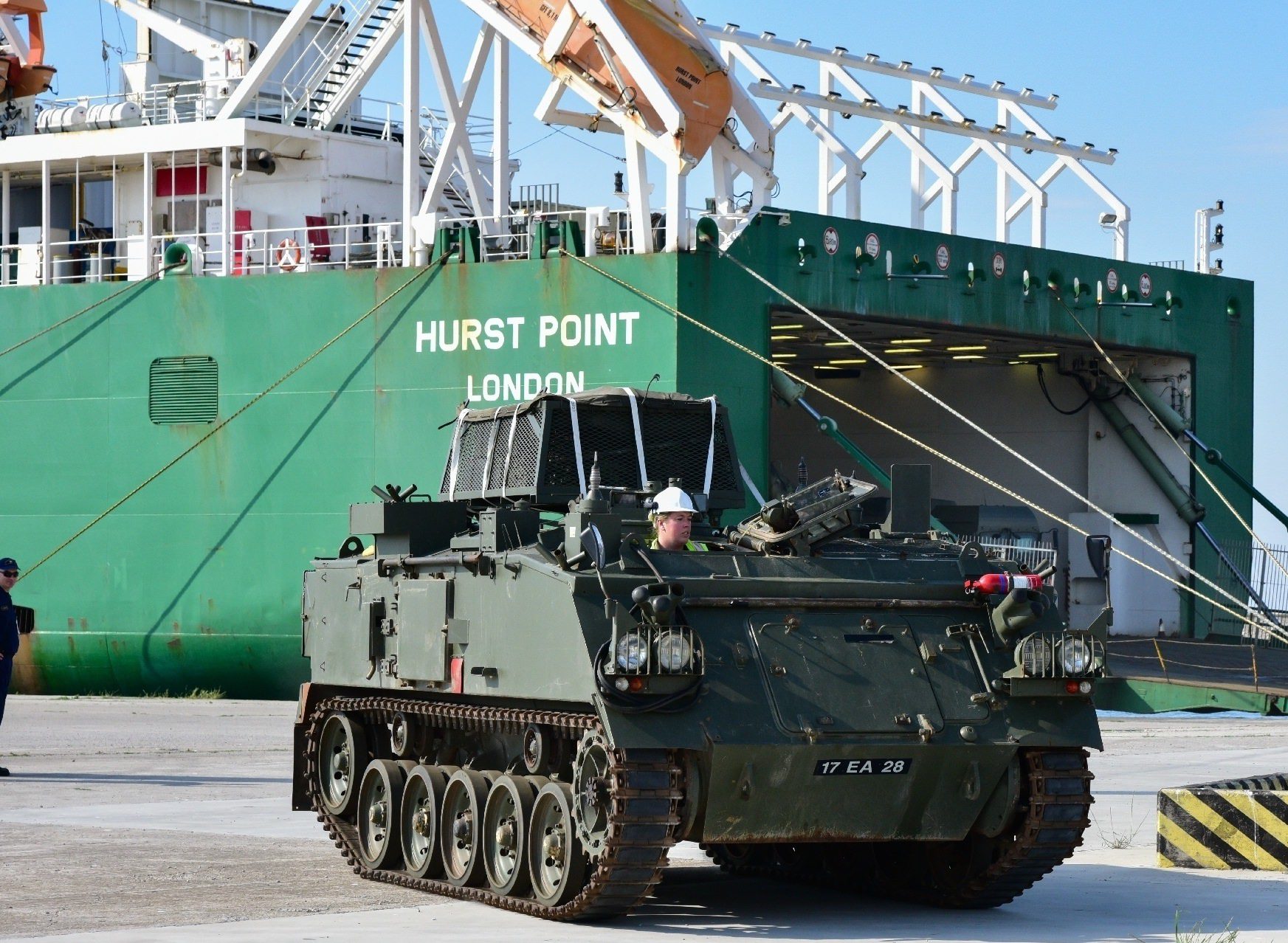
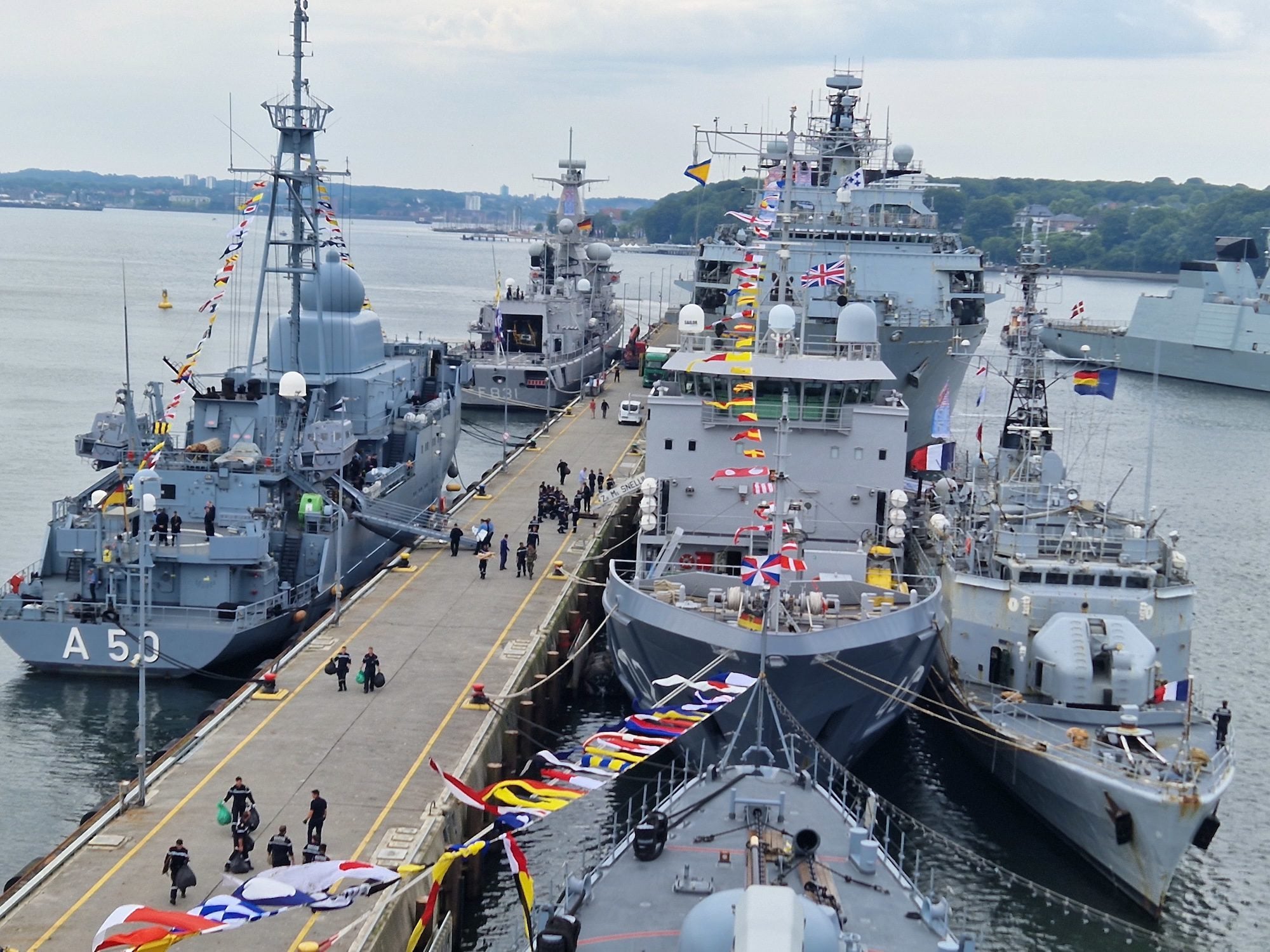
“Bremerhaven and Hamburg are actually the most important seaports on which the alliance depends, for the military equipment, not just commercial cargo,” Hodges said.
He recalled a 2017 cyberattack, dubbed NotPetya and attributed to Russia, that first targeted Ukraine but spread rapidly through corporate networks of multinationals with operations or suppliers in eastern Europe. The Danish shipping giant Maersk said the attack caused outages at its computer systems across the world, so the company lost track of its freight.
“That was when I realized how vulnerable we are,” Hodges said. “If we can’t use Bremerhaven, it will be very difficult for the United States to reinforce and to fulfill its part of operation plans.”
In light of that, Hodges said, Berlin’s decision to allow Chinese group COSCO Shipping Holdings buy a stake in a terminal in Hamburg, the country’s largest port, caused “a lot of anxiety … because once they’re there, they’re inside the ecosystem of the harbor.”
Hodges said the ports would be essential for bringing in allies, “and so knowing that the Chinese may be able to influence or disrupt activities at critical transportation infrastructure, that’s a problem.”
The defense ministry in Berlin declined to comment on Hodges’ security concerns. Hamburg port operator HHLA said it constantly examines software, guidelines and methods to identify and eliminate weaknesses as quickly as possible. The Chinese foreign ministry said cooperation between China and Germany is a matter for the two countries and third-parties “have no right to meddle and intervene.”
?? China’s companies have been heavily investing in ports around the world, but also with a special emphasis on Europe. There are more than a dozen ports in the Mediterranean and Europe in which the Chinese state-owned enterprises have acquired stakes. Hamburg is the next target. pic.twitter.com/nYvBopHBGA
Five people have been arrested in Norway as part of an international investigation into suspected fraud and bribery involving a company providing port services to NATO warships. The arrests were...
Norway expanded on Thursday a recently created military brigade headquartered in the Arctic, the latest move by a NATO nation to boost its defense footprint in the wake of the Ukraine war.
The UK and the Netherlands have agreed to jointly develop a new class of amphibious transport ships in a £2.4 billion program that will see the vessels built in British...
July 7, 2026
Total Views: 1320
Get The Industry’s Go-To News
Subscribe to gCaptain Daily and stay informed with the latest global maritime and offshore news
— just like 106,390 professionals
Secure Your Spot
on the gCaptain Crew
Stay informed with the latest maritime and offshore news, delivered daily straight to your inbox
— trusted by our 106,390 members
Your Gateway to the Maritime World!
Essential news coupled with the finest maritime content sourced from across the globe.

 Join The Club