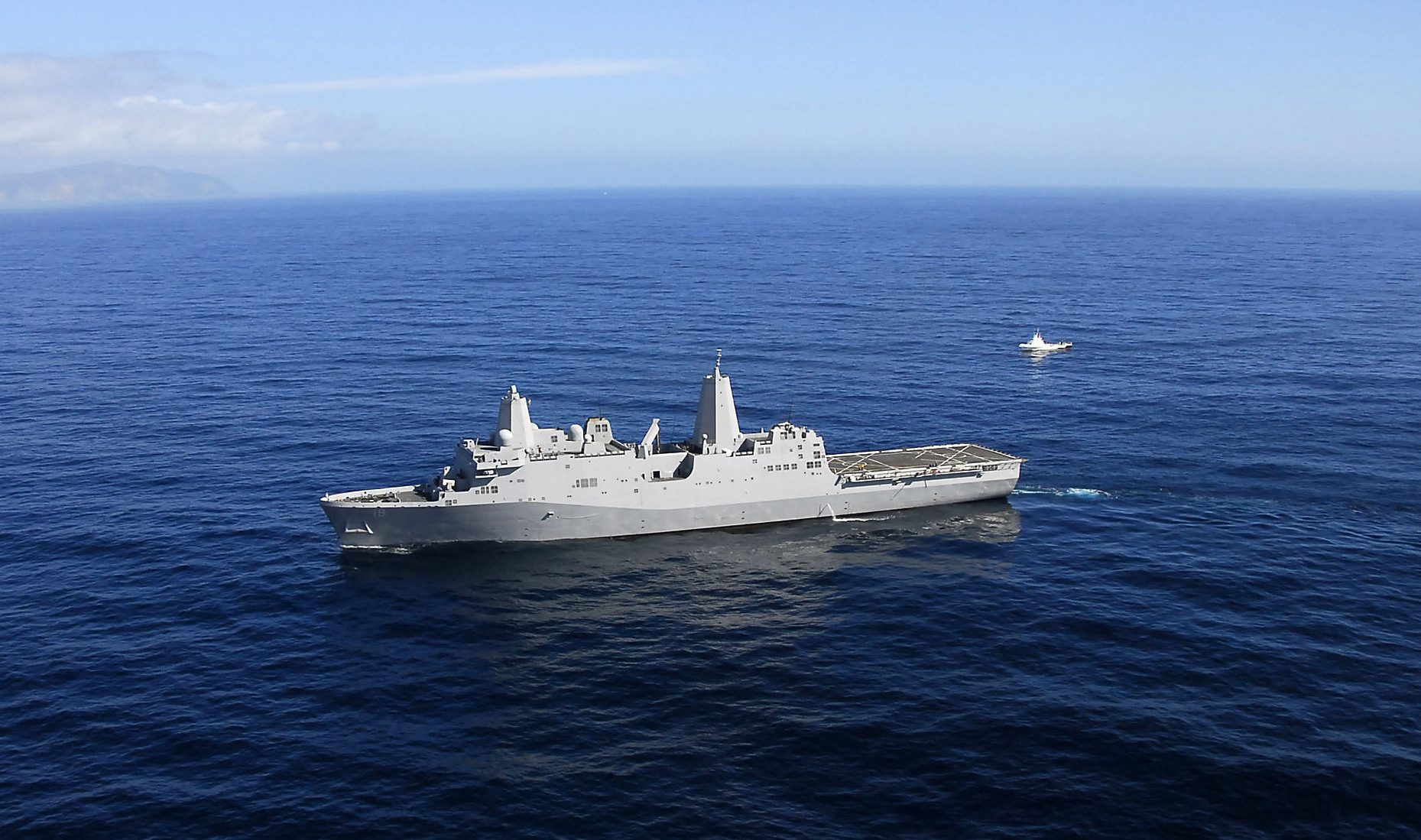
A new Government Accountability Office (GAO) report has revealed readiness challenges plaguing the U.S. Navy’s amphibious warfare fleet, with half of the 32-vessel force reported to be in poor condition.
The crisis threatens to undermine the fleet’s essential role in transporting Marines and their equipment for vital military operations.
“The findings reveal systemic issues that jeopardize the Navy’s ability to maintain the fleet needed for vital operations and training,” states the GAO report.
The GAO found that half of the Navy’s 32 amphibious warfare ships are in poor condition as of March 2024, with some vessels sidelined for years. The fleet is required to maintain 31 operational ships to meet statutory requirements, but aging vessels, canceled maintenance, and insufficient spare parts have significantly reduced availability.
To cut costs, the Navy proposed early retirement for some ships and canceled critical maintenance. Yet the GAO found these same ships remain in service while the Navy awaits replacements, a strategy that risks further degrading readiness. The Navy estimates extending the service life of older ships to meet the 31-ship requirement could cost up to $1 billion per vessel.
The implications extend far beyond mere statistics. These amphibious warfare ships serve as crucial platforms for Marine Corps operations, supporting missions ranging from combat operations to humanitarian assistance. The current maintenance delays and reduced fleet readiness directly impact the military’s ability to respond to global challenges.
The GAO’s investigation identified maintenance cancellations and rising shipbuilding costs as primary factors contributing to the fleet’s decline. In response, they’ve outlined four key recommendations, including developing measurable ship availability definitions and establishing a concrete timeline for a joint Navy-Marine Corps availability plan.
Looking ahead, the Navy faces a daunting challenge with six ships requiring service life extensions over the next three decades. Without swift action to address these maintenance and management issues, the GAO warns that the Navy risks failing to meet both its statutory obligations and operational requirements.
As the situation unfolds, both the Marine Corps and Navy find themselves at a critical crossroads, attempting to balance immediate readiness needs against long-term fleet sustainability.
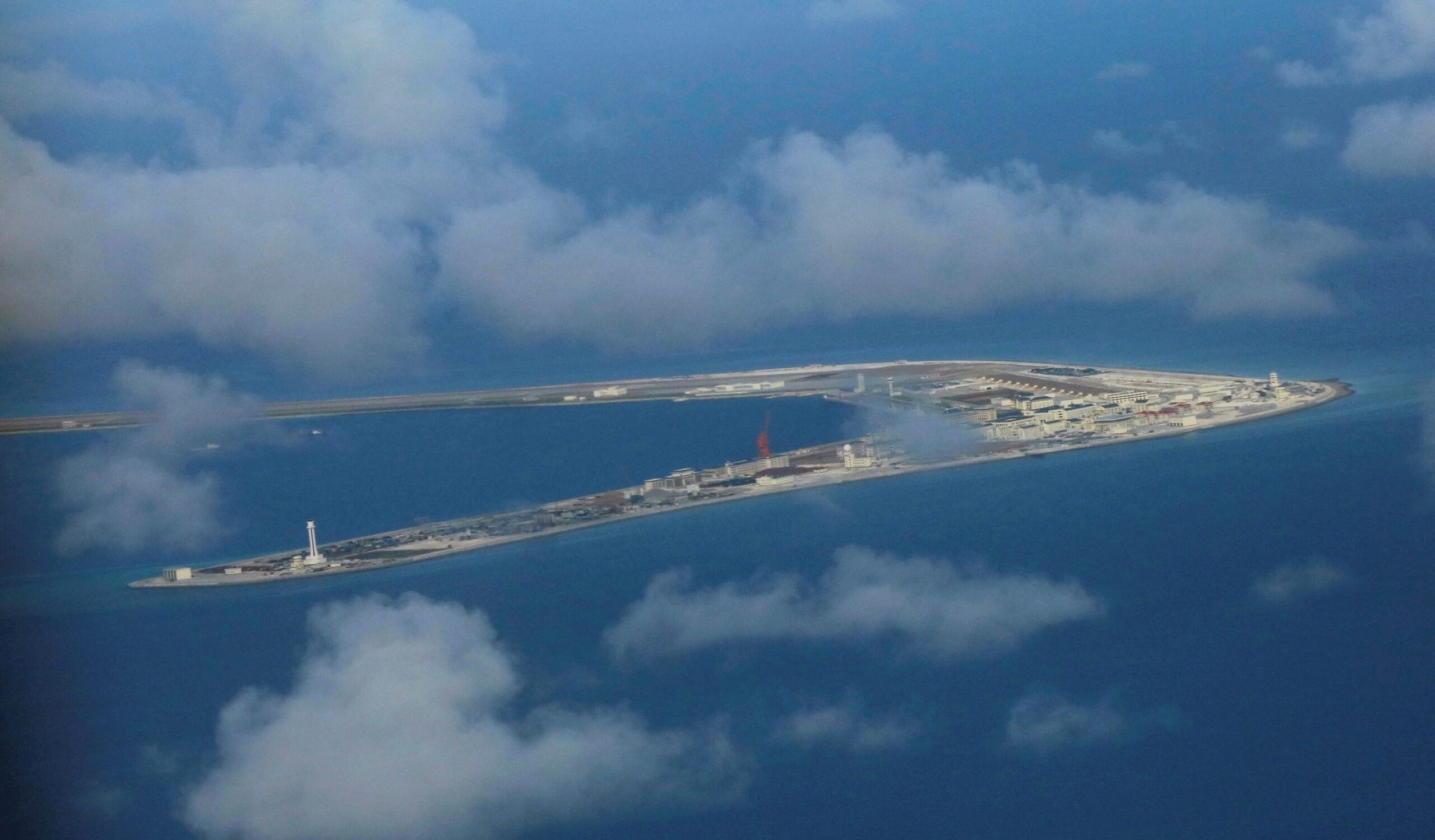
China's military said on Tuesday it had sent forces to watch a US warship that "illegally" entered waters around a disputed shoal in the South China Sea, while further north in the waterway, Taiwan reported a standoff with a Chinese vessel.
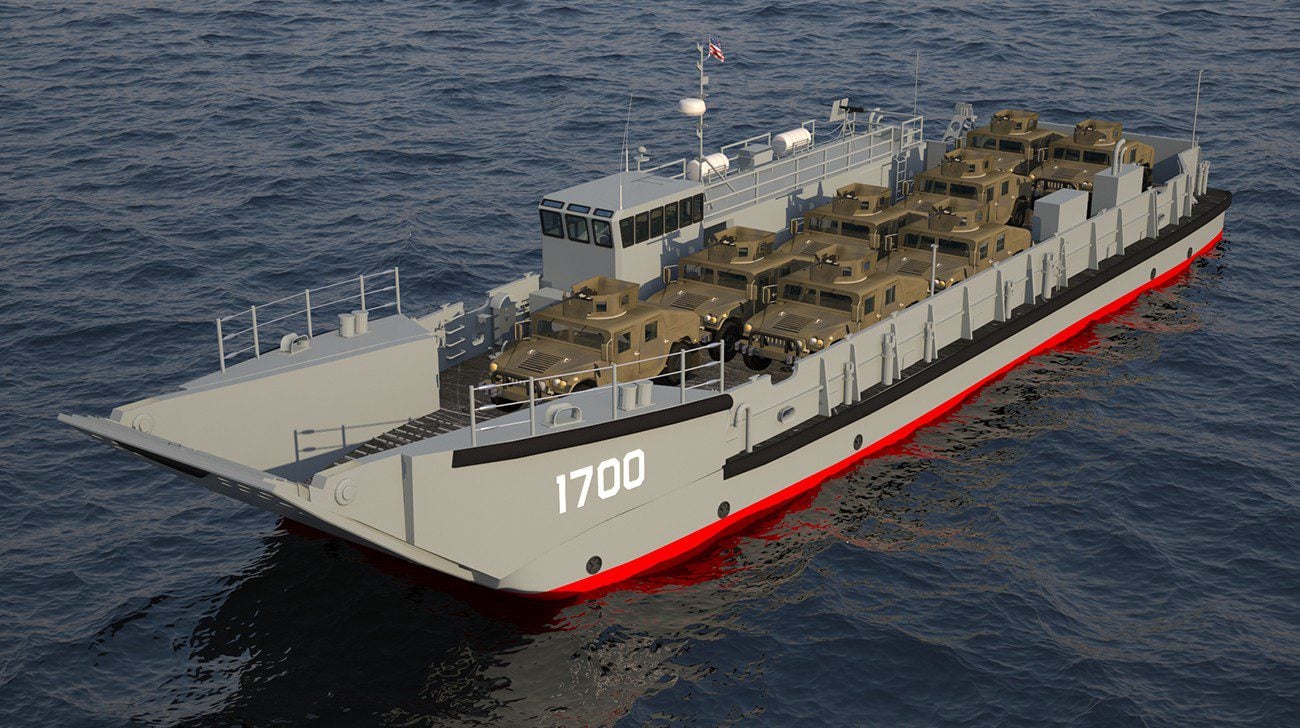
Master Boat Builders has secured its first U.S. Navy defense shipbuilding contract as a prime shipyard, winning an agreement to build three new Landing Craft Utility vessels at its yard...
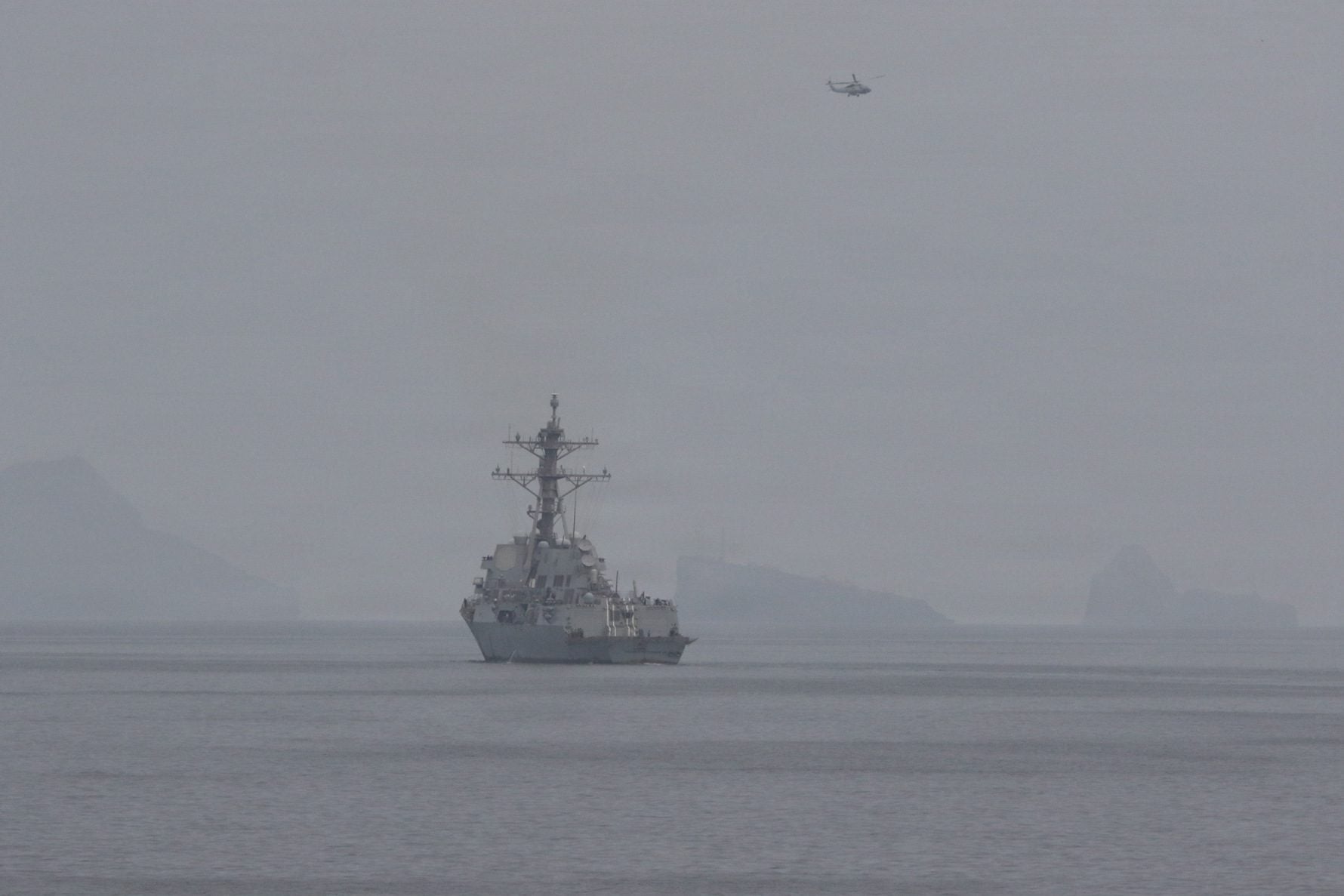
Anthropic says it disrupted an Iran-linked user that used its Claude artificial intelligence models to track U.S. naval forces, compile targeting material and research vulnerabilities in shipboard systems. The activity...
September 11, 2026
Total Views: 4634
Get The Industry’s Go-To News
Subscribe to gCaptain Daily and stay informed with the latest global maritime and offshore news
— just like 106,495 professionals
Secure Your Spot
on the gCaptain Crew
Stay informed with the latest maritime and offshore news, delivered daily straight to your inbox
— trusted by our 106,495 members
Your Gateway to the Maritime World!
Essential news coupled with the finest maritime content sourced from across the globe.

 Join The Club