France on Monday laurched a new G7-backed network linking major seaports, customs authorities and international organizations in an effort to crack down on drug trafficking through global maritime supply chains.
The G7+ Ports Network to Combat Drug Trafficking, announced during the G7 foreign ministers’ meeting in Paris on November 9, brings together 14 ports and participating countries, including Brazil and South Korea, alongside the G7 nations.
The initiative aims to improve intelligence sharing, strengthen cooperation between port and customs authorities, and better identify shipping routes and containers being exploited by criminal organizations.
The network was first proposed at the G7 leaders’ summit in Évian, France, in June, when leaders issued a joint declaration identifying maritime transport as the primary route for international drug and precursor chemical trafficking.
The declaration committed participating countries to strengthening maritime security, improving port resilience and working more closely with the shipping industry to disrupt illicit cargo movements.
The new network will coordinate with existing initiatives, including the European Ports Alliance, and draw on international standards such as the International Maritime Organization’s International Ship and Port Facility Security (ISPS) Code.
Its work will include sharing best practices, improving cooperation between law enforcement agencies and port operators, and identifying vulnerabilities in international cargo supply chains.
The initiative also involves organizations including the IMO, Interpol, the United Nations Office on Drugs and Crime and the World Customs Organization.
According to France’s Foreign Ministry, the network is holding its first meeting in Marseille alongside the November 9–10 G7 ministerial gathering in Paris.
The effort comes amid growing concerns over the infiltration of legitimate port operations and logistics networks by organized criminal groups.
In their June declaration, G7 leaders warned that criminal organizations increasingly rely on access to legitimate public and private institutions to facilitate international drug shipments. They also called for stronger cooperation with the private sector and improvements to port and shipping security standards.
France has made maritime trafficking a central part of its broader international counternarcotics strategy. In a new action plan released Monday, the government estimated that 70% of drugs entering Europe arrive by sea and through ports.
The French government said it handled 20 requests to board vessels suspected of drug trafficking on the high seas in 2025, resulting in seizures of nearly 40 metric tons of narcotics, almost entirely cocaine.
The G7 initiative also calls for stronger efforts to prevent criminal infiltration of port authorities and private businesses, alongside enhanced financial investigations targeting the proceeds of drug trafficking.
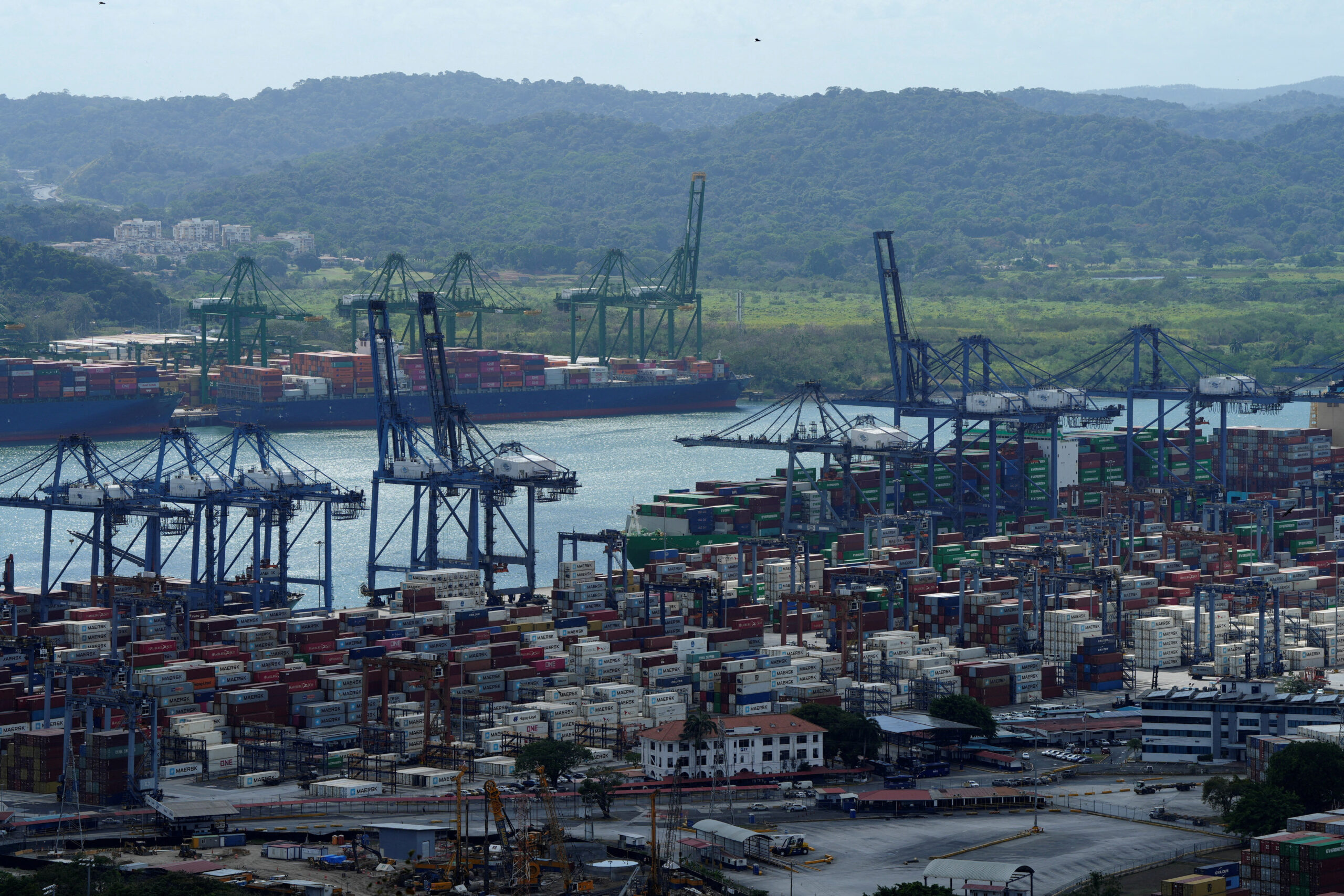
For the maritime industry, the initiative places additional attention on the security of commercial ports, containerized cargo and international logistics operations, with governments seeking closer cooperation from shipping companies and terminal operators.
The challenge now will be turning the new network into practical cooperation between ports and enforcement agencies while protecting the flow of legitimate international trade.

 Join The Club