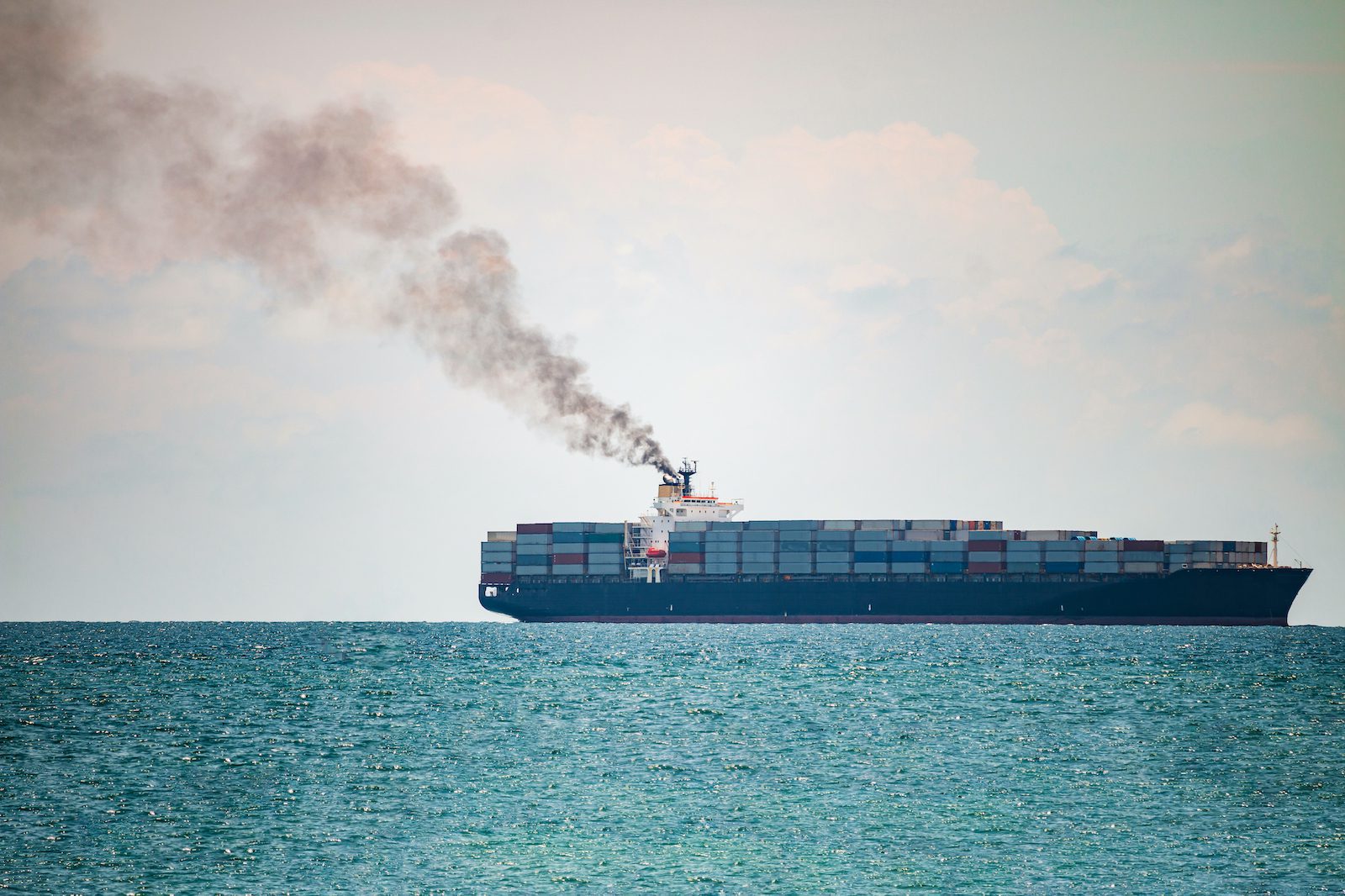
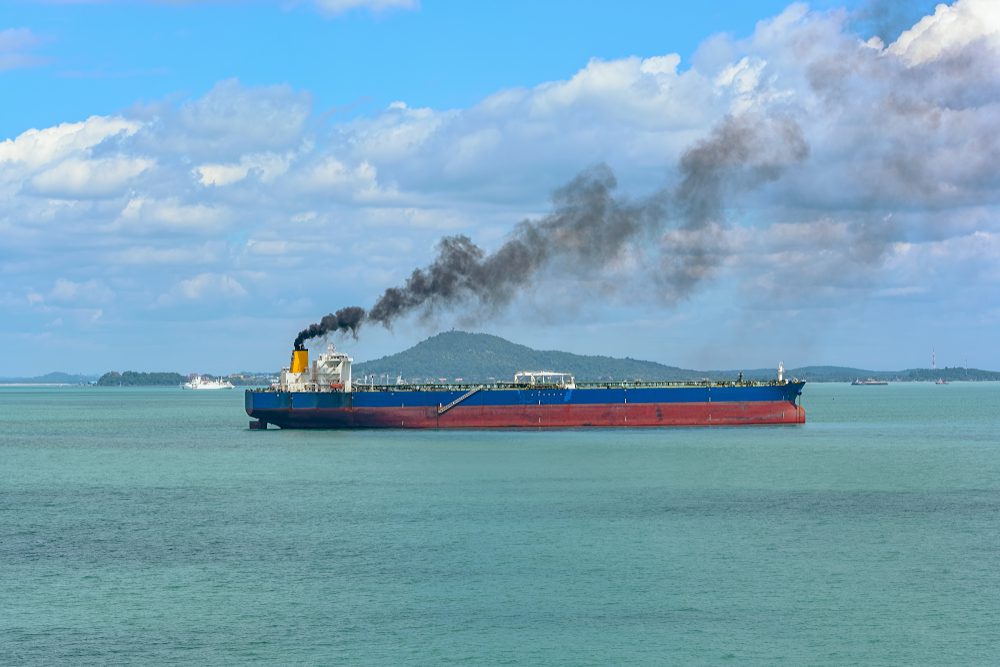
The European Union’s landmark FuelEU Maritime regulation came into force on January 1, 2025, marking a watershed moment for the shipping industry’s decarbonization efforts. The regulation targets vessels over 5,000 gross tons calling at EU ports, requiring a gradual reduction in greenhouse gas intensity from marine fuels – starting with a 2% cut in 2025 and advancing to 80% by 2050.
For an industry that accounts for approximately 3% of global emissions, this regulation represents a critical component of the EU’s ambitious Fit for 55 initiative, which targets a 55% emissions reduction by 2030.
While the regulation offers flexibility through its technology-neutral approach, allowing operators to choose from options including biofuels, LNG, methanol, ammonia, and hydrogen, significant challenges remain. Industry experts point to high costs and fuel availability as major obstacles to widespread adoption.
The maritime sector faces additional workforce challenges, with recent studies indicating that 450,000 seafarers will require training by 2030 to safely handle alternative fuels.
Despite these hurdles, the regulation marks a decisive step toward maritime decarbonization. As carbon allowance prices rise and regulatory scrutiny intensifies, shipping companies are increasingly pressured to prioritize long-term decarbonization investments over temporary solutions.

 Join The Club