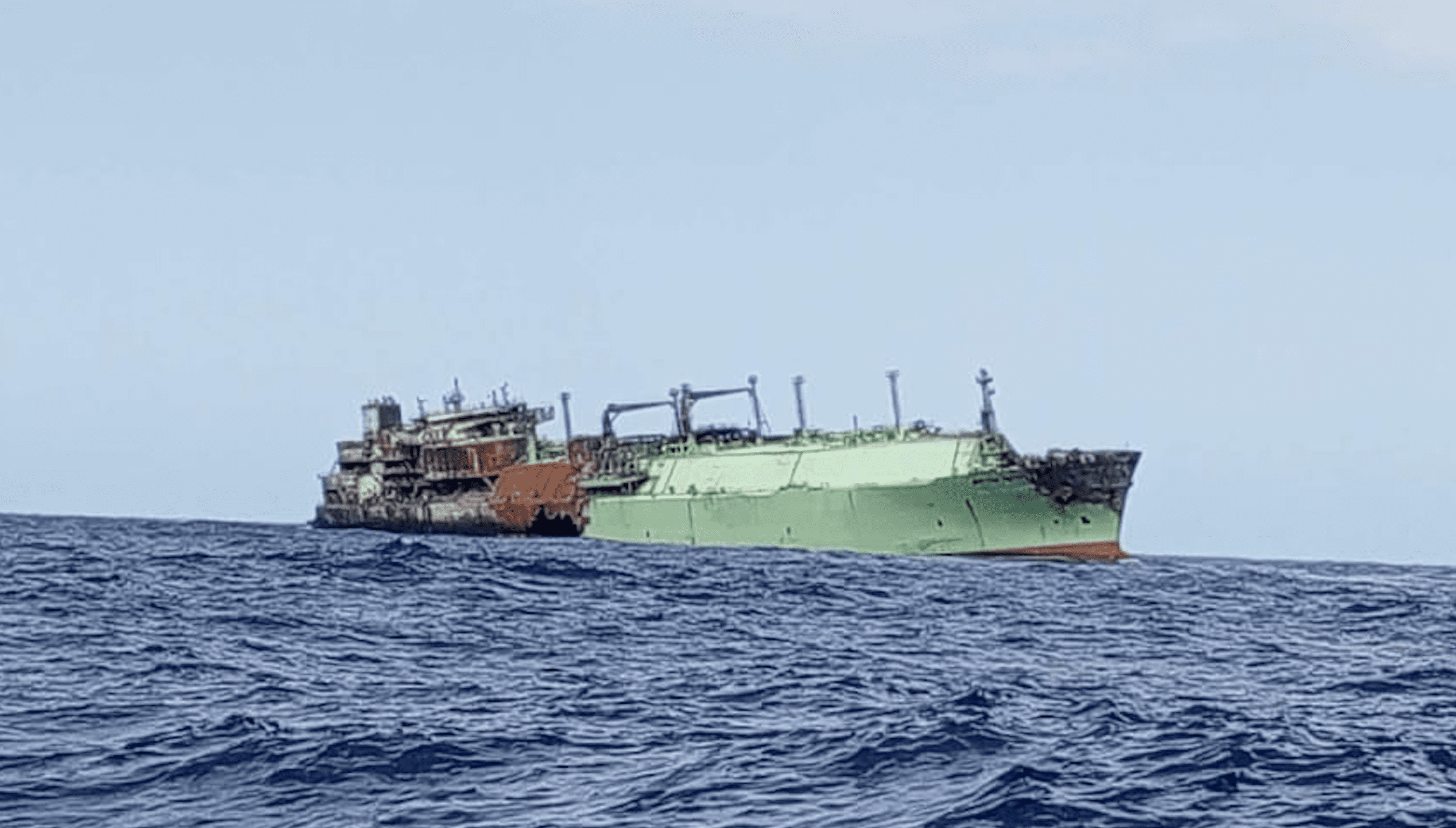
A Japanese-linked liquefied natural gas (LNG) carrier has successfully transited the Strait of Hormuz, marking the first such passage by a Japan-affiliated vessel since the waterway was effectively shut by conflict in the region, its operator said on Friday.
The Panama-flagged Sohar LNG, co-owned by Mitsui O.S.K. Lines, completed the crossing with all crew safe, the company confirmed, declining to provide details on the timing of the transit or whether any negotiations were required. ?
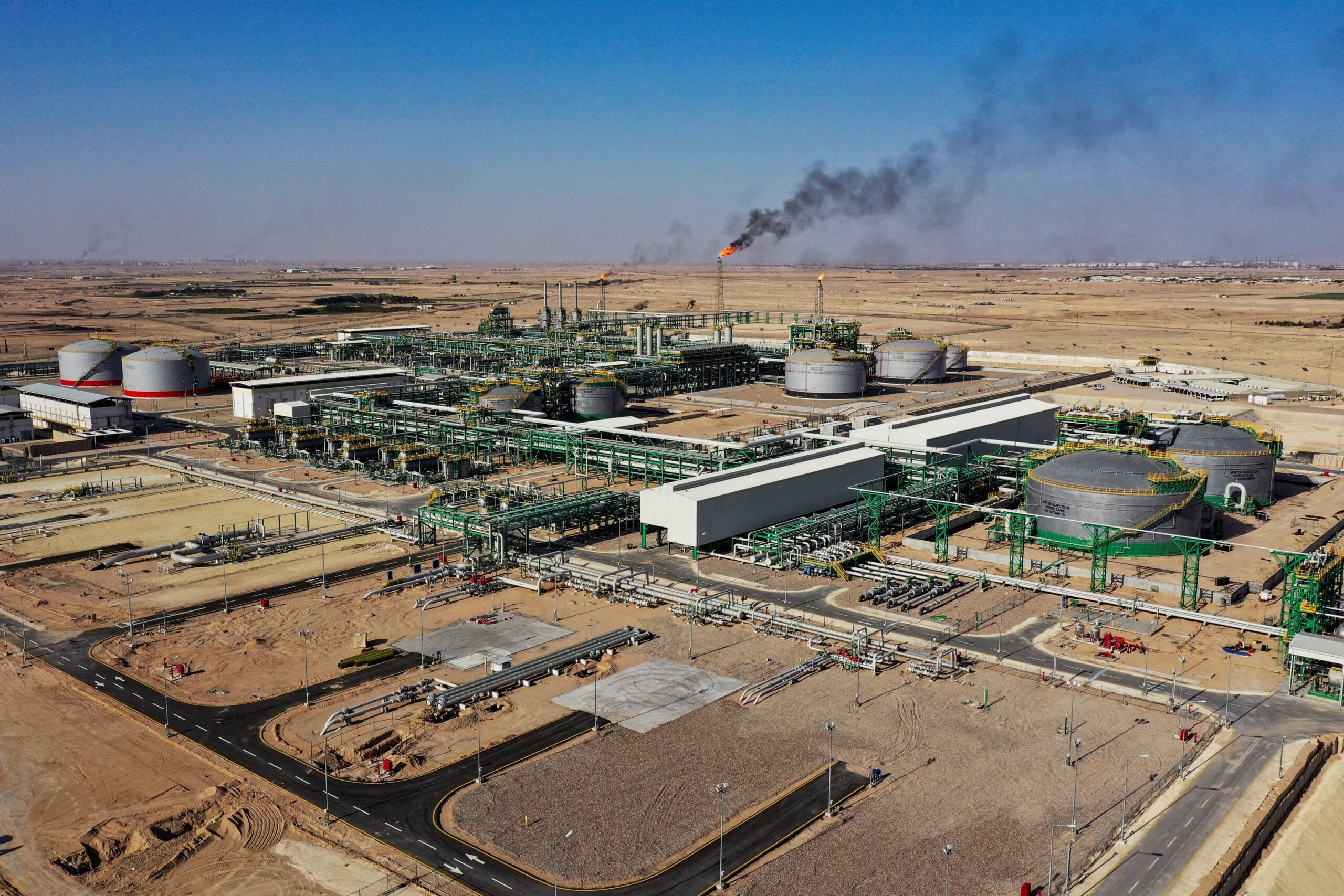
The voyage represents a significant development after weeks of near-total disruption in one of the world’s most critical energy corridors. The Strait of Hormuz typically handles about 20% of global oil and LNG flows, but traffic collapsed following U.S.-Israeli strikes on Iran in late February and Tehran’s subsequent moves to restrict shipping. ?
No loaded LNG tankers were recorded passing through the strait during March, according to ship-tracking data, underscoring the severity of the supply shock that has pushed up gas prices in Europe and Asia.
Japan, heavily dependent on Middle Eastern energy imports, has been particularly exposed. Around 90% of its crude oil imports and a portion of its LNG shipments normally pass through the strait. As of Friday, 45 Japanese-operated vessels remained stranded in the region due to the disruption, including several LNG carriers. ?
The Sohar LNG had been among ships waiting in the Persian Gulf before making the passage into the Gulf of Oman, according to Japanese media and company statements. ?
Other vessels from countries including China, India, Greece and France have also recently begun navigating the chokepoint, suggesting a cautious resumption of traffic despite ongoing security risks. ?
Even limited reopenings could ease pressure on global energy markets, but sustained flows are needed to stabilise supply chains disrupted by what has become the most severe maritime energy shock in decades.
Editorial Standards · Corrections · About gCaptain

 Join The Club