By Jonathan Saul and Charles Regnier LONDON, May 7 (Reuters) – Leading tanker operator Euronav posted record high first-quarter results on Thursday and expects strong demand for oil storage at sea to continue in 2020, driving its shares up 8.5%.
The world is still struggling with an oil glut due to a drop in demand caused by the coronavirus even after top oil producing countries have cut output. The glut has prompted a scramble to find storage options on land and sea.
Hugo De Stoop, chief executive of Belgian group Euronav, said floating storage was “more likely to increase than to decrease”.
“At the moment we continue to be in a world that is oversupplied with oil and the oil has to go somewhere and the land storage is full,” he told Reuters.
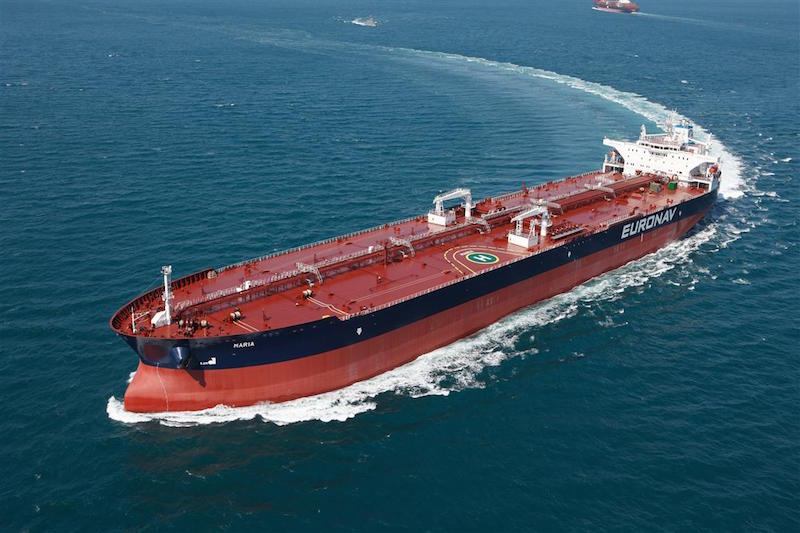
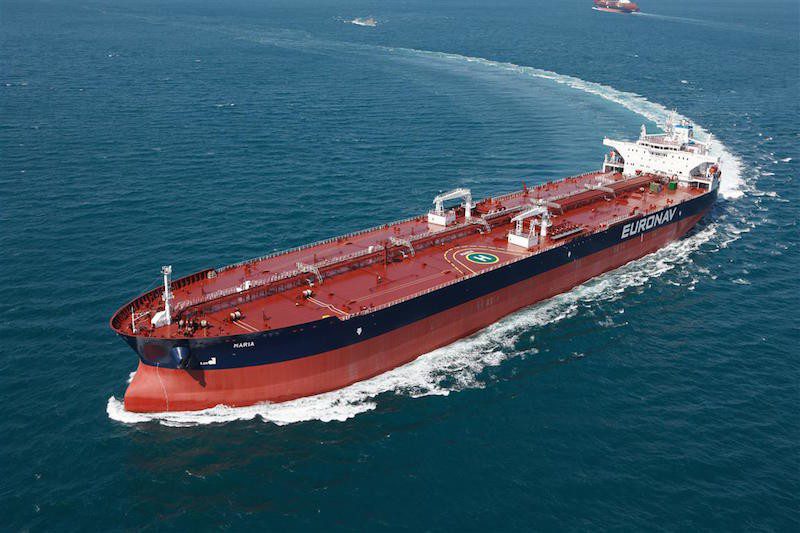
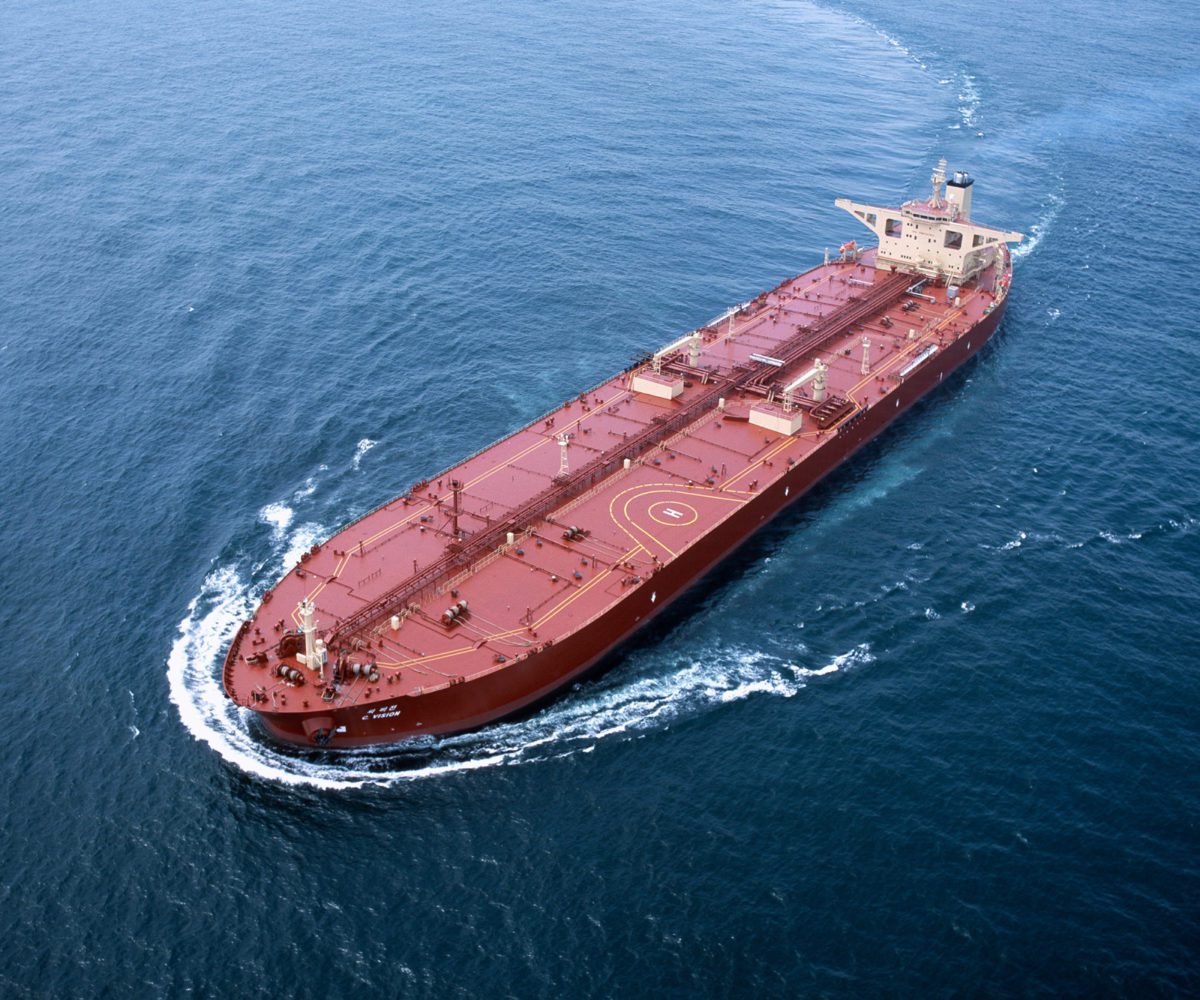
Euronav’s fleet currently includes 42 very large crude carriers (VLCCs) – each of which can carry 2 million barrels of oil – as well as 25 smaller suezmax tankers which can each carry 1 million barrels. It also has two megatankers each with a maximum capacity of 3 million barrels.
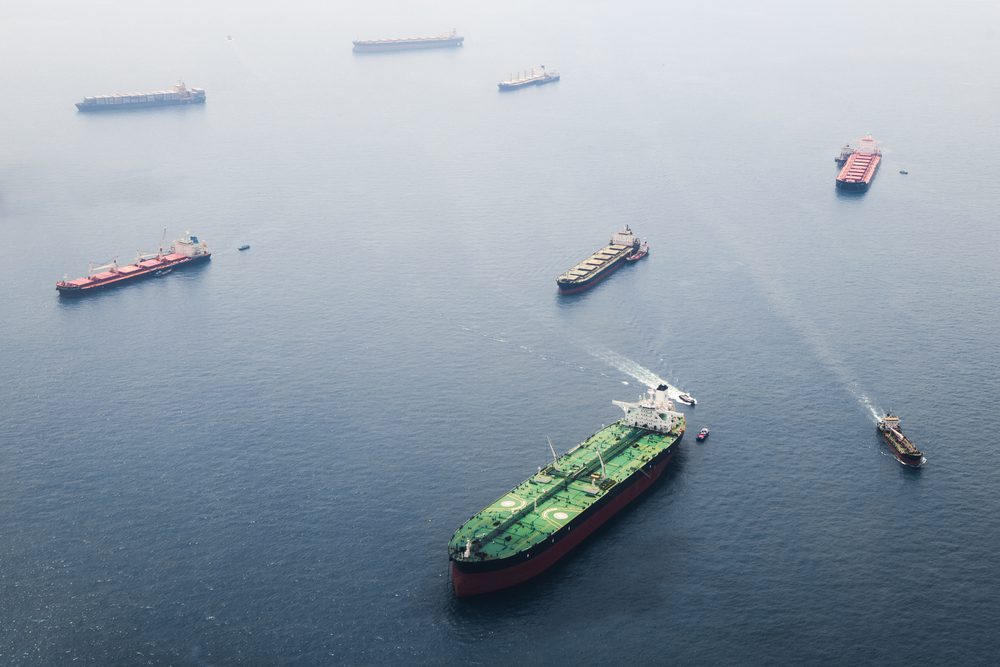
De Stoop said 65 VLCCs around the world had been stationary for at least 15 days, indicating they were likely to be storing oil, with a further 38 suezmaxes also holding oil at sea.
That would indicate nearly 170 million barrels of crude were held on the water, which is a record high.
De Stoop said tankers were being parked in hubs around the world especially around the U.S. Gulf, the Middle East, Singapore and South Africa, adding that five of Euronav’s VLCCs were on contracts with storage options.
The crude market has been trading in what is known as contango, where forward prices are higher than immediate prices. This market structure encourages traders to park barrels in storage in the hopes of selling them for a profit later.
De Stoop said “the first phase” of storage interest was driven by traders looking to benefit from the contango.
“Today, the requests that we are receiving are very different – it’s not from traders, it is from people who are looking for space to store the oil that has been produced,” he said.
The company said it was too early to quantify the long-term impact of the coronavirus on its results after it reported first-quarter earnings before interest, taxes, depreciation and amortization (EBITDA) of $327.9 million, up from $125.3 million in the same period a year ago.
The company’s shares were up 8.5% at 1039 GMT.
KBC Securities said Euronav was well set up for a “great” second-quarter. (Editing by Emelia Sithole-Matarise and Elaine Hardcastle)
President Donald Trump said Tuesday he has directed the U.S. government to provide political risk insurance and financial guarantees for maritime trade transiting the Persian Gulf, while signaling that U.S....
A shipowner’s once-in-a-generation wager on oil tankers has made it so powerful that it controls an overwhelming majority of supertankers that can collect American oil next month.
VLCC charter rates have pushed back into six-figure territory, with DHT Holdings (NYSE:DHT) securing a one-year time charter at $105,000 per day for the 2011-built DHT Redwood — one of the highest publicly disclosed fixtures of...
February 24, 2026
Total Views: 994
Get The Industry’s Go-To News
Subscribe to gCaptain Daily and stay informed with the latest global maritime and offshore news
— just like 106,566 professionals
Secure Your Spot
on the gCaptain Crew
Stay informed with the latest maritime and offshore news, delivered daily straight to your inbox
— trusted by our 106,566 members
Your Gateway to the Maritime World!
Essential news coupled with the finest maritime content sourced from across the globe.

 Join The Club