The European Union has imposed sanctions on some of Russia’s most important shipyards, including major submarine builders, naval ship-repair facilities and yards involved in commercial vessel construction, as part of a sweeping expansion of restrictions targeting the country’s military-industrial complex.
The new sanctions, adopted Monday, add 826 Russian companies and 743 executives to the EU’s sanctions list. The measures represent the largest single expansion of the bloc’s sanctions listings since Russia launched its full-scale invasion of Ukraine in February 2022.
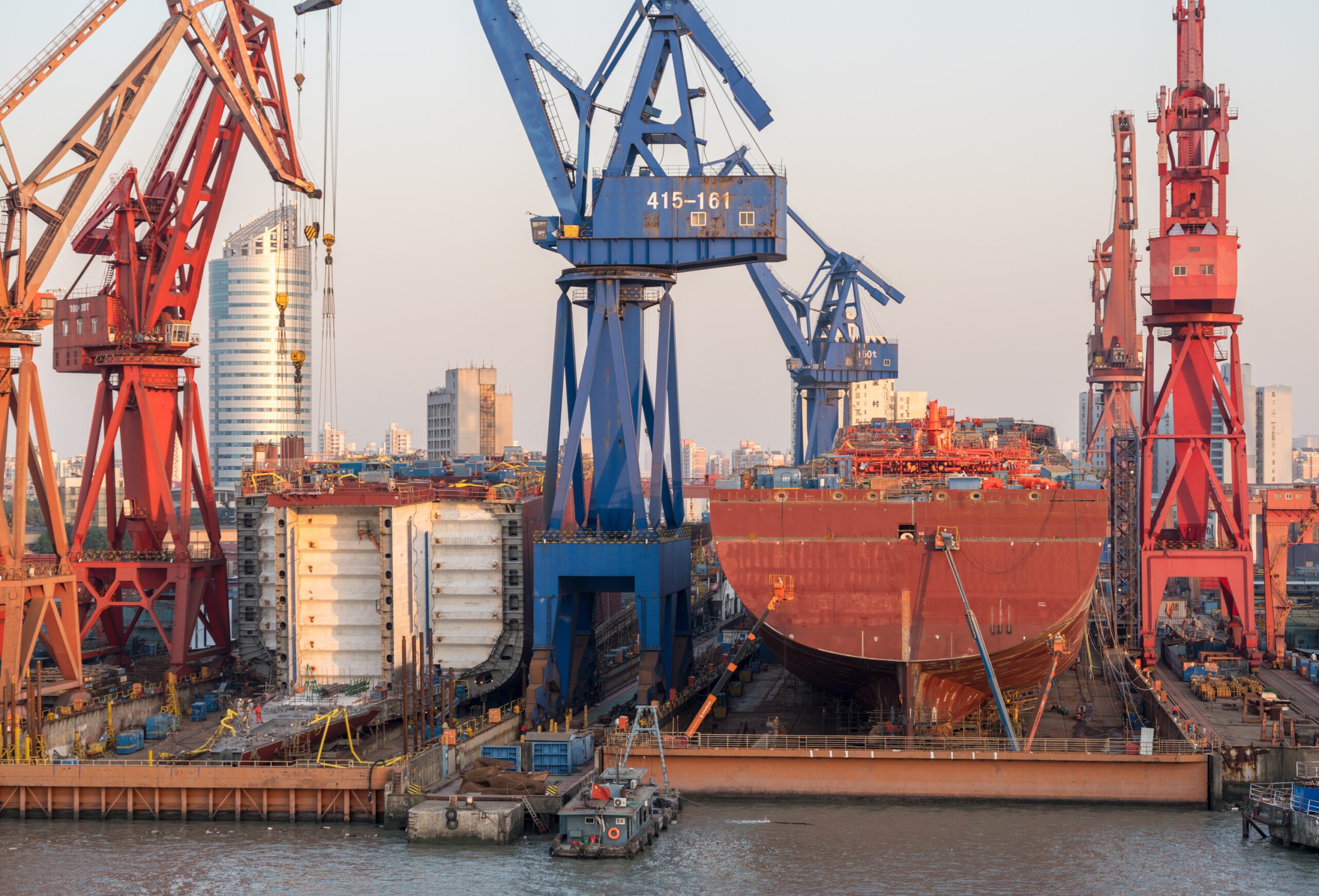
Among the companies named are Admiralty Shipyards in St. Petersburg, Sevmash in Severodvinsk, Amur Shipbuilding Plant in Russia’s Far East, and Severnaya Verf, another major St. Petersburg shipyard.
The designations also include Zvezdochka Ship Repair Center, a major facility for submarine maintenance and modernization, and Dalzavod Ship Repair Center in Vladivostok, which supports Russia’s Pacific Fleet.
The sanctions reach beyond Russia’s principal naval shipyards. Vyborg Shipyard, Sredne-Nevsky Shipyard, Nevsky Shipbuilding and Ship Repair Plant, and Vympel Shipbuilding Plant are also included, extending the restrictions to facilities involved in both military and civilian vessel construction.
Several other ship-repair facilities, including the 13th Ship Repair Plant in Sevastopol and the 33rd and 82nd ship-repair plants, are also among the newly designated entities.
The breadth of the listings is notable for Russia’s shipbuilding industry, where several major yards serve both military and commercial markets.
Sevmash is central to Russia’s nuclear submarine construction program, while Admiralty Shipyards builds conventional submarines. Severnaya Verf is involved in the construction of naval surface combatants, and Amur Shipbuilding Plant builds vessels for Russia’s Pacific Fleet.
Vyborg Shipyard, meanwhile, has been involved in the construction of icebreakers and offshore vessels, while Nevsky Shipbuilding and Ship Repair Plant has built commercial vessels as well as ships for government customers.
The sanctions impose asset freezes and prohibit EU persons and companies from making funds or economic resources available to the designated entities. They do not, by themselves, constitute a blanket prohibition on Russian-built vessels or commercial ships constructed at the affected yards.
According to the EU’s implementing regulation, the companies were identified by the Russian government as belonging to its military-industrial complex and eligible for federal subsidies supporting employee housing costs.
The EU cited those links as grounds for the designations.
The shipbuilding measures form one part of a much larger sanctions expansion focused heavily on Russia’s weapons production capacity. EU foreign policy chief Kaja Kallas said more than half of the nearly 1,600 new listings are connected to the production chain for ballistic missiles.
“This is the single largest expansion of our sanctions list since Russia started its war,” Kallas said.
“We are making it significantly harder, slower and more expensive for Russia to produce the weapons it uses to kill Ukrainians.”
The latest measures are distinct from the EU’s sanctions targeting Russia’s shadow fleet, which have focused on vessels involved in transporting Russian oil and circumventing Western restrictions.
Instead, the new designations target Russia’s shipbuilding and naval maintenance infrastructure, including facilities responsible for constructing, repairing and supporting military vessels.
The sanctions regulation was published in the Official Journal of the European Union on October 12 and entered into force the same day.

 Join The Club