U.S. Energy Secretary Chris Wright has deleted a social media post claiming that the United States Navy successfully escorted an oil tanker through the Strait of Hormuz, raising fresh questions about whether naval convoy operations have begun in the region as Washington moves to restore energy flows disrupted by the escalating conflict with Iran.
In a post published earlier Tuesday, Wright said the Navy had escorted a tanker through the critical maritime chokepoint to “ensure oil remains flowing to global markets” during ongoing U.S. military operations against Iran. However, the message was later removed from his account and no additional details or clarification were immediately provided.
The deleted post briefly fueled speculation that the United States had begun escorting commercial vessels through the strait — a move that would represent a significant escalation in maritime security operations as the conflict enters its second week.
Traffic through the Strait of Hormuz has slowed dramatically since missile and drone attacks on merchant vessels and the sudden withdrawal of war-risk insurance coverage triggered a near shutdown of commercial transits.
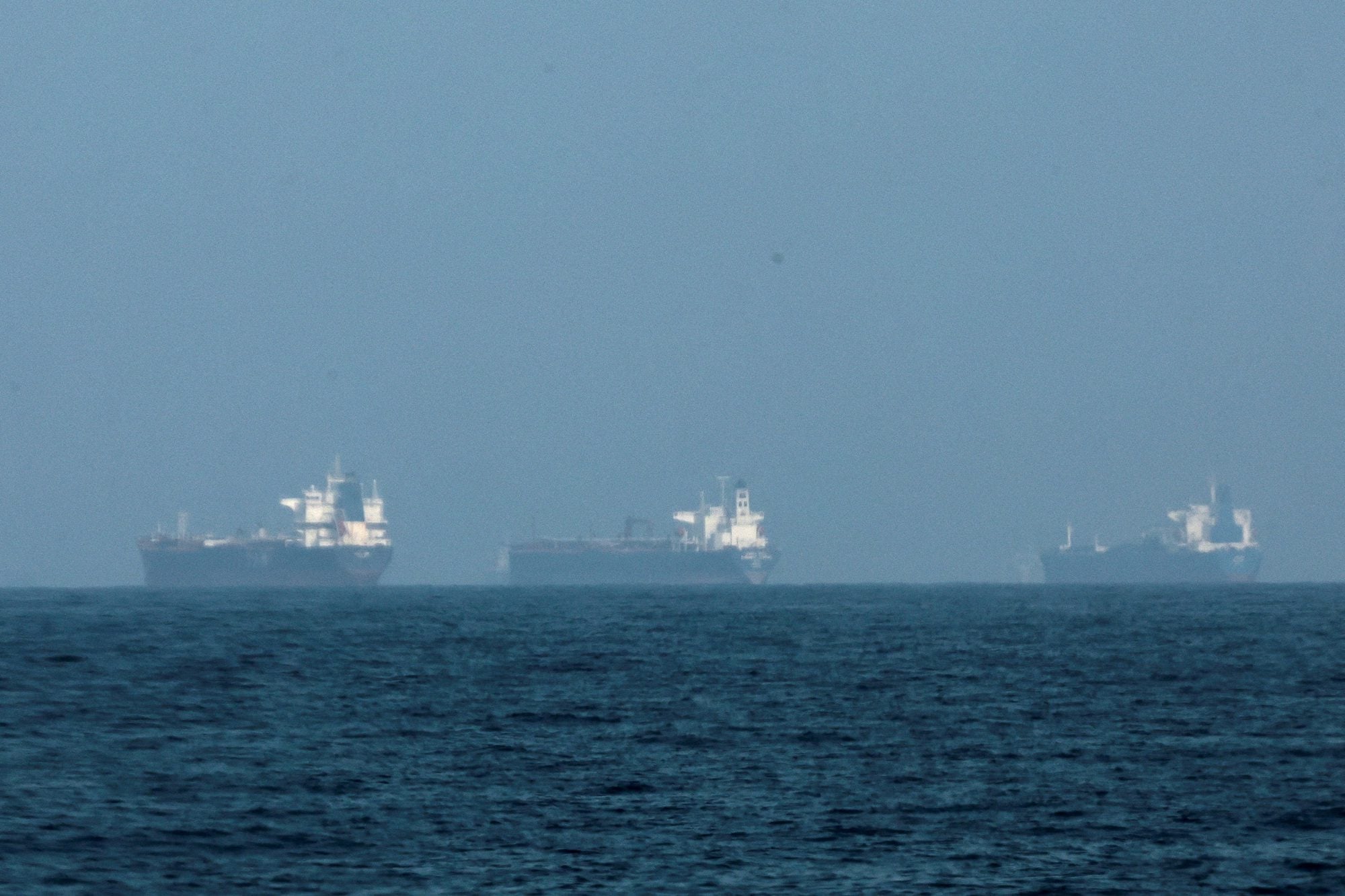
Vessel-tracking data compiled by industry analysts shows inbound traffic to the Persian Gulf has effectively stalled in recent days, with only a handful of Iran-linked ships and isolated bulk carriers observed moving through the area while most commercial vessels remain anchored or sheltering on either side of the chokepoint.
At the same time, electronic interference and AIS disruptions have made it increasingly difficult to assess real-time vessel movements. Maritime security officials say widespread GNSS and GPS interference across the region is affecting navigation systems and vessel tracking data, while some ships are deliberately disabling transponders while transiting high-risk waters.
The confusion surrounding Wright’s now-deleted post comes as the Trump administration rolls out a series of measures aimed at restoring confidence in shipping through the region.
Last week, Washington announced a $20 billion maritime reinsurance facility coordinated by the U.S. International Development Finance Corporation and the United States Department of the Treasury designed to provide war-risk coverage for vessels operating in Gulf waters after reinsurers abruptly withdrew capacity.
Officials said the program, which is being coordinated with United States Central Command, could insure losses of up to $20 billion on a rolling basis for vessels carrying oil, LNG, gasoline, jet fuel, and other cargo through the region.
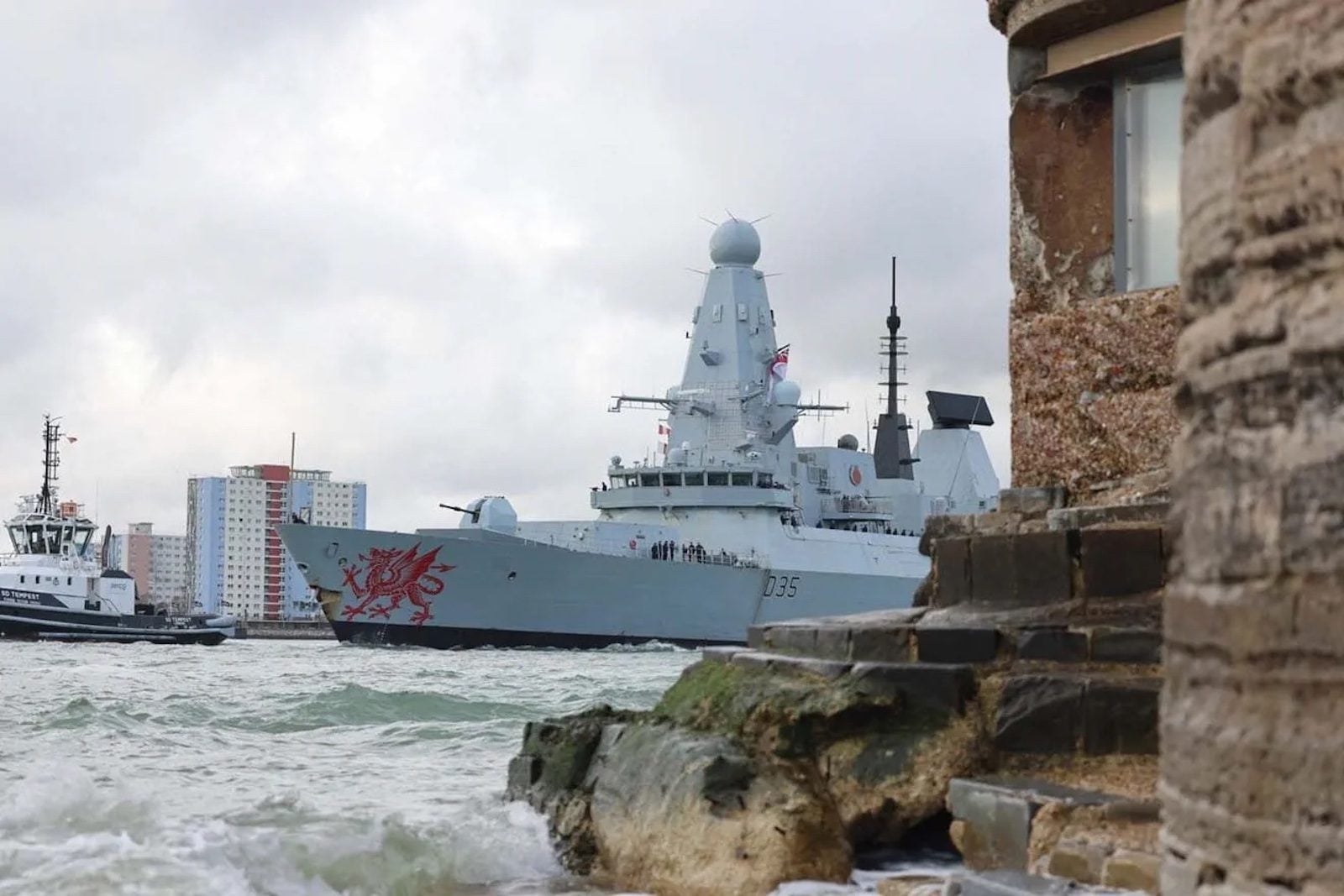
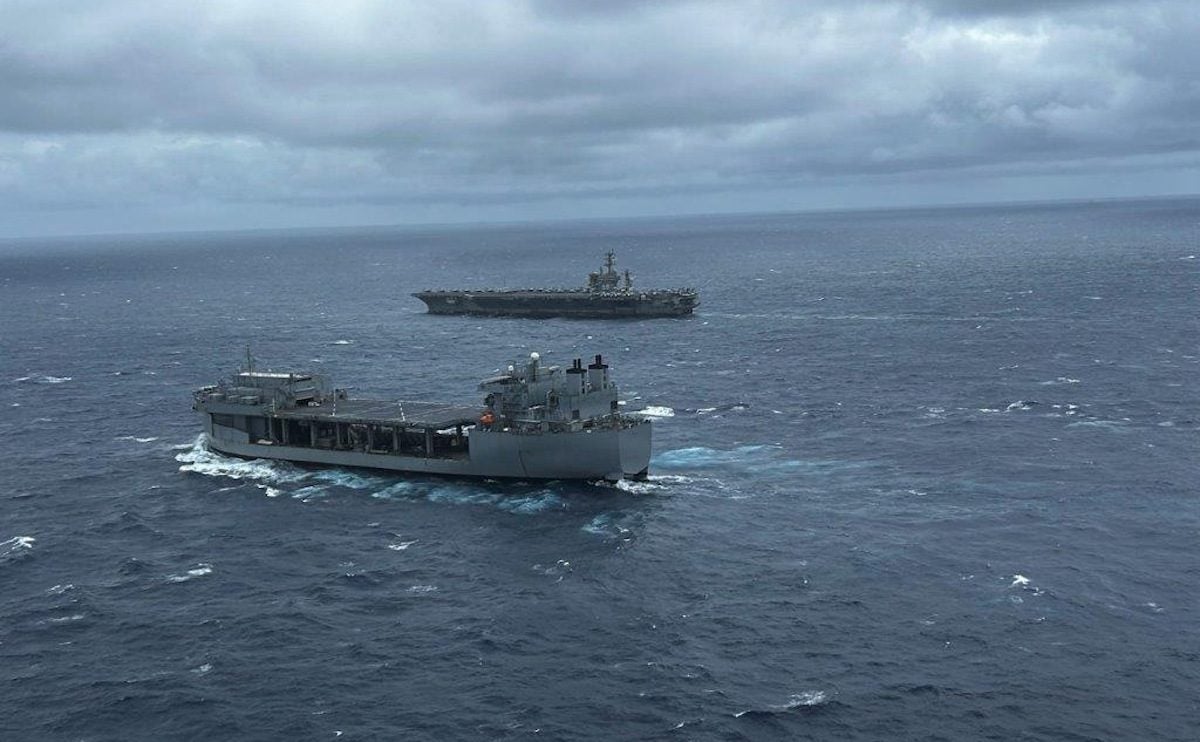
President Donald Trump has previously suggested that the U.S. Navy could begin escorting tankers through the strait “as soon as possible” if conditions require it, echoing convoy operations used during the late-1980s Tanker War.
For now, however, the status of any escort operations remains unclear. With insurers reassessing risk, electronic interference disrupting tracking systems, and missile and drone threats continuing in the region, commercial shipping through the Strait of Hormuz remains a fraction of normal levels.
Editorial Standards · Corrections · About gCaptain

 Join The Club