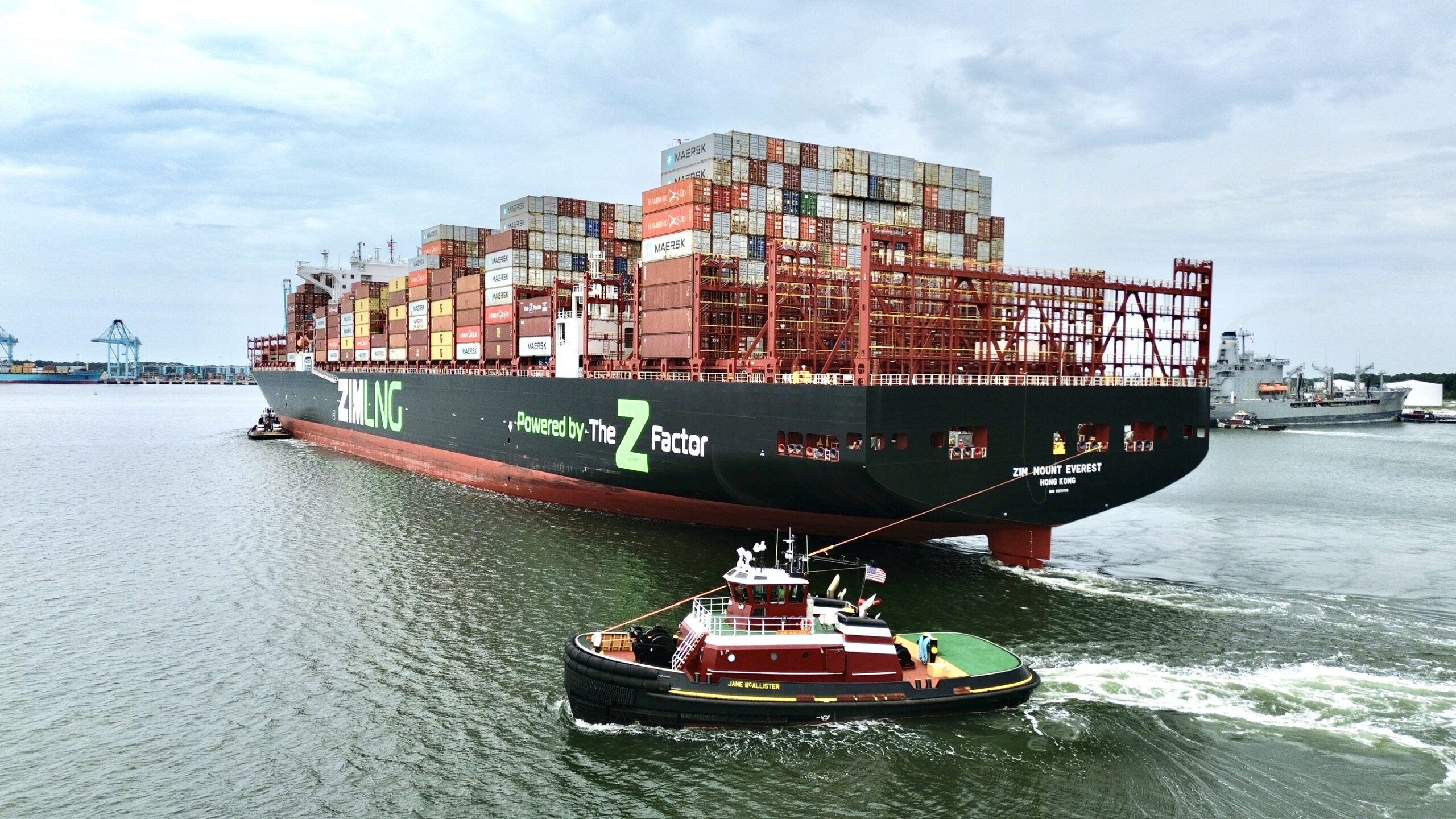
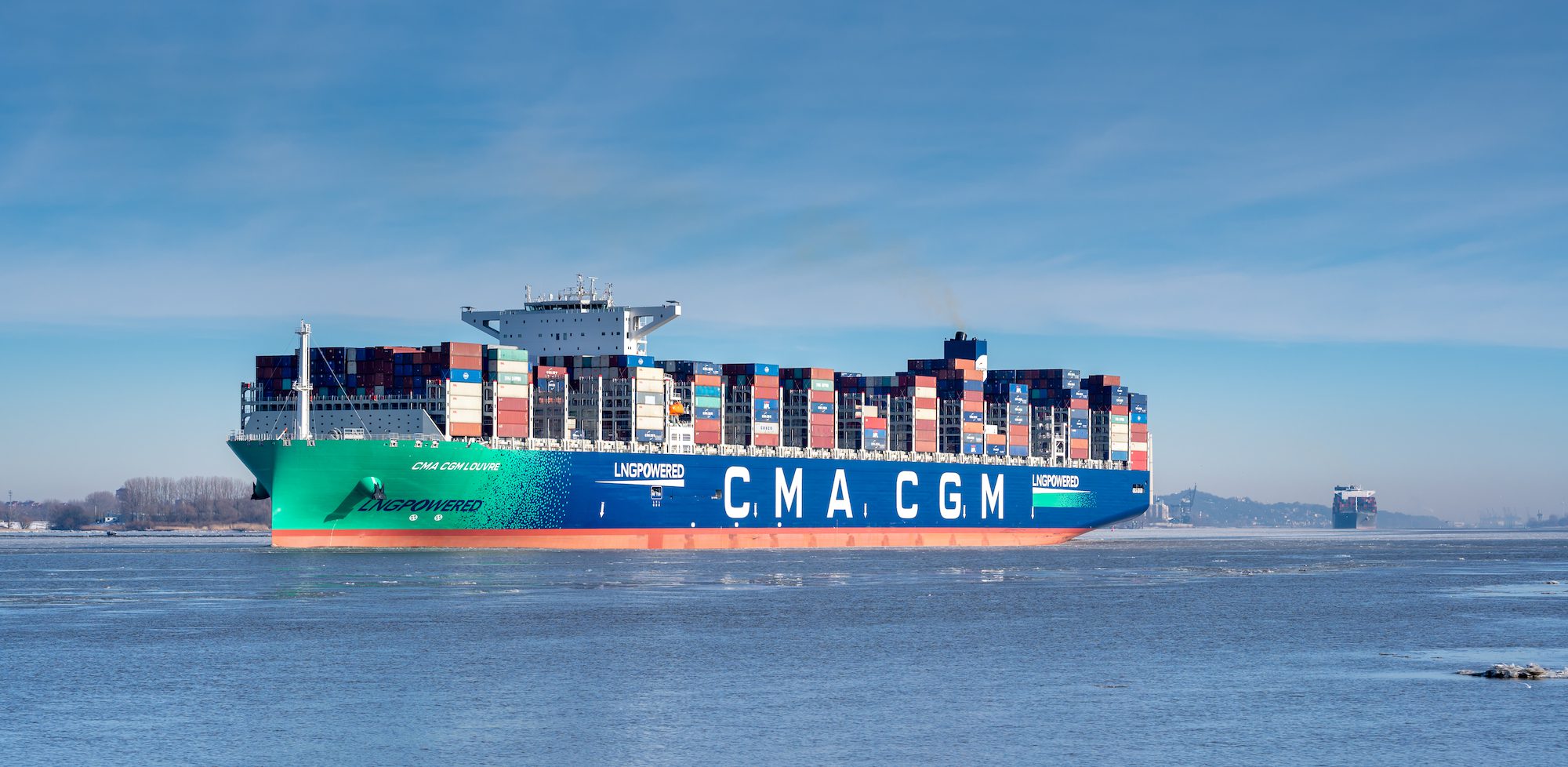
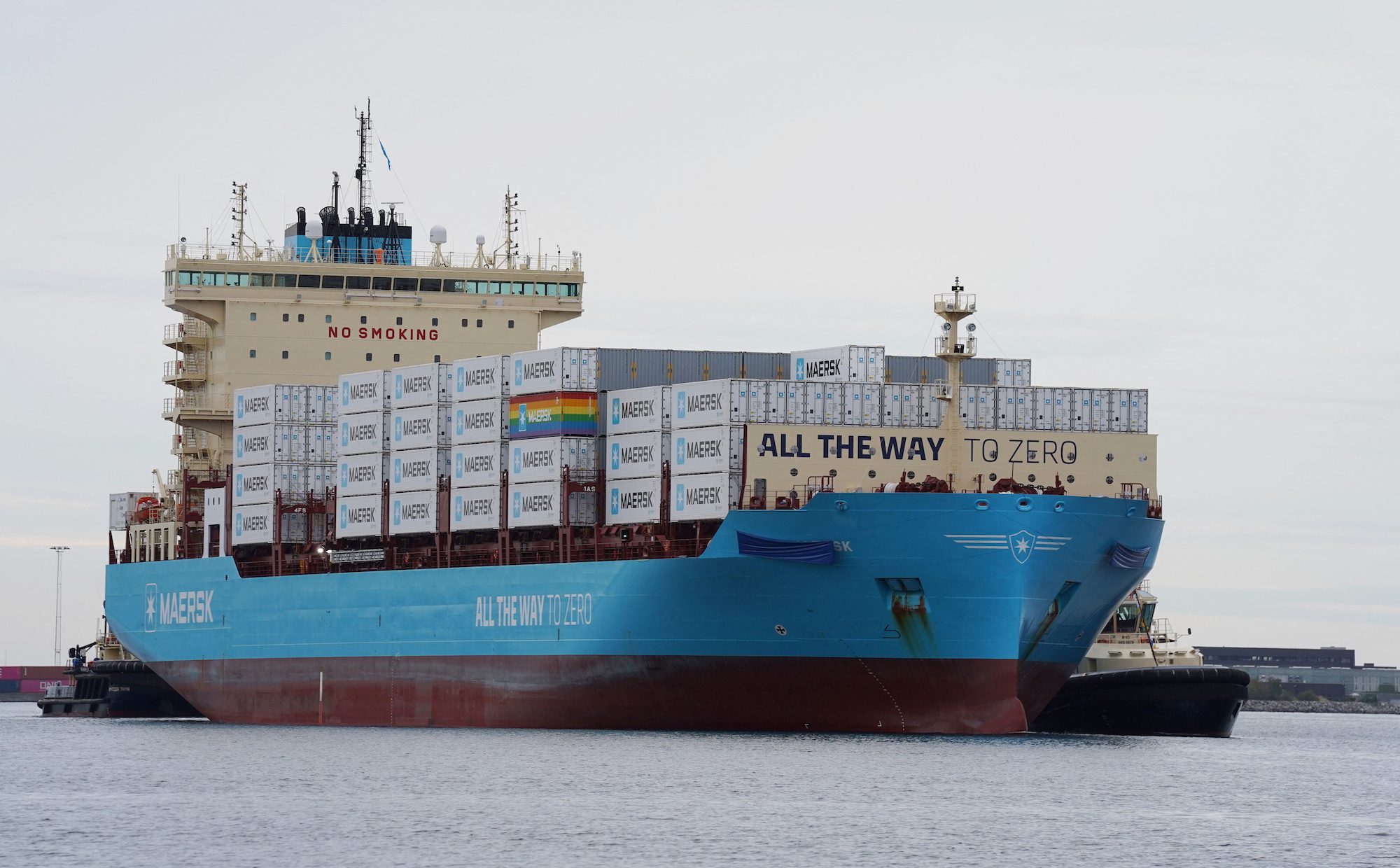
The global fleet of dual-fuel containerships and vehicle carriers has surpassed 500 vessels, with shipowners committing more than $200 billion to ships capable of running on alternative fuels, according to new figures from the World Shipping Council (WSC).
The latest WSC Dual-Fuel Fleet Dashboard shows 503 dual-fuel vessels in service as of September 2026, a 41% increase from 358 a year earlier. Another 849 ships are on order, bringing the combined total to 1,352 vessels.
The figures highlight the scale of investment underway as container lines and vehicle carriers prepare for a transition to lower-emission fuels, even as uncertainty over future environmental regulations continues to cloud the industry’s outlook.
“The container ship and vehicle carrier industry have committed more than $200 billion to ships that can run on cleaner fuels, with more than 500 already sailing and hundreds more on the way,” said WSC President and CEO Joe Kramek. “The investment is happening, but these ships need commercially competitive alternative fuels to deliver their full potential to reduce emissions.”
Dual-fuel vessels are designed to operate on conventional marine fuels as well as alternative fuels, giving operators flexibility as new fuel supplies and infrastructure develop. However, their ability to reduce emissions depends heavily on the availability and cost of cleaner fuels.
According to WSC, alternative-fuel-capable vessels now account for 65% of containerships and 97% of vehicle carriers on order, measured by deadweight tonnage. That compares with just 23% across the rest of the global shipping fleet.
Despite that shift, orders for conventionally fueled ships have also increased over the past year as the overall orderbook continues to expand.
The mixed picture comes amid continued uncertainty over the International Maritime Organization’s proposed Net-Zero Framework, which would introduce a global marine fuel standard and greenhouse gas pricing mechanism. Adoption of the framework was postponed in October 2025, with negotiations set to resume later this year.
WSC argues that a global regulatory framework is needed to close the cost gap between conventional fuels and renewable and near-zero-emission alternatives while giving shipowners and fuel producers the certainty needed to invest.
Without an international agreement, the industry also faces the prospect of an increasingly fragmented system of regional emissions rules, adding costs and complexity to global shipping.
“Ships ordered today will be operating for decades. Shipping companies and fuel producers need certainty to make the investments that will shape the future fleet and its fuel supply,” Kramek said.
The IMO is scheduled to hold its next Marine Environment Protection Committee meeting from November 30 to December 3, with a possible resumed session on the Net-Zero Framework on December 4.
“We trust IMO member states can come together to deliver that framework,” Kramek said. “Every delay means increased uncertainty, making the transition harder and costlier for the global economy.”

 Join The Club