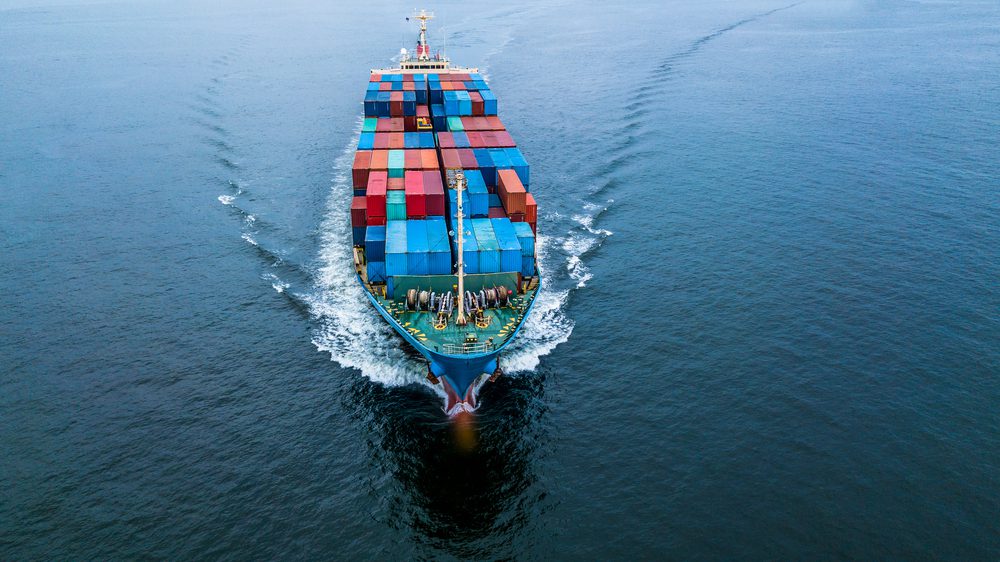
The LNG carrier Ineos Insight arrives in the U.K. with the first cargo of American shale gas in Sept. 2016. Photo: Ineos
(Drewry) – If Asian buyers continue to divert their contracted supply from the US towards Europe and Latin America, it will reduce demand for LNG vessels in the long term by cutting down on long-haul trade, according to the latest edition of the LNG Forecaster report published by global shipping consultancy Drewry.
Drewry has been maintaining a bullish long-term outlook for LNG shipping for quite some time and expects rates to improve substantially from 2018 onwards. One of the major reasons for this outlook is the expansion in US LNG supply.
Since most new LNG export capacity in the US will start to come online from 2018 onwards and almost 85-90% of this supply has been tied to contracts, the trade will create demand for a large number of vessels. However, the LNG market has changed considerably from the time when these contracts were signed and so Asian buyers are looking to offload their contractual supply. If we continue to see more Asian LNG buyers looking to divert their US cargoes either to Europe or Latin America, this could substantially reduce the demand for LNG ships, taking into account the shorter hauls from the US to Europe or to Latin America.
“Although the capacity diverted so far by Asian buyers is not significant enough to negatively impact LNG shipping, if this trend continues and more Asian buyers follow suit, it will reduce demand for LNG vessels”, said Shresth Sharma, Drewry’s lead LNG shipping analyst.
Drewry analysed three scenarios (see graph) based on the 53 mtpa of capacity currently being built in the US. Hence, if 60% of this capacity reached Asian markets while 30% and 10% respectively goes to Europe and Latin America, 85 vessels would be required to carry the tonnage from the US. However, if Asian buyers continue to divert their contracted supply and only 30% reaches Asia, while 40% and 30% goes to Europe and Latin America respectively, a demand for only 68 vessels would be created.
Source: Drewry Maritime Consultants
Updated: July 23, 2021 (Originally published November 3, 2016)
Editorial Standards · Corrections · About gCaptain

 Join The Club