Photo courtesy Danish Maritime Authority
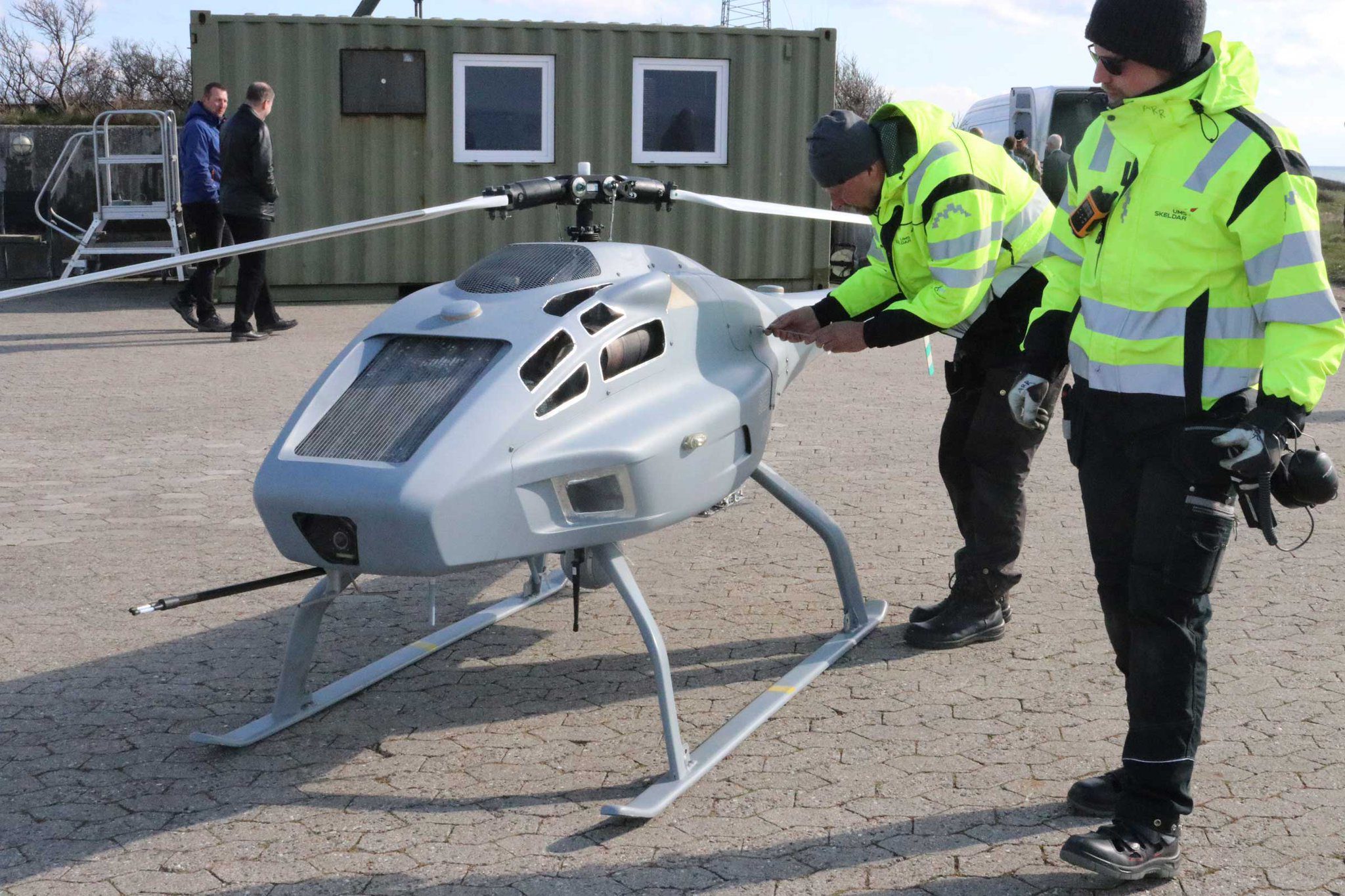
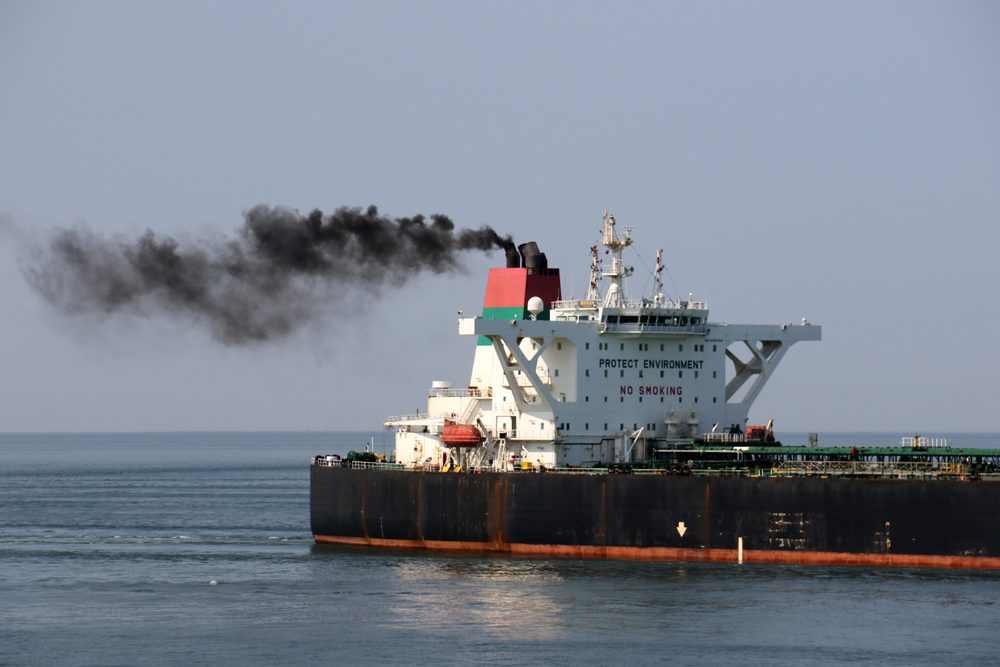
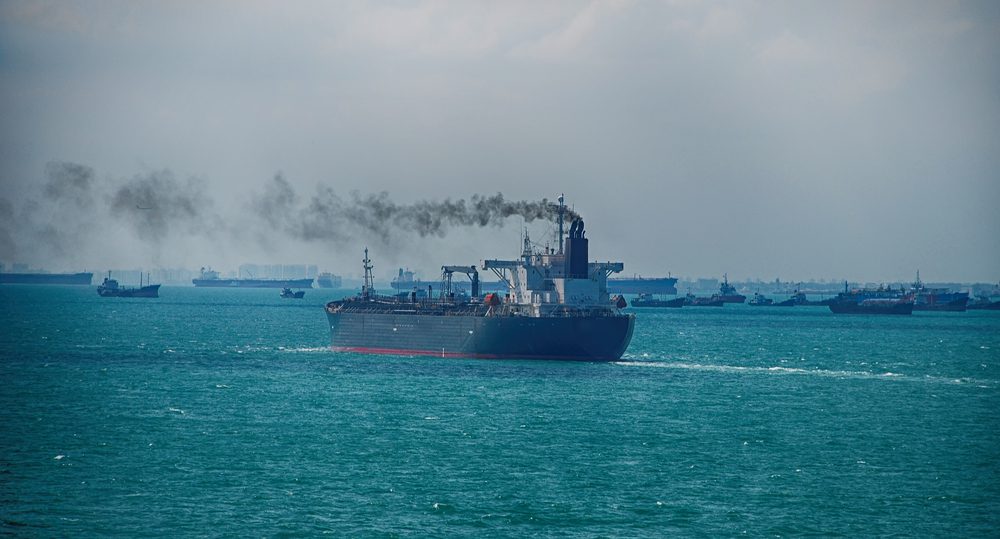
Authorities in Denmark have deployed a large sulphur-sniffing drone to literally sniff out ships breaking EU rules governing the sulphur content of marine fuel.
The drone is being used by the Danish Maritime Agency to monitor ship emissions around the area of the Great Belt, where a number of large tankers transit to and from the Baltic Sea. The first aerial sulphur emission inspection took place on a ship in the area on April 11.
Known officially as a Remotely Piloted Aircraft System, the drone is fitted with a so-called gas “sniffer” system that capable of measuring sulphur emissions by flying into the ship’s exhaust gas plume.
The payload also includes daylight and infrared cameras, as well as an AIS receiver.
The drone technology is provided by the European Maritime Safety Agency (EMSA) as a means of preventing ship pollution by ensuring compliance with the legal requirements for European Emission Control Areas (ECA), limiting the amount of sulphur in marine fuel to 0.10%.
“These kinds of RPAS operations are expected to contribute to a more efficient enforcement of the Sulphur Directive, thereby reducing air pollution from ships while ensuring a level playing field for the companies involved,” the
In Denmark, the Danish Environmental Protection Agency is responsible for enforcing the sulphur rules, while the the Danish Maritime Authority conducts ship inspections in Danish ports and now also with drone monitoring.
Editorial Standards · Corrections · About gCaptain

 Join The Club