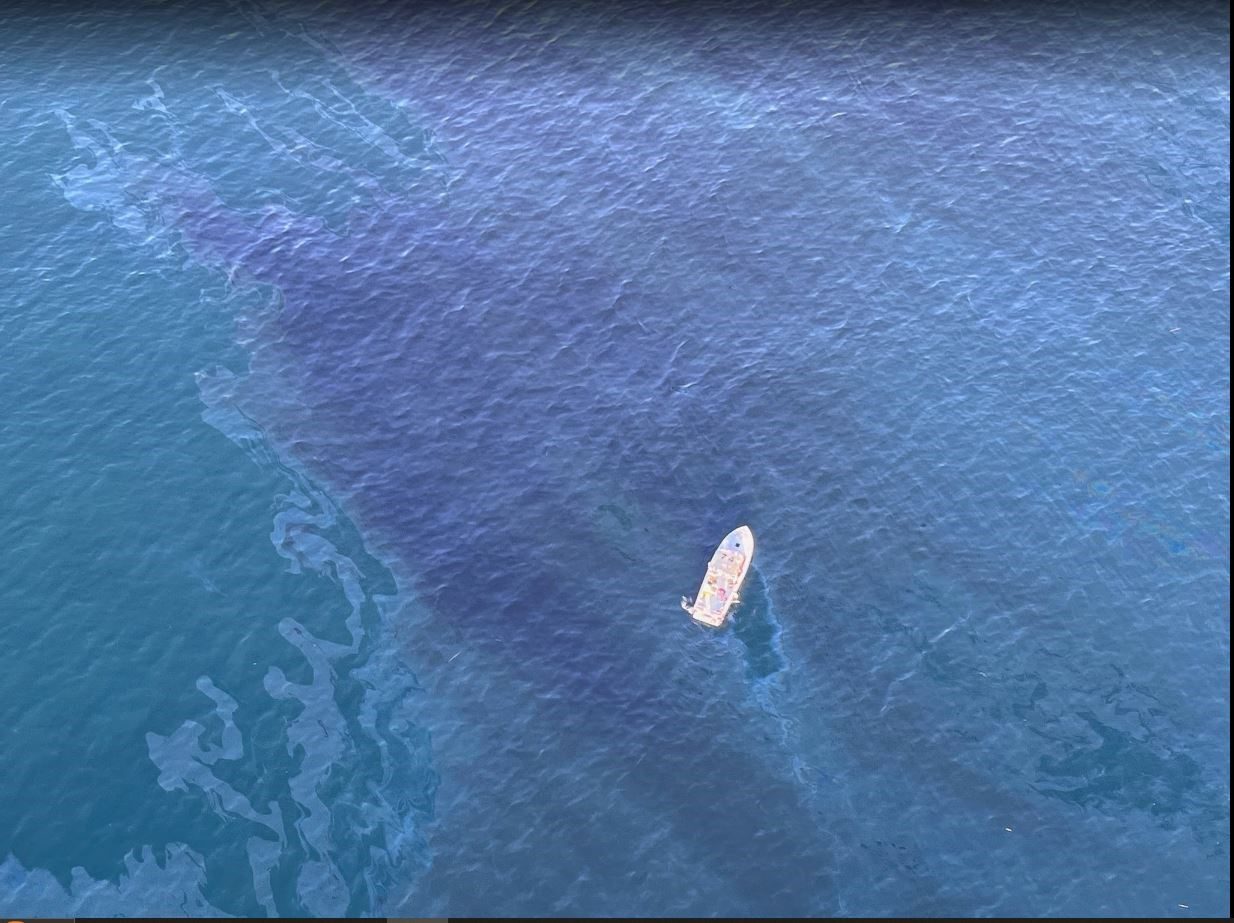
Cleanup operations are continuing in the Gulf of Mexico near Grand Isle, Louisiana, after a crude oil spill linked to the Louisiana Offshore Oil Port (LOOP) prompted a large-scale response led by federal and state authorities.
A Unified Command consisting of the U.S. Coast Guard, the Louisiana Oil Spill Coordinator’s Office (LOSCO), and LOOP has been coordinating the response since February 27 following the discovery of crude oil near the offshore facility the previous day.
According to the latest update released March 7, officials now estimate that approximately 31,500 gallons (about 750 barrels) of crude oil were discharged following an offshore mechanical failure at the LOOP facility on February 26. The source of the leak has since been secured, and response teams have already recovered an estimated 27,888 gallons (664 barrels) of oil from the water.
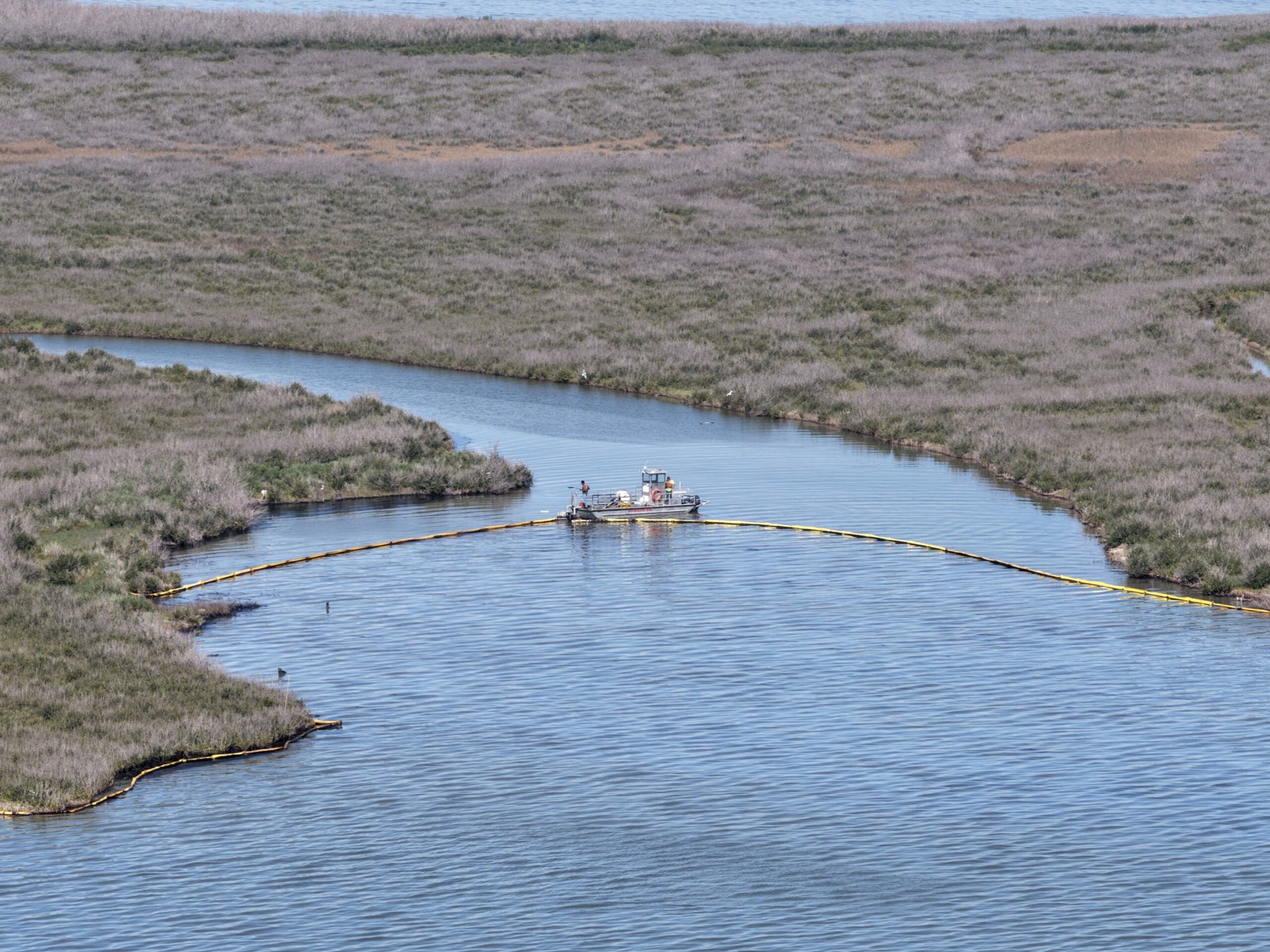
The cleanup effort has expanded significantly as responders work to contain and recover remaining oil while monitoring potential environmental impacts.
As of March 7, the response includes approximately 464 personnel, 60 vessels engaged in cleanup operations, and 28,300 feet of protective and recovery boom deployed in affected areas. Aerial surveillance is being conducted daily using fixed-wing aircraft, helicopters, and drones to track the movement of oil and guide recovery operations.
Officials say most recovered oil has been collected from open water, though limited amounts have also been recovered from nearby barrier islands along the Louisiana coast.
Environmental monitoring teams are also assessing potential impacts on wildlife. The Louisiana Department of Wildlife and Fisheries and the U.S. Fish and Wildlife Service are monitoring affected birds and shoreline areas as part of ongoing environmental assessments.
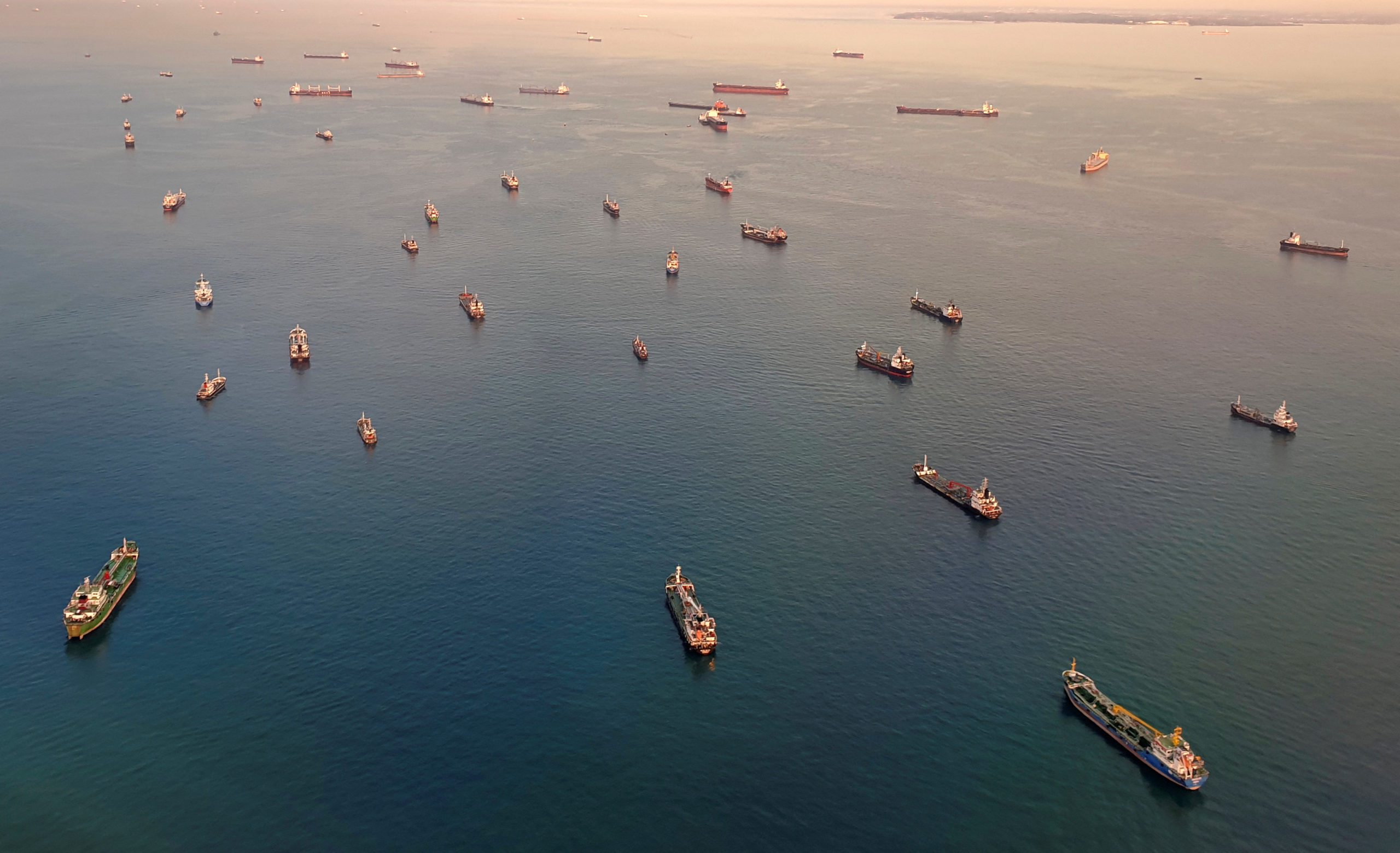
Authorities are advising mariners to avoid the affected areas and monitor VHF-FM Channel 16 for broadcast updates while response operations continue.
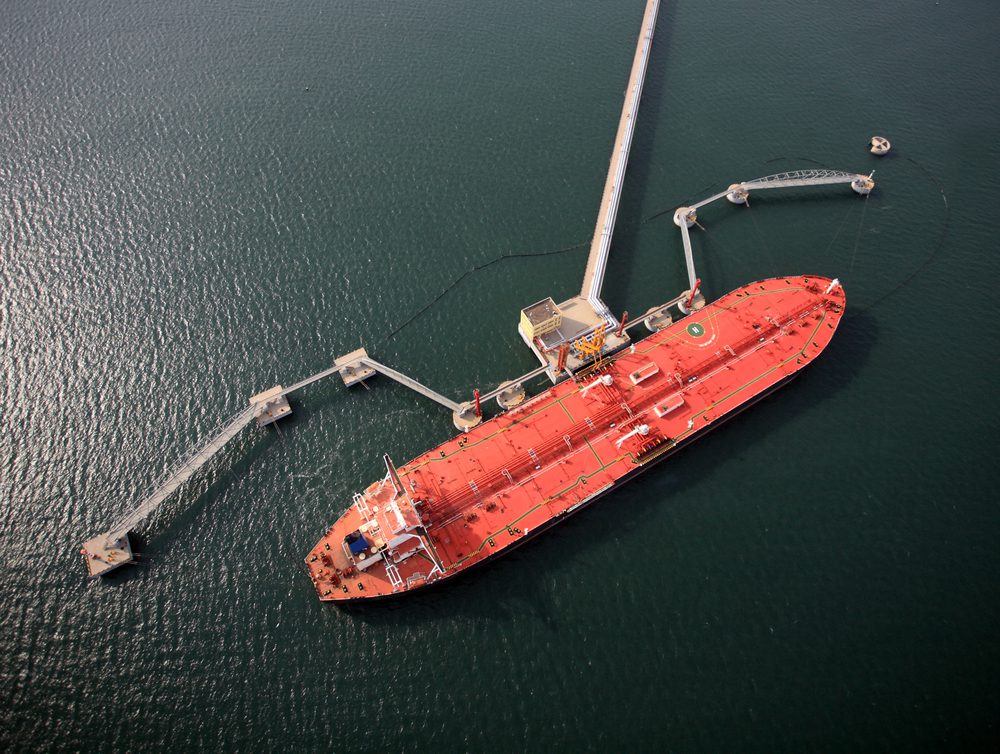
LOOP, located about 18 miles offshore of Louisiana, operates the only deepwater U.S. port capable of handling fully loaded Very Large Crude Carriers (VLCCs) and serves as a critical hub for the nation’s crude oil import and storage infrastructure.
The incident also comes as the United States continues expanding its offshore oil export infrastructure. In 2025, the U.S. Maritime Administration (MARAD) approved the Texas GulfLink Deepwater Oil Port, a major new deepwater export terminal planned roughly 26.6 nautical miles off Brazoria County, Texas. The facility—owned by Sentinel Midstream—will include offshore loading infrastructure capable of handling Very Large Crude Carriers (VLCCs)through single-point mooring buoys, enabling U.S. producers to load supertankers directly in the Gulf of Mexico. The Department of Transportation approved the license for Texas GulfLink, LLC to build and operate the deepwater crude oil export terminal in February, marking the first such approval under the Trump administration.
Officials say cleanup and monitoring efforts will continue as responders work to fully recover the discharged oil and evaluate any remaining environmental impacts.
Editorial Standards · Corrections · About gCaptain

 Join The Club