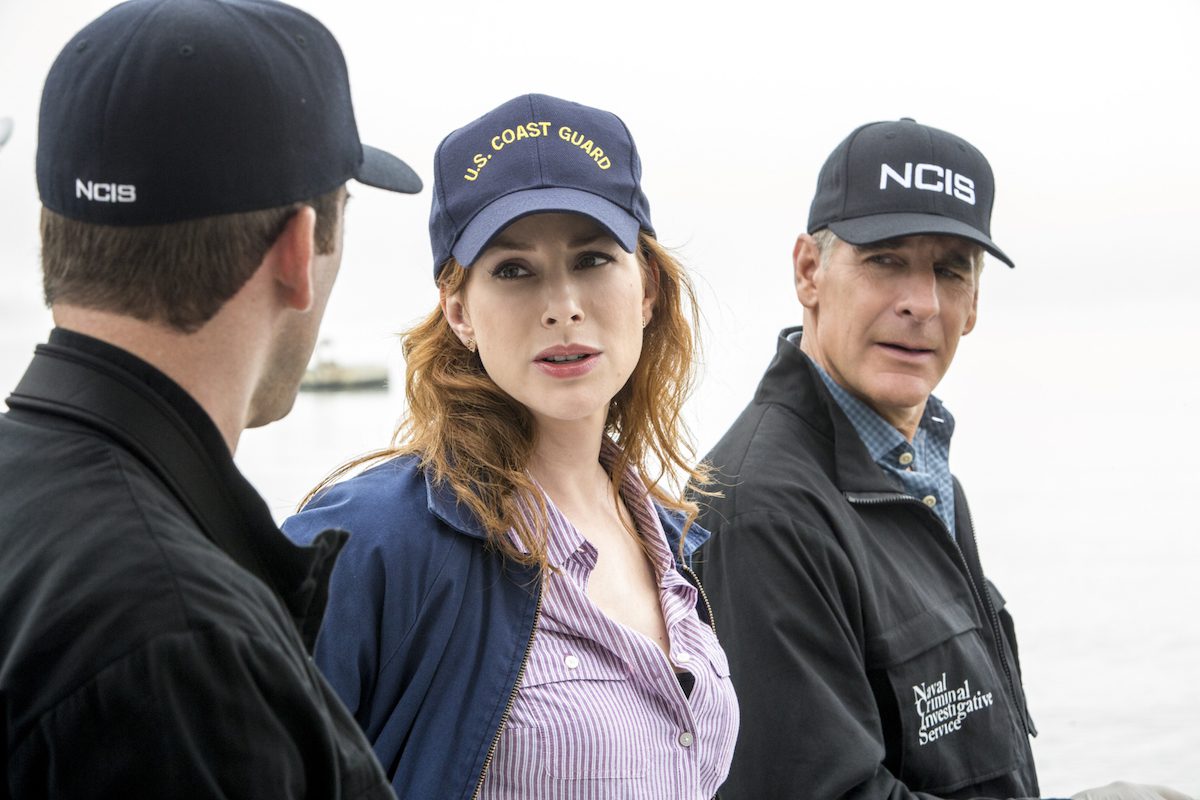
Actress Diane Neal Investigates a Hoax Mayday call in her role as USCG Investigative Service Agent Abigail Borin, in the hit television show NCIS
by PA2 Diana Honings (USCG) Temporary Denial of Service 911 hoax calls plague our nation’s first responder agencies. Hospitals, police and fire departments, and other public service entities are continually vulnerable to bomb threats, active shooter situations, and general false emergency claims.
Similarly, there is a growing hoax call problem on the Channel 16 maritime distress frequency. Regrettably, these perpetrators often go unpunished due to a lack of offshore geo-location capability for Coast Guard and local law enforcement investigators.
As part of a project to better identify, geo-locate and prosecute SAR hoax callers, representatives from the USCG R&D Center and the Coast Guard Investigative Service (CGIS) have partnered with forensic scientists at Carnegie Mellon University. This CMU team specializes in voice forensics and audio analytics, which serves as a critical part of the R&D Center’s plan to tackle the SAR hoax call phenomenon.
The overall project employs enhanced direction-finding equipment, social media monitoring and awareness efforts to find potential hoax callers, but the real crux of the prosecutorial value lies in CMU’s audio forensics capabilities. CMU technology provides voice forensics analysis that can glean several key biometric and environmental “cues” enabling Coast Guard technology agents to identify criminals.
To further deter serial and future SAR hoax callers, the Coast Guard R&D Center has partnered with media representatives from Rutgers University’s Command, Control, and Interoperability Center for Advanced Data Analysis (CCICADA) to publicize the Coast Guard’s approach to identify, geo-locate and prosecute these criminals.
This article was originally posted to USCG Compass by PA2 Diana Honings
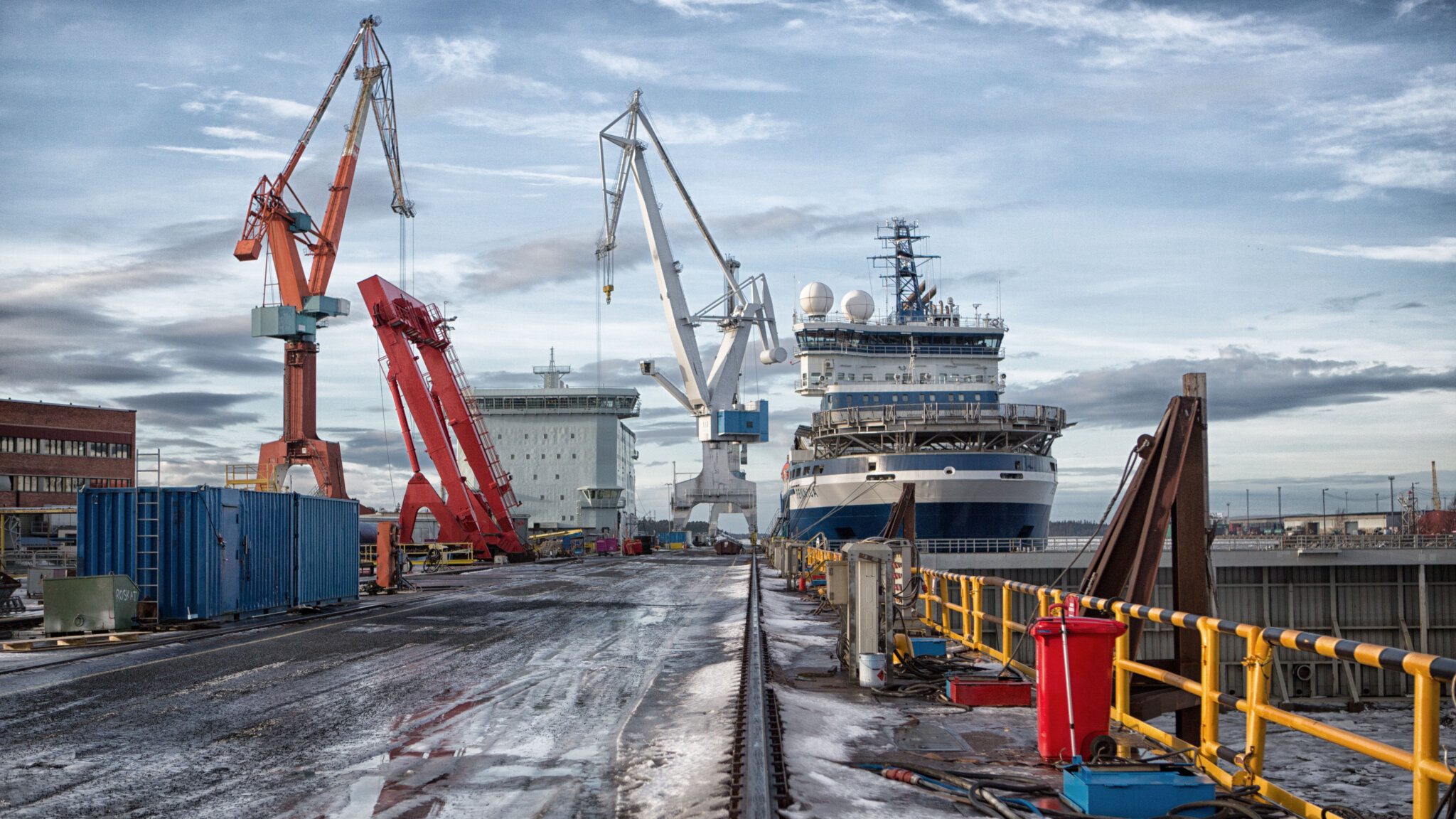
Rauma Marine Constructions in Finland has made rapid progress on the first of two Arctic Security Cutters it is building for the U.S. Coast Guard, with almost half of the vessel's blocks already launched and construction of the second ship approaching, according to the Finnish shipbuilder's chief executive.
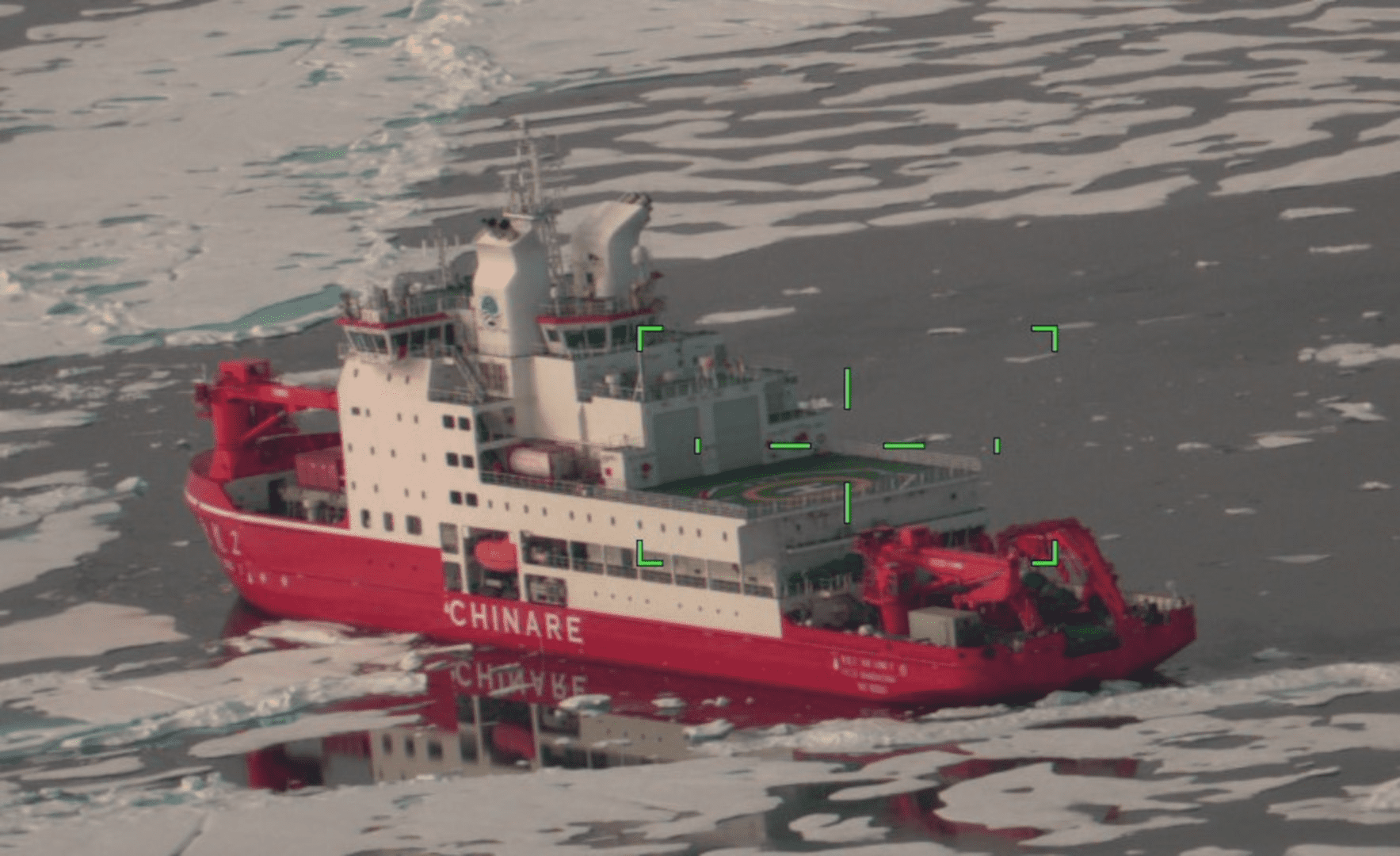
The United States is watching China's presence in its Arctic zone "very closely" amid concerns regarding the security of the US homeland, a senior US Arctic military official said.
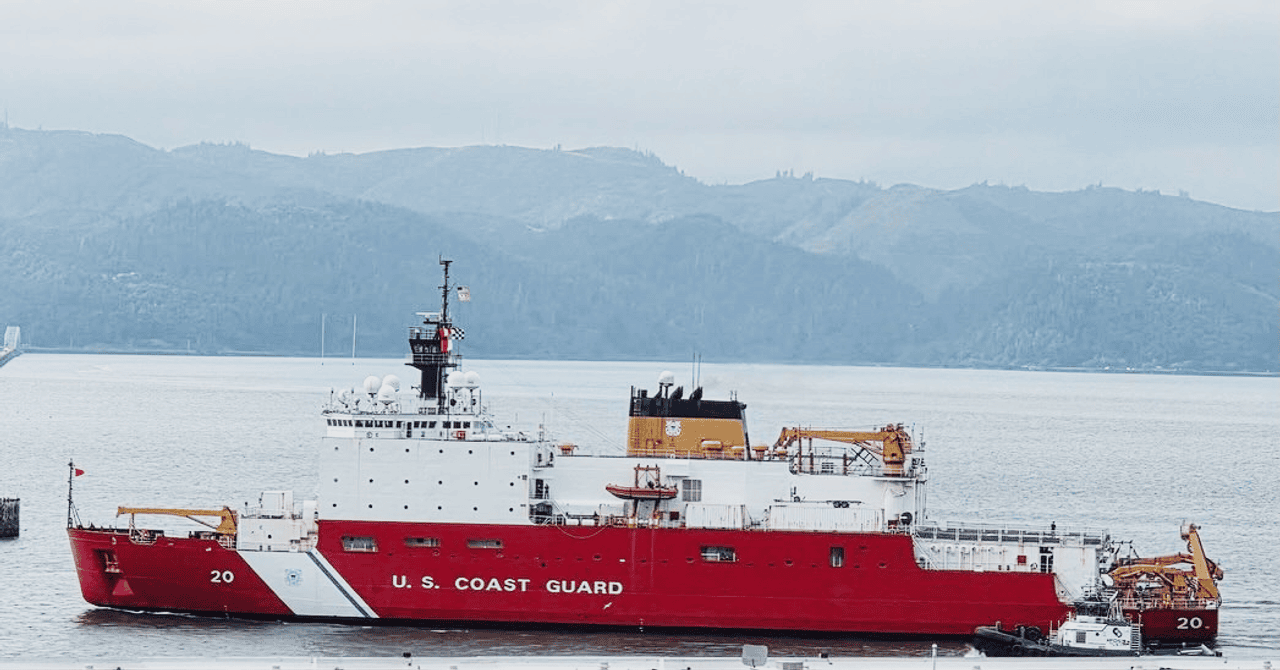
The U.S. Coast Guard’s icebreaker Healy will not carry out its planned high-latitude Arctic mission this summer following a serious engineering casualty in July, a spokesperson said. The statement provides the clearest indication yet of the impact of the incident on the Coast Guard’s key icebreaker.
September 16, 2026
Total Views: 6196
Get The Industry’s Go-To News
Subscribe to gCaptain Daily and stay informed with the latest global maritime and offshore news
— just like 107,178 professionals
Secure Your Spot
on the gCaptain Crew
Stay informed with the latest maritime and offshore news, delivered daily straight to your inbox
— trusted by our 107,178 members
Your Gateway to the Maritime World!
Essential news coupled with the finest maritime content sourced from across the globe.

 Join The Club