By Rachel Yeo
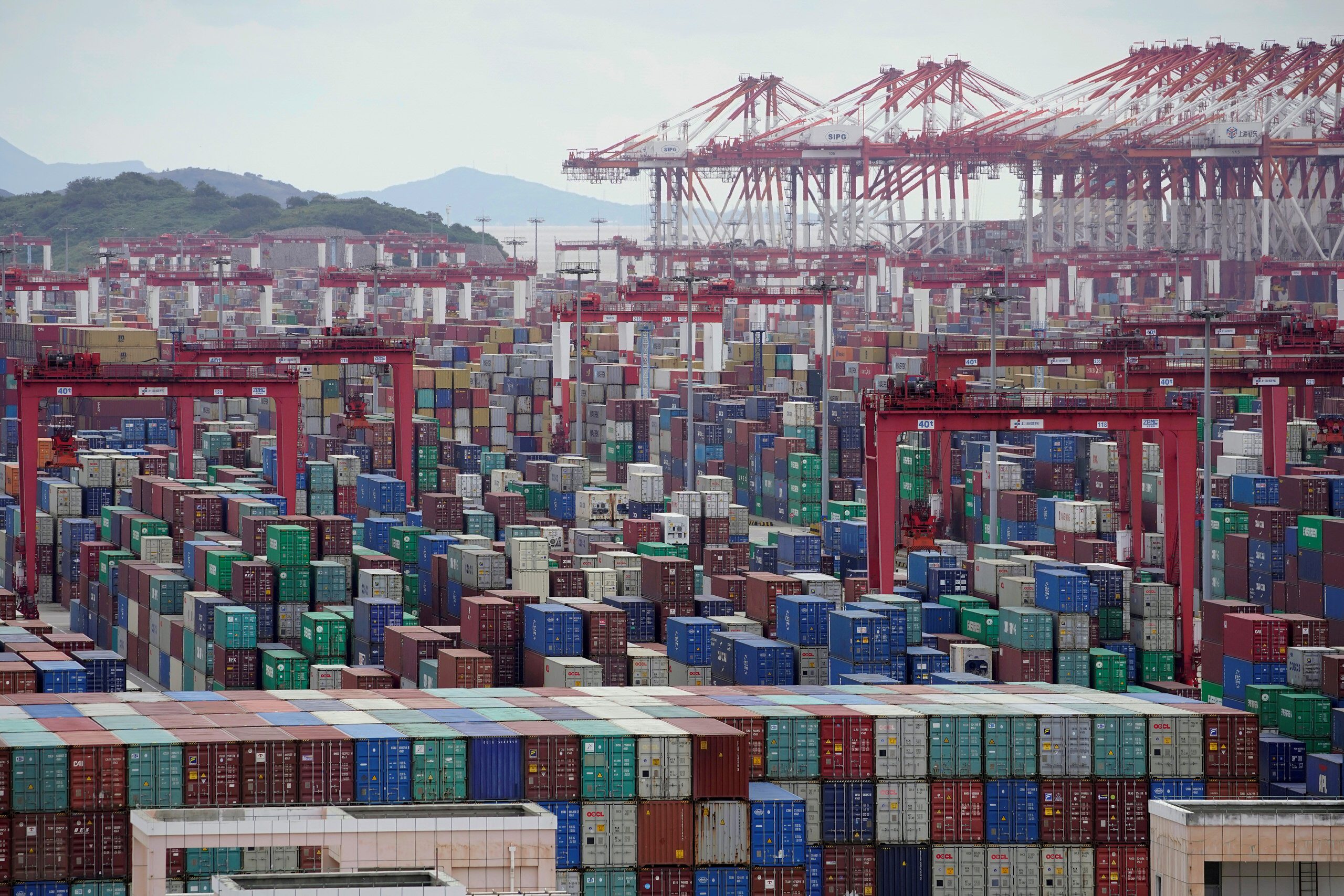
Aug 27, 2026 (Bloomberg) –Chinese container liners are set for an earnings windfall, echoing regional and global peers, as a rush to get ahead of shifting tariffs and persistent shipping disruptions has driven freight rates to a two-year high.
Global container rates more than doubled during the second quarter to peak at $4,639 per 40-foot container in the week ended July 9, according to the Drewry World Container Index. That’s the highest since 2024 when containerships had to contend with Houthi militant attacks in the Red Sea.
“Geopolitical tensions and an earlier-than-expected peak cargo season that resulted from pulled-forward demand to bypass US tariff changes in late July” also boosted performance, said Bloomberg Intelligence analyst Kenneth Loh.
Initial fears on higher US tariffs spurred a rush to export goods ahead of the July 24 expiration of 10% global tariffs under section 122, even though the replacing Section 301 measures only raised tariffs slightly and removed policy uncertainty.
Earnings from China’s main listed operators — Cosco Shipping Holdings Co. and Orient Overseas International Ltd. — are likely to follow the lead of Taiwanese liners Evergreen Marine Corp. and Yang Ming Marine Transport Corp., according to Loh. Both clocked the strongest earnings growth in more than a year.
“That’s largely driven by elevated container-shipping spot rates due to persistent shipping disruptions both at the Strait of Hormuz as well as extended diversions from the Red Sea since late 2023,” said Loh.
South Korea’s HMM Co.’s container segment bucked four straight quarters of declining revenue, while Nippon Yusen KK, Japan’s largest shipping firm, posted the fastest operating income growth since 2022.
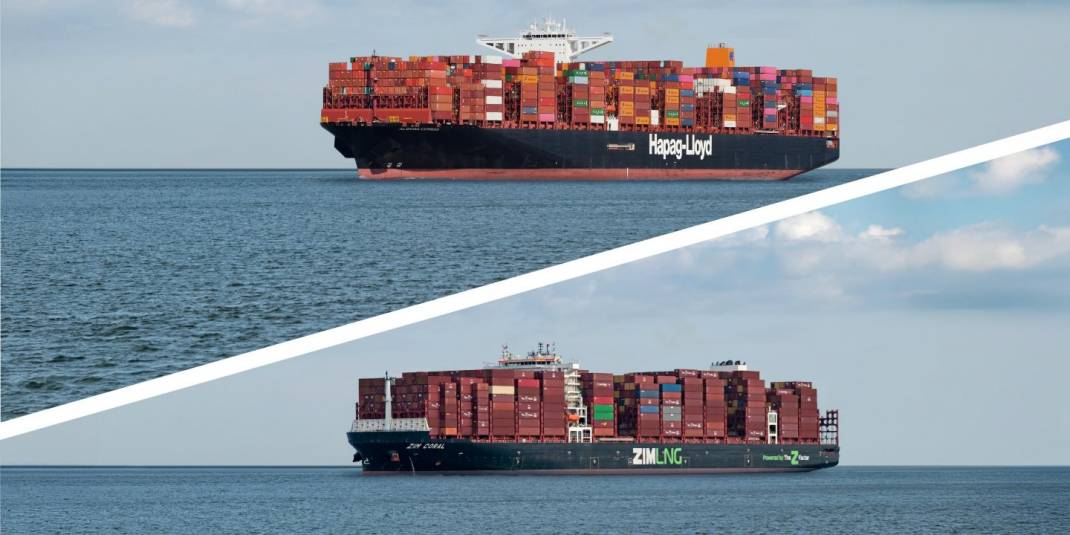
European carriers A.P. Moller-Maersk A/S and Hapag-Lloyd AG both boosted guidance this quarter.
Transpacific rates from Shanghai to both Los Angeles and New York have climbed to their highest levels since the start of the year and are expected to remain resilient.
“We might be seeing a stronger, more sustained demand on transpacific lanes because there hasn’t really been a change to tariffs,” said Judah Levine, head of research at Freightos.
Continued inventory restocking in Western economies should continue to drive demand in the second half, allowing the industry to hold rates at above profitable levels, Citi analysts led by Kaseedit Choonnawat wrote in a note. That’s even with more global ship capacity becoming available through 2028.
Red Sea Resumptions
Unexpected external shocks continue to keep rates elevated. The Strait of Hormuz closure has driven up fuel costs, making Red Sea diversions around Africa significantly more expensive, while typhoons in Asia and low water levels in Northern Europe are compounding congestion and tying up vessel capacity.
By returning to the Red Sea despite security risks, carriers can reduce fuel expenses and free up capacity stuck in congested ports, according to Levine. Some liners, including Cosco, are already resuming sailings through the Red Sea as a way to operate more efficiently and maintain profitability amid these compounding constraints.
“What we’re seeing is that the calculus has changed a little bit,” Levine said. “Carriers are interested in going back to the Red Sea because it’s going to keep vessels in rotation as opposed to being stuck at one point or another and not being able to service bookings that they’re able to.”
Any easing of disruption and congestion in Europe and the Middle East would bring downside risks for Cosco, HSBC analysts led by Bruce Chu and Parash Jain wrote in a note.
Read: US Eyes China Overcapacity Tariffs of 7.5% Before Xi Visits
The expiration of the one-year US-China trade truce could introduce further headwinds if it’s not extended beyond October, said Loh. “With that, pressure will probably build on Chinese liners’ bottom lines as uncertainty surrounding the direction of bilateral tariffs and suspended US port levies continues to mount.”
© 2026 Bloomberg L.P.

 Join The Club