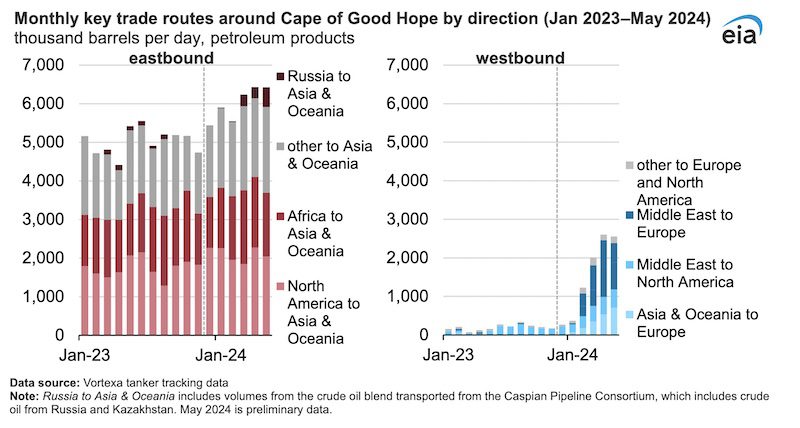
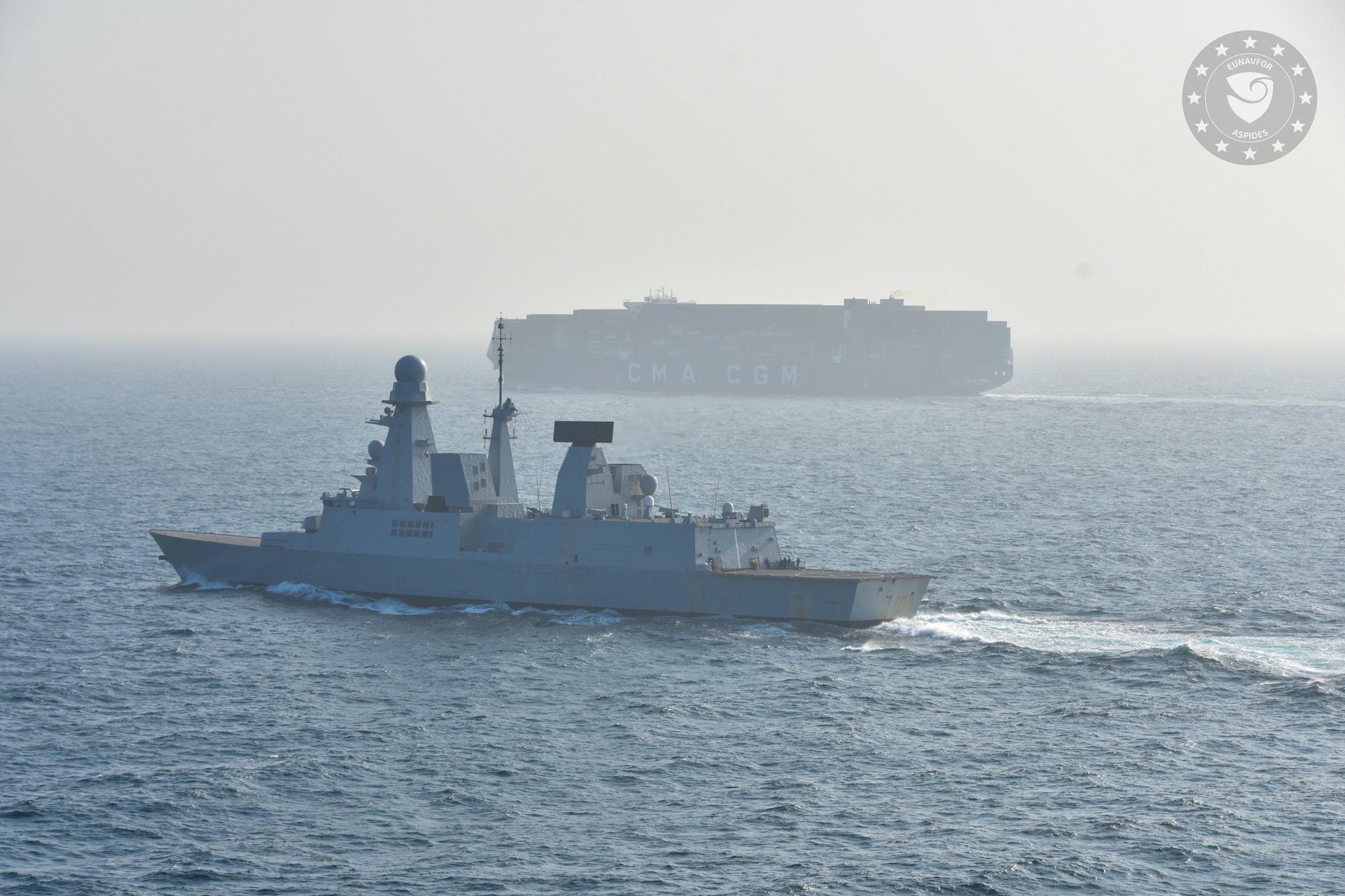
Crude oil and oil product flows around the Cape of Good Hope increased by nearly 50% in the first five months of 2024 compared to last year’s average as commercial vessels avoid Middle East chokepoints, according to the U.S. Energy Information Administration.
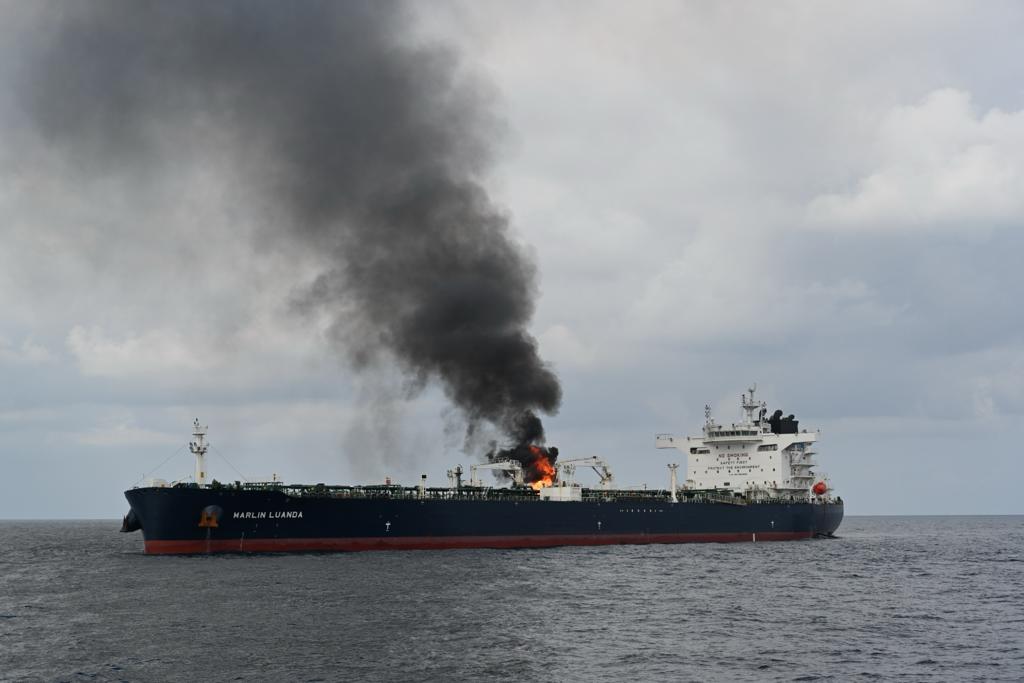
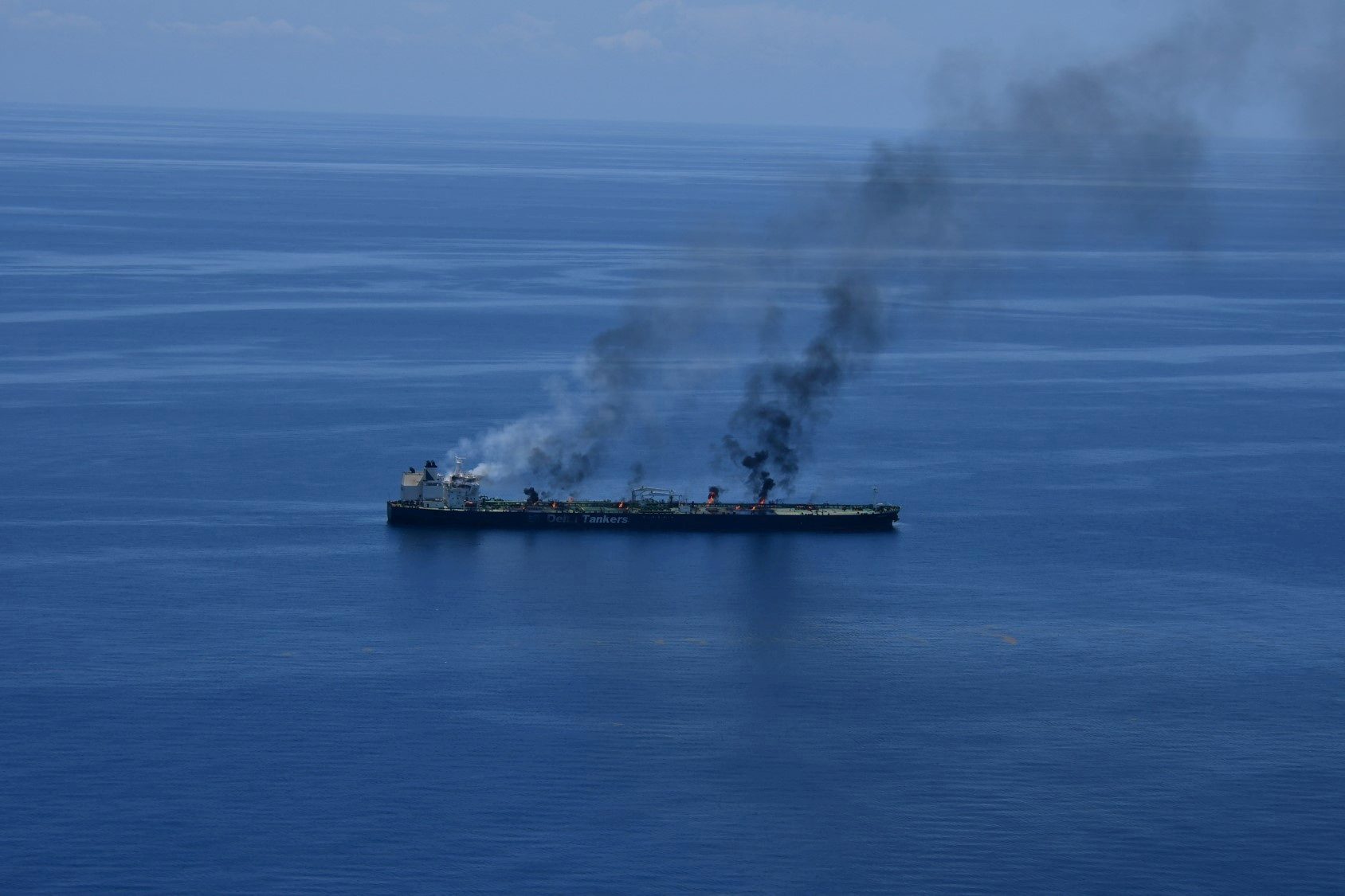
The shift in maritime trade is the result of numerous and ongoing drone and missile attacks by the Yemen-based Houthis in late 2023, which have led many commercial ship operators to avoid the Bab el-Mandeb Strait and the Red Sea off Yemen. As a result of the reroutings, the volume of crude oil and oil products circumnavigating the Cape has risen from an average of 5.9 million barrels per day (b/d) in 2023 to 8.7 million b/d—a staggering 47% jump in a matter of months.
EIA data shows that Saudi Arabia and Iraq, key Middle Eastern crude oil producers, rerouted more crude oil westbound to Europe around the Cape rather than through the Suez Canal, accounting for 15% of the total volume increase. Meanwhile, Asian and Middle Eastern refiners boosted their oil product exports to Europe, contributing to 29% of the increased trade around the Cape.
The United States also adjusted its oil trade dynamics, receiving more Middle-Eastern and Asian crude oil and oil products and shipping more oil products to Asia via the Cape. The result has been a one-third increase, or just over 600,000 b/d, in total U.S. trade around the Cape from the 2023 average.
Meanwhile, Russia, while less affected by the Red Sea disruption, quadrupled its shipments of crude oil and oil products to Asia via the Cape, compared to 2023.
The decision to reroute vessels around the Cape of Good Hope comes at a price. Shipping times have nearly doubled, with journeys from the Arabian Sea to Europe via the Cape taking about 15 days longer than via the Bab-el Mandeb and the Suez Canal, resulting in increased costs and delayed shipments.
Two fully laden Chinese oil tankers are waiting near the Strait of Hormuz with a third on its way, putting them in a position to become the first such vessels to leave the Persian Gulf under a day-old US-Iran ceasefire, even as shipowners scrutinize the details of the truce.
Yemeni group warns its “fingers are on the trigger” as Hormuz disruption collides with rising Bab el-Mandeb risk. Yemen’s Iran-aligned Houthi movement has issued its clearest warning yet that it...
The United States is warning commercial shipping that the threat from Yemen’s Houthi militants remains active across the Red Sea and Gulf of Aden—despite a recent lull in attacks—and is...
March 26, 2026
Total Views: 1309
Get The Industry’s Go-To News
Subscribe to gCaptain Daily and stay informed with the latest global maritime and offshore news
— just like 107,147 professionals
Secure Your Spot
on the gCaptain Crew
Stay informed with the latest maritime and offshore news, delivered daily straight to your inbox
— trusted by our 107,147 members
Your Gateway to the Maritime World!
Essential news coupled with the finest maritime content sourced from across the globe.

 Join The Club