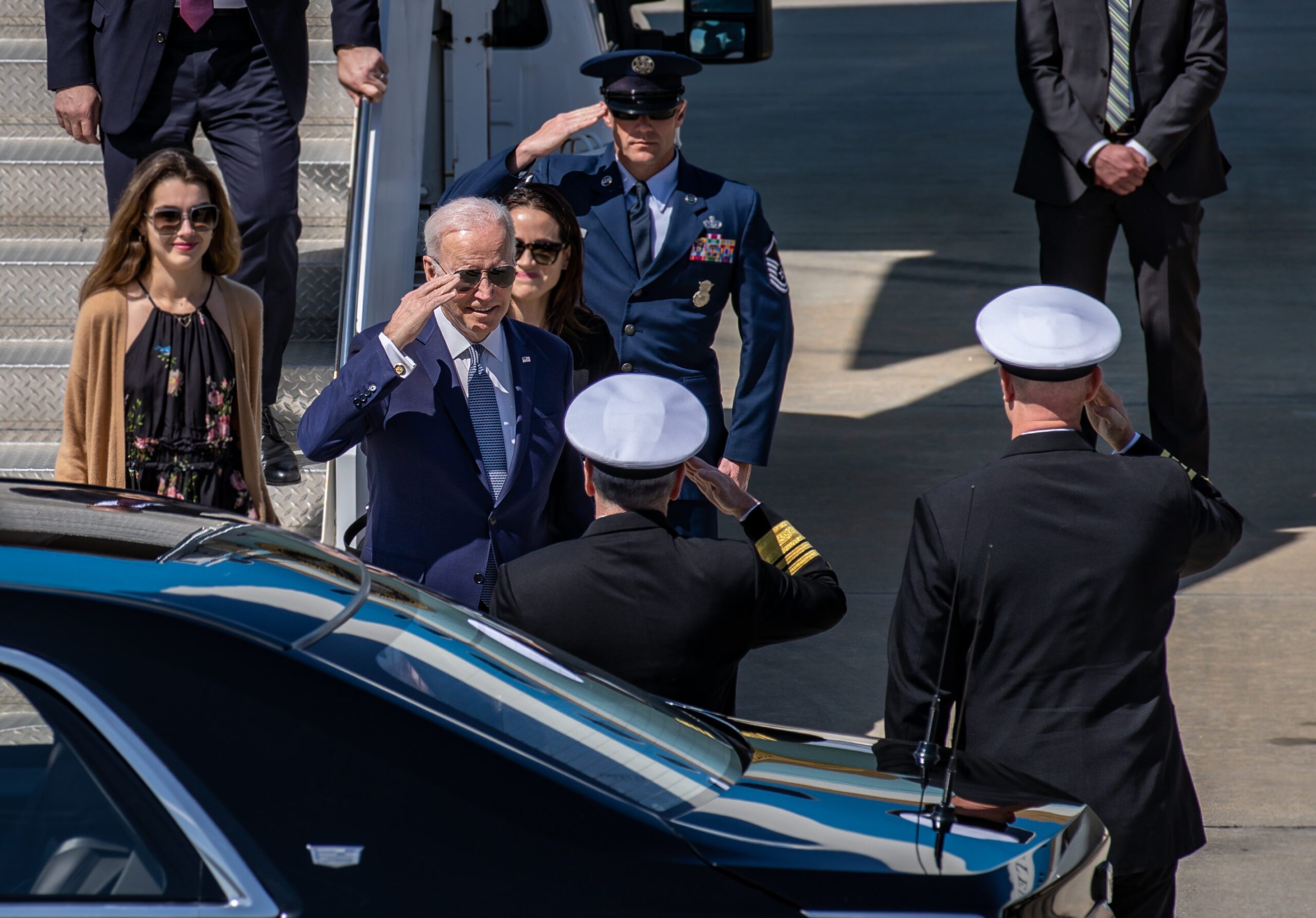
By Peter Martin (Bloomberg) President Joe Biden faces the biggest test yet of his ability to avert a wider war in the Middle East following US-led air strikes against Houthi rebels in Yemen aimed at halting their campaign of attacks on shipping traffic in the Red Sea.
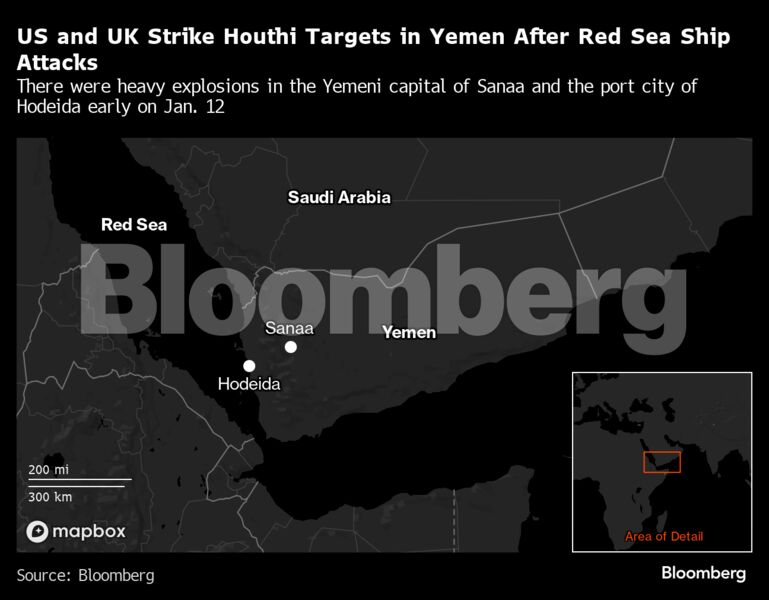
In the early hours of Friday morning Yemen time, the US and the UK launched airstrikes on more than 60 Houthi targets, escalating a conflict with an Iranian-backed militia responsible for attacks that have disrupted commercial shipping for nearly two months. The strikes were by far the most wide-ranging military action undertaken by the US since Hamas’s Oct. 7 attack on Israel ignited its operation to clear militants in Gaza.
Military analysts had been divided on the Biden administration’s likely response to the Houthis’ continued defiance of warnings to stop their attacks on commercial shipping, with some expecting the US to make a symbolic stand. Instead, far wider-ranging strikes were undertaken despite concerns that hitting the Houthis too hard could ignite a broader regional war that Biden has said he wants to avoid.
“By doing nothing but playing defense, we were part of the escalation problem,” said John W. Miller, a retired US Navy vice admiral who served as commander of US Naval Forces Central Command. Without a response, “the Houthis were going to continue to behave this way and impact global shipping, pricing and logistics, because there’s almost no cost to them.”
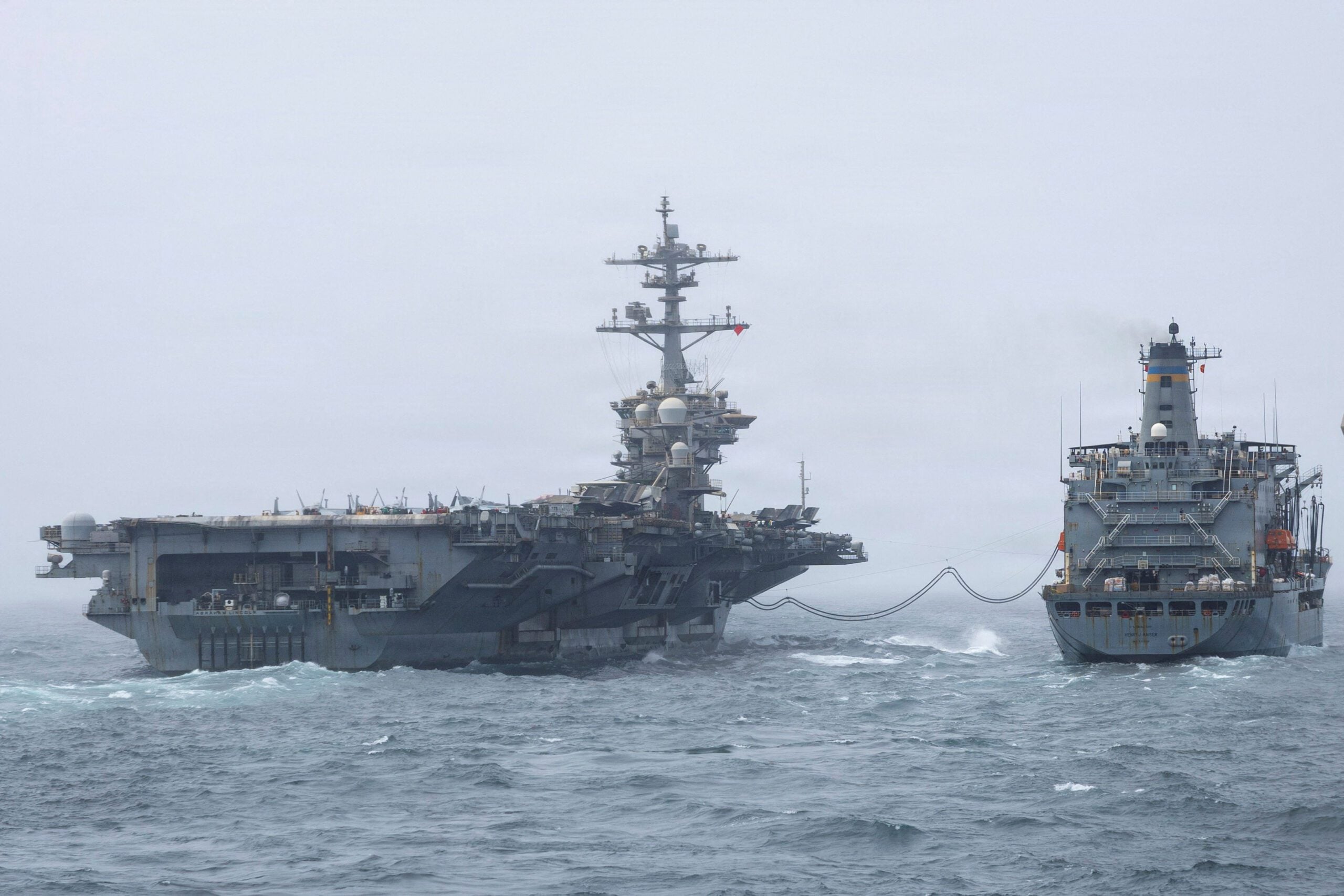
American and British forces struck radar installations, storage sites and missile and drone launch sites using fighter jets from the US Air Force and the USS Eisenhower aircraft carrier, as well as Tomahawk missiles launched from a submarine and surface ships.
Biden said the strikes were designed to send a “clear message” that the US would “not tolerate attacks on our personnel or allow hostile actors to imperil freedom of navigation in one of the world’s most critical commercial routes.”
It appears it was the US and UK that conducted the strike with elements staged or supported by Australia, Bahrain, Canada and the Netherlands.
It does appear that 27 attacks against innocent shipping is the magic number to trigger a response. pic.twitter.com/oLte1H6WQ2
— Sal Mercogliano (WGOW Shipping) ???????? (@mercoglianos) January 12, 2024
The Houthis have pledged not to stop their attacks until Israel ceases its war against Hamas, which is also backed by Iran. Israel has also traded fire with Iranian-backed Hezbollah forces in southern Lebanon and assassinated Hamas and Hezbollah commanders based in Lebanon.
Pressure for military action mounted after repeated US warnings failed to deter near-daily attacks on container and military ships over the past two months. On Tuesday, the Houthis launched their biggest attack yet on ships in the Red Sea, involving two dozen drones and a barrage of ballistic and cruise missiles, challenging US and UK forces patrolling the critical waterway.
“Historically, Iran and its proxies respond well to a strong response,” Miller said. “They respond in ways we don’t want them to when they sense weakness, and I believe they sensed weakness in us.”
Even before the US strikes, Houthi leaders warned that US military action would provoke retaliation. The group receives significant financial, military and intelligence support from Tehran and is eager to elevate its standing within Iran’s alliance of regional proxies.
“We’ll confront the American aggression,” Houthi leader Abdul Malik Al-Houthi said in a televised speech on Thursday. “Any American attack won’t go unpunished.”
Thousands of fighters have been mobilized and all preparations have been made for a battle with the Americans, Al-Houthi said, adding that attacks on ships would continue. He said the Houthis are only targeting vessels linked to Israel in an effort to force an end to its offensive in Gaza.
But Biden also sent a warning that more action may follow if it’s deemed necessary.
“I will not hesitate to direct further measures to protect our people and the free flow of international commerce as necessary,” he said.
Even with additional strikes, the Houthis may not be easy to deter.
“The Houthis are extraordinarily intransigent, even by Middle East standards,” said William Usher, a former senior Middle East analyst at the Central Intelligence Agency, who pointed out that the group has already withstood years of aerial bombardment by Saudi Arabia.
“The Saudis have been at this air campaign for years and years to no obvious strategic effect,” Usher said. “We’re a lot better than the Saudis, but their ability to shoot and scoot, bury things underground and weather air assaults is pretty well-developed at this stage.”
The Houthis control swaths of Yemen, including the capital Sanaa and the port of Hodeida. The Saudis, who have settled into an uneasy detente of sorts with the Houthis, said in a statement that the kingdom “is following with great concern the military operations taking place in the Red Sea region and the air strikes on a number of sites in the Republic of Yemen.”
UPDATED Infographic highlighting Land, Sea, Air assets used by Coalition forces on 12JAN2024 strikes on Houthi targets. Had a few minor corrections needed
Corrections: Found more accurate icon for F/A-18 Updated date to reflect local time Removed USS Carney Added likely… pic.twitter.com/59cbKY7JTK
Houthi promises for retaliation, combined with the ongoing conflict in Gaza, mean there’s a strong possibility of further US strikes, according to Miller, the former naval commander.
“Effective deterrence means the US and its partners need to be willing to continue to respond to malign behavior,” Miller said. “Neither the Houthis nor Iran should think this is one and done.”
What (Acting) Secretary Hung Cao’s First Five Months Tell Us About the Job Ahead By Bruce Kimbrell (Policy Op-Ed) President Trump has nominated the Honorable Hung Cao to become the...
By Jennifer A. Dlouhy and María Paula Mijares Torres Sep 6, 2026 (Bloomberg) –US Navy escorts that are helping tankers cross the Strait of Hormuz are essential to sustaining crude flows...
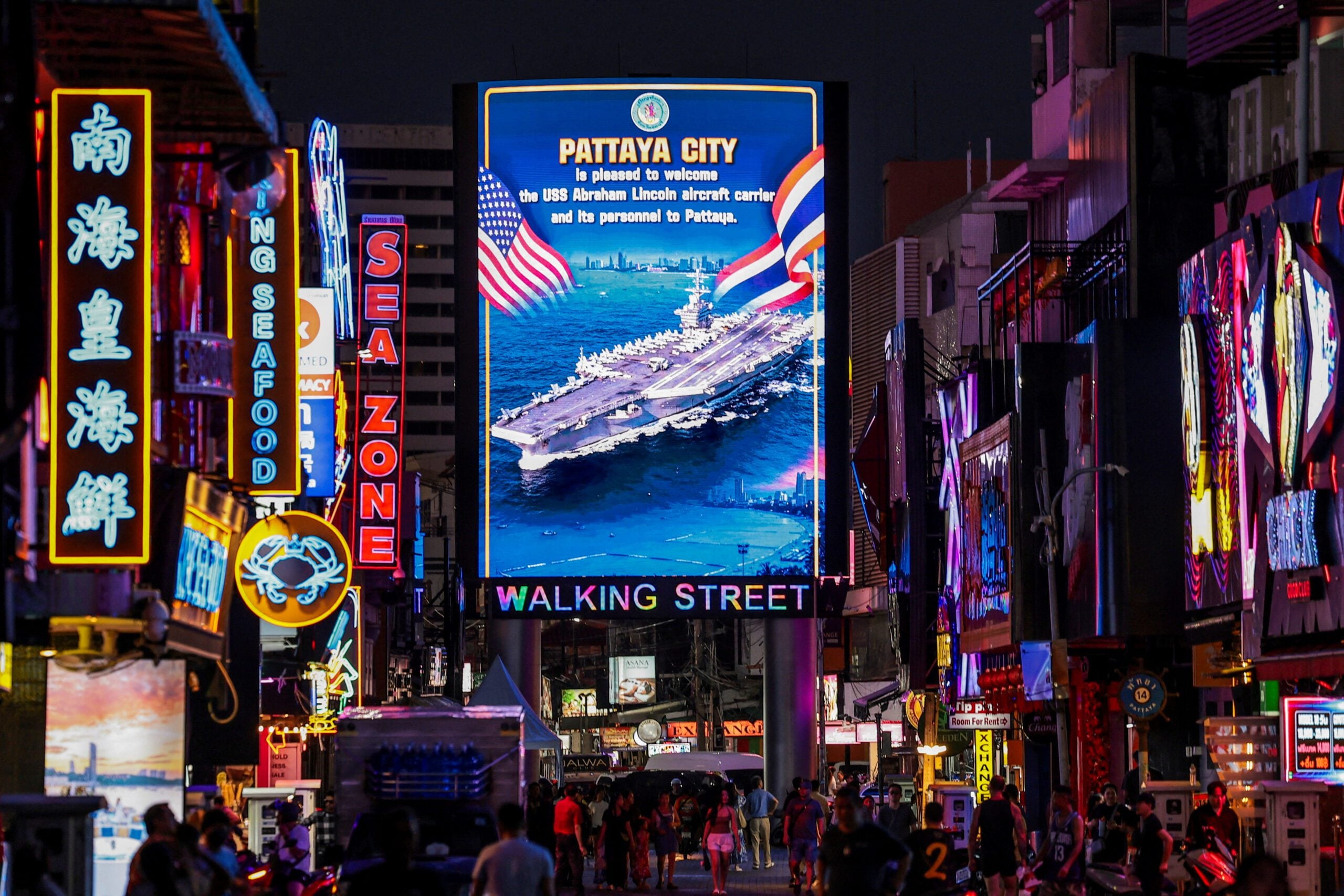
Sept 6 (Reuters) – The U.S. aircraft carrier Abraham Lincoln left Thailand on Sunday after a five-day port visit, ending a respite from an extended deployment that included operations in the Middle East, the U.S. Navy said. “We...
September 6, 2026
Total Views: 2014
Get The Industry’s Go-To News
Subscribe to gCaptain Daily and stay informed with the latest global maritime and offshore news
— just like 106,750 professionals
Secure Your Spot
on the gCaptain Crew
Stay informed with the latest maritime and offshore news, delivered daily straight to your inbox
— trusted by our 106,750 members
Your Gateway to the Maritime World!
Essential news coupled with the finest maritime content sourced from across the globe.

 Join The Club