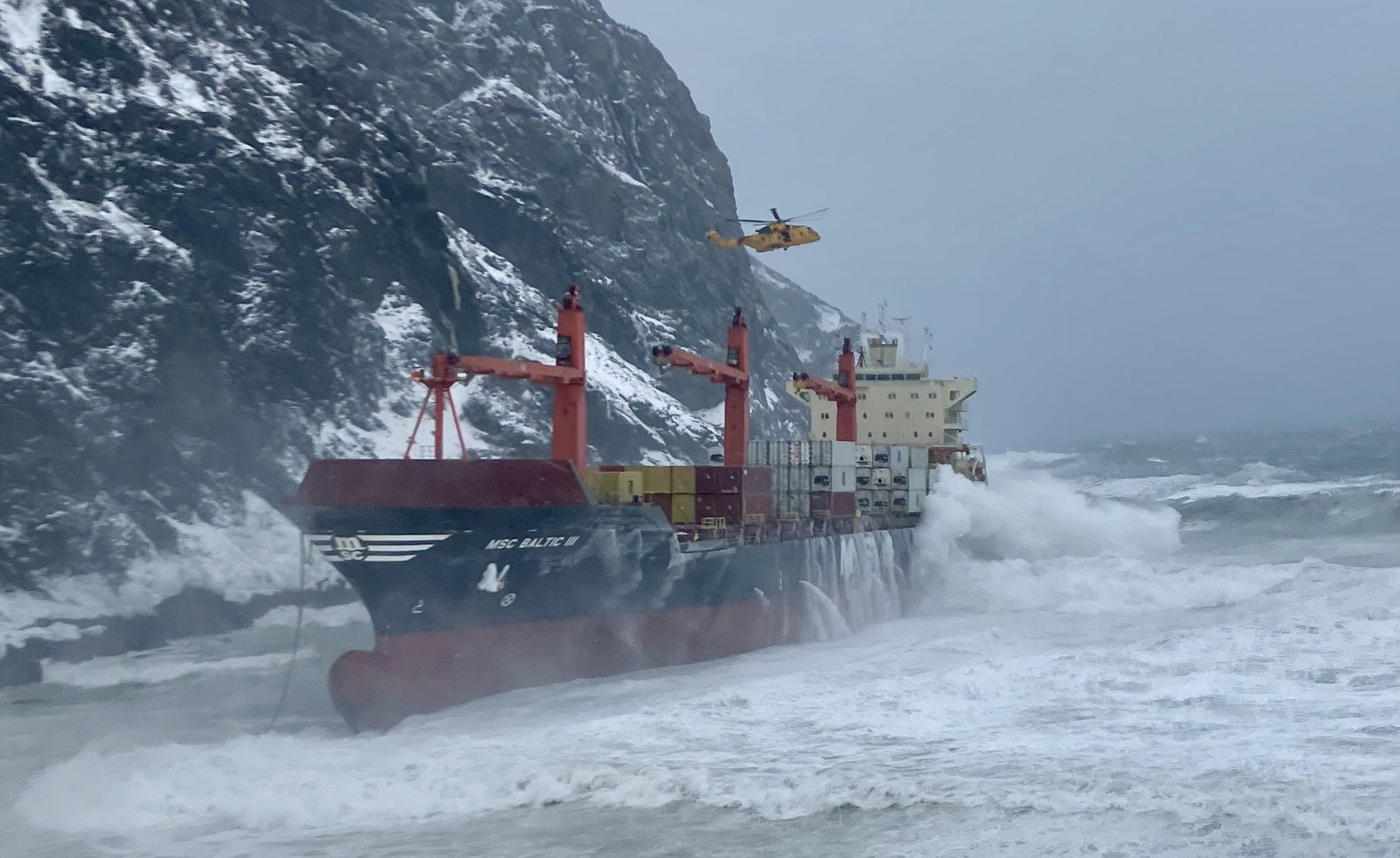
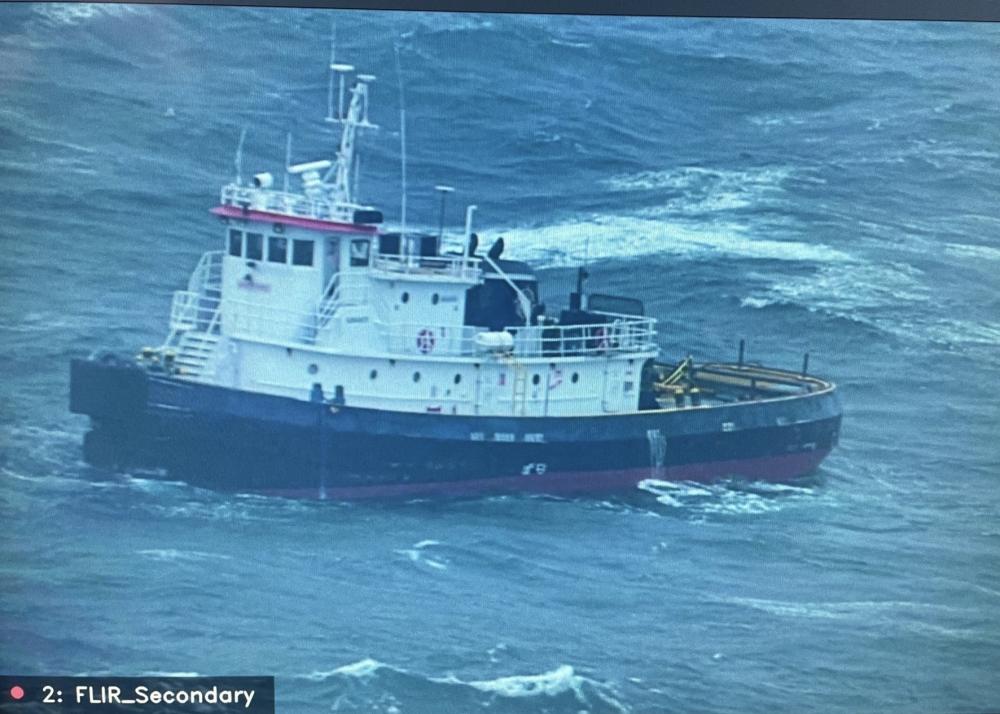
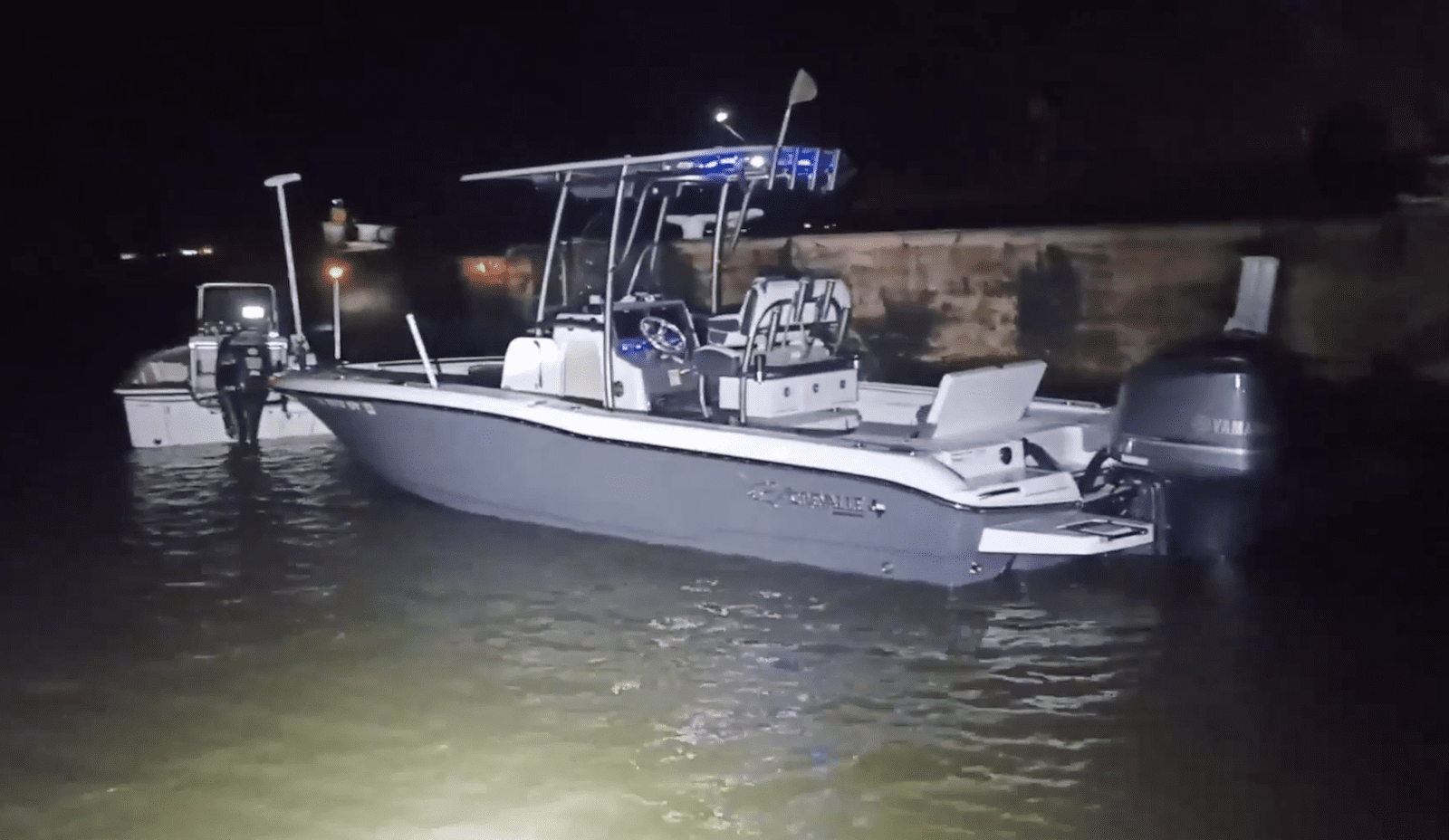
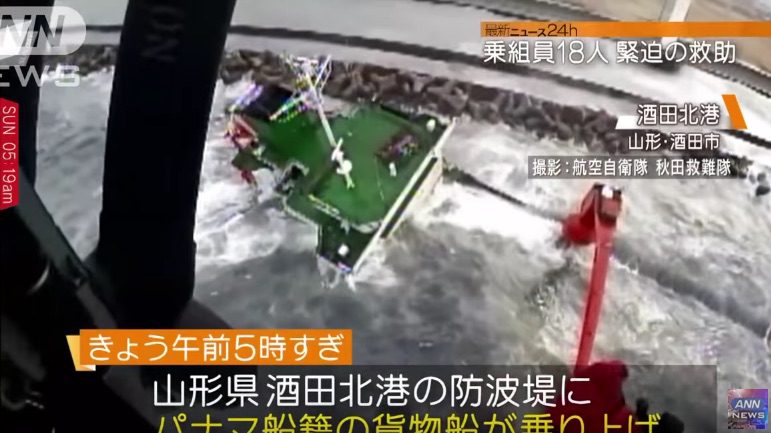
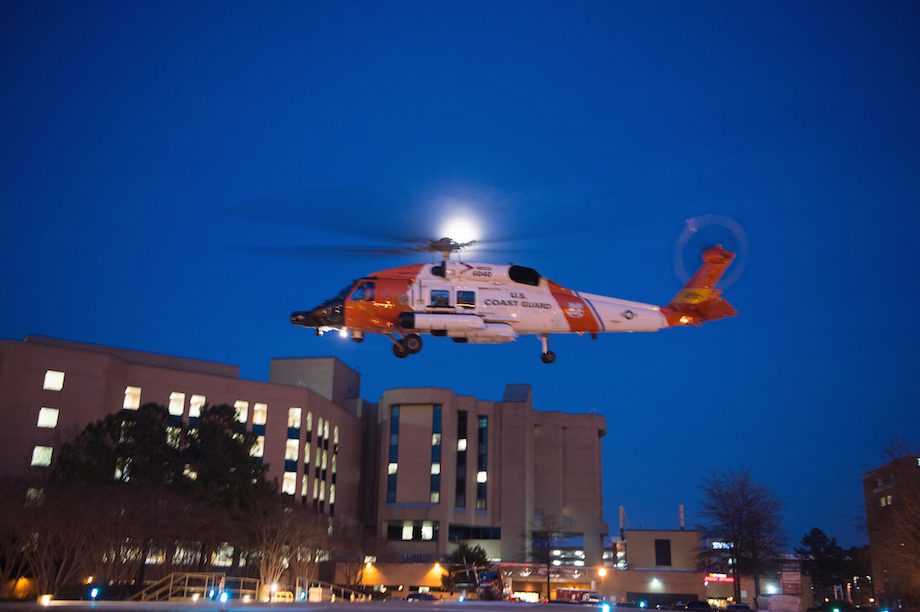
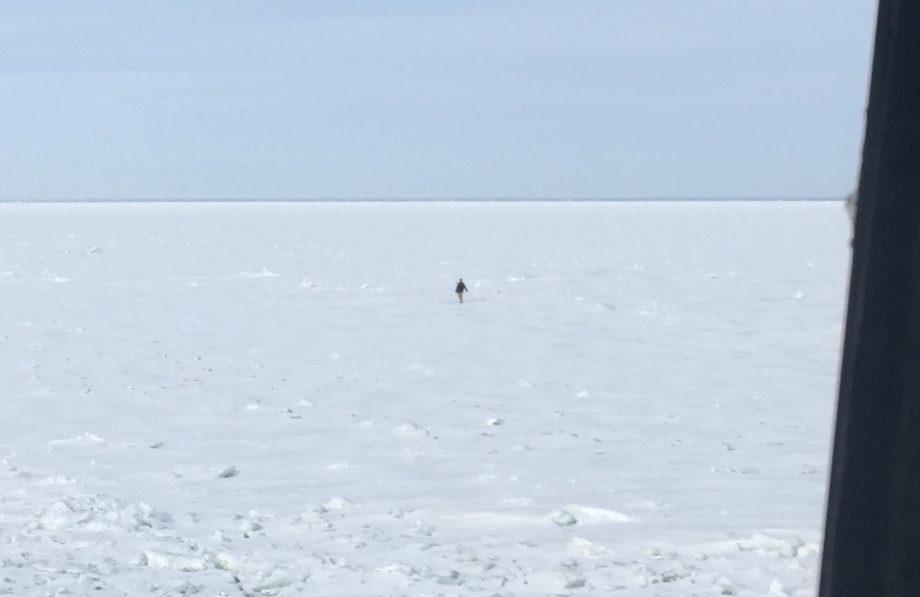
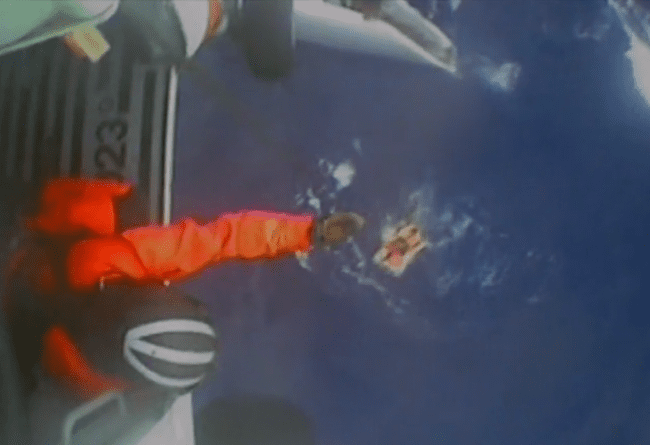
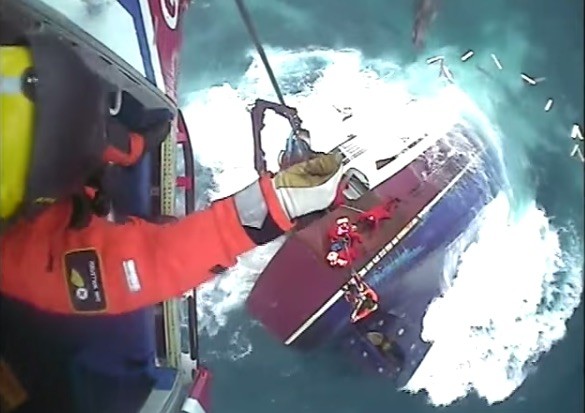
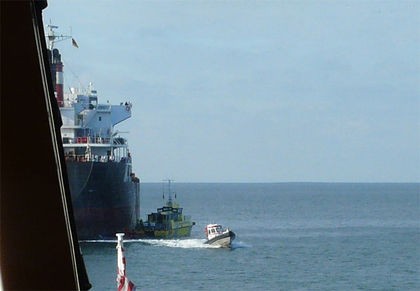
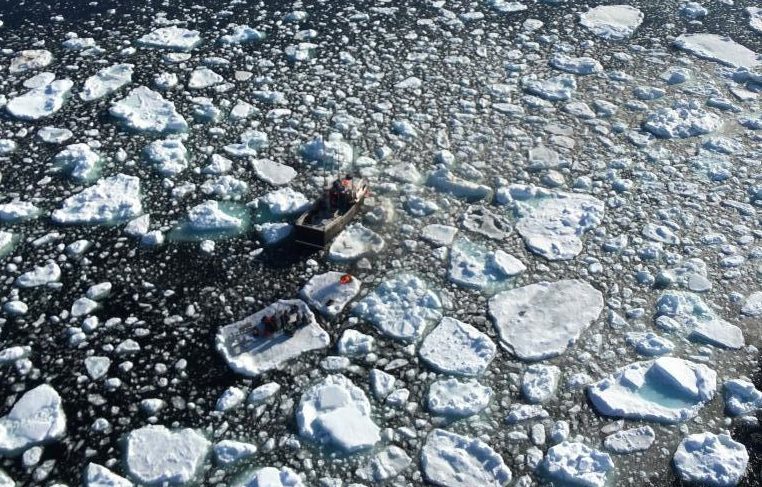
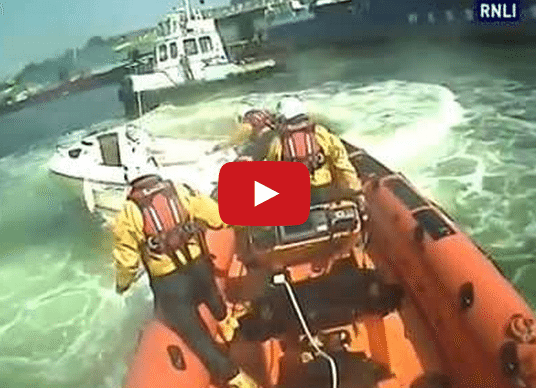
This video released by the Pentagon Channel reports on the USCG’s continued efforts in and around the Houston area following Hurricane Ike.
For more of the best video clips released by the U.S. Coast Guard can be found on the USCGImagery Channel on YouTube HERE.
Tags: · hurricane, rescue, USCG, Video
Coast Guard comes to the aid of the Ocean Challenger as the crab fleet listens to the news.
Video of USCG ( United States Coast Guard ) rescue of the crew of the Ocean Challenger which sank during the filming of the Discovery Channel’s Deadliest Catch.
Tags: · fishing, mayday, rescue, television, USCG
.
If you liked this video click HERE for one similar.
Tags: · rescue, rescue at sea, Video, youtube

The BBC Tells us;
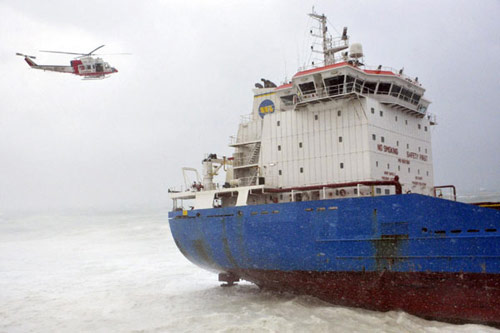
A cargo ship captain who was seriously injured in a force 10 gale off the Isles of Scilly is in hospital after being rescued by helicopter.
The aircraft lifted six other people from the ship 70 miles off Land’s End. Two of them had less serious injuries.
The three are believed to have been hurt when a giant wave hit the vessel and the cargo shifted.
Rescue attempts had to be abandoned overnight because of the extreme weather conditions and darkness.
After Saturday’s successful mission, Chief Petty Officer Dave Rigg said: “We pitched up on scene. I got lowered down on to the deck, went in, assessed the three casualties first.
“They were all fairly stable so whilst I was doing that I called for my colleague from the Ambulance Service.
“He then assisted me getting them into the stretcher - we then got the casualties into the aircraft and made our way back.” Continue Reading…
Related Links: In Pictures - M/V Riverdance
Tags: · coast-guard, rescue, riverdance, UK
During a January 4 storm, two 47-foot Motor Life Boats from Station Golden Gate responded to calls and assisted four boaters in distress, towing one of the vessels to shore after it broke away from its anchor. At the height of the storm, the crews battled high winds and rain to toss a heaving line to the boater. Attempts were successful and the boater was towed about one mile to a local pier. (Video by Petty Officer Erik J. Swanson)
Tags: · boating, boats, rescue, storm, USCG, Video, Weather, youtube
Bitterend brings us the anniversary of AMVER:
Originally known as the Atlantic Merchant Vessel Emergency Reporting (AMVER) System, it became operational on July 18, 1958. Amver began as an experiment, confined to waters of the North Atlantic Ocean, notorious for icebergs, fog and winter storms. Vice Admiral Alfred C. Richmond, Coast Guard Commandant at the time, called on all commercial vessels of U.S. and foreign registry, over 1,000 gross tons and making a voyage of more than 24 hours, to voluntarily become Amver participants. The basic premise of Amver, as a vehicle for mariner to help mariner without regard to nationality, continues to this day. Continue Reading…
Tags: · AMVER, GMDSS, noaa, rescue, sar, seas, USCG

The BBC has a great photo slideshow of the M/V Ice Prince sinking. You can find it HERE.
Tags: · bbc, coast-guard, ice prince, north sea, photos, rescue, ship, slideshow, solas, survival

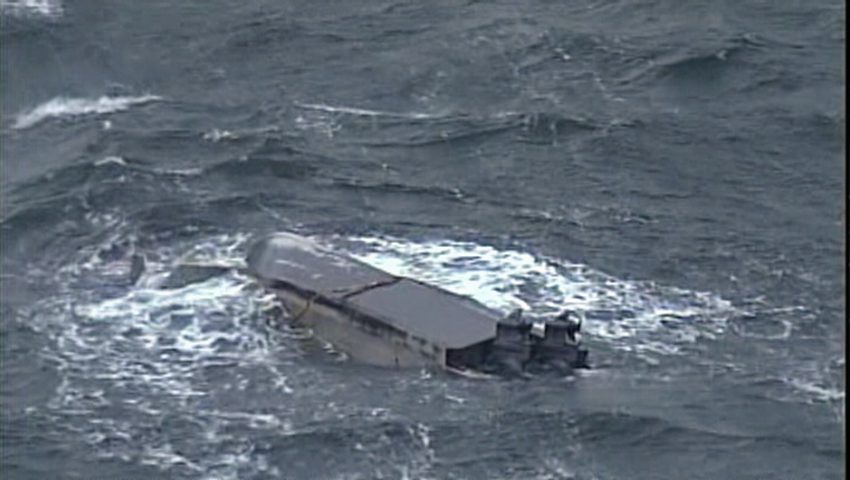
Last night the timber ship M/V Ice Prince became unstable and was abandoned in the English Channel. The Press Association tells us:
Attempts are to be made to take in tow a storm-hit cargo ship from which 20 crew were dramatically rescued in the Channel on Sunday night.
The Greek-registered Ice Prince is still listing heavily and drifting around 33 miles off the south Devon coast.
Maritime and Coastguard Agency spokesman Fred Caygill said salvors were on the way to the abandoned vessel, and it was hoped they would try to take it in tow around mid-morning.
It has not been decided where the stricken ship will be taken, said Mr Caygill, adding: “It depends where we can get her in.”
He said the French tug Abeille Liberte was standing by the vessel, which still had a 40-degree list and was drifting east. Read More…
The BBC has video of the difficult rescue HERE.
It was a bad day for mariners world-wide as tradewinds reports of two more incidents:
Tags: · english channel, france, ice princes, mca, rescue, survival, timber ship, UK

In a gCaptain exclusive we were able to discuss the May 2007 abandonment of the s/v Sean Seamour II with her captain Jean Pierre de Lutz. This story was first brought to us by Robin Storm, Marine Salvage Specialist and Maritime Severe Weather Spotter.
The Background Story
Here is a clip to bring you up to date on the Sean Seamour’s voyage but for the full story visit Robin’s coverage of the incident: LINK
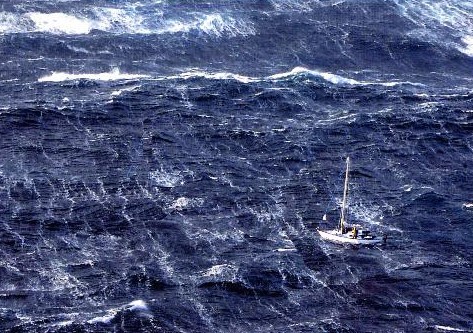
On or around 7 May 2007 the s/v Sean Seamour II was struck by a what is believed to be a “freak wave”, during Subtropical Storm Andrea. The sailboat was broadsided by a wave that did an great deal of damage to the boat and sent the crew flying about the cabin doing 360’s and causing its Master to break his ribs. The wave caused the sailboat to immediately list starboard.
After a harrowing time riding the waves a EPIRB signal was received by the USCG and a C-130 over fight located the wave riding crew. A J-Hawk Helicopter was dispatched to the area and launched a rescue swimmer, who injured his back during the insertion into the water, when a wave dropped from beneath him and he dropped some 50 to 70 feet. All of this done in 50 to 70 foot seas, with winds estimated at 80 knots.
To continue here are the captain’s own words:
10 Lessons learned from the Incident
1. No two passages are alike, do not consider that setting sail at what is deemed the most appropriate time is reason for less vigilance. Weather routers are not only for racers, they add a level of security through objective analysis of far broader data than one can access on board within economically reasonable parameters.
2. All security equipment should all be grouped together in the most central, least vulnerable and most accessible area inside the vessel. Heavy weather requires as much crew as operationally possible to be secure inside the vessel where security equipment can be accessed in anticipation of catastrophic events. The most vulnerable element of a sailboat is the rig. Such was the case for Sean Seamour II with the exception of cold water protection suits that were in a rear port deck locker that ended up under the crushed rig. Had these been kept with all other security equipment in a compartment at the base of the companionway the crew would have been able to don these after the first knockdown and avoid hypothermia.
3. Pumps are never redundant: whale pumps are great, I had three installed on board, only the cockpit pump could have been used, the stern and bow units were not accessible due to debris or water levels. Again these should be centrally installed on the highest floor level within the vessel. 2000gph electric Rule pumps should be permanently installed in tandem to avoid debris plugging the pump. Ours had to be constantly monitored against floating paper and other debris.
4. Redundancy saved my crew but not my vessel. The second EPIRB I always considered a luxury, eleven years later it still tested operational, which it ended up being. Had I planned this redundancy with purpose it would also have been sent for recertification, would have been kept with the main unit inside for deployment, would have been initiated and efforts to save the vessel accomplished. Redundancy is a must, but making sure you are not carrying duds as a feel good notion of redundancy is almost as important.
5. Reliability of equipment, considering the above, both ACR 406 EPIRB units tested operational yet both performed below specifications. The ACR Globalifix died within thirty minutes after being sent for verification and recertification two weeks prior, the second old ACR self tested positive but battery life was only ten hours, had we been further out to sea its remaining ten hours of battery would have been insufficient to guide help our way.
6. Lashing is too often considered and applied to on deck equipment, openings, doors, etc. Within the vessel we generally secure for heavy weather thrashing forgetting what happens during knockdowns and 360’s. Start with floorboards - these are the first to pop under such circumstances either through simple gravitational action, let alone kinetic energy that can be created during a knockdown. Besides half of my floorboards that were not secured, the one most forgotten in my case was the salon table which detached and was probably the cause for half of my ten broken ribs. Had it knocked me unconscious or worse my crew would have likely perished.
7. Gulf Stream, staying away from the core is not sufficient when confronting opposing direction weather systems. I left the stream well before the storm but did not take into account the size of the eddies in that area. I had used the stream carefully avoiding the eddies in my 1996 crossing, but over the past five years I had noticed the eddies diminishing in strength in the North Atlantic. Had I tacked further east from the night of the 4th I would have probably been less punished by Andrea. New data seems to correlate this.
8. Stowing and backup usage of vital electronic equipment must be designed into contingency plans. Sean Seamour II had most everything but contingency plans did not take into account such catastrophic circumstances. VHF, a backup antennae was pre-wired to enable the DSC VHF to function, but the stowed antennae was unfindable after the 360 which crushed the rig. The SSB antennae used one of the backstays, gone with the rig, also the tuner was positioned too low and was shorted by water. The Iridium satfone should have been kept in a waterproof skin, it was soaked in the 360.
9. Securing the vessel at least for the short term must remain a priority. With the knowledge that the GPIRB had been initiated securing the vessel was to be my first objective by dumping the rig, 100 meters of chain and bow anchors and plugging the mast passage. These actions would have secured the vessel for at least extra hour or two, taking other actions could have put us under way with engine propulsion. Although for years I have prepared myself mentally for this type of situation, given the level of panic, physical trauma and the ensuing disorientation too much time was lost attempting to get electronic equipment to function — if it doesn’t work it is not going to, redundancy yes dependence no.
10. Although substantial time had been dedicated to briefing the crew prior to departure on the security equipment inventory, whereabouts and deployment, showing them how collision mats, rule pumps and other equipment should be sued, as well as other procedures such as rerouting whale pumps, effective drills are far better. Had I been incapacitated during these catastrophic events I am not sure the crew would have survived.
These lessons were written by Mayke & Jean Pierre de Lutz
Camp de la Suyère, 83680 La Garde Freinet, France
www.maykesassen.com
s/v Sean Seamour II - the final log entry
Tags: · atlantic, boating, rescue, sailing, sean seymour II, severe weather, storm, survival, USCG, Weather
From the boats to ships to natural disaster this video from YouTube user USCG Imagery is a compilation of the top 10 USCG rescues at sea.
Have a better rescue video? Send them to tips {at} gcaptain.com.
[Continue Reading →]
Tags: · boats, coast-guard, compilation, imagery, ocean, pasha-bulker, rescue, rescue-swimmers, sea, ship, Ships, survival, USCG, Video, youtube