
 Join The Club


News
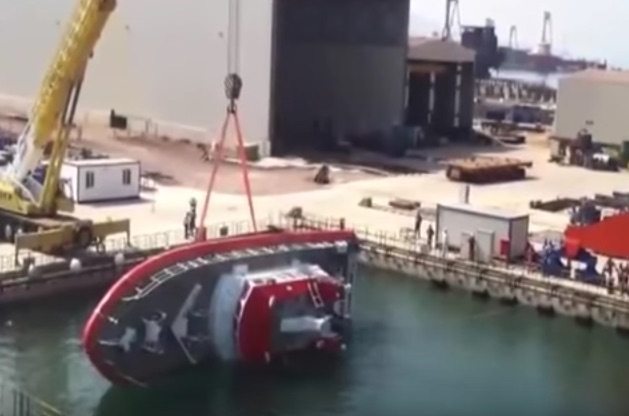
Video: The Craziest Boat Launch You Will Ever See
Uhhh, was that supposed to happen like that? Seriously, was that planned? Kind of seems like that it was. I don’t know under what circumstance anyone
Uhhh, was that supposed to happen like that? Seriously, was that planned? Kind of seems like that it was. I don’t know under what circumstance anyone
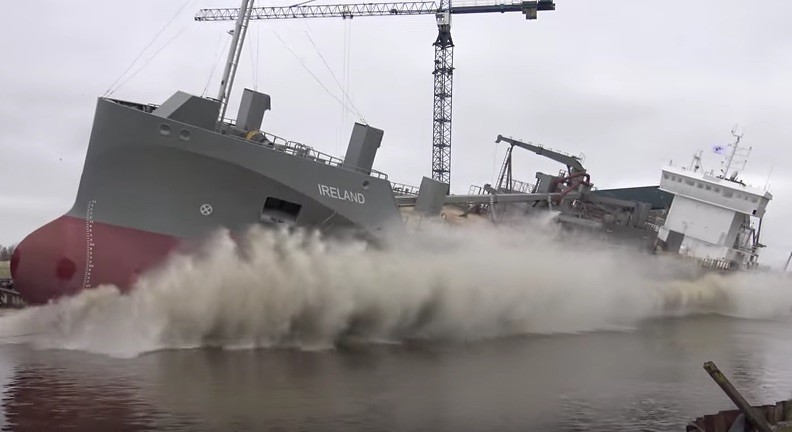
Dutch shipbuilder Ferus Smit has launched the second of two of the world’s first LNG-powered dry cargo ships. The MV Ireland (Nb. 435), a
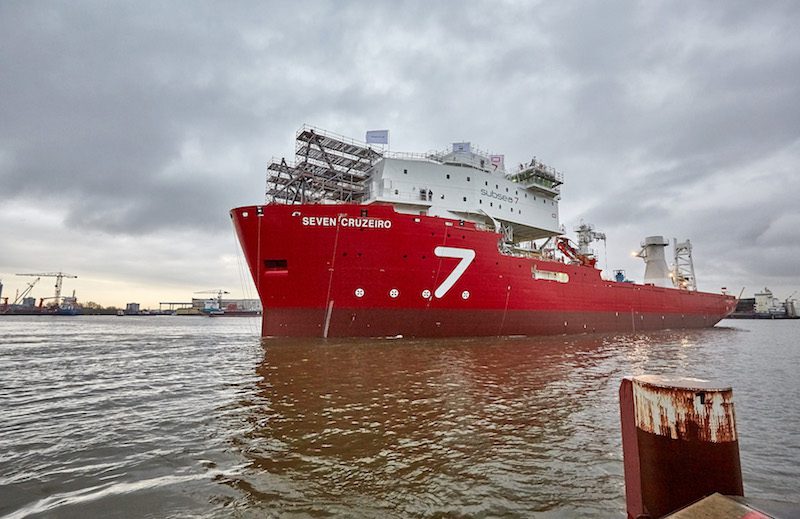
Royal IHC has launched the 550-ton top tension capacity pipelay vessel, Seven Cruzeiro, at its shipyard in Krimpen aan den IJssel, Netherlands. This is the
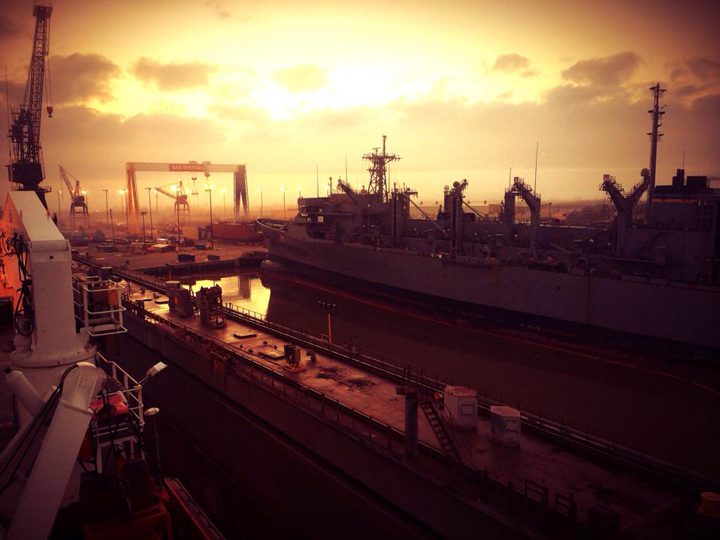
Here's a video of the January 29, 2014 launch ceremony of the MV Breeze at BAE Systems Southeast Shipyard in Jacksonville,
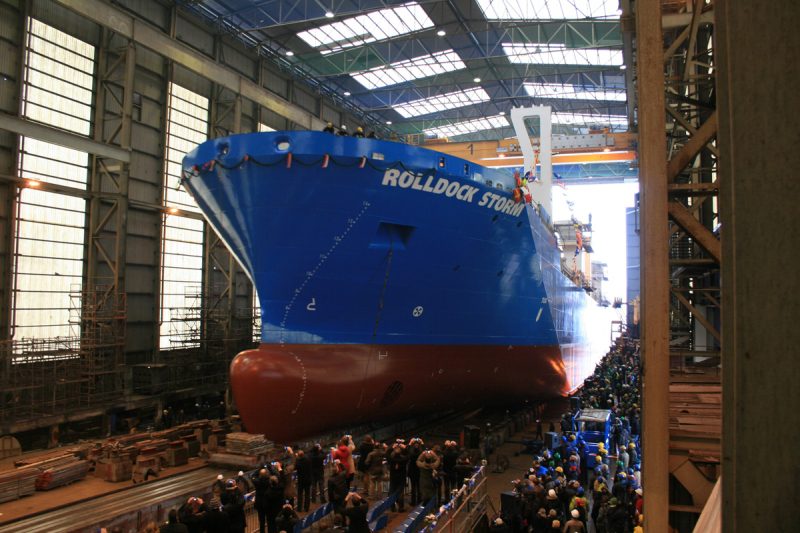
On January 31, 2014, the semi-submersible heavy lift Ro-Ro "Rolldock Storm" (Yard No. 759) was launched before a crowd at Flensburger Schiffbau-Gesellschaft
Her Royal Highness Crown Princess Mary of Denmark last week launched SVITZER Australia’s newest Tugboat ‘SVITZER Marysville’ at Docklands in
![Luxury Boat Launches, Sinks Immediately [VIDEO]](https://gcaptain.com/wp-content/uploads/2011/10/Screen-shot-2011-10-12-at-11.49.54-AM.png)
This is classic! Details of what actually went down in this incident are bit fuzzy being that most every report is in Chinese, but from what we gather, a
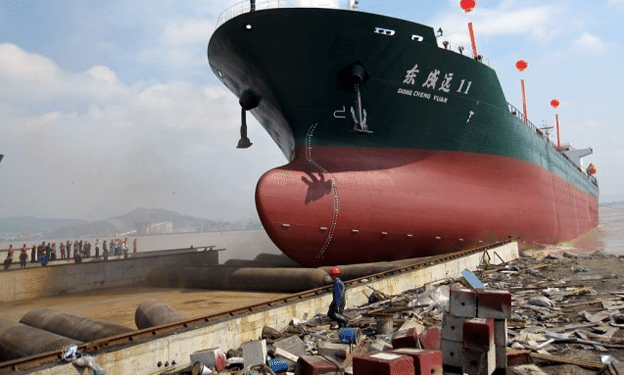
To learn more about marine airbags and their use for moving and launching large ships, we reached out to Song Tao of Qingdao Evergreen Shipping Supplies
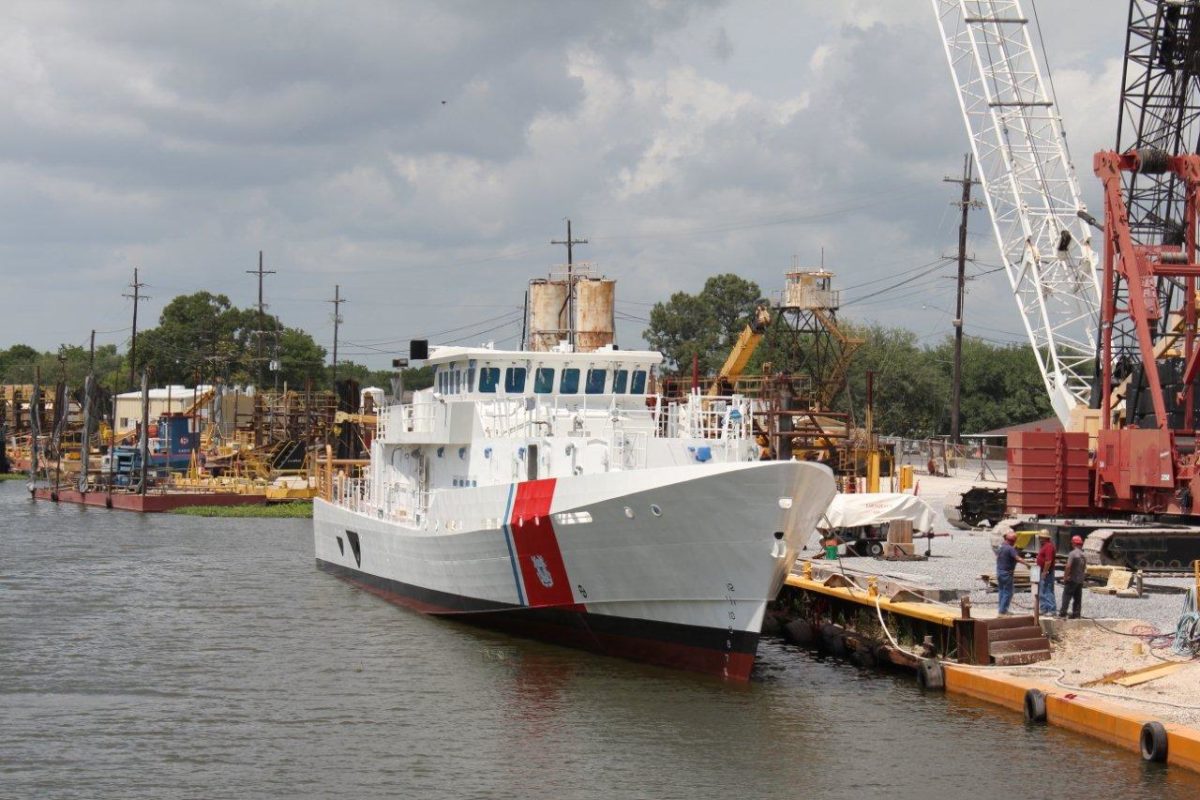
By LTJG Stephanie Young via Coast Guard Compass blog Earlier today, the first of the Coast Guard’s fast response cutters, Coast Guard Cutter Bernard C.
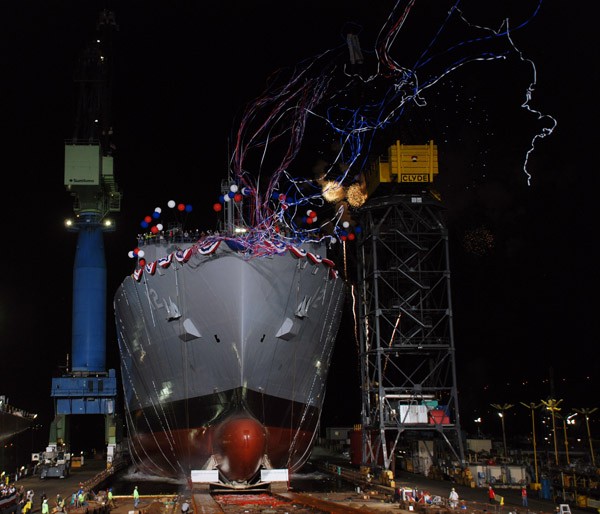
Photo by Sarah E. Burford, Military Sealift Command Pacific USNS William McLean, the newest ship in the U.S. Navy’s Lewis and Clark-class of dry
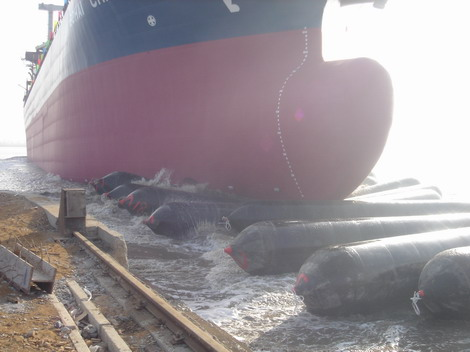
MarineBuzz brings us photos of the M/V Bohai Challenge, being launched on what appears to be Yokohama Fenders (official they’re not Yokohamas). They tell

Essential maritime and offshore news, insights, and updates delivered daily straight to your inbox



Essential news coupled with the finest maritime content sourced from across the globe.
Sign Up
