Big Motor Problems
By John G. Denham
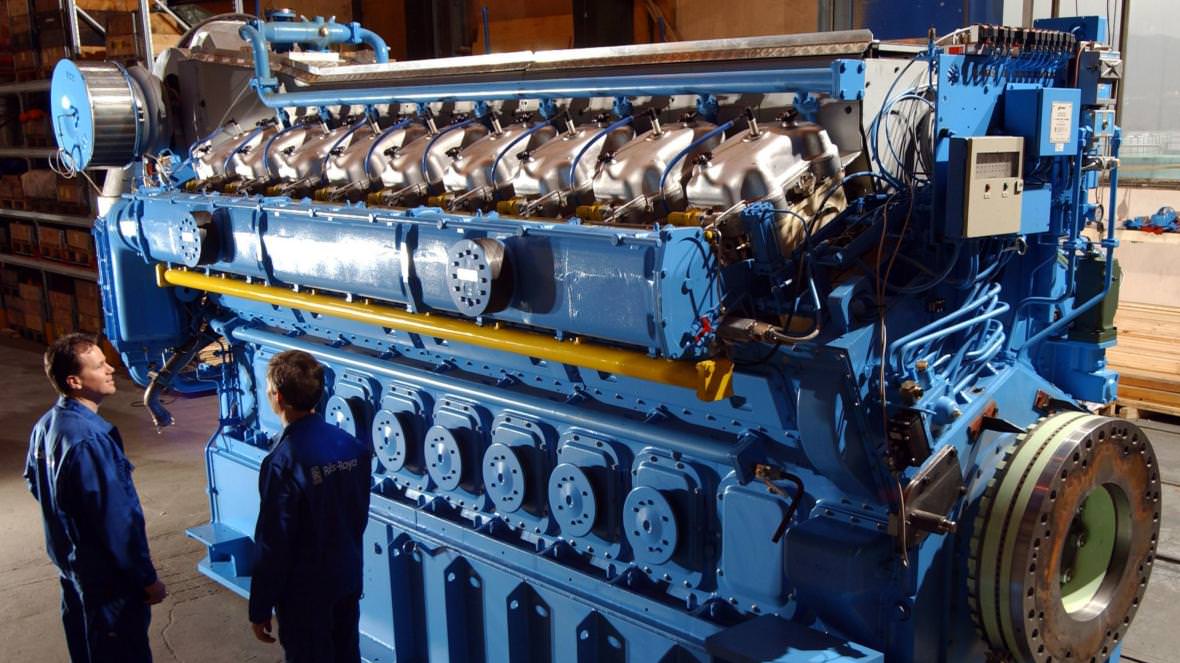
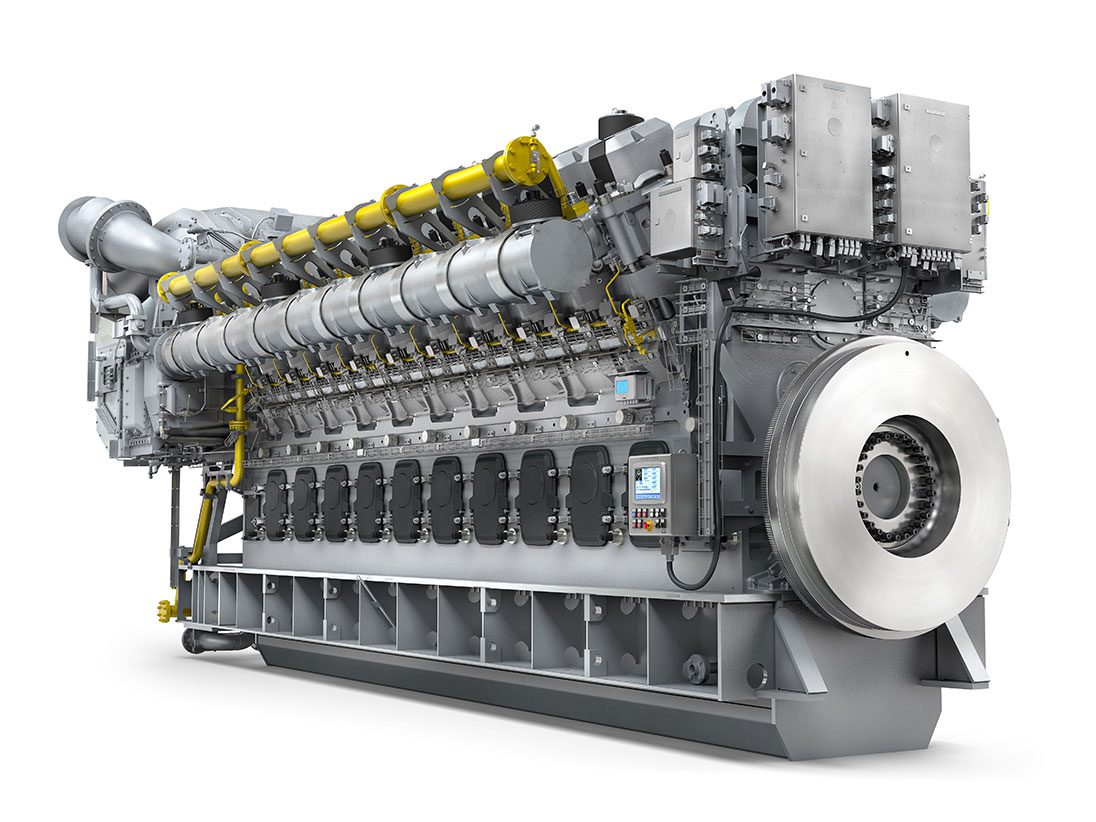
I am impressed with the significant improvements that large diesel engine manufacturers are making in reducing offensive emissions, improving operational efficiency and cutting costs. When the “Firecracker Engineers” put their mind to it, it happens. Government is putting a lot of pressure on engine exhausts; the bigger the engine the more political pressure. Owners want more speed and efficiency and less cost. I have not observed any government involvement except to increase standards. The diesel engine manufacturing guys have addressed faster, more powerful, cleaner, efficient and less costly engines admirably, but there is another problem that effects operations: minimum speed.
The minimum speed limitation is an operational safety factor when maneuvering in confined, congested and special maneuvering areas. Rule 6 of the International and Inland Rules:
“Every vessel shall at all times proceed at a safe speed…” A gold mine for maritime lawyers.
The Pacific Maritime Magazine May 2008 issue’s feature article “Large Marine Diesel Engines” exemplified:
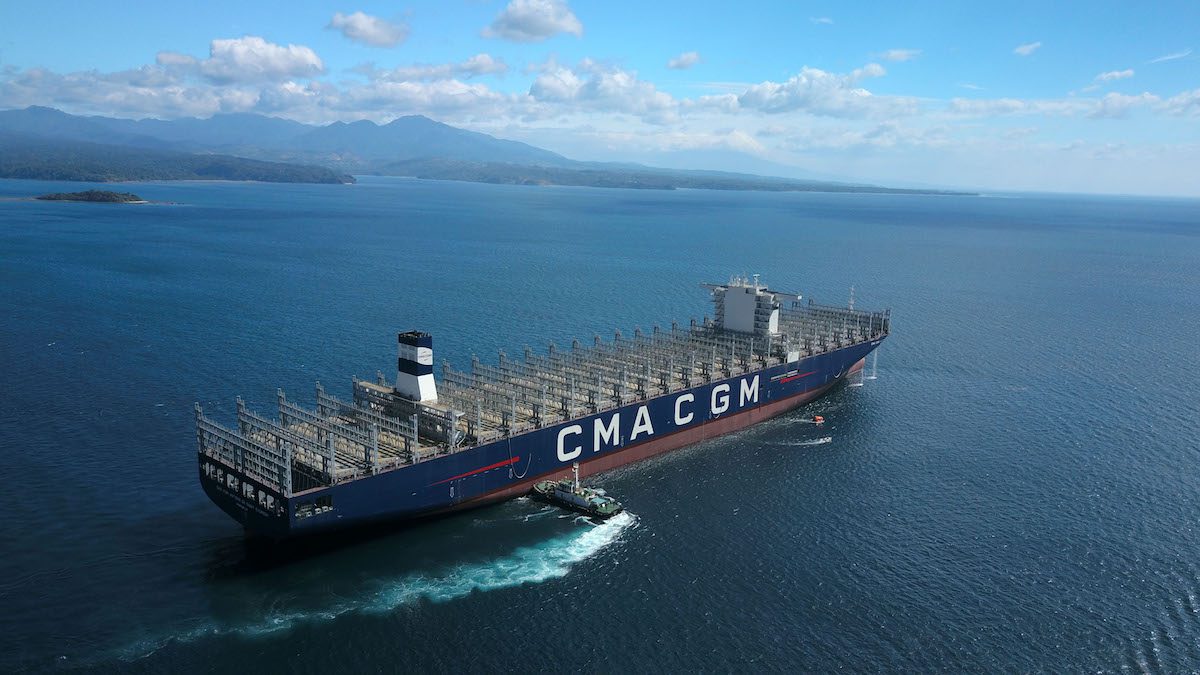
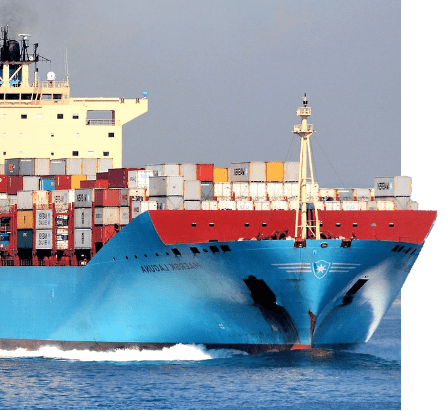
“APL recently ordered eight MAN B&W 14K98ME-C7 two stroke low-speed crosshead engines …will generate 115,000 bhp at 105 RPM …to be installed in eight new 10,000 teu container ships.”
As advertised the operating range of similar behemoths maybe as low 45 RPM and as high as 120 RPM. With direct drive and an efficient propeller the probable minimum speed may be 5.0 knots. Persons piloting such vessels may need to stop and start the engines any number of times due to circumstances; the engines are usually started with compressed air. Therefore knowing the quantity of consecutive start and stops is essential as an operating factor. There are two navigation considerations that must be resolved while en route: the safe speed of advance and the hydrodynamic effect of the vessel’s movement; the greater the speed the greater the effect. So far, ship handlers have developed procedures to reduce the speed of advance but as the engines become more powerful the solutions will be less effective.
While transiting a narrow channel there are three sub-factors involved that need to be considered to safely proceed: the bow wave, suction effect and the wake; all relate to speed and displacement. The details and an excellent explanation are provided in Caryle J. Plummer’s “SHIP HANDLING IN NARROW CHANNELS; Cornell Maritime Press.
Large direct drive diesel ships may have as many as 10 or 12 consecutive starts if the propeller is free rotating, but less if backing (need more air). Of greatest concern is an emergency full astern from full speed ahead; the air pressure may not be adequate to counter the propeller rotations.
Therefore, the ship owner must not only consider the environmental impact and economical advantage, but the cost of additional tugs and support services when entering congested and confined water. JGD.
NOTE – This article was first published in June of 2008.
John Denham is a retired USN Captain, Licensed unlimited Master and Pilot, maritime academy teacher,and author with extensive experience as a marine consultant. He writes for Pacific Maritime Magazine and is the author of The Assistant and DD 891.
Unlock Exclusive Insights Today!
Join the gCaptain Club for curated content, insider opinions, and vibrant community discussions.

 Join The Club