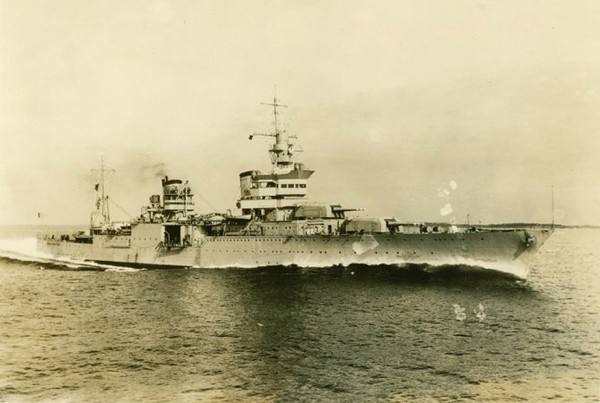
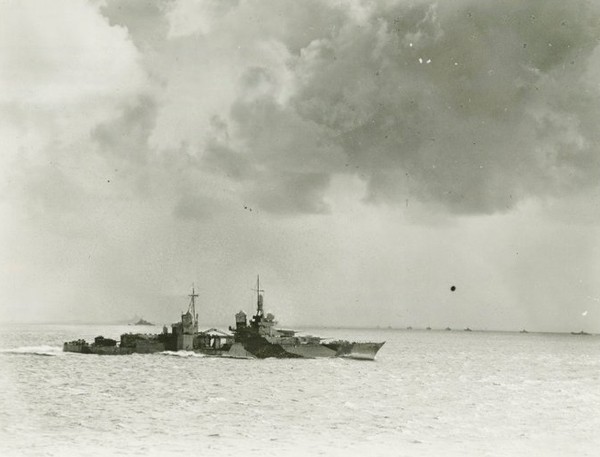
67 years ago, USS Indianapolis (CA-35) arrived at the Pacific island of Tinian to deliver the firing mechanism and uranium-235 material for the first atomic bomb dropped over Hiroshima, Japan on August 6, 1945.
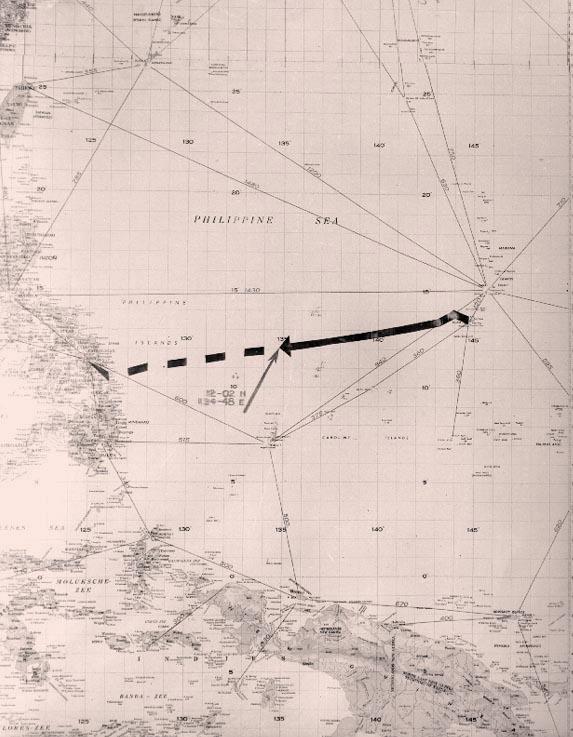
Four days later, USS Indianapolis was sunk by the Japanese submarine I-58, northeast of Leyte, 12° 02’N, 134° 48’E. Due to communications and other errors, her loss went unnoticed until survivors were seen from a passing aircraft on 2 August.
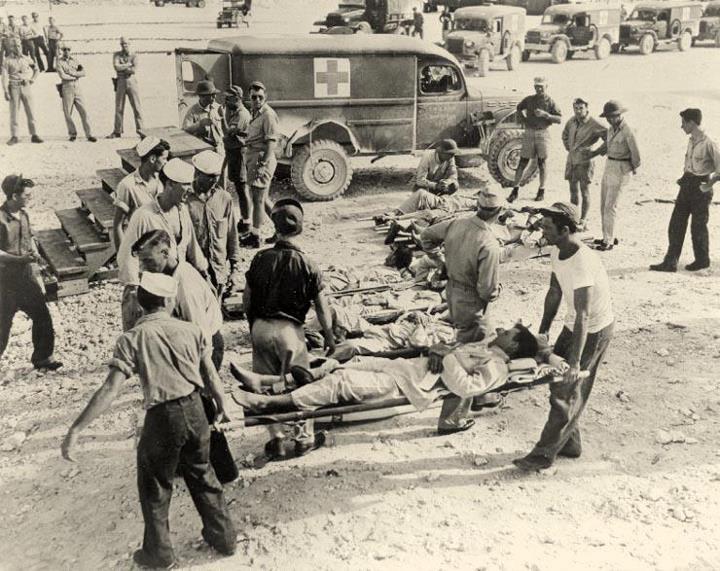
Drifting helplessly for 4 days in the tropical sun with little to no food or fresh water, nearly 600 men perished due to severe dehyration, dementia, repeated shark attack, and injuries sustained in the Japanese attack. When the last of the survivors were finally pulled from the water on August 3, only 317 of the original 1,196 crew were still alive.
She was the last American warship sunk in World War II.
Captain Charles B. McVay III, a US Naval Academy graduate from the Class of 1920, was court-martialed and convicted for failing to zigzag in order to foil a potential submarine attack. A Congressional resolution signed by former President Bill Clinton cleared him of any wrongdoing in 2000.
Indianapolis and her crew earned 10 battle stars for her service in World War II.
USS Indianapolis’ survivors en route to a hospital following their rescue, circa early August 1945. Ambulance in the background is marked “U.S.N. Base Hospital No. 20”, which was located on Pelelieu. Photograph was released 14 August 1945. Official U.S. Navy Photograph, now in the collections of the National Archives, 80-G-490322Chart of the western Pacific, showing Indianapolis’ track from Guam to her reported sinking location, with a dashed extension showing her intended route to the Philippines. Official U.S. Navy Photograph, now in the collections of the National Archives, 80-G-702117
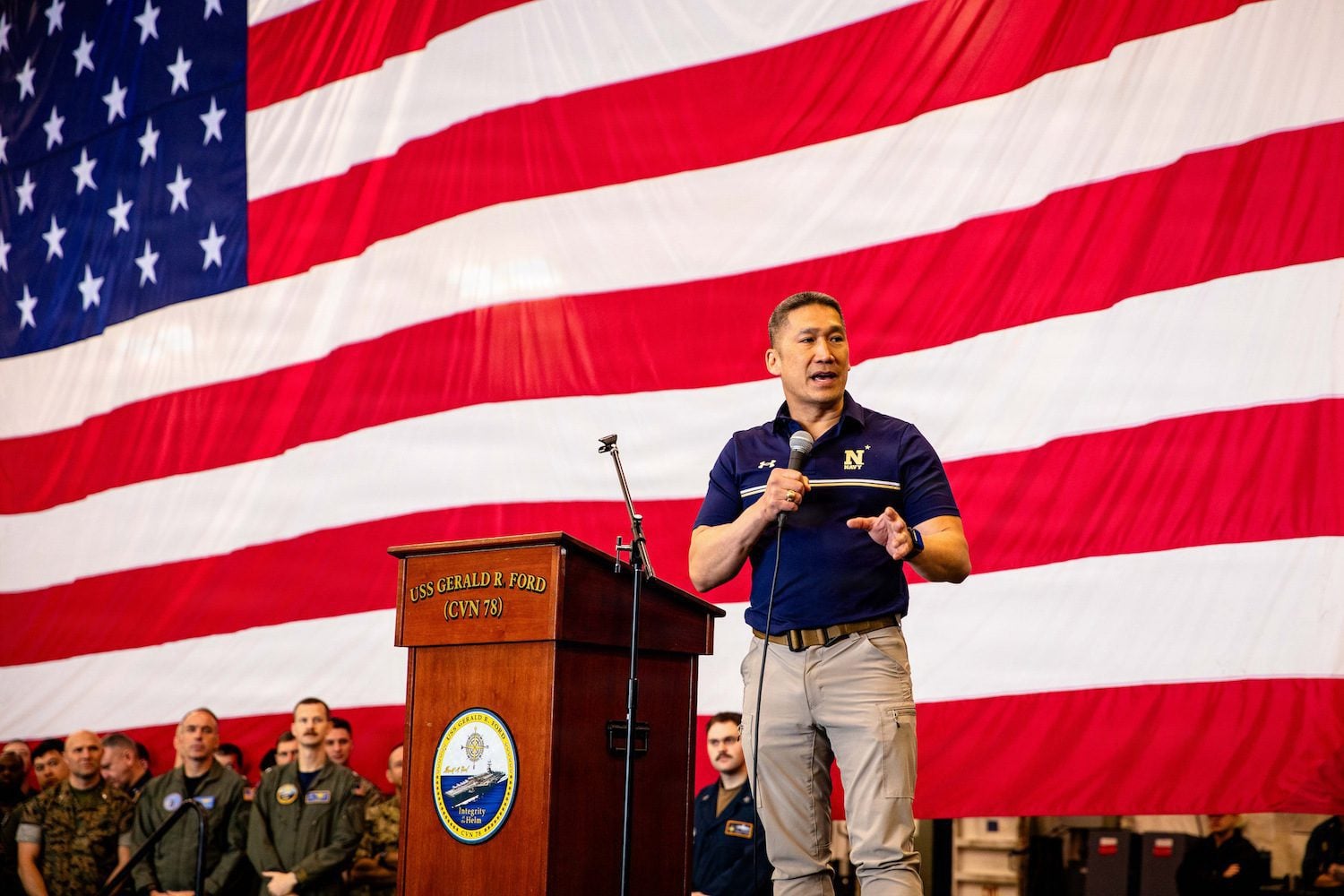
What (Acting) Secretary Hung Cao’s First Five Months Tell Us About the Job Ahead By Bruce Kimbrell (Policy Op-Ed) President Trump has nominated the Honorable Hung Cao to become the...
He wasn’t sightseeing. He was helping America see itself. By Bruce Kimbrell (Policy Op-Ed) Why a Road Trip? They called it a vanity project that was out of touch. A family vacation...
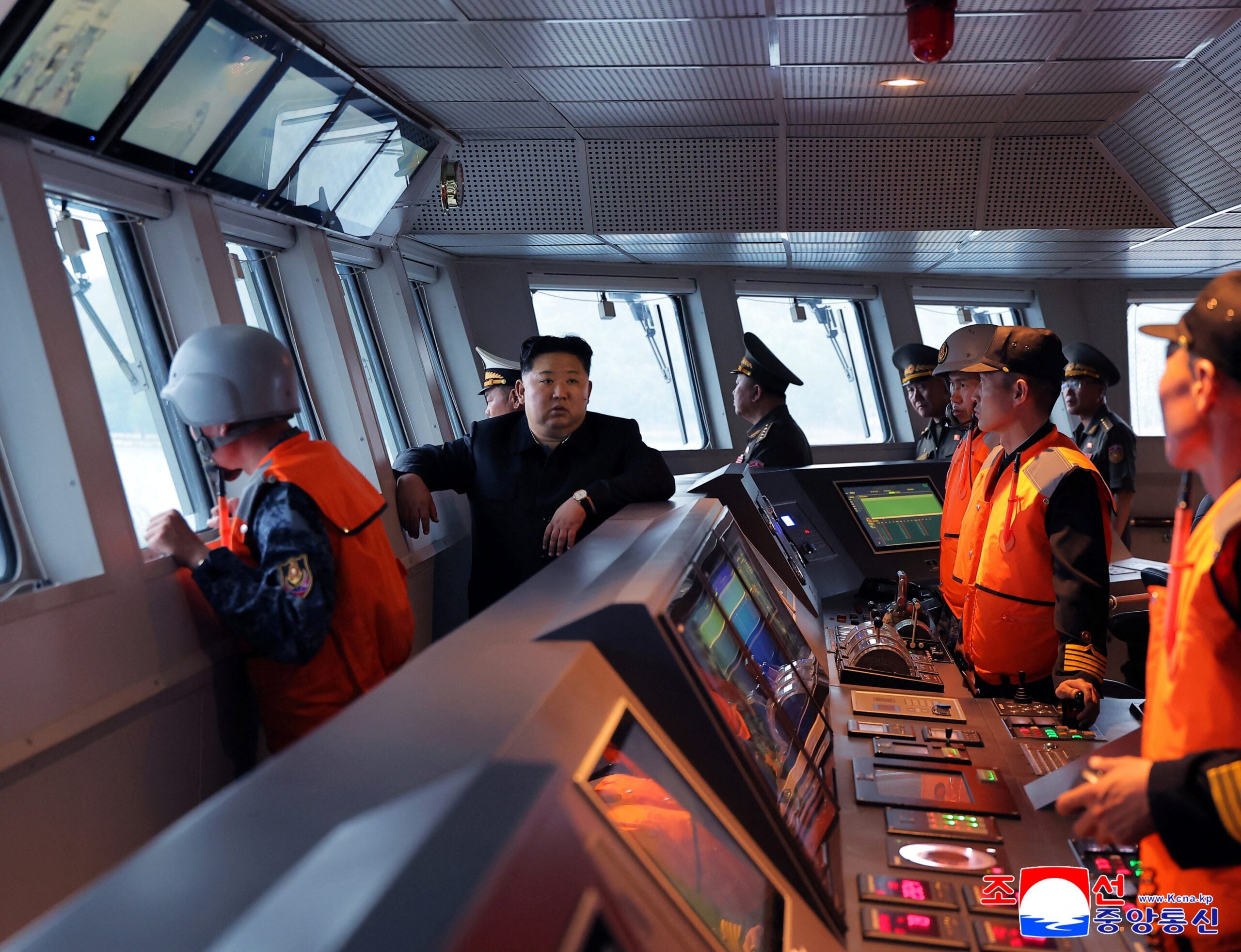
By Sarina Yoo and Denny Thomas Jun 6, 2026 (Bloomberg) –North Korean leader Kim Jong Un said the navy must become part of the country’s nuclear war deterrent, using a ship...
June 7, 2026
Total Views: 1024
Get The Industry’s Go-To News
Subscribe to gCaptain Daily and stay informed with the latest global maritime and offshore news
— just like 106,531 professionals
Secure Your Spot
on the gCaptain Crew
Stay informed with the latest maritime and offshore news, delivered daily straight to your inbox
— trusted by our 106,531 members
Your Gateway to the Maritime World!
Essential news coupled with the finest maritime content sourced from across the globe.

 Join The Club